Products

Products

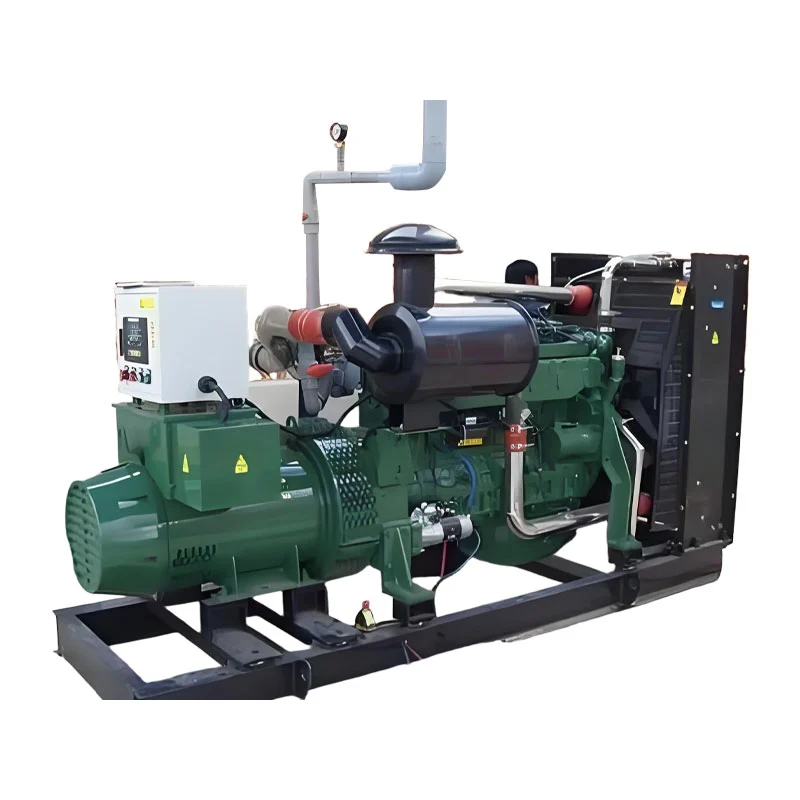
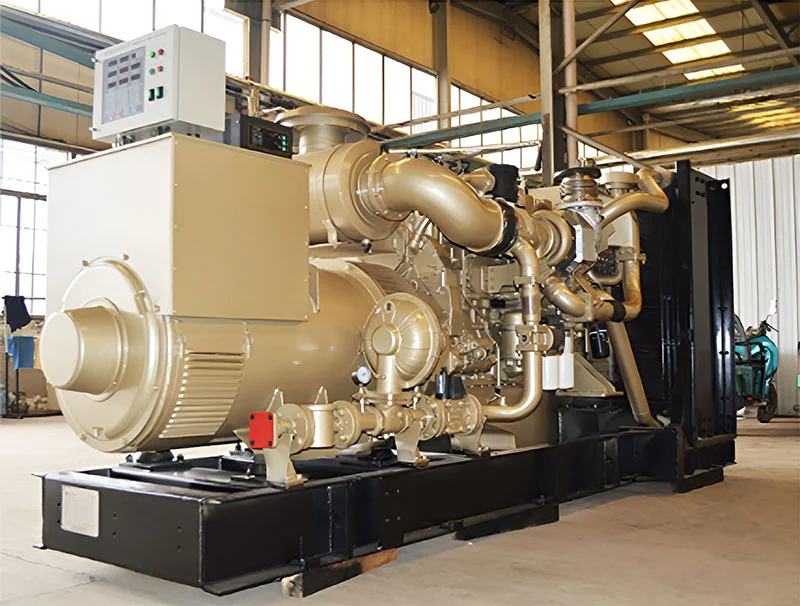
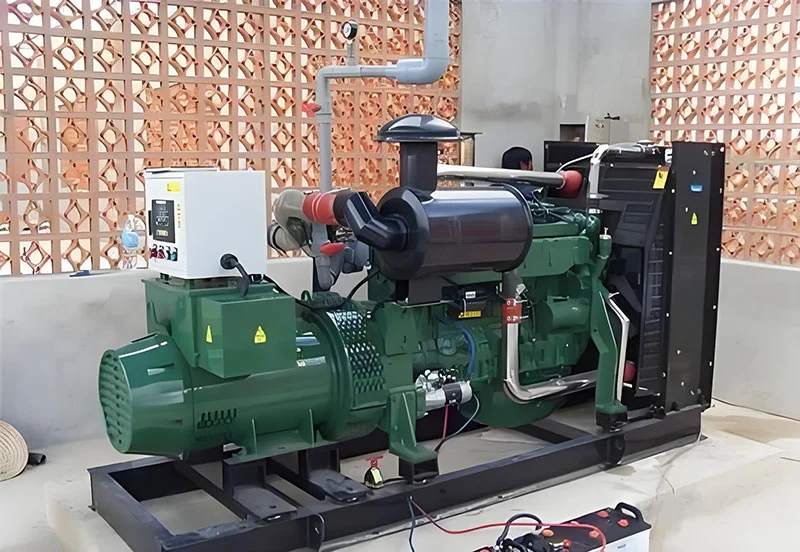
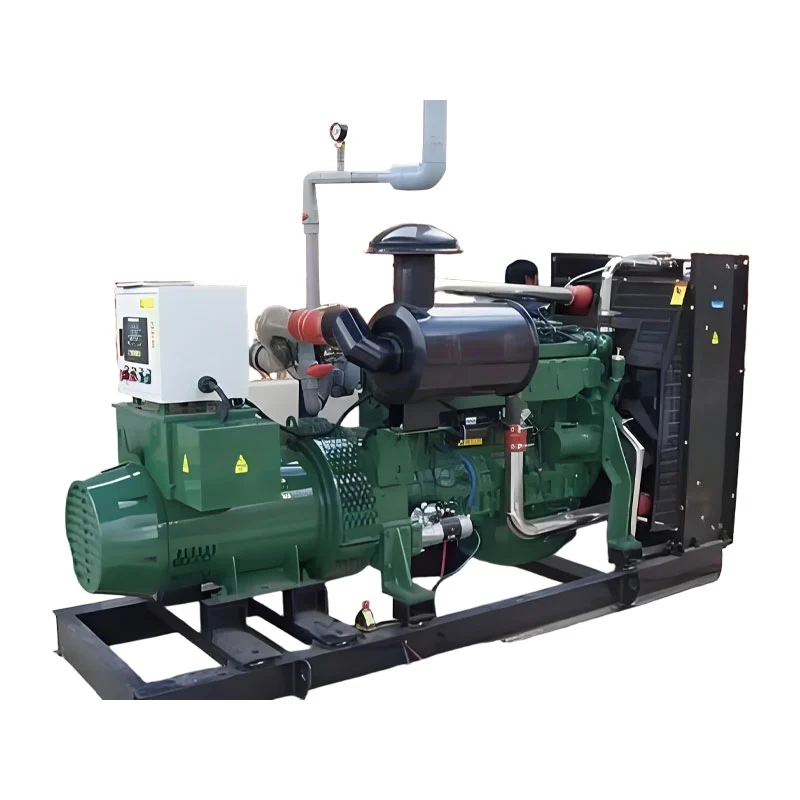
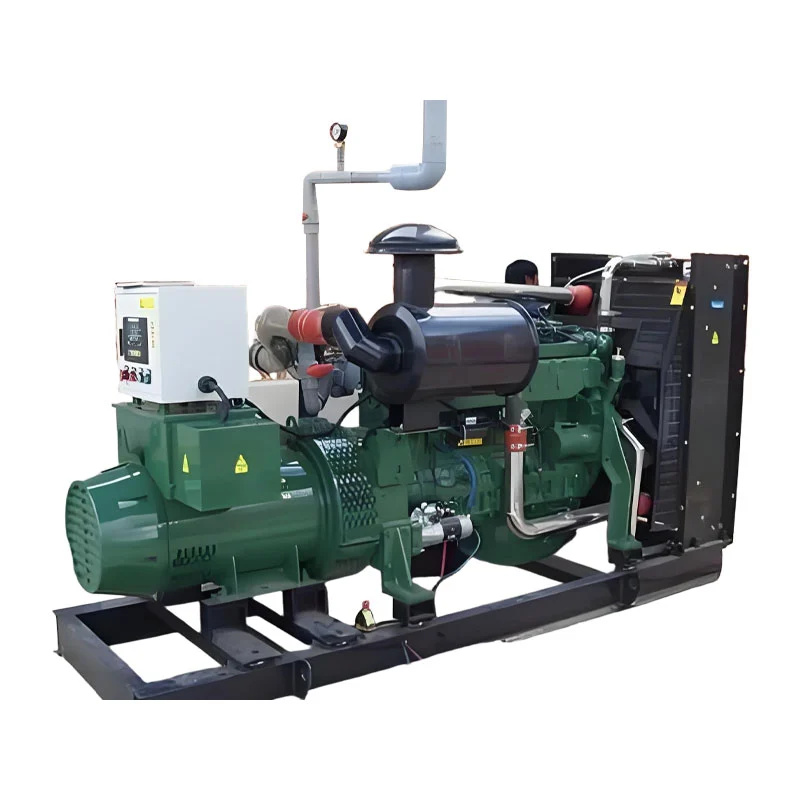
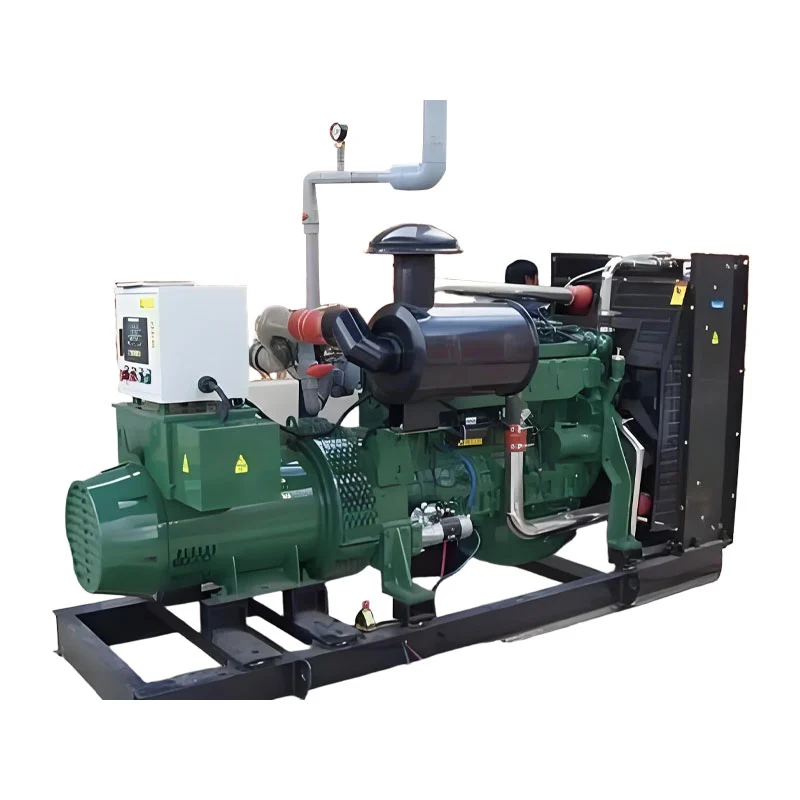
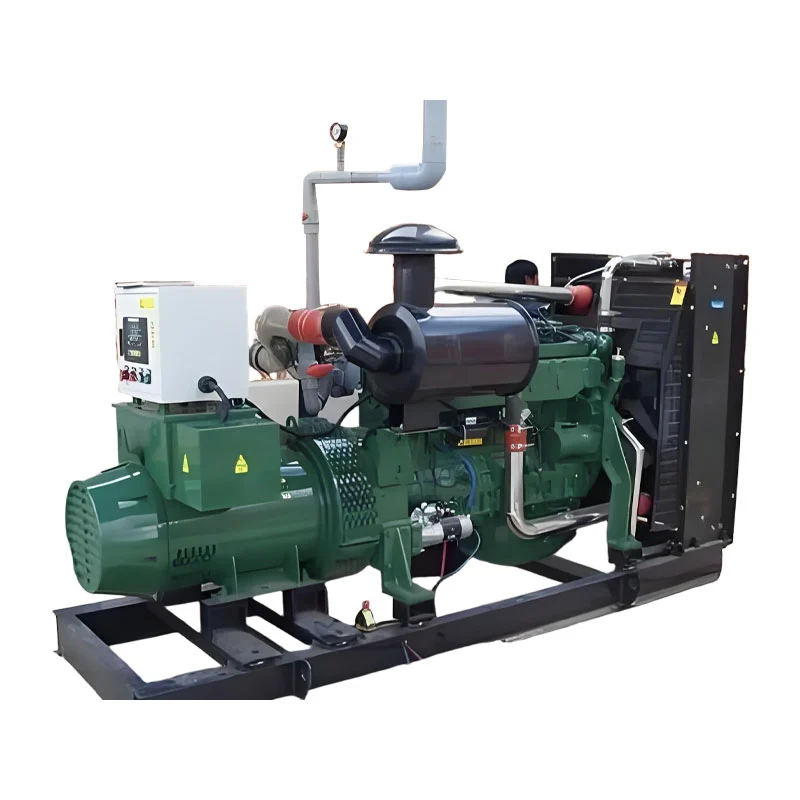
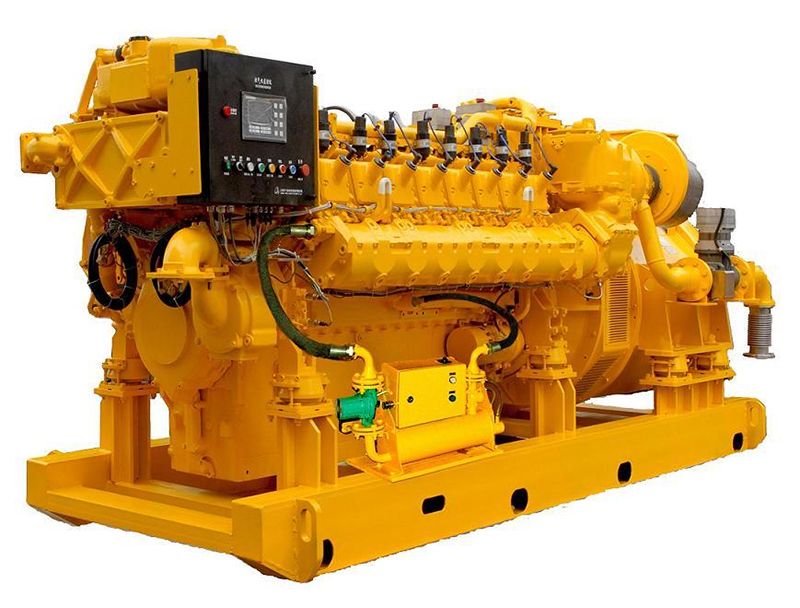
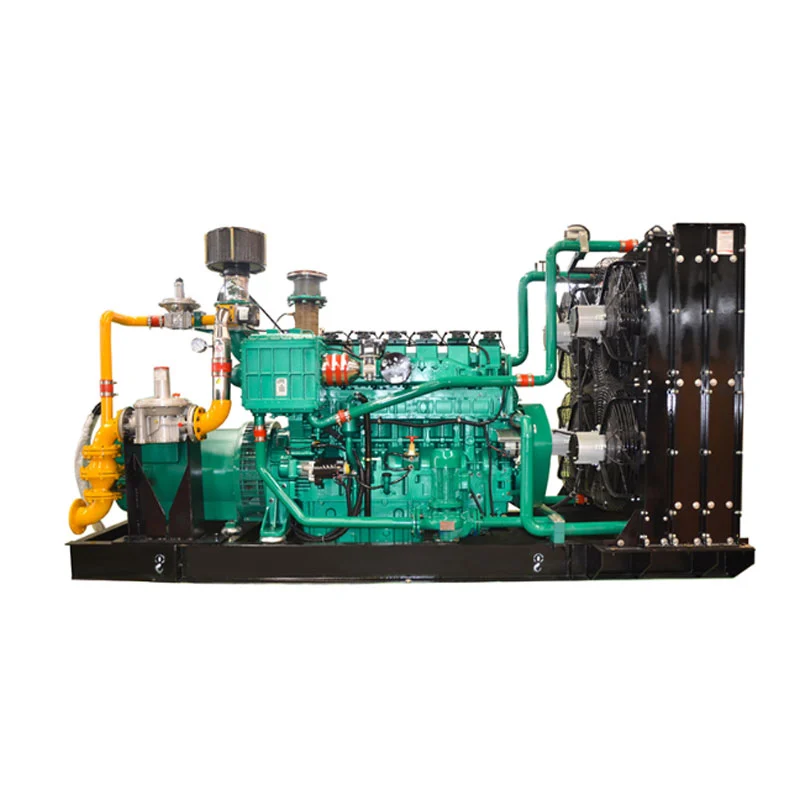
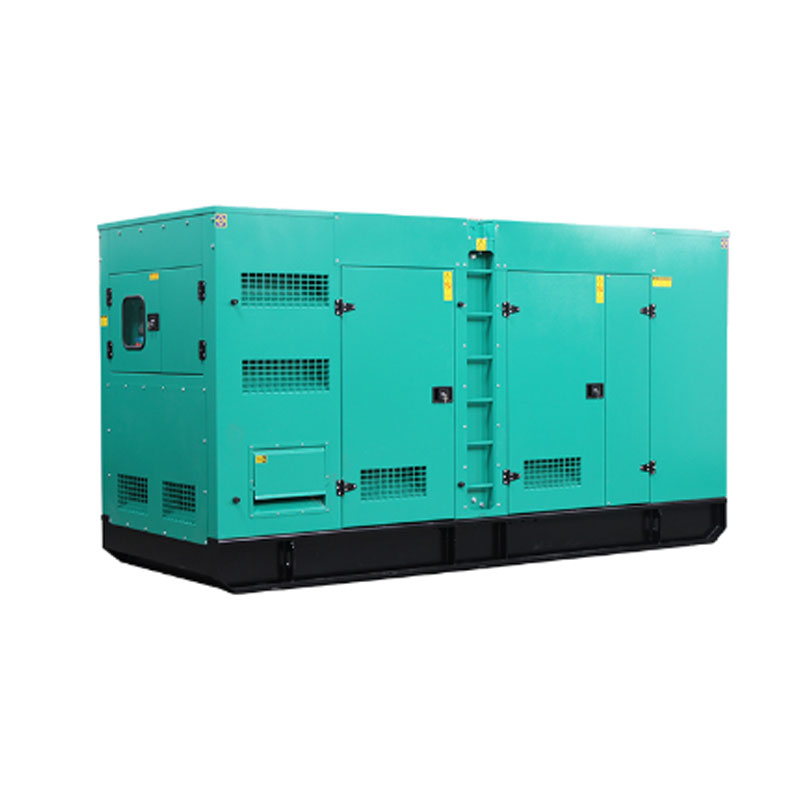
600kw Biogas Generator for Farm
  • 600kw Biogas Generator for Farm600kw Biogas Generator for Farm

600kw Biogas Generator for Farm

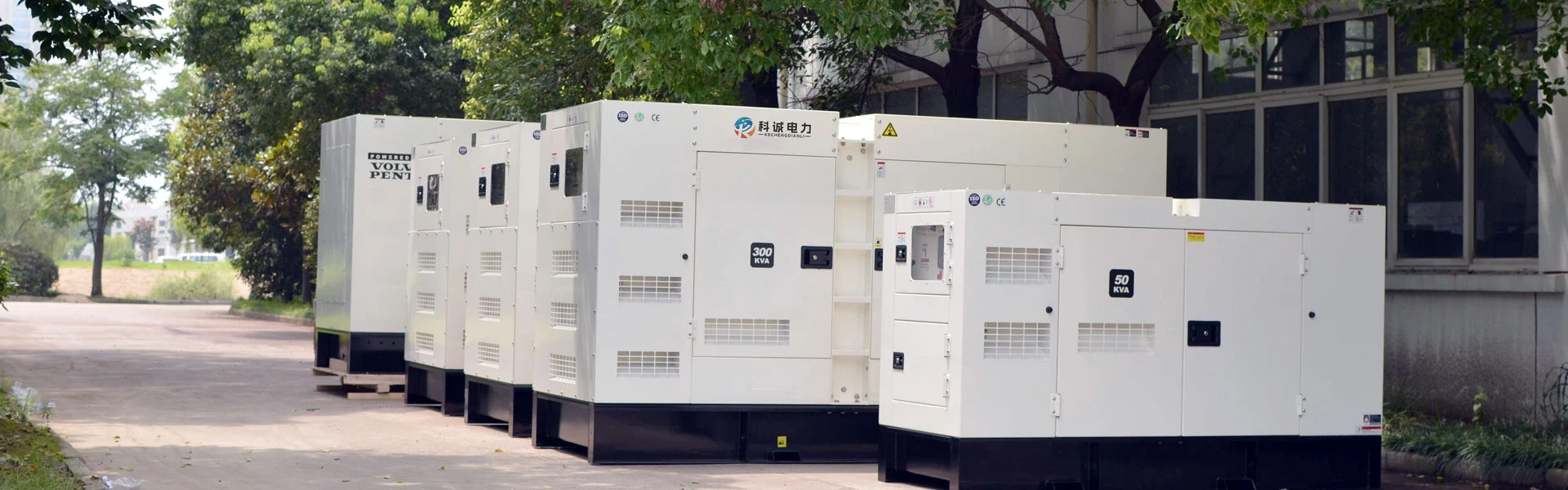
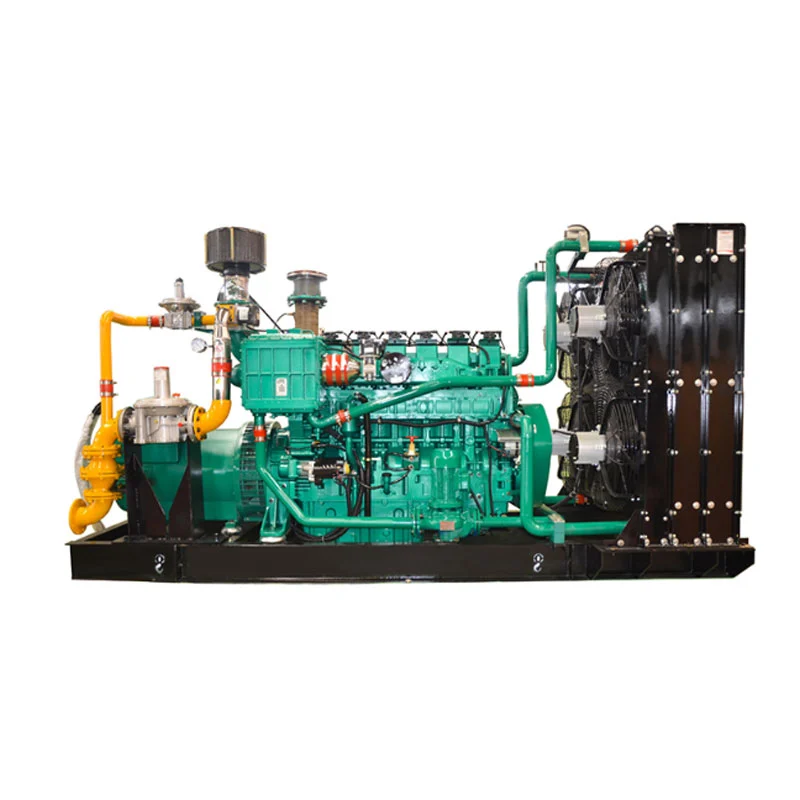
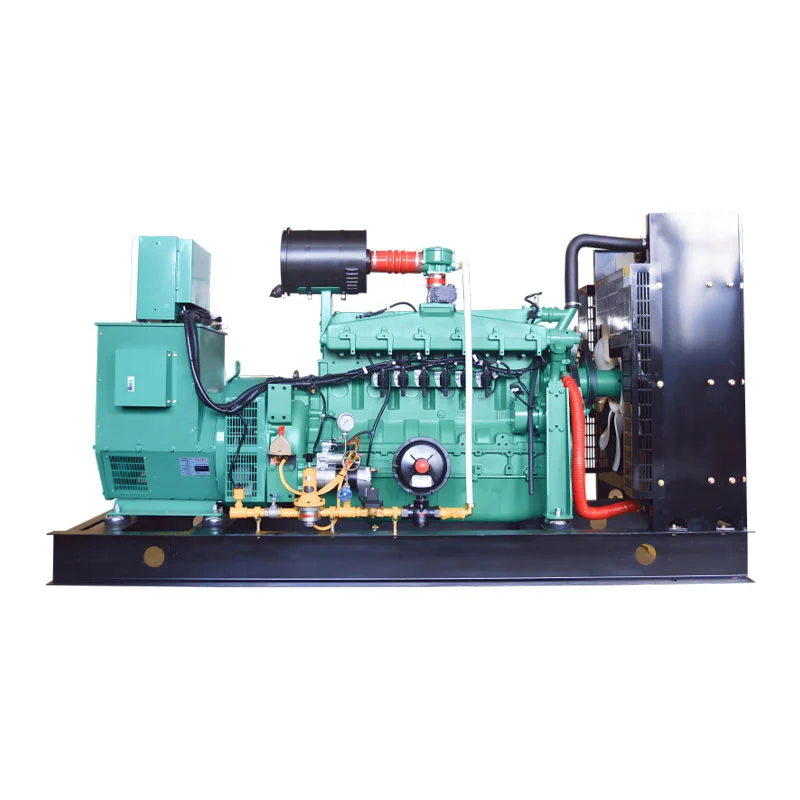
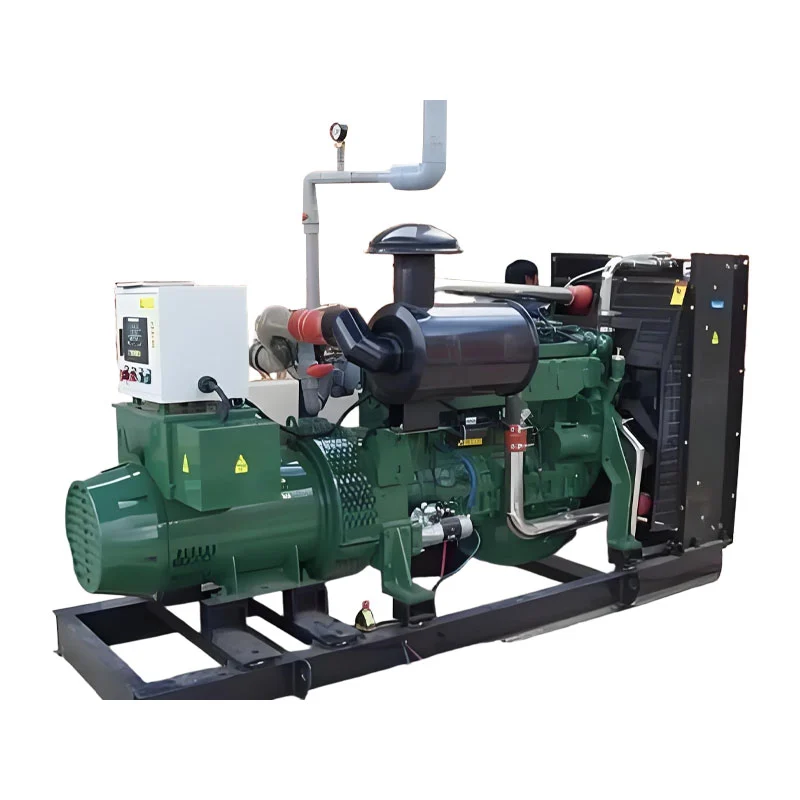
Energy costs are the second largest expense on a livestock farm after feed. The 600kW Biogas Generator for Farm from Kecheng (China) cuts that cost by turning manure into on‑site electricity and heat. No diesel deliveries. No grid price spikes. Just biogas from your existing lagoon or digester. The unit operates in dusty, ammonia‑rich barn environments with IP65 electronics and a corrosion‑resistant shell. It starts automatically during grid outages to keep ventilation running. H₂S tolerance: 800 ppm. CH₄ range: 45%–60%. Noise at 10m: 72 dB. On‑farm commissioning included.

Most farm generators sit idle except during power failures. This one runs daily because its fuel is free. Kecheng (Shandong Kecheng Electric Power Equipment Co., Ltd., China) designed the 600kW Biogas Generator for Farm for continuous use around animal housing. The engine is enclosed in an ammonia‑resistant housing with a methane slip catalyst that keeps unburned gas below 1% of input. A barn heat priority mode sends hot water first to floor loops and drinking troughs, then to the radiator. The control panel connects to existing barn controllers via dry contact – when slurry pumps run, the generator can start automatically.


Three Farm Types That Benefit Most

Farm Type

Manure Source

Typical Power Need

Key Generator Feature

Dairy farm (500+ cows)

Liquid manure from flush lanes

Milking parlor, cooling tanks, ventilation

Heat recovery for wash water (60°C)

Pig farm (2,000+ head)

Slurry from pits

Feed systems, slurry separation, lighting

Remote monitoring from office (no barn entry)

Poultry farm (50,000+ birds)

Belt-dried manure (low moisture)

Egg grading, feed mills, heating

Dry gas inlet filter for dusty manure


How the Generator Improves Farm Operations (Beyond Electricity)

1. Reduces lagoon methane emissions by 90% – Instead of open flaring or venting, captured methane is combusted in the engine. This qualifies for carbon credits under livestock‑specific methodologies (e.g., AMS‑III.D for manure management).

2. Produces odor‑controlled exhaust – The optional bio‑scrubber (attached to exhaust outlet) reduces ammonia and hydrogen sulfide in exhaust gas by >80%. Neighbors will not complain.

3. Creates a revenue stream from an environmental liability – Manure becomes a fuel. A 600kW unit on a 2,000‑pig farm generates approximately 1.2 million kWh per year – enough to power 100 rural homes or sell to grid.

4. Provides emergency backup for critical farm systems – The generator automatically starts if grid fails, powering ventilation fans and water pumps within 10 seconds. Pig and poultry houses stay safe.


Designed for Barnyard Conditions

Feature

Benefit

Sealed control panel (IP65)

Power wash barns without damaging electronics

Screw-type gas inlet filter

Removes feathers, feed dust, and bedding fibers

Low-profile skid height (1.2m)

Fits under barn overhangs and low doorways

Remote start from farm office

Operator never needs to enter generator enclosure

Automatic oil top-up system

50L reservoir extends oil change interval to 1,000 hours


 Installation on an Operating Farm – No Downtime

- Placement: Within 30m of the manure lagoon or digester. Concrete pad required (4m × 2.5m). We supply anchor bolt template.

- Gas pipe: HDPE or PVC, buried 30cm deep to prevent tractor damage.

- Cooling: Connect to existing lagoon circulation loop or install a separate 10kW radiator (included in some packages).

- Electrical: Automatic transfer switch (optional) isolates farm from grid during generator operation.


Typical installation time: 3 days with two farm staff (no outside contractor needed). We provide a step‑by‑step video series and a laminated checklist.


Farm Operator Frequently Asked Questions

Q: Will this generator disturb my animals?  

A: Noise level at 10m is 72 dB – quieter than a tractor idling. For sensitive animals (e.g., farrowing sows), a soundproof canopy reduces noise to 65 dB. Vibration is isolated by rubber mounts.

Q: What if the manure has high sand or bedding?  

A: The gas pretreatment includes a grit separator (cyclonic) that removes sand, feathers, and wood shavings before gas reaches the engine. Clean‑out once per month.

Q: How often does the desulfurizer need changing?  

A: At typical H₂S levels in farm biogas (300–600 ppm), iron‑oxide media lasts 2,500 hours. A transparent sight glass shows media color: brown = good, black = replace. Change takes 20 minutes.

Q: Can I run the generator only during peak electricity pricing hours?  

A: Yes. The PLC has a time‑of‑use schedule. Set start and stop times. The generator will auto‑start, run, and shut down – no operator on weekends.

Q: What maintenance can my farm mechanic do?  

A: All routine tasks: oil and filter changes (standard truck parts), spark plug replacement (NGK, $4 each), belt tensioning, and radiator cleaning. We supply a one‑page maintenance chart with torque values.

Q: Does the generator need a grid connection for startup?  

A: No. It includes a black‑start battery pack (12V, 200Ah). The battery is trickle‑charged by a small solar panel (included) or from the generator’s own alternator once running.


 Environmental Compliance and Carbon Credits

- Manure management methane destruction – Verified by hourly gas flow and CH₄ concentration logs. Data can be uploaded to carbon registries (Verra, Gold Standard) via API.

- Ammonia reduction – The optional bio‑scrubber converts NH₃ to harmless nitrogen and water. Reduces farm ammonia emissions by up to 40%.

- Nutrient recovery – Digestate from the biogas process is a superior fertilizer (higher N availability, reduced pathogens). The generator’s heat pasteurizes digestate to meet organic farming standards.


Annual CO₂e reduction for a 2,000‑pig farm: approximately 4,500 tons – equivalent to taking 900 cars off the road.


 Real Farm Performance Data (from operating installations)

Farm size

Average daily runtime

Annual electricity generated

Diesel displaced (est.)

500 cows

16 hours

3.5 million kWh

280,000 liters

2,000 pigs

20 hours

4.4 million kWh

350,000 liters

50,000 poultry

10 hours

2.2 million kWh

175,000 liters

Measured fuel consumption: 0.32–0.34 m³ biogas per kWh (depending on CH₄ content). Oil change interval: 500–600 hours using standard 15W‑40 farm diesel oil.


Cost Comparison: Biogas Generator vs. Diesel vs. Grid Purchase

Cost item

600kW Biogas (this unit)

Diesel generator (600kW)

Grid purchase (commercial rate)

Fuel cost per kWh

$0 (manure)

$0.30–0.40

$0.12–0.18

Maintenance per kWh

$0.008

$0.02

$0

Carbon credit income per kWh

+$0.01–0.02

$0

$0

Note: Negative cost means the generator makes money from carbon credits while producing power.

600kw Biogas Generator for Farm


Payment and Support for Farms

- Payment: 30% deposit, 70% before shipment. For cooperatives, 20% deposit + 6‑month interest‑free credit (credit check required).

- Delivery: 35–45 days FOB Qingdao. We coordinate shipping to avoid your busy calving or farrowing season.

- Warranty: 2 years or 4,000 hours. Wear items (filters, plugs, oil) covered for first 500 hours.

- Remote support: 24/7 via WhatsApp, WeChat, or phone. Average response 30 minutes. Video call for diagnostics included free.

- On‑site service: Available at $1,200 per day + travel. Most farms never need it.


600kw Biogas Generator for Farm

Hot Tags: 600kw Biogas Generator for Farm
Send Inquiry
Contact Info
For inquiries about Gas Generator, Biogas Generator, Diesel Generator or price list, please leave your email to us and we will be in touch within 24 hours.
X
We use cookies to offer you a better browsing experience, analyze site traffic and personalize content. By using this site, you agree to our use of cookies. Privacy Policy
Reject Accept