News

News

Is a Gas Generator the Right Choice for Reliable, Cleaner On-Site Power?

2025-12-17

If you’re comparing diesel vs. gas generator sets for backup power, prime power, or fuel-cost control, this guide walks through how gas generators work, where they fit best, and what to verify before you buy.

What should you know first about gas generator sets?

Article abstract: A gas generator set converts gaseous fuel into electricity by using an internal combustion engine to drive an alternator. Typical fuels include natural gas, LPG/propane, and biogas. In many stationary applications, gas generators can offer lower local emissions (notably particulate matter and sulfur-related emissions) compared with diesel systems, while also providing stable on-site power for industrial plants, commercial buildings, and mission-critical loads. This article explains the core concept of gas generators, common application sizing ranges, practical sizing steps, fuel and infrastructure considerations, emissions context, and a procurement checklist—plus a few “don’t-get-burned” traps that buyers often miss.

What outline should you follow when evaluating a gas generator?

  1. Define the mission (prime power, standby, peak shaving, CHP-ready).
  2. Confirm the fuel reality (pipeline gas, LPG storage, biogas quality, pressure stability).
  3. Size the electrical load (kW, kVA, inrush, harmonics, redundancy strategy).
  4. Check compliance (local air permits, stationary engine rules, noise limits).
  5. Engineer reliability (controls, ATS, redundancy, serviceability, spare parts).
  6. Validate total cost (fuel, maintenance, runtime hours, downtime cost, warranty).

If you do these in order, you avoid the classic mistake: choosing a generator first and discovering later that your fuel or permitting doesn’t support it.

What is a gas generator and how does it work?

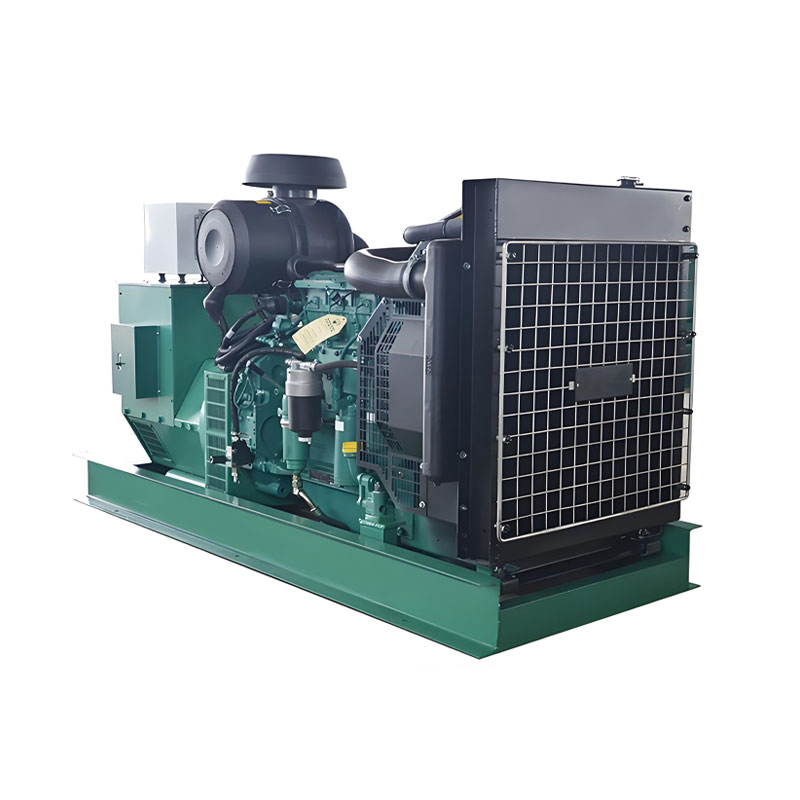
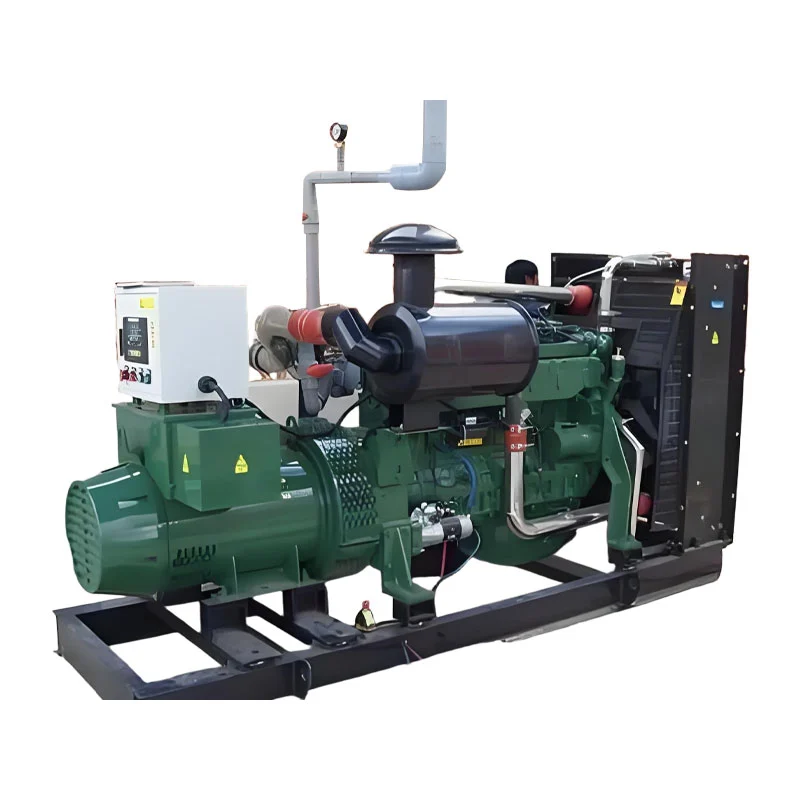
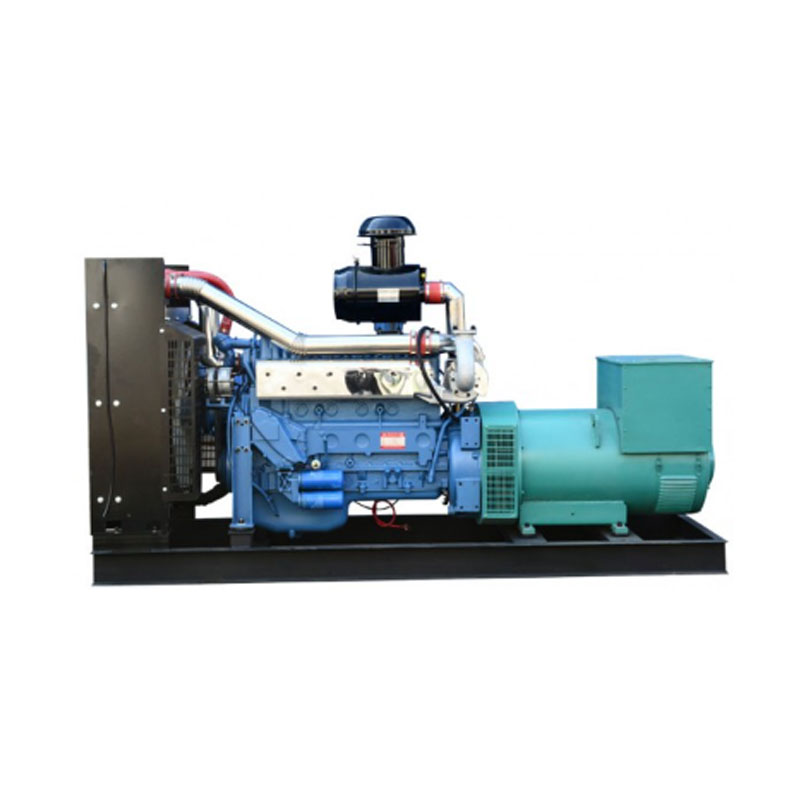
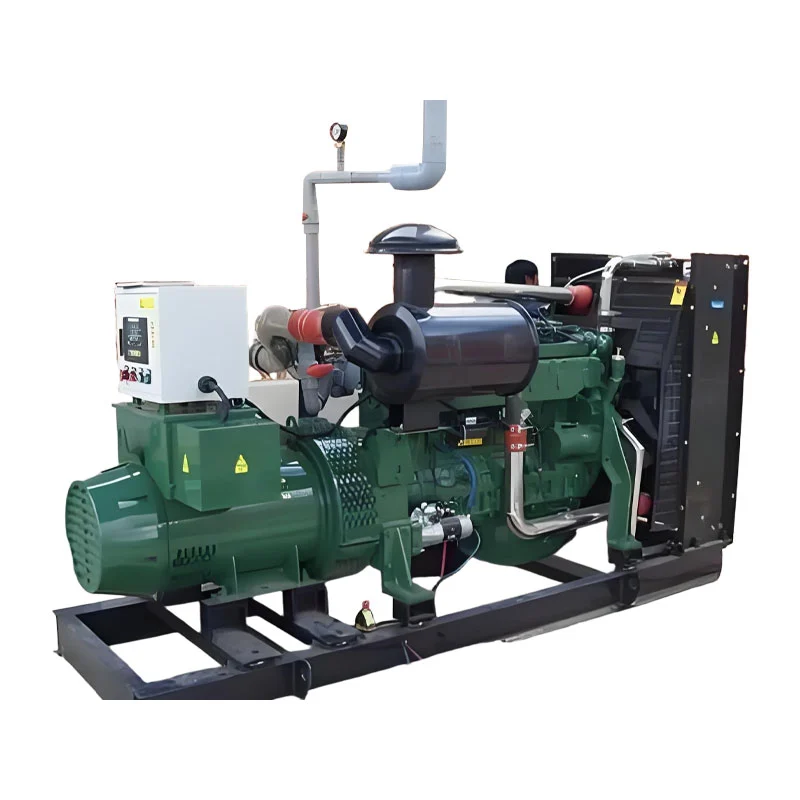
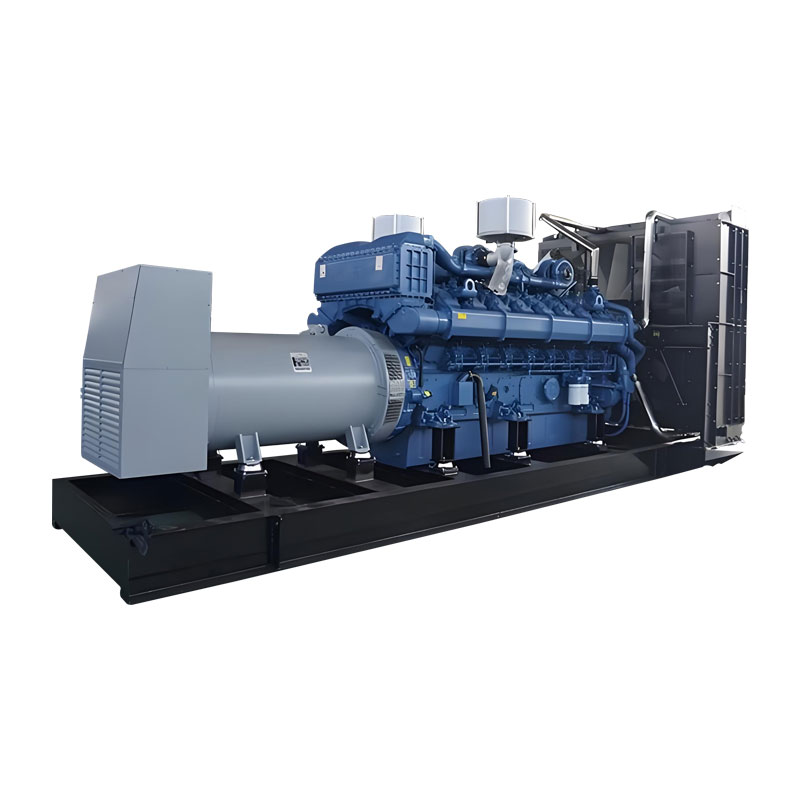
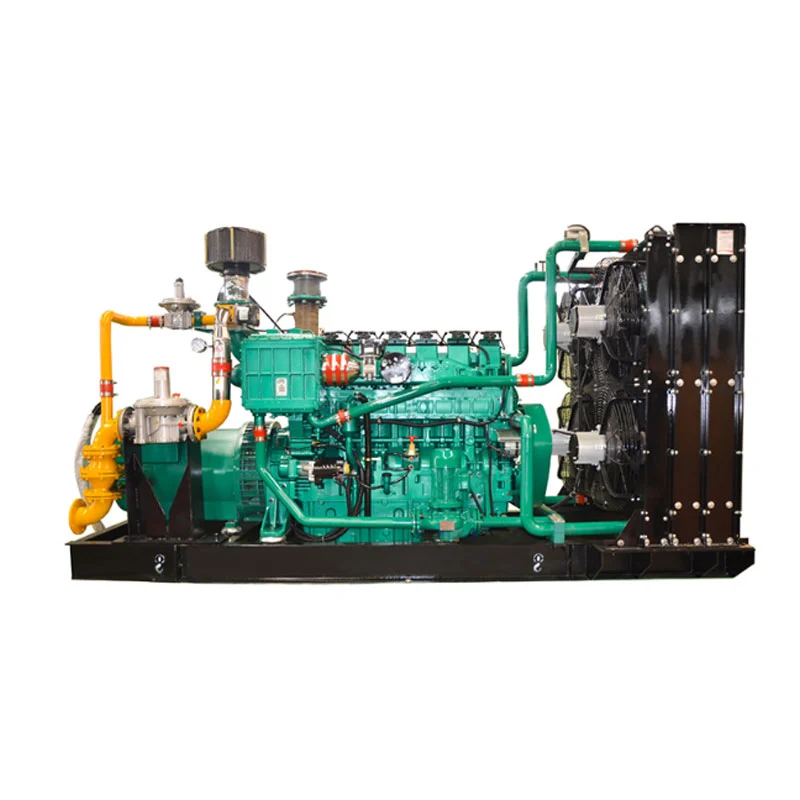
Gas Generator

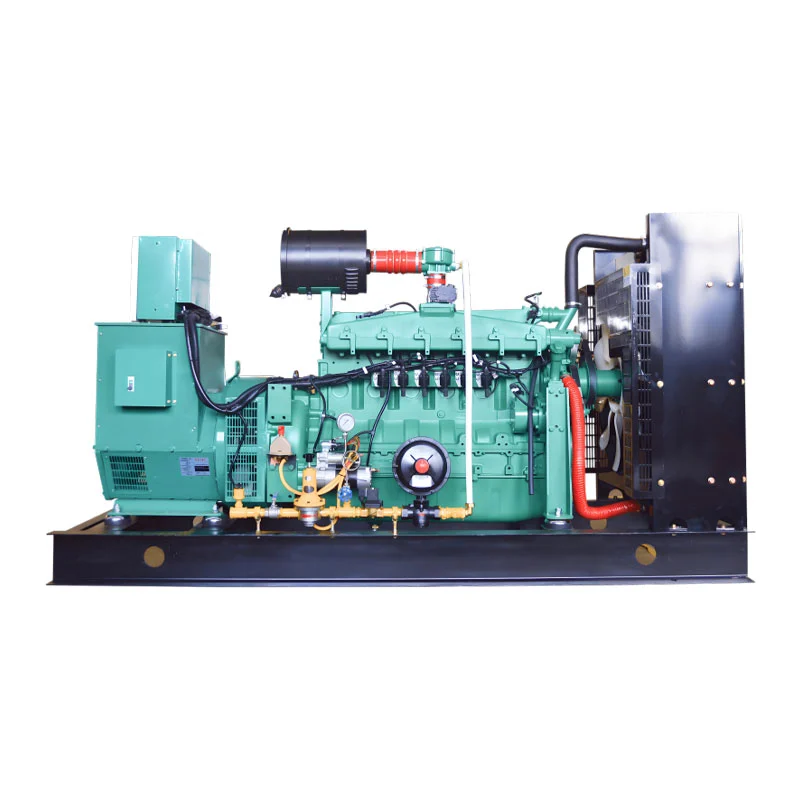
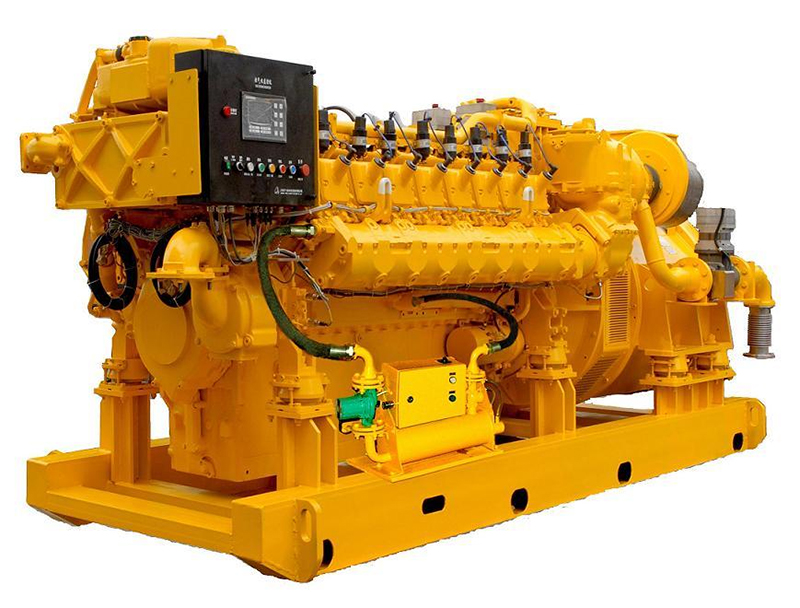
At its simplest, a gas generator uses a gaseous fuel to run an internal combustion engine, which then drives an alternator to produce electricity. Many buyers start here, but you should also ask: what kind of gas and what kind of duty cycle?

For example, Kecheng’s product page defines a gas generator as a unit that uses clean gases such as natural gas, LPG, and biogas as fuel and generates electricity by using an internal combustion engine to drive a generator. That’s the correct high-level model, but project success depends on details like fuel pressure, methane content (for biogas), and how quickly the generator must accept load.

Quick reality check: If you expect frequent starts, fast load acceptance, or long operating hours, your control strategy, cooling design, and maintenance plan matter as much as nameplate kW.

Where do gas generator sets fit best in real projects?

Gas generator sets are commonly used for both standby power and continuous/prime power when fuel supply is stable and operating costs matter. A practical way to understand “fit” is to look at typical industries and recommended power ranges.

Kecheng provides a useful industry-based snapshot: manufacturing sites often deploy gas generators as main or backup supply in roughly the 200 kW to 3 MW range; commercial real estate backup often falls around 100 kW to 800 kW; data centers commonly start at 500 kW and scale above 2 MW; agriculture/environmental projects using waste-to-energy biogas may run 50 kW to 500 kW; and oil & gas fields may use associated gas with customized solutions [1].

Scenario What matters most? Why gas generators can be attractive
Factories and industrial parks Fuel cost, runtime hours, maintenance rhythm Potentially lower fuel cost and stable long-hour operation when gas supply is reliable
Commercial buildings Emergency readiness, low noise options, permitting Cleaner combustion characteristics can help in urban/regulated areas
Data centers Uptime, redundancy, fast response, monitoring Scalable MW-class sets with sophisticated controls and service plans
Biogas / waste-to-energy Gas quality, contaminants, conditioning Turns “waste gas” into usable power when properly treated

If you want an example product category, you can see a manufacturer overview and application scenarios on Kecheng’s gas generator page (anchor link to the official product explanation).

Which fuel is better for you: natural gas, LPG, or biogas?

Gas generators are not “one fuel.” Your best choice depends on local infrastructure, cost volatility, and quality control.

Is pipeline natural gas the simplest option?

Often yes—pipeline supply can reduce logistics risk compared with diesel deliveries. But verify pressure stability, utility curtailment rules, and whether your site needs additional regulators or boosters.

Is LPG or propane better when you lack a gas pipeline?

If you don’t have pipeline natural gas, LPG systems can still make gas generation feasible. Kecheng’s FAQ notes that buyers may choose an LPG gas supply system or biogas recovery device when a natural gas pipeline is unavailable. In practice, LPG adds storage and safety planning, but it gives you independence from the pipeline network.

Can biogas really work, or is it a maintenance nightmare?

Biogas works when you treat it seriously. Contaminants (like moisture or sulfur compounds) can damage engines if gas conditioning is poor. If your project is waste-to-energy, plan for gas treatment and ongoing monitoring—not just a generator purchase.

If you care about “clean energy” messaging, remember that upstream methane leakage is a real climate variable. The IEA tracks methane emissions in the energy sector and provides detailed context on why methane control matters for real-world emissions outcomes.

How do you size a gas generator without overspending?

Oversizing is one of the most expensive mistakes in generator procurement. A right-sized system runs efficiently, starts reliably, and avoids chronic low-load problems.

Practical sizing steps:

  1. List loads (critical vs. non-critical) and identify starting currents (motors, chillers, pumps).
  2. Convert demand into kW and kVA requirements (don’t ignore power factor).
  3. Check transient needs: how much step load must the generator accept without unacceptable voltage/frequency dip?
  4. Decide redundancy (N, N+1, or parallel sets) based on downtime cost.
  5. Validate with site constraints (gas pressure/flow, ventilation, noise, footprint).

Rule of thumb that saves pain: size for your real peak critical demand plus realistic growth, then validate starting and harmonics. Don’t buy “extra MW” as emotional insurance—buy redundancy and serviceability if uptime is the mission.

What about emissions, compliance, and “cleaner power” claims?

“Cleaner than diesel” can be true in important ways, but the responsible approach is to speak precisely: which pollutant, under what standard, at what load, and with what aftertreatment?

On the regulatory side, the U.S. EPA provides resources on controlling air pollution from stationary engines, including compliance pathways and tools. For technical emissions factors and pollutant categories, EPA’s AP-42 content also supports quantification work (useful for permitting and engineering calculations). For natural-gas-fired reciprocating engines specifically, EPA documentation highlights common criteria pollutants such as NOx, CO, and VOCs, and notes how engine design (e.g., lean-burn vs. rich-burn) affects emissions outcomes.

If you’re writing an SEO page or preparing a tender response, you can make stronger, safer claims by using language like:

  • “Lower particulate and sulfur-related emissions compared with many diesel configurations, depending on engine tier and aftertreatment.”
  • “Emissions compliance depends on local regulations, engine type, catalyst/aftertreatment, and operating profile.”
  • “Climate impact also depends on methane management across the gas supply chain.” 

Want a buyer-friendly external reference? Generac publishes an industry discussion of environmental and regulatory advantages often associated with natural gas generators (useful for top-of-funnel education, not as a substitute for local permitting).

How do you design for reliability and uptime?

Reliability is rarely about a single component—it’s about the system: fuel, controls, cooling, monitoring, and maintenance execution.

Should you use a single large unit or parallel multiple units?

One large unit can be simpler, but parallel systems can improve uptime and efficiency across variable loads. If your site load swings a lot (or your downtime cost is brutal), parallel sets can let you run fewer units at better load while retaining redundancy.

What controls and switching equipment should you insist on?

  • ATS with appropriate transfer timing and safety interlocks
  • Remote monitoring (fuel pressure, alarms, runtime, maintenance counters)
  • Load management for staged starts and peak shaving
  • Protection (over/under voltage, frequency, overload, earth fault)

What maintenance habits prevent 80% of failures?

  • Exercise runs under load (not just idle testing)
  • Fuel supply checks (pressure regulation, filtration, leak detection)
  • Cooling system inspections (hoses, coolant quality, radiator cleanliness)
  • Ignition and sensor health checks on schedule

What should your procurement checklist include?

  • Operating mode: standby vs. prime vs. continuous, expected annual hours
  • Fuel spec: gas type, pressure range, methane content for biogas, contaminant limits
  • Electrical spec: voltage, frequency, kW/kVA, power factor, step-load performance
  • Integration: ATS, paralleling (if needed), SCADA/BMS monitoring interface
  • Compliance: emissions and noise requirements; permitting responsibilities
  • Configuration: open type vs. silent enclosure, containerized option, weatherproofing
  • Service: warranty terms, spares list, response time, commissioning support
  • Commercials: lead time, FAT/SAT, documentation pack, training

If you need a reference page to point buyers toward application examples and typical power ranges, you can use this anchor text: gas generator application scenarios and recommended power ranges.

Which questions do buyers ask most often?

Gas Generator

Are gas generators more expensive than diesel generators?

Upfront purchase price can be higher in some configurations, but total cost depends on fuel pricing, runtime hours, and maintenance. Kecheng’s FAQ suggests that the price gap may be recovered via fuel and maintenance savings (their example references a 500 kW unit and a payback narrative). Treat any payback estimate as project-specific—verify with your local fuel prices and duty cycle.

Can you run a gas generator without a natural gas pipeline?

Yes, depending on your setup. LPG storage and supply systems are common alternatives, and biogas recovery is viable for waste-to-energy sites, as noted in Kecheng’s FAQ.

Is “cleaner” always better?

Cleaner local emissions can be a big advantage, but you still need to address permitting, catalyst strategy, and methane management upstream. If sustainability claims matter, align your language with measurable facts and cite reputable sources.

Back to top


Disclosure: Always confirm local permitting and code requirements (emissions, noise, fire safety, and gas storage rules) with your local authority and engineering team before procurement.

Want this rewritten for your brand voice? I can adapt this same structure into a product landing page, a distributor-ready brochure, or an SEO cluster (Gas Generator / Natural Gas Generator / LPG Generator / Biogas Generator) with internal links and unique FAQs.

Related News
X
We use cookies to offer you a better browsing experience, analyze site traffic and personalize content. By using this site, you agree to our use of cookies. Privacy Policy
Reject Accept