News

News

Why Should a Biogas Generator be the next upgrade for your plant?

2025-11-26

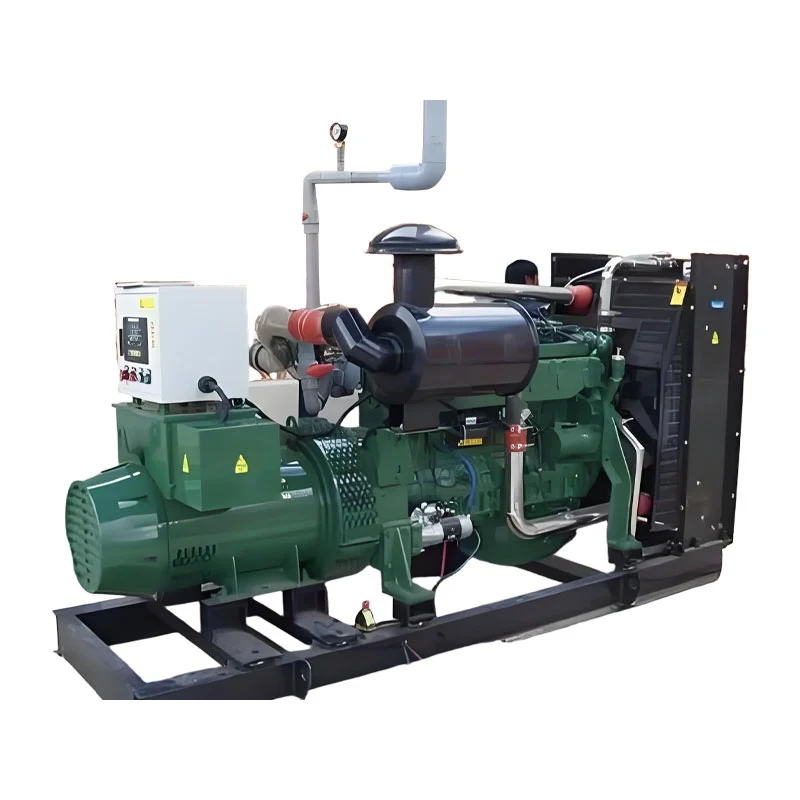
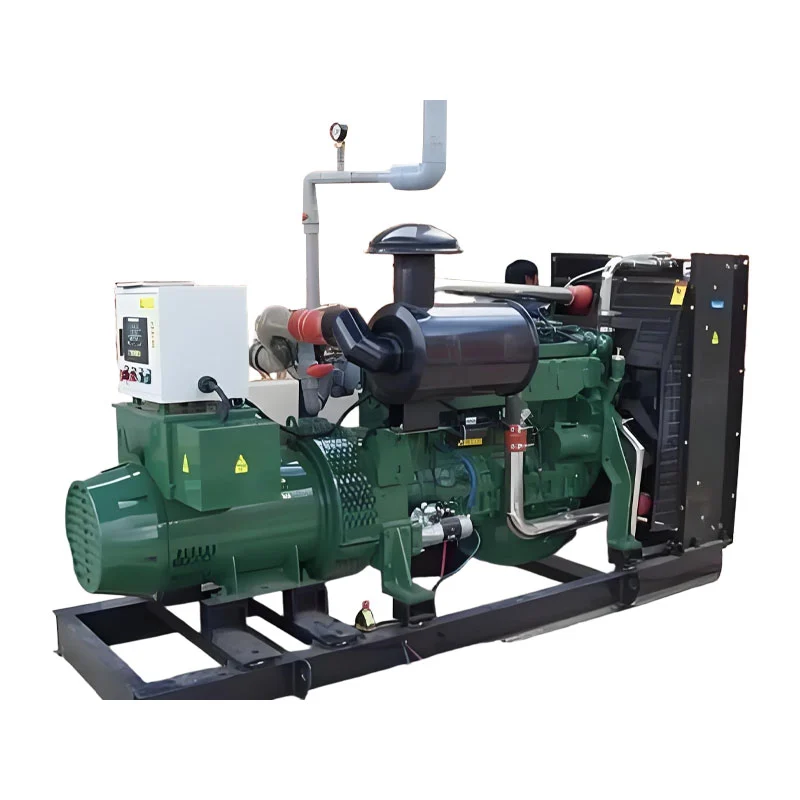
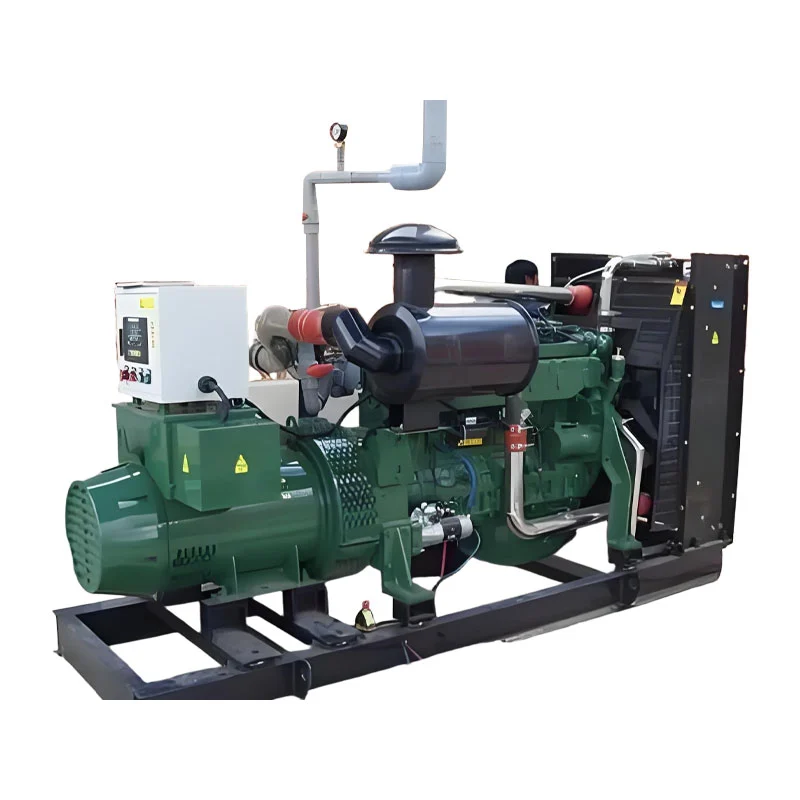
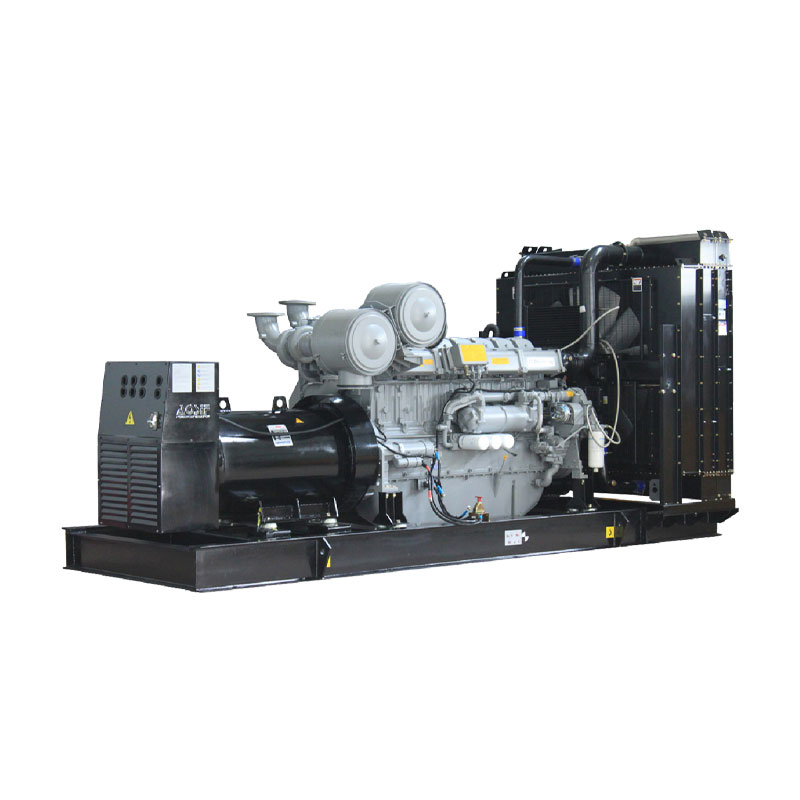
I have spent years turning waste streams into steady electricity and heat, and I keep coming back to one simple truth that operations teams love to hear efficiency grows where data and engineering meet. In recent rollouts I have worked alongside Kecheng on packaged systems and the practical choices they made around gas cleaning and controls helped my sites start fast and stay online. If you have ever wrestled with rising energy bills or flare permits you already know why a well specified Biogas Generator changes the math. I will walk through the decisions that matter so you can judge whether a Biogas Generator suits your capacity targets and payback window.

Biogas Generator

How does a Biogas Generator turn everyday waste into bankable energy?

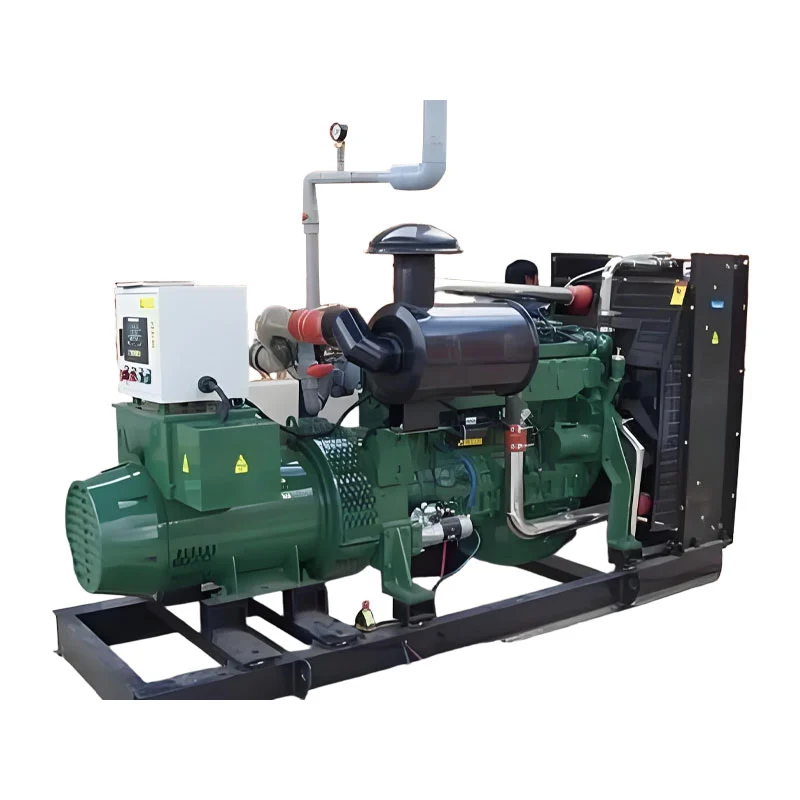
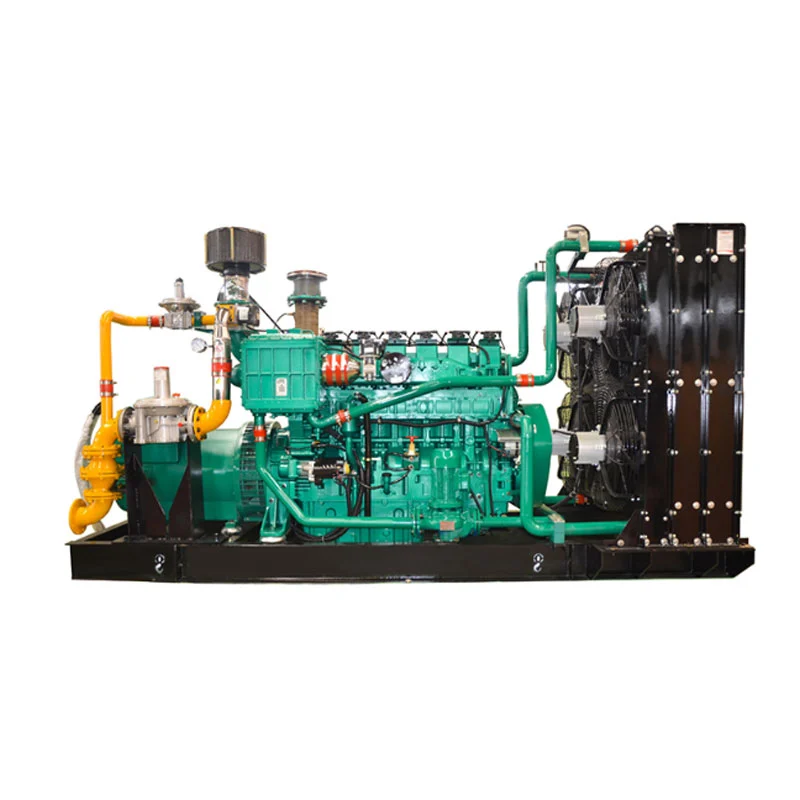
A modern Biogas Generator pairs an anaerobic digester with a gas cleanup skid and a lean burn engine or microturbine. Biogas typically holds 55 to 65 percent methane with the balance mostly carbon dioxide. After H2S and moisture removal the generator converts that fuel into electricity and usable heat through combined heat and power. Electrical efficiency commonly lands in the mid thirties and total energy efficiency with heat recovery can reach eighty percent or more when the thermal loop is well used. In practice this means food waste or manure becomes kilowatt hours for your plant and hot water for your process or space heating.

  • Feedstocks include dairy manure food waste sewage sludge and source separated organics
  • Cleanup usually removes hydrogen sulfide moisture particulates and siloxanes to protect the engine
  • Controls balance gas flow power output and thermal demand to maintain stable operation

What costs actually matter over five to ten years?

Capex gets attention at kickoff but lifetime value comes from predictable output and low downtime. When I evaluate a Biogas Generator I model the total cost of ownership and focus on engine efficiency overhaul intervals spare parts pricing and service access. Routine maintenance such as oil changes and filter swaps typically follows a five hundred to one thousand hour cadence while major overhauls cluster around thirty to fifty thousand operating hours depending on the engine class and gas quality. A realistic budget avoids surprises and keeps the net present value positive.

Cost driver Rule of thumb What I verify Impact on ROI
Electrical efficiency Thirty three to forty two percent typical Factory test curve at expected methane content Higher efficiency shortens payback by raising kWh revenue
Overhaul interval Thirty to fifty thousand hours Contracted pricing and parts availability Longer intervals and fixed pricing stabilize cash flow
Gas cleanup media H2S and siloxane loading drives changeouts Incoming gas data logging and sampling plan Lower media spend and cleaner gas extend engine life
Heat utilization Fifty to ninety percent capture possible Real thermal sink temperature and hours More heat used turns waste heat into value

Which feedstocks suit your site and what outputs can you expect?

Output scales with volatile solids and methane yield. I always start with a mass balance then size the Biogas Generator to the stable base load and allow a little headroom for peaks. The table helps frame expectations for common feedstocks under steady digester conditions.

Feedstock Typical biogas per wet ton Electricity from biogas per ton Notes on pretreatment
Dairy manure Twenty to thirty cubic meters Forty to sixty kWh assuming thirty five percent electrical efficiency Sand removal and fiber management improve uptime
Food waste One hundred to two hundred cubic meters Two hundred ten to four hundred twenty kWh at similar efficiency De-packaging and contamination control protect the digester
Sewage sludge Sixty to one hundred cubic meters One hundred twenty to two hundred ten kWh Co-digestion with organics can lift gas yield

How do I size a system without overspending?

I size the prime mover for the base gas flow rather than the absolute peak so the engine runs close to its sweet spot most days. A right sized Biogas Generator avoids frequent turndown and keeps efficiency high. Extra gas can feed a small storage buffer a boiler or a flare when rare spikes appear. If growth is likely I plan a modular path with space and interconnects for a second unit so expansion stays simple.

  1. Log gas production for at least four to six weeks or model it with conservative assumptions
  2. Use the five to ten percentile low flow as the continuous rating target
  3. Match heat recovery to a real thermal sink such as digester heating process water or district heating

Why do reliability and maintenance discipline decide real world results?

The most successful sites I operate schedule and track maintenance before alarms appear. They keep spare igniters gaskets and sensors on hand and they document every oil sample and filter change. Engines last longer on clean dry gas so I monitor H2S moisture and siloxanes with a simple sampling routine. With that approach a Biogas Generator runs like a utility asset rather than a pilot project.

  • Set clear service intervals and stick to them
  • Train staff on starting stopping and fault recovery
  • Trend efficiency and heat recovery to catch drift early

Could incentives and markets improve the business case for your project?

Several regions recognize renewable electricity renewable gas and carbon reduction. Power purchase agreements feed in tariffs renewable gas credits and landfill diversion goals can stack value. I review interconnection timelines and metering rules first because those dates drive cash flow. When available I also evaluate digestate revenue from fiber bedding or soil products. These adders often push a Biogas Generator over the investment hurdle by bringing new income streams to the table.

What should I look for when comparing suppliers and models?

  • Documented performance at your methane range and altitude
  • Local parts inventory and trained technicians within reasonable travel time
  • Open data access for SCADA and utility grade metering
  • Clear warranty terms for both the engine and the gas cleanup skid
  • References with similar feedstocks and climates running a Biogas Generator for multiple years

Where does Kecheng fit into a practical rollout plan?

When I scope a new line I want modular skids quick hookups and a controls package that plays nicely with existing plant systems. That is where the packaged design philosophy I have seen from Kecheng helps the schedule. Skids ship with the right sensors and interlocks so commissioning moves quickly and the site team gains confidence early. With the basics handled the project team can focus on training and optimization while the Biogas Generator settles into steady duty.

When should I move from feasibility to purchase?

Move forward when you have a verified feedstock plan a thermal sink identified and a service partner lined up. If those three boxes are checked the risk profile is favorable and the energy savings begin soon after startup. In that window a well chosen Biogas Generator becomes the backbone of your on site energy strategy and a visible proof of your waste reduction goals.

Would you like a tailored assessment for your facility?

If you want a quick desktop model or a deeper site audit I can map your feedstocks and thermal loads to the right capacity and layout. Share your operating hours and desired payback and I will outline a clear path from study to commissioning with a focus on reliable output from a Biogas Generator. To start the conversation please contact us through the form and tell me about your waste streams and targets. I will reply with a practical plan that fits your budget and timeline

Related News
X
We use cookies to offer you a better browsing experience, analyze site traffic and personalize content. By using this site, you agree to our use of cookies. Privacy Policy
Reject Accept