News

News

Which Diesel Generator Setup Actually Lowers My Costs In The First Year?

2025-12-12

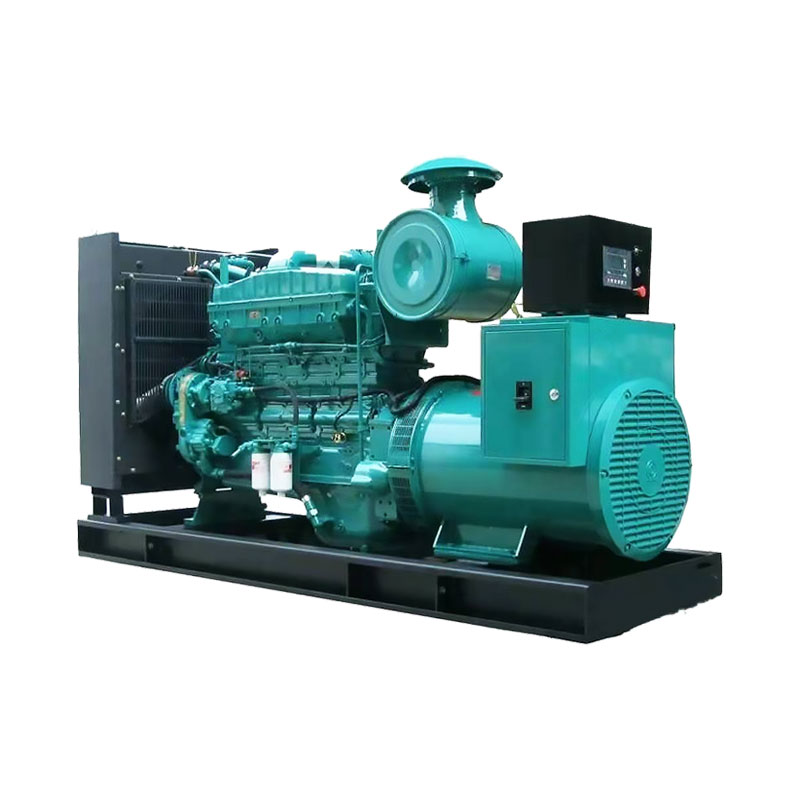
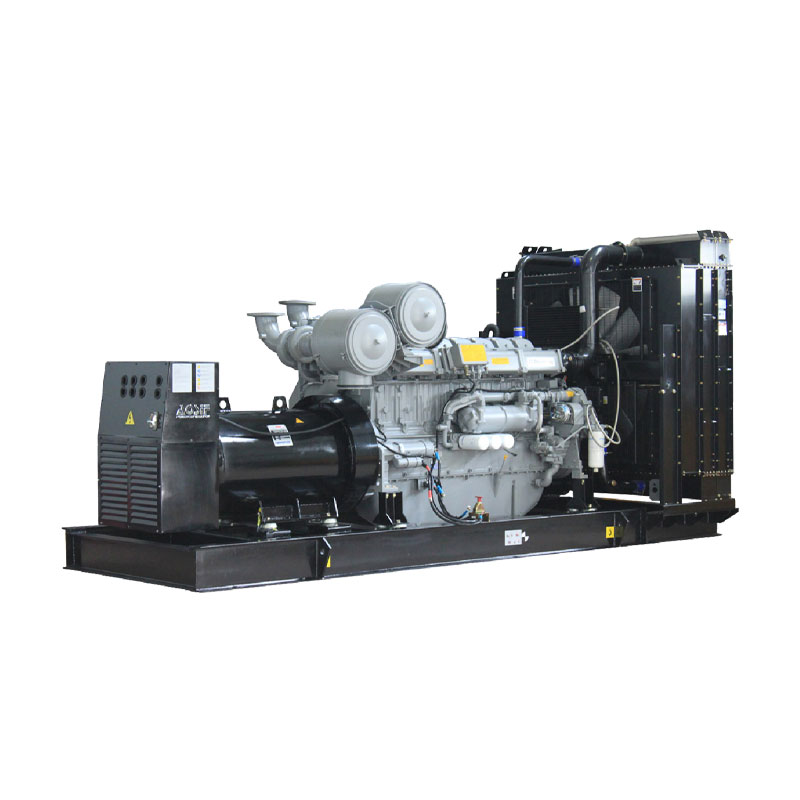
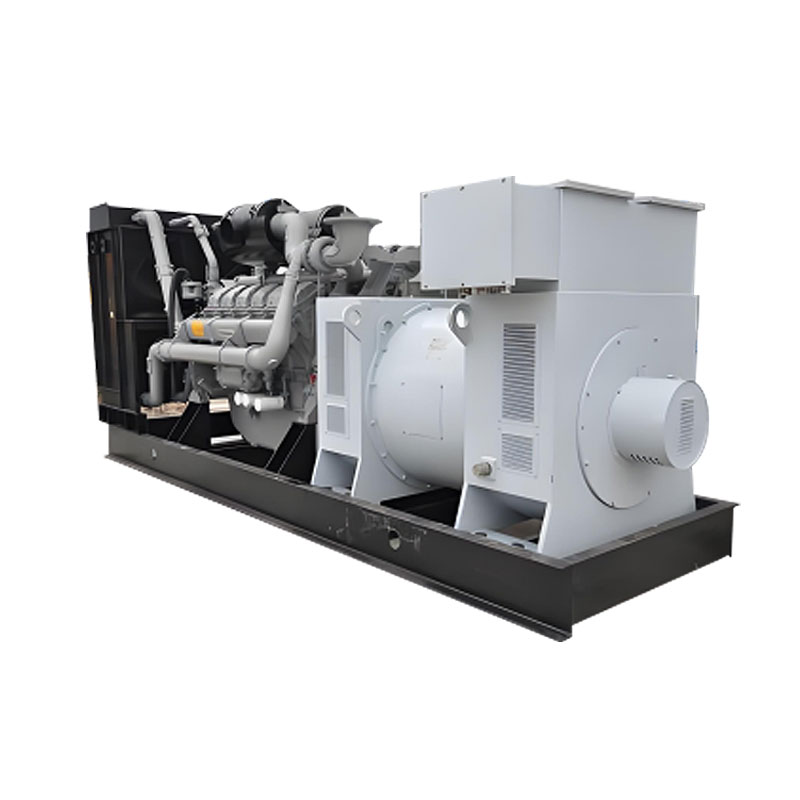
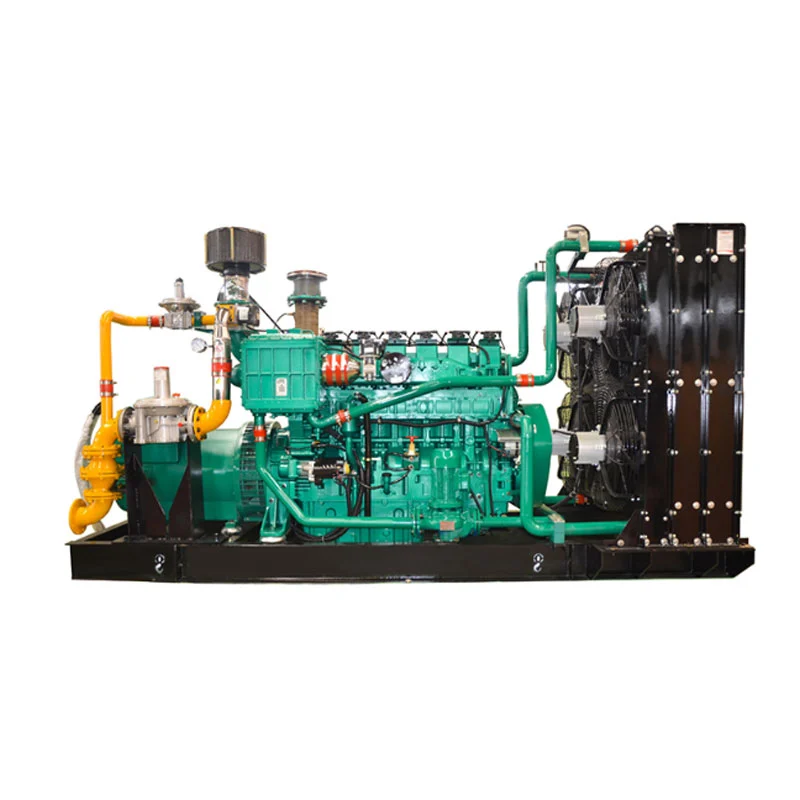
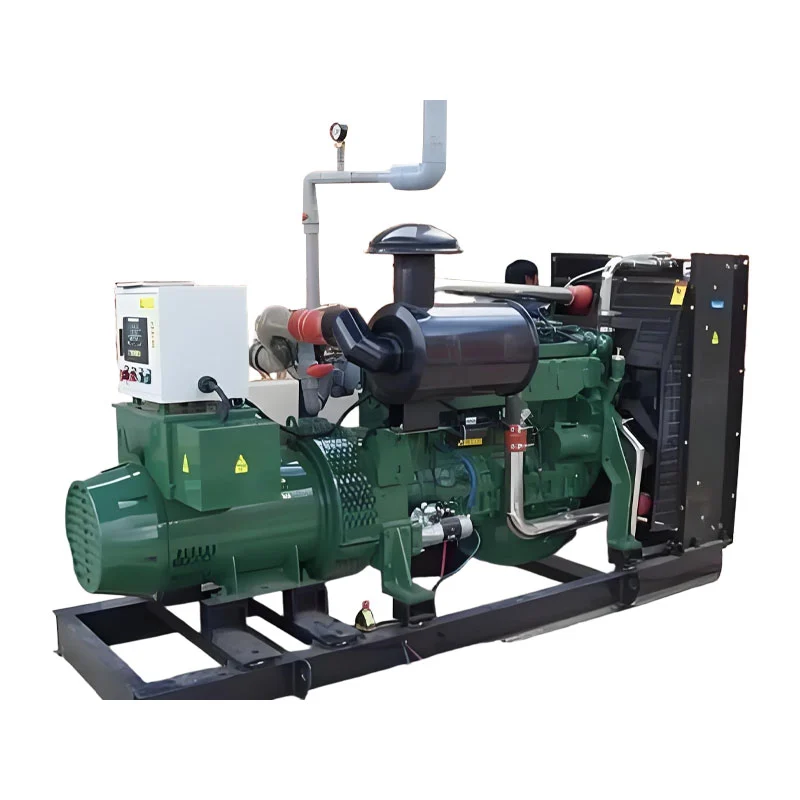
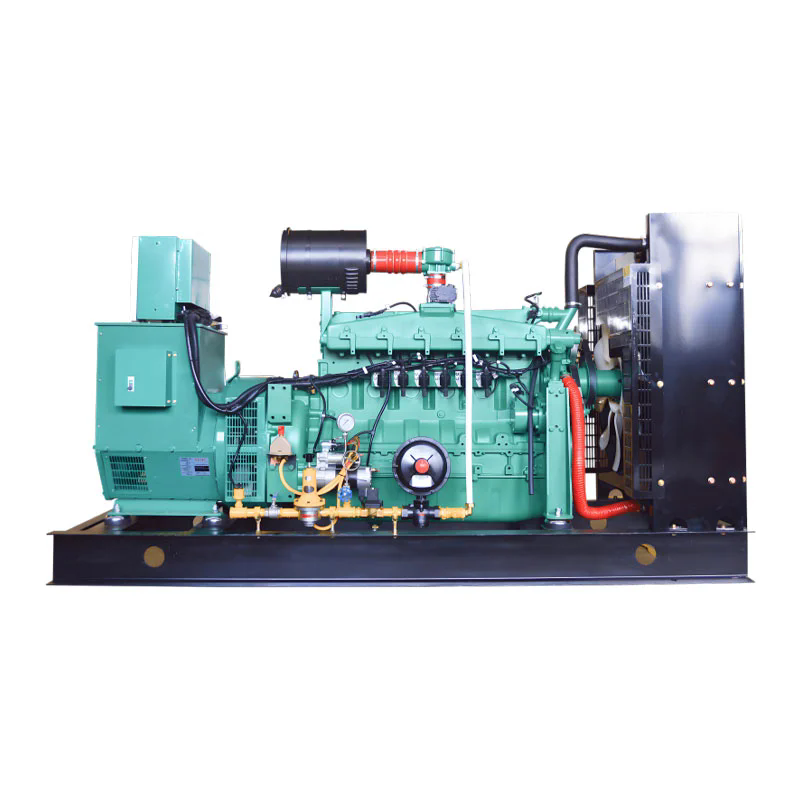
I’ve spent the last few years guiding factories, farms, data rooms, and hospitality sites through power-outage chaos. The pattern is always the same: people don’t just want a machine, they want predictable uptime and a clean balance sheet. That’s why I started paying close attention to how Kecheng designs, tests, and supports each Diesel Generator package in the field. When I spec a system today, I look beyond the nameplate kW and map the loads, the switchgear behavior, the site acoustics, and the lifetime fuel curve. Only then do I recommend a configuration that actually saves money—without gambling with critical loads. To make this useful, I’ll unpack my checklist the way I use it on live projects, so you can move from guesswork to confident action.

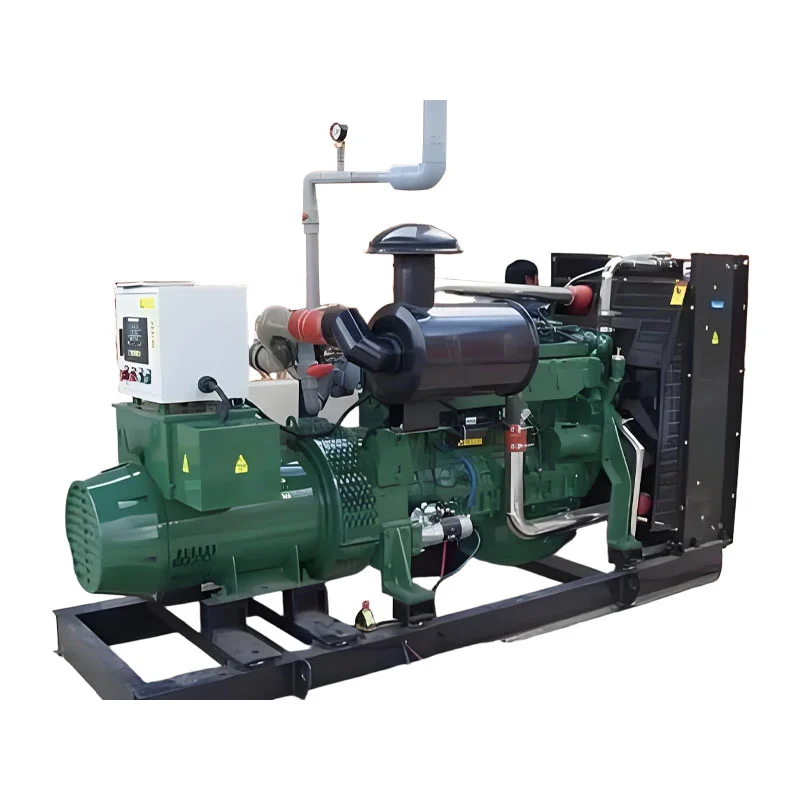
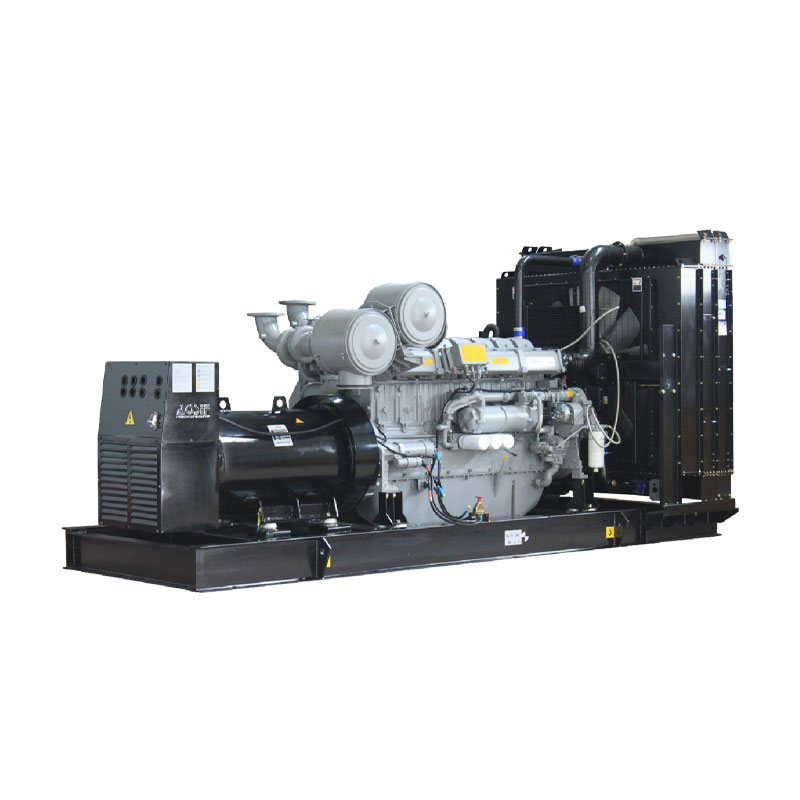
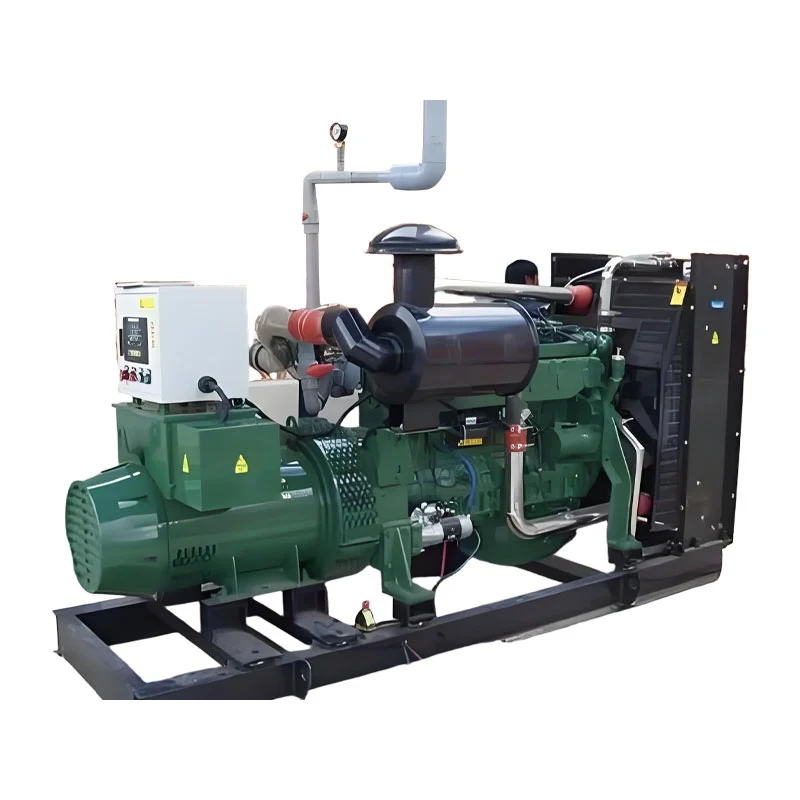
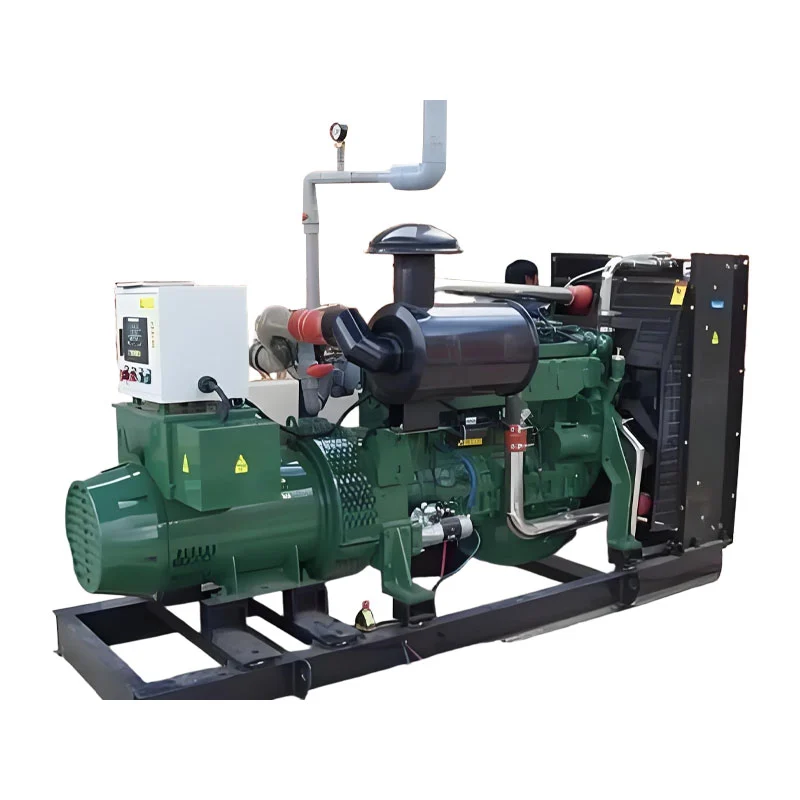
Diesel Generator


Contents


Where does a modern diesel set still win in the real world?

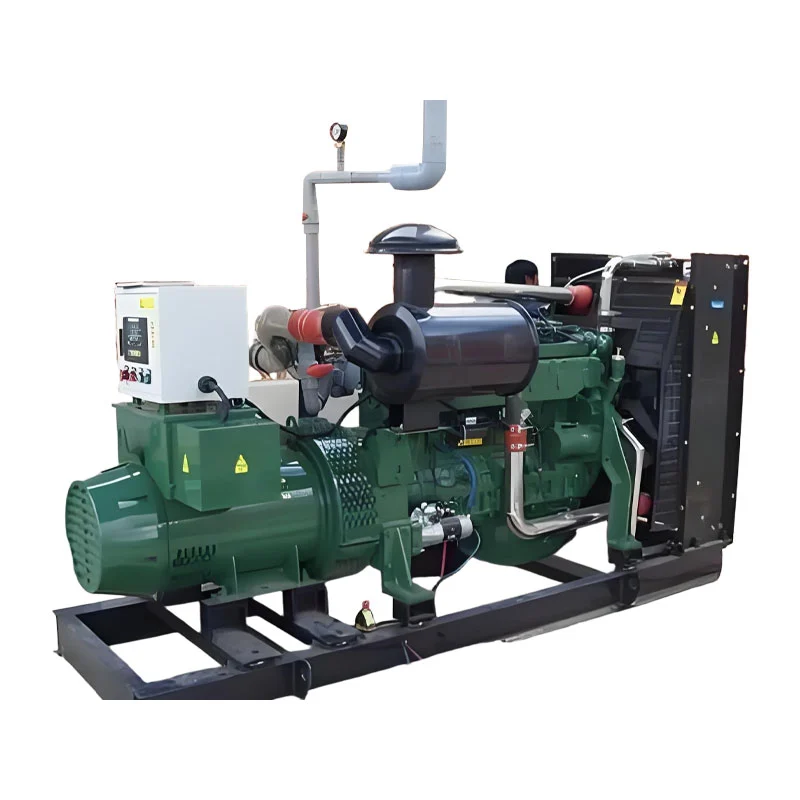
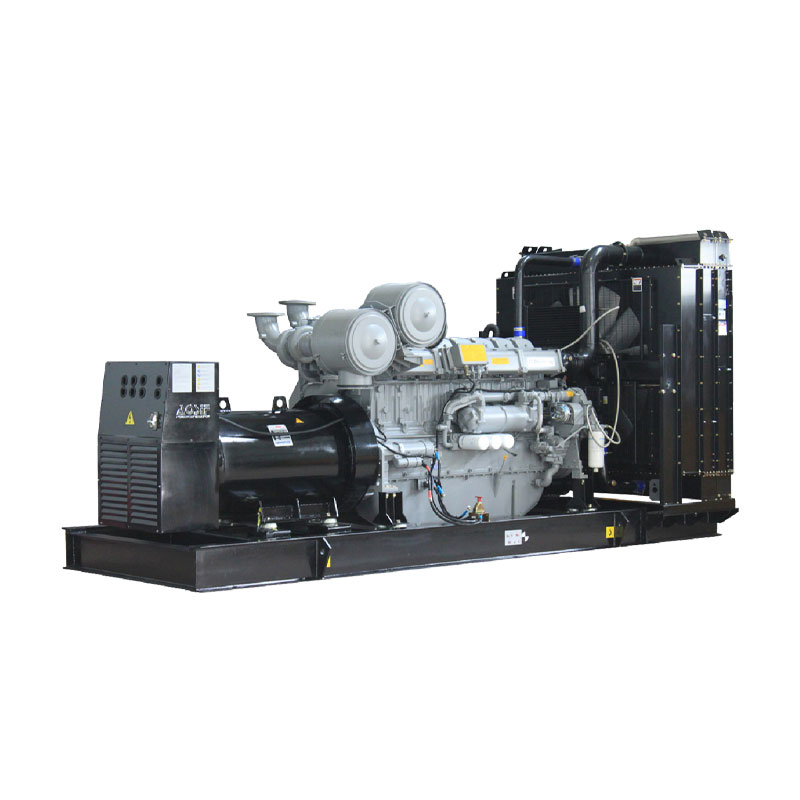
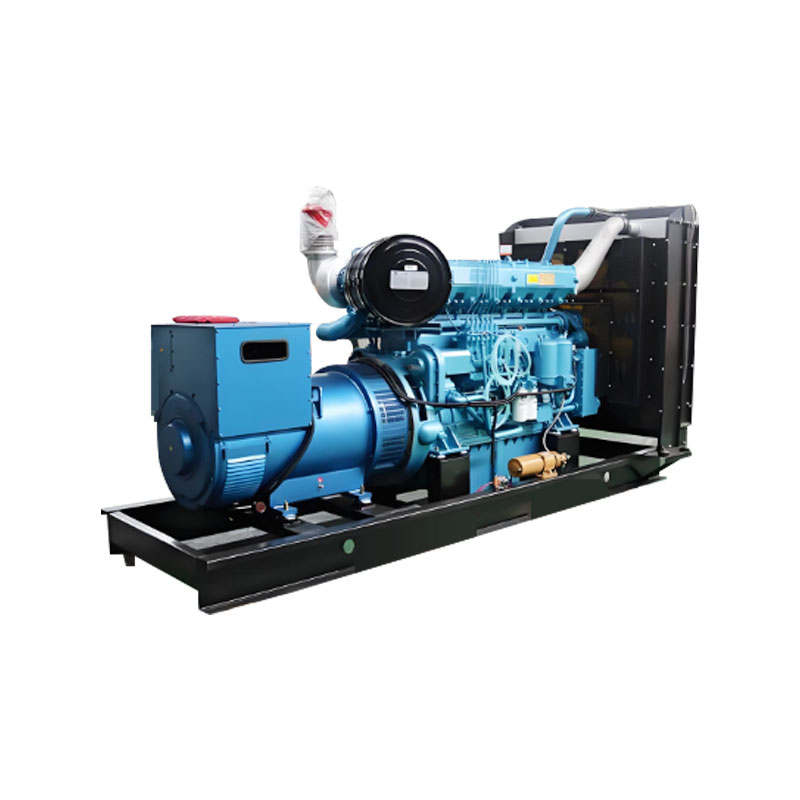
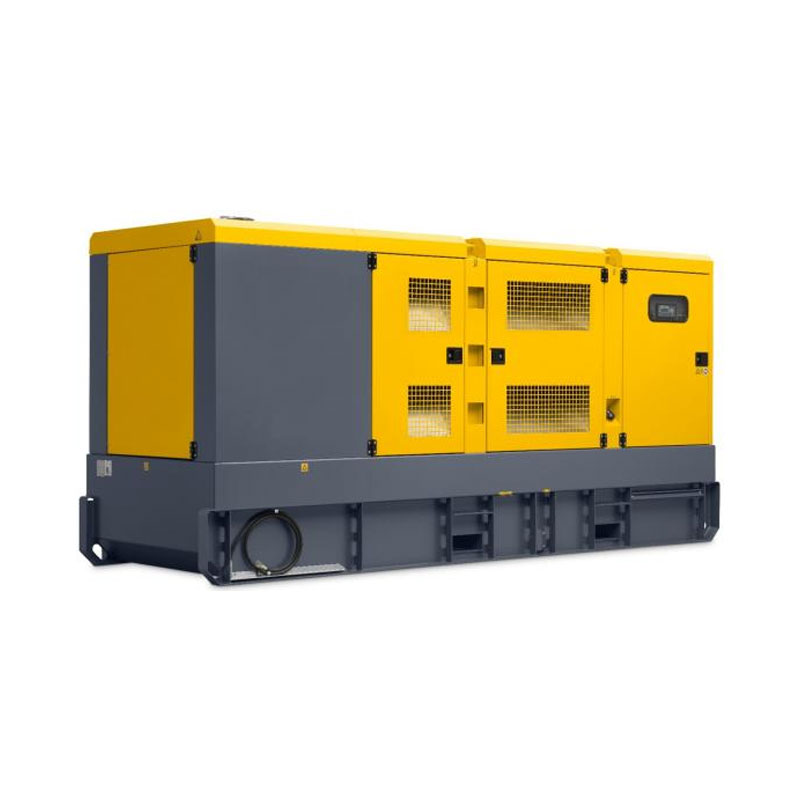
When a site asks me to justify diesel against gas or battery-only backups, I start with three truths: response speed, robustness under ugly loads, and serviceability almost anywhere. A properly spec’d unit with an standby power rating will take a facility from dark to operational in seconds. If we expect long outages or heavy construction duty, I look at prime power ratings and cooling margins. For noise-sensitive sites—clinics, hotels, schools—I favor a canopy-housed silent diesel generator with tuned intake and exhaust paths rather than a bare skid. In mixed climates and remote regions, fuel storage plus mechanical simplicity still make diesel a low-risk choice. The goal isn’t romance with one technology; it’s matching the power profile to reality.

  • Response time measured in seconds with a coordinated automatic transfer switch.
  • High surge tolerance for motors, compressors, and welders without stalling.
  • Field serviceable and parts-available in places where gas lines or battery supply chains are uncertain.

Why do sizing mistakes cost more than the generator itself?

Oversizing looks safe until it idles through easy outages, wets stacks, and drinks money; undersizing looks clever until it trips on motor inrush. The fix is to model starting currents and duty cycles honestly, then select capacity with a small, deliberate margin. I always tag non-negotiable loads (life safety, process heaters, servers) and put nuisance loads on a shed list controlled by the remote monitoring logic. On jobs where budget is tight, we stage two smaller units in parallel rather than one oversized machine—redundancy for critical times, efficiency for mild events. Sizing is not “pick the biggest box”; it’s “pick the box that always runs in its sweet spot.”

Load Type Typical Running kW Start Multiplier Notes That Affect Choice
Induction motors (pumps, fans) 5–60 2.5–7× Soft starters/VFDs reduce inrush; leave margin for concurrent starts.
Compressors/Chillers 20–200 3–8× Staggered start via ATS load sequencing is cheaper than oversizing.
IT racks/UPS 3–50 1.0–1.2× UPS can buffer transitions; watch harmonic distortion.
Heaters/Welders 5–100 1.0–1.5× Consider duty cycle; avoid overspec for intermittent peaks.

If I see a duty cycle that rarely exceeds 40% but must survive a rare ugly spike, I’ll specify a unit optimized for fuel efficiency at 60–80% loading and handle spikes through staged starts. This is how you turn capacity into cash flow instead of waste.


How do I translate my loads into a right-sized kW and kVA?

Here’s the approach I use on walk-throughs: record running amps at voltage for each panel, record motor nameplate kW, note which loads must start at the same time, and tag those that can wait 10–60 seconds. Then I map power factor and harmonics (VFDs and UPSs matter) and calculate kVA. If power factor is poor, a larger alternator may stabilize voltage better than raw engine kW. For sensitive electronics, I match the voltage regulation spec and ask for a low total harmonic distortion alternator. In practice, this keeps the silent diesel generator from “hunting” during nasty starts and saves the ATS from nuisance transfers.

  • Sum essential running kW; apply start multipliers on overlapping loads.
  • Convert to kVA with realistic power factor (0.8–0.95, not wishful thinking).
  • Cross-check alternator sizing; voltage dip under 15% is my rule of thumb.
  • Verify the automatic transfer switch rating and transition type (open vs. closed transition).

If the site expects frequent long-duration events, I bias toward a set with robust cooling and a prime power rating; if the grid is reliable but outages are ruthless when they happen, I stick with standby power and invest the budget in controls and acoustics instead.


Which configurations fit backup, peak-shaving, and continuous duty?

Most of my clients fall into three patterns. First, pure backup with a single machine and an automatic transfer switch. Second, N+1 parallel sets for hospitals, data rooms, and cold storage—fault tolerant and easy to right-size for nightly tests. Third, hybrid use where demand charges are painful: we enable peak-shaving and use the generator for targeted hours when tariffs spike. When I recommend Kecheng, it’s because their control stack makes those modes simple to toggle and their acoustic packages keep neighbors calm. If campus growth is likely, I choose a paralleling-ready switchboard on day one, so expansion is a clean plug-in, not a rewire.

Use Case Typical Choice Pros Watch Outs
Critical backup 1× set + ATS Simple, fast deployment Verify start battery health and weekly test schedule
Fault-tolerant uptime 2–4× sets in parallel Redundancy, scalable load matching Harmonic coordination and load sharing calibration
Peak-shaving Paralleling + metered control Tariff savings, better asset utilization Local regulations and emissions run-hour limits

No matter the mode, I track fuel efficiency at typical load, not at a single brochure point. Real savings come from operating close to the efficiency knee for most hours.


How do I control noise and emissions without losing performance?

You don’t need to live with a rattling box. For tight neighborhoods, my baseline is a factory-engineered acoustic canopy or container around a silent diesel generator, lined with fire-safe damping and tuned air paths. I place intake and discharge away from windows and add a critical or residential muffler as needed. Emissions are more regulatory than theoretical: I size aftertreatment for expected duty—especially under prime power hours—to avoid hot-cold cycling that degrades catalysts. And I test with the real load profile, not just a resistive bank, before commissioning.

  • Acoustic canopy/container with baffles engineered for pressure drop and rain intrusion.
  • Critical-grade exhaust silencer and vibration-isolated mounts.
  • Airflow sizing that keeps temperature rise within spec at full duty.

Done right, you protect neighbors, protect the engine, and keep the machine operating in the band that maximizes fuel efficiency.


What maintenance rhythm actually preserves uptime?

Diesel Generator

I build maintenance around run hours and calendar time. Even light-use backup sets need exercise. Weekly auto-exercise through the controller verifies the automatic transfer switch contact health and the charge state. Oil changes follow run hours, but filters are cheap insurance, so I don’t hesitate to change early after dusty work or long idles. For fuel, I insist on clean storage, water separation, and periodic polishing—bad fuel is the fastest way to embarrass a good generator. With Kecheng’s service kits, parts arrive matched to the engine family, which keeps downtime short.

  • Weekly: auto-exercise and visual checks; monthly: full transfer test under load.
  • Quarterly: fuel water drain, battery load test, belts/hoses inspection.
  • Annually: coolant analysis, controller firmware review, and a clean of intake/exhaust baffles.

If the site can’t spare staff time, I lean on remote monitoring to push alerts and trend data directly to the supervisor’s phone. Fewer surprises, faster fixes.


What does a clean installation look like from site prep to commissioning?

The fastest way to lose money is to skip site prep. I confirm slab design for weight and vibration, add cable trays with bend radii that respect conductor size, and keep access clear for service. I specify a weather-rated enclosure for coastal or dusty inland sites, then route exhaust and intakes for minimal recirculation. During commissioning, I load-bank test to 110% for a short period to confirm governor response and alternator thermal behavior. Only after a full ATS transfer test do I consider the system ready. This is the boring work that turns a Diesel Generator purchase into a stable asset.


How do I compare true total cost of ownership?

Price tags lie when you ignore fuel and downtime. I normalize quotes into a five-year picture covering fuel, service, parts, compliance, and the value of avoided downtime. That’s where a well-matched standby power unit can beat a cheaper but sloppy alternative. If your site runs long hours, I step up in engine size to reduce specific fuel consumption and wear. And I give weight to local parts availability—Kecheng’s stocking plan has saved more than one cold store from product loss.

Five-Year TCO Element Typical Share My Optimization Lever
Fuel 45–60% Run at 60–80% load for best fuel efficiency
Service & Parts 15–25% Bundled kits; predictive alerts via remote monitoring
Compliance & Testing 5–10% Calendarized ATS transfers and logs
Downtime Risk Variable Paralleling or critical spares; better automatic transfer switch

Where do digital features move the needle?

I value data that prevents surprises. A controller with remote monitoring lets me watch oil pressure trends, start battery health, and irregular temperature rises that hint at clogged airflow. Load analytics help me decide whether to add a second unit or simply reschedule starts; they also show whether we’re operating in the band where fuel efficiency peaks. When I use Kecheng’s control stack, I get clean integration with the automatic transfer switch, event logs that make audits painless, and alerts that keep small issues small. Digital isn’t decoration—it’s the difference between guessing and managing.

For hospitality, healthcare, and schools, one more feature matters: a truly silent diesel generator profile that the dashboard can verify during weekly tests. If noise creeps up, I inspect mounts and baffles before neighbors call.


FAQs?

Q. How do I choose between standby power and prime power ratings?
A. If outages are rare and short, standby is right; if you’ll run for many hours per week or use the unit for peak-shaving, prime power adds cooling and durability for continuous duty.

Q. What makes a silent diesel generator truly quiet?
A. Engineered canopies, tuned air baffles, critical-grade mufflers, and vibration isolation. Placement and airflow are as important as the hardware.

Q. Do I need a specific automatic transfer switch type?
A. Most sites use open-transition ATS; sensitive sites or parallel systems may need closed transition. Match ATS rating to fault currents and include load sequencing if motor starts overlap.

Q. How can I improve fuel efficiency without buying a larger unit?
A. Stage loads, prevent wet stacking by exercising under load, and keep filters and airflow clean. Run the generator where it spends most hours at 60–80% loading.

Q. What’s the real value of remote monitoring?
A. Early warnings on batteries, coolant, and airflow avoid no-start events; run-hour analytics align service with reality instead of guesswork.

Q. Can a Diesel Generator work with solar or a battery system?
A. Yes. With proper controls, the generator covers surge and long outages while batteries handle short events; the ATS or microgrid controller manages priority.

Q. How big should my fuel tank be for storm seasons?
A. I size for at least 24–48 hours of expected runtime at average load, then add headroom for supply delays; monitor consumption history to refine the number.

Q. What routine keeps compliance auditors satisfied?
A. Documented weekly exercise, monthly loaded ATS transfers, annual coolant and fuel analyses, and a clear spare-parts plan. Controllers that log events make audits fast.


Why do my keyword choices matter for real-world buyers?

When I write proposals or web content, I choose the same language buyers use on site walks. That’s why you saw key phrases woven naturally here: Diesel Generator, silent diesel generator, standby power, prime power, fuel efficiency, automatic transfer switch, and remote monitoring. They’re not just buzzwords; they are the exact levers that change uptime and cost on real projects. Kecheng’s lineup covers these levers cleanly, from acoustically tuned canopies to controllers that schedule starts with your tariff model. If you align needs with these terms, you’ll find the right machine faster—and avoid paying for features that don’t move outcomes.


Can I see a quick selection recipe before I talk to vendors?

  1. List essential loads and mark which can wait 10–60 seconds.
  2. Apply start multipliers; calculate kW and kVA with real power factor.
  3. Pick rating: standby power for rare events, prime power for long hours.
  4. Decide on acoustics: if people sleep or heal nearby, choose a silent diesel generator.
  5. Specify an automatic transfer switch with sequencing; confirm fault ratings.
  6. Plan digital visibility with remote monitoring for alerts and logs.
  7. Model five-year TCO, not sticker price—put fuel efficiency at the center.

Diesel Generator

Conclusion

If you want a power plant that behaves during the worst minute of the year, start with honest loads, smart switching, and a configuration tuned for your site—not a generic box. That’s how I treat every Kecheng project and why the outcomes feel boring in the best way: the lights stay on and the budget stays sane. If you’re mapping a project right now and want me to translate your panel schedules into a clear plan, contact us with your load list and site constraints. Tell me your noise limits, run-hour expectations, and utility tariff windows—I’ll turn that into a concise, costed recommendation you can act on today.

Related News
X
We use cookies to offer you a better browsing experience, analyze site traffic and personalize content. By using this site, you agree to our use of cookies. Privacy Policy
Reject Accept