Products

Products

Biogas Generator Set for Pig Farm
  • Biogas Generator Set for Pig FarmBiogas Generator Set for Pig Farm

Biogas Generator Set for Pig Farm

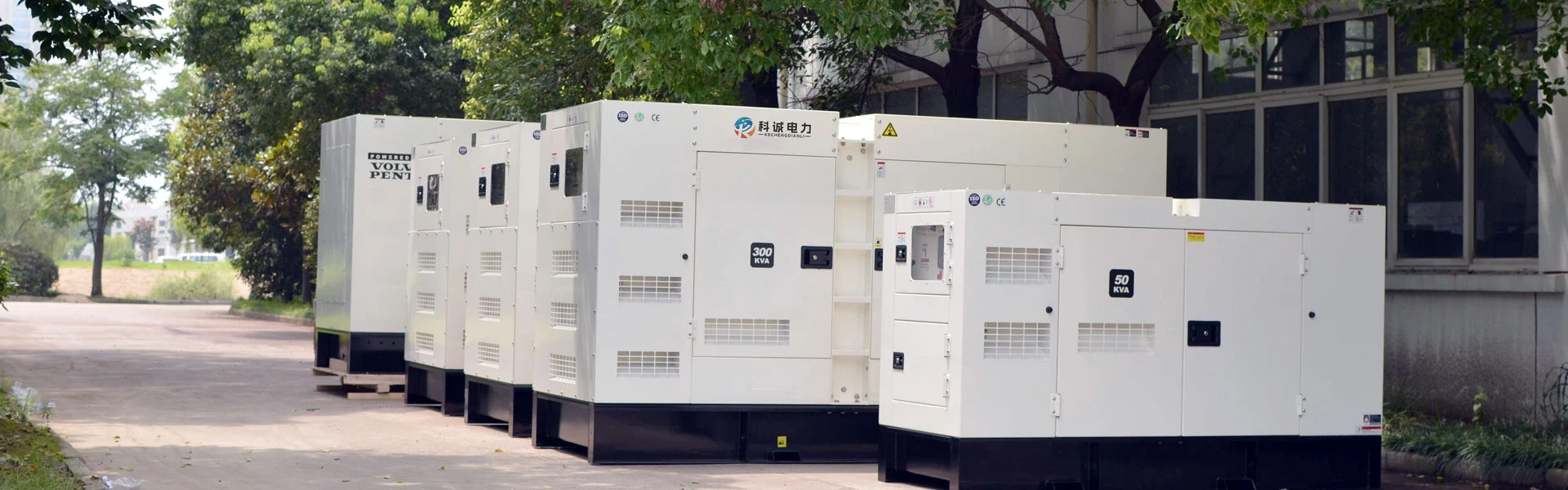
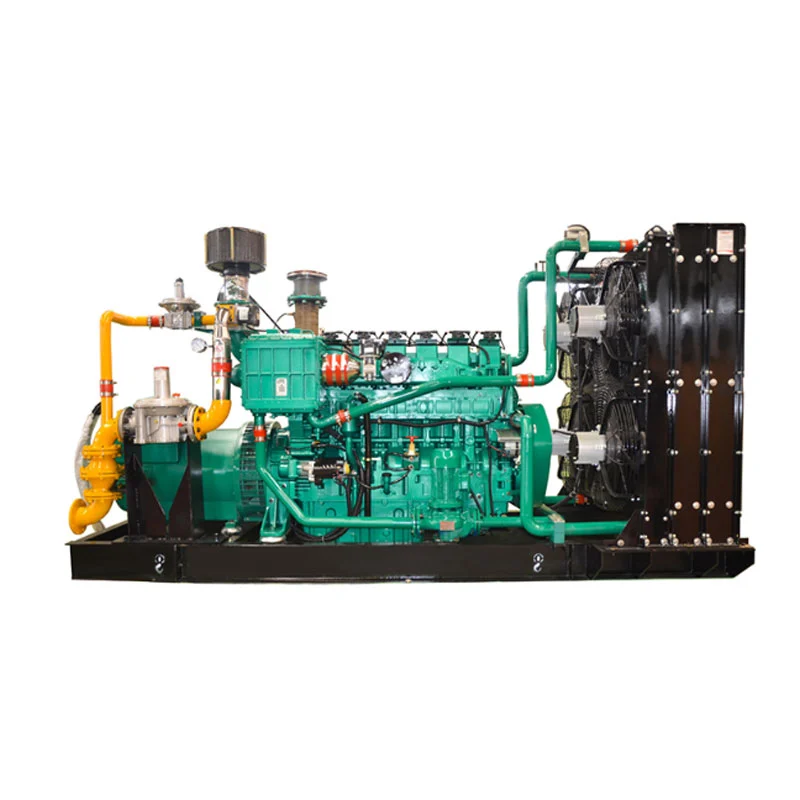
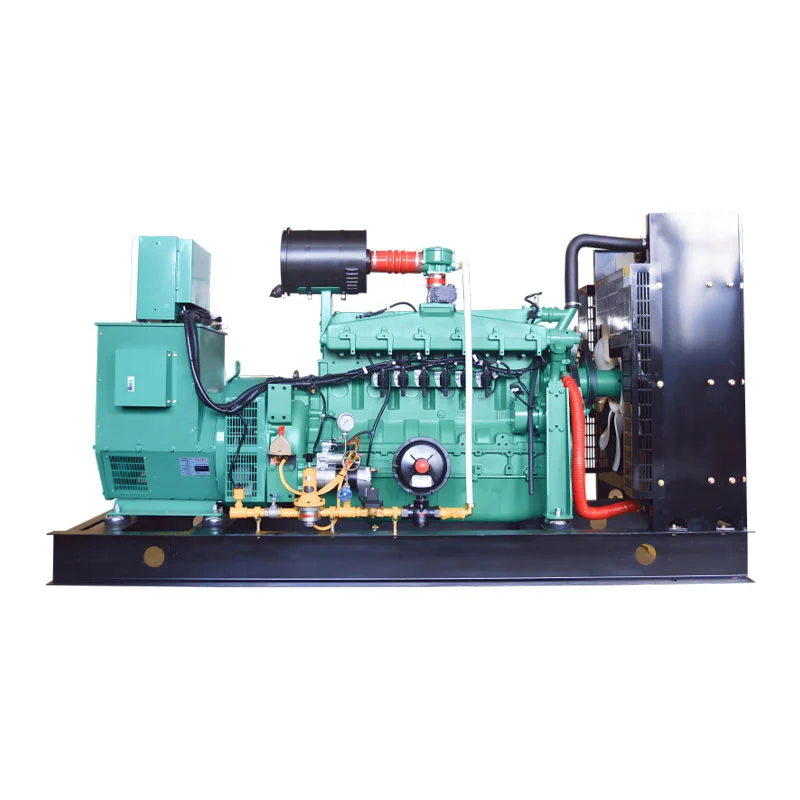
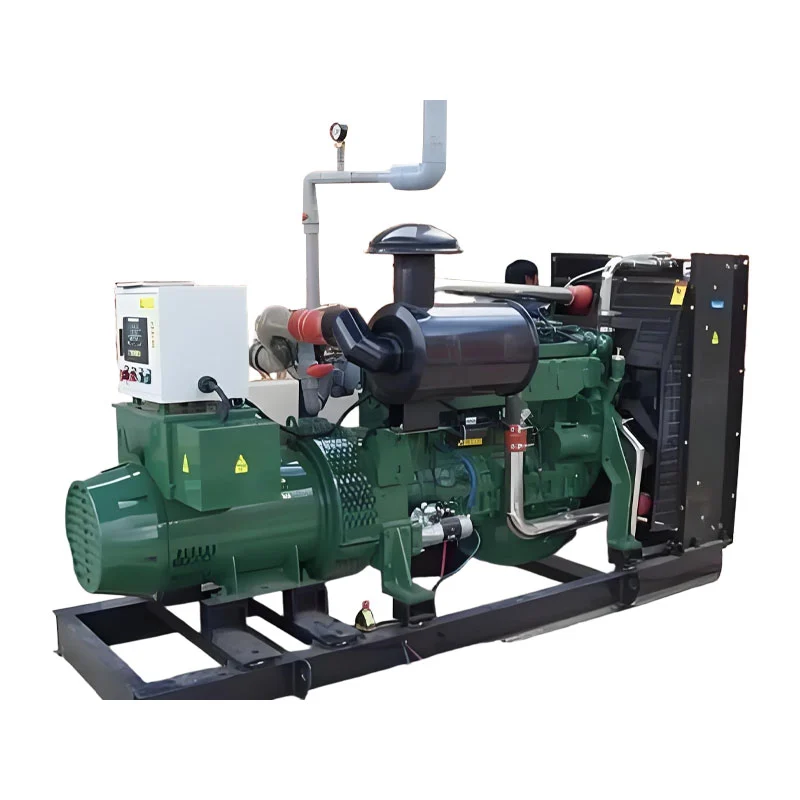
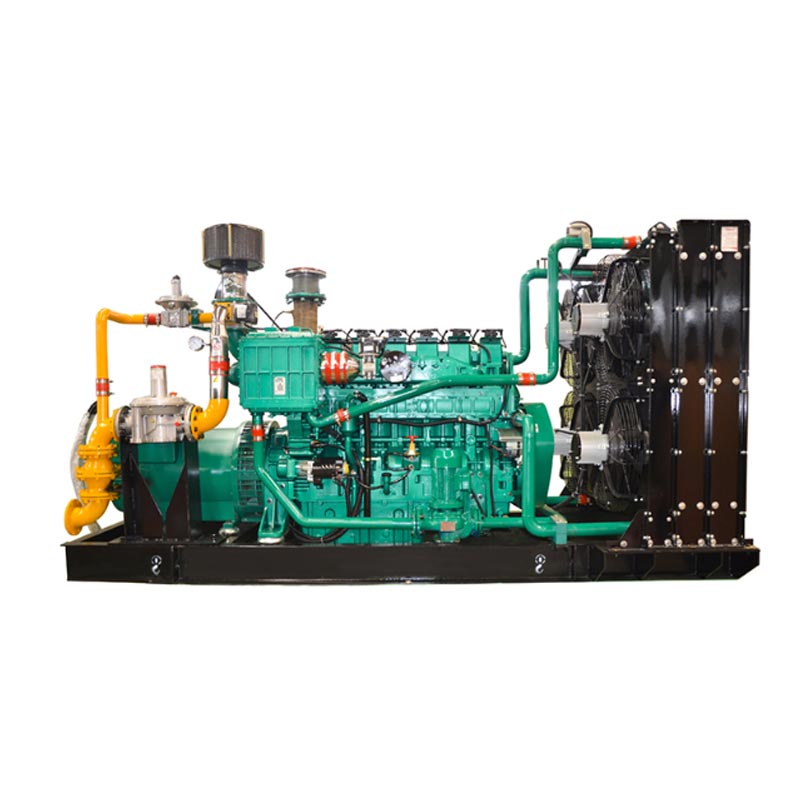
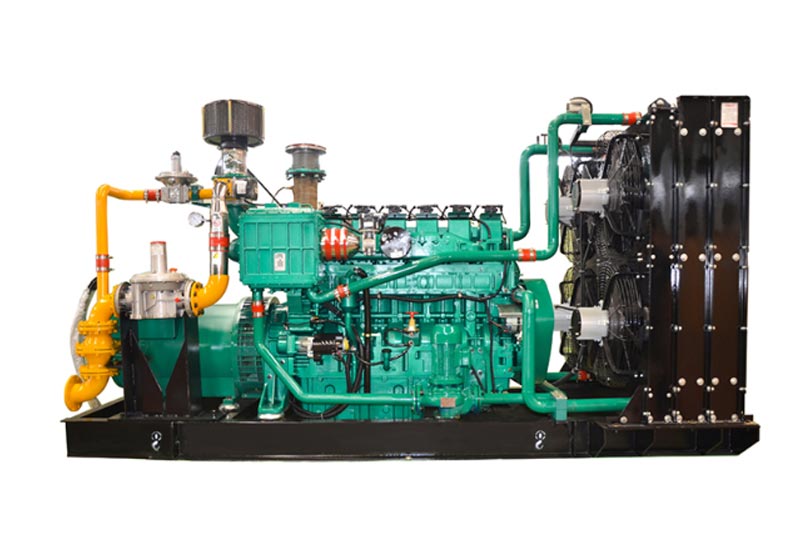
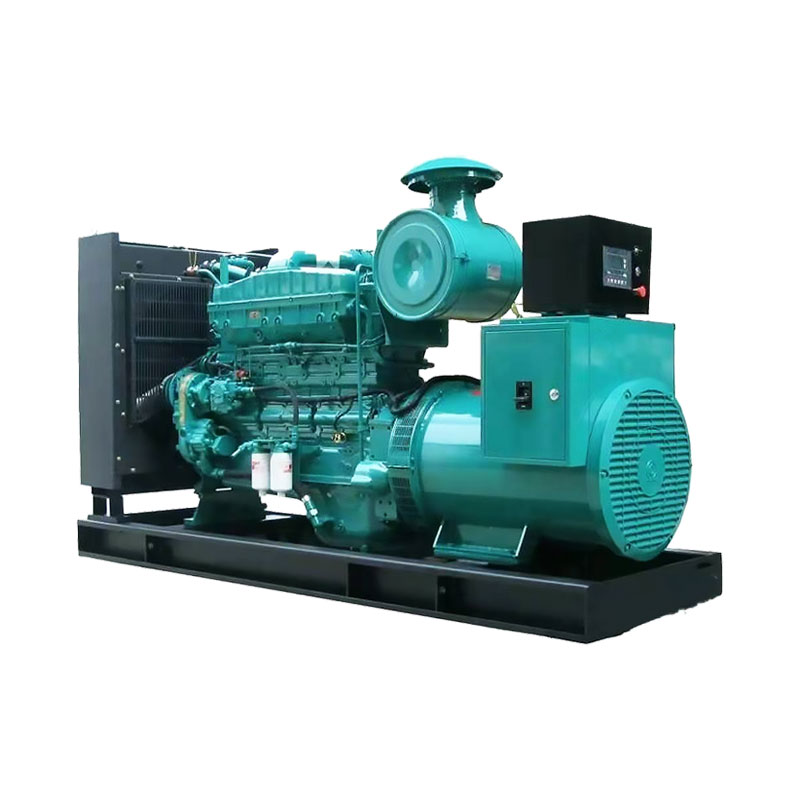
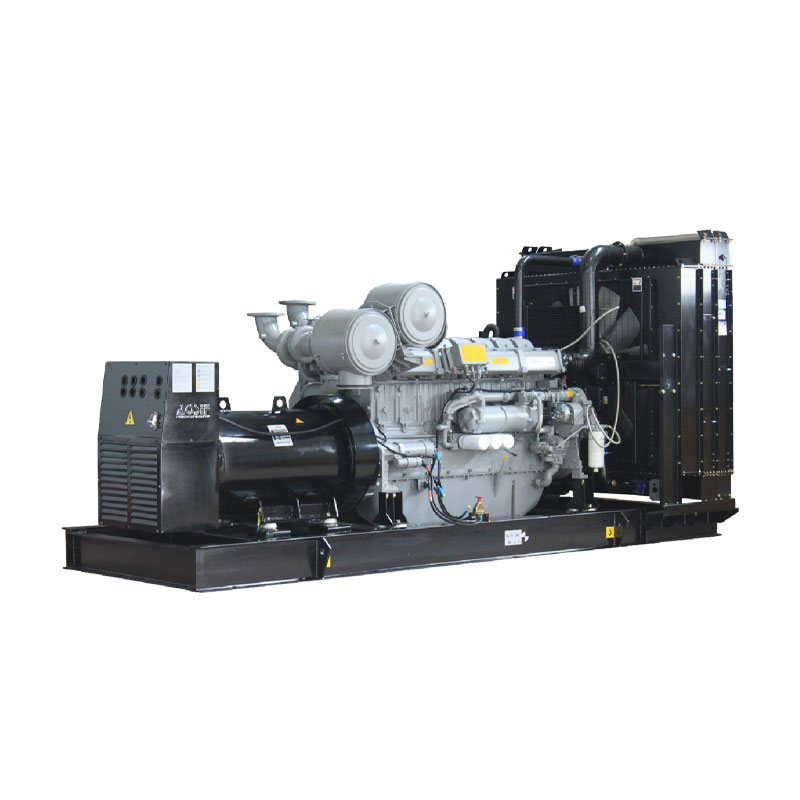
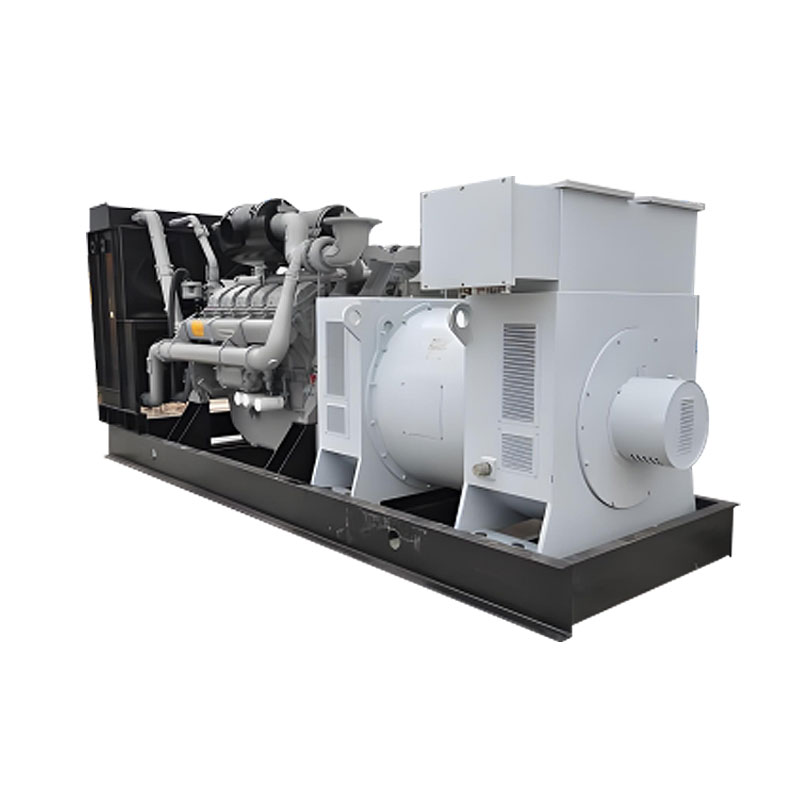
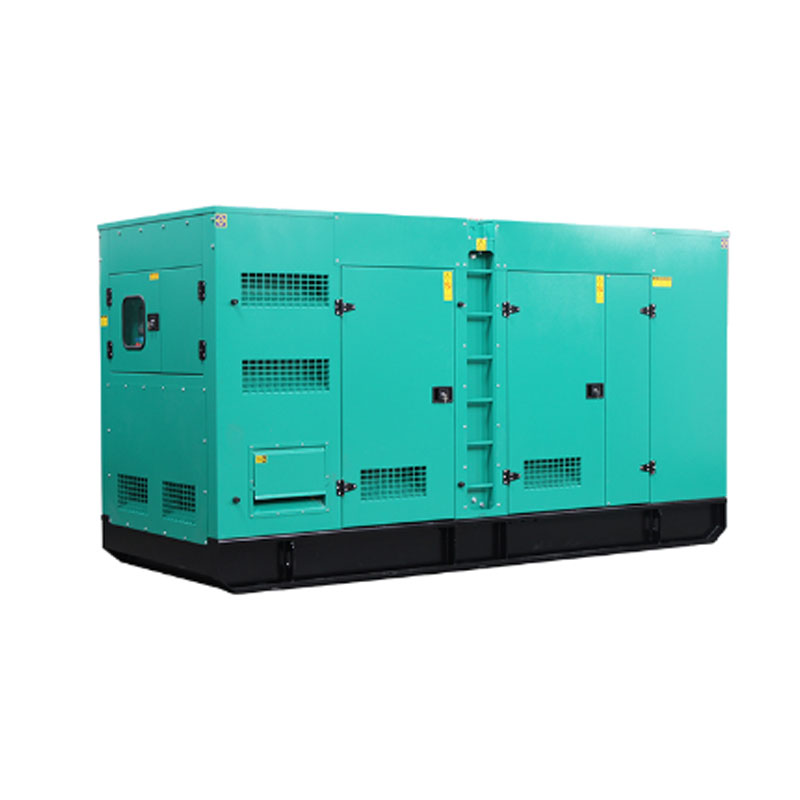
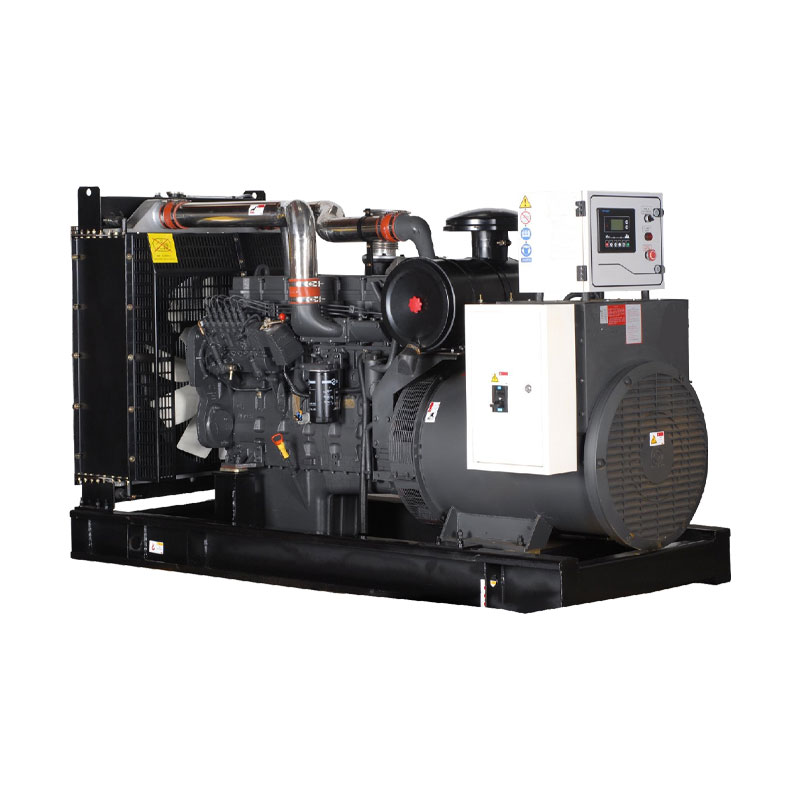
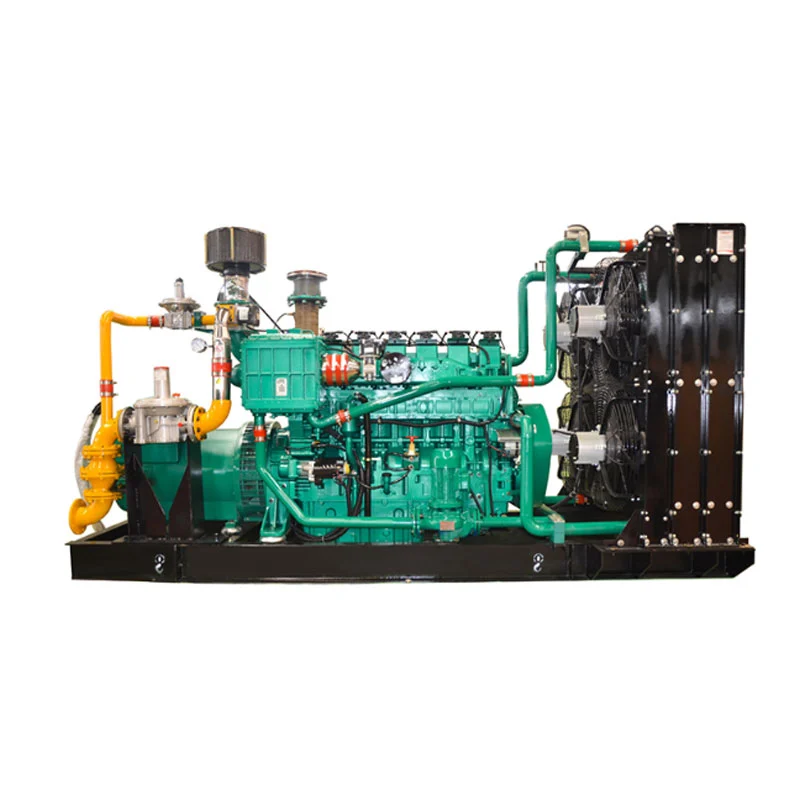
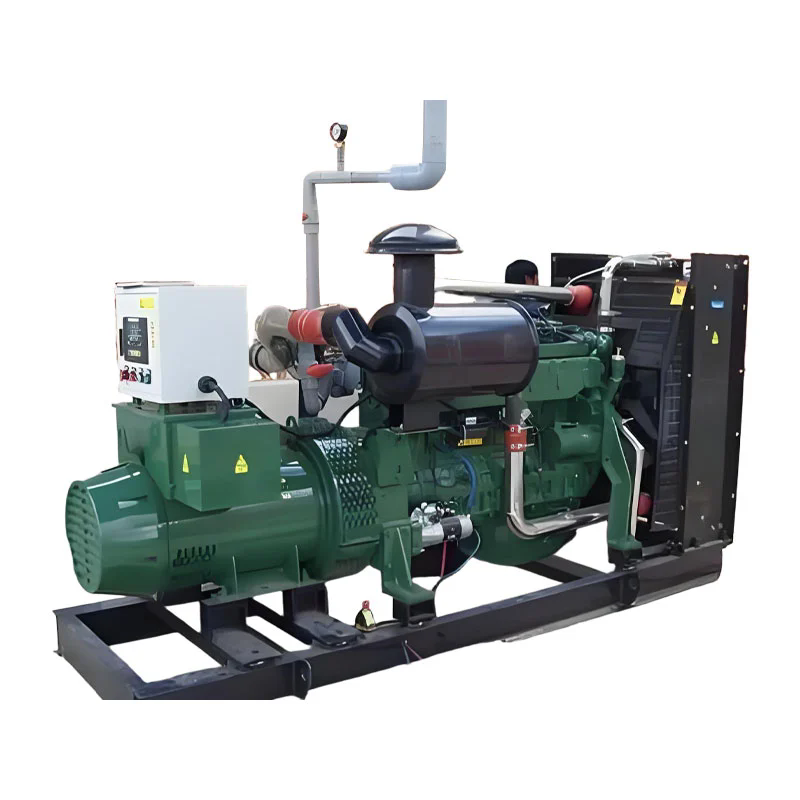
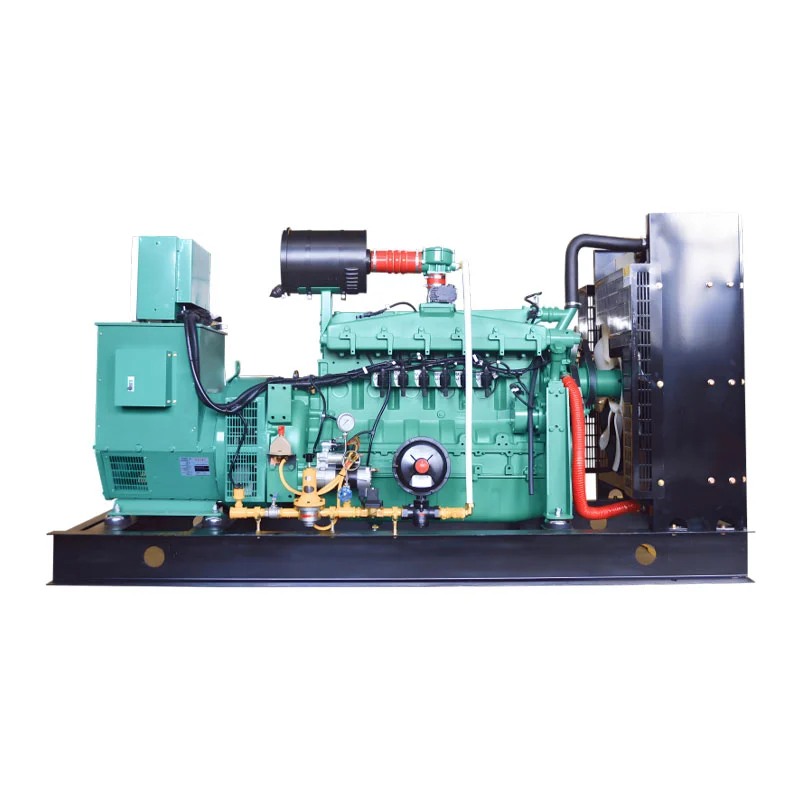
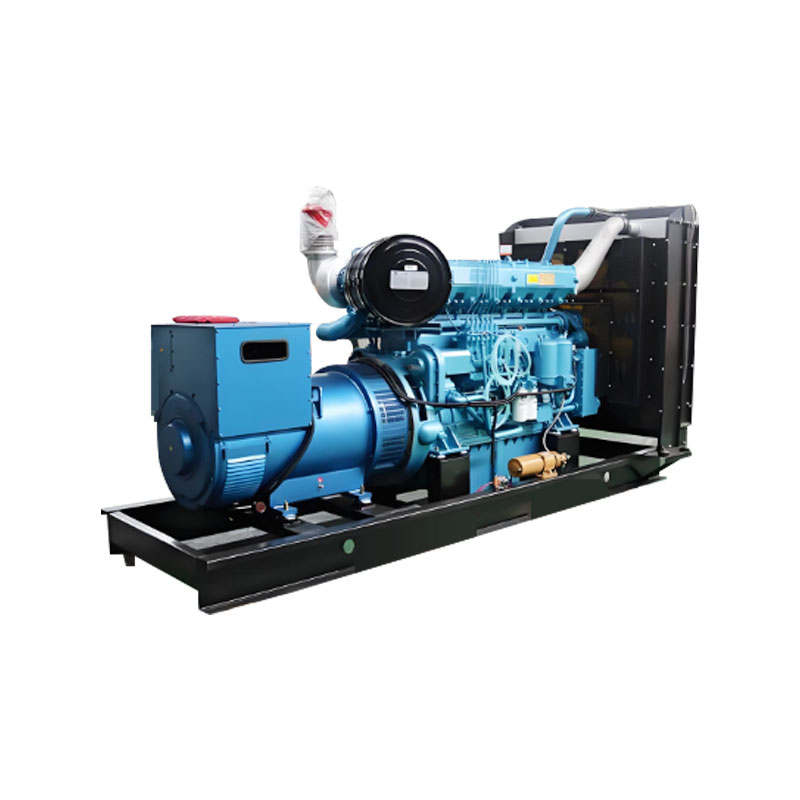
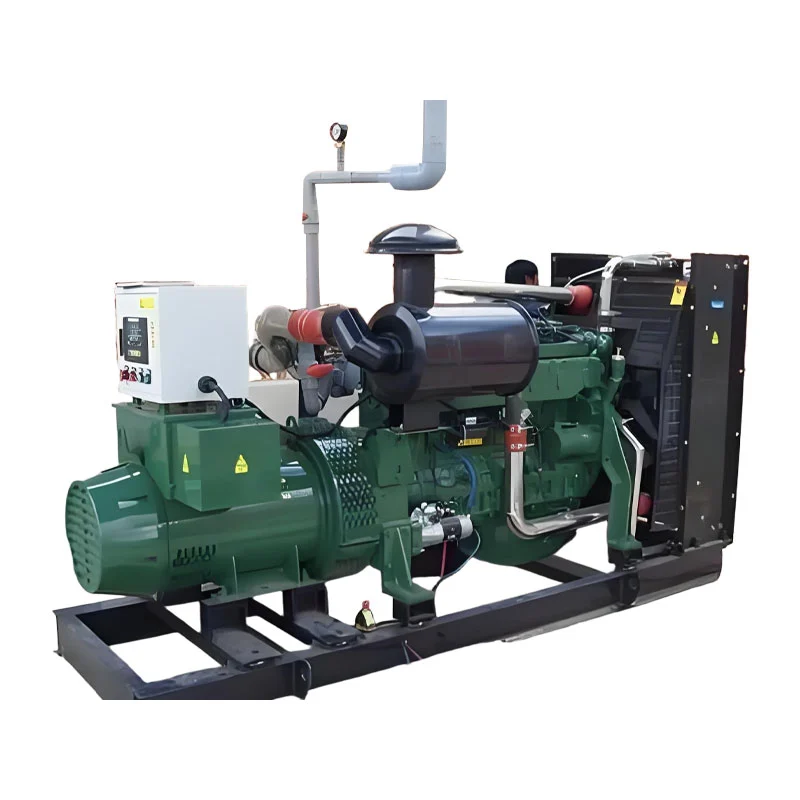
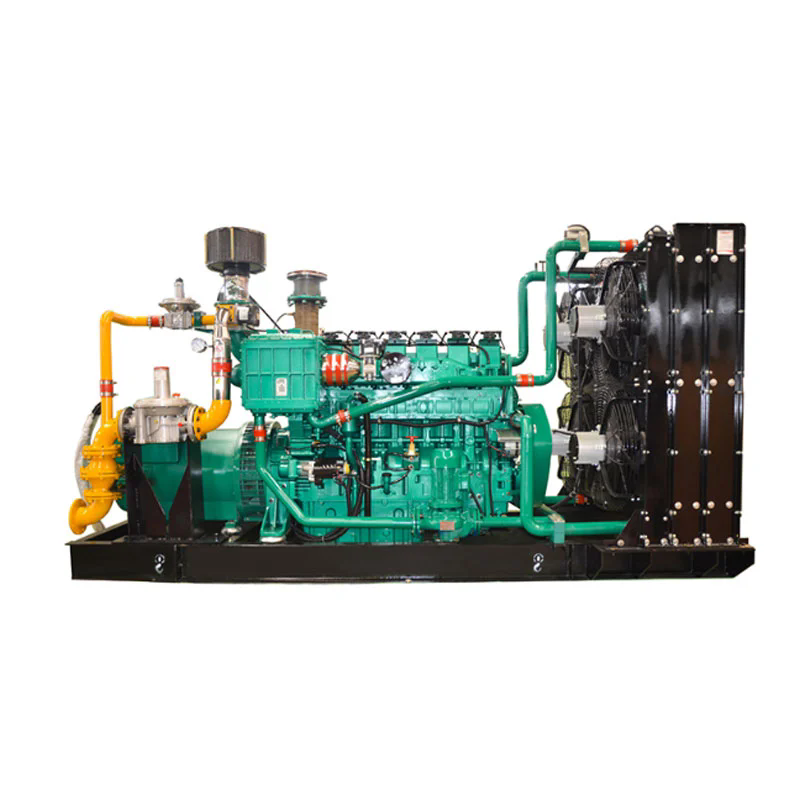
Kecheng as a leading China manufacturer, specializes in providing biogas generator sets for pig farm. The biogas power generation equipment can efficiently convert the biogas produced by the fermentation of manure and sewage into electricity and heat energy, achieving the circular goal of pollution reduction and energy self-sufficiency.

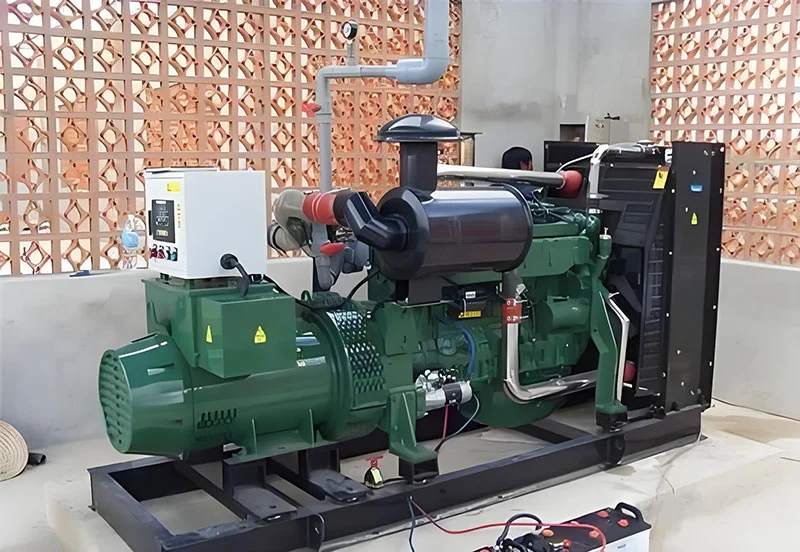
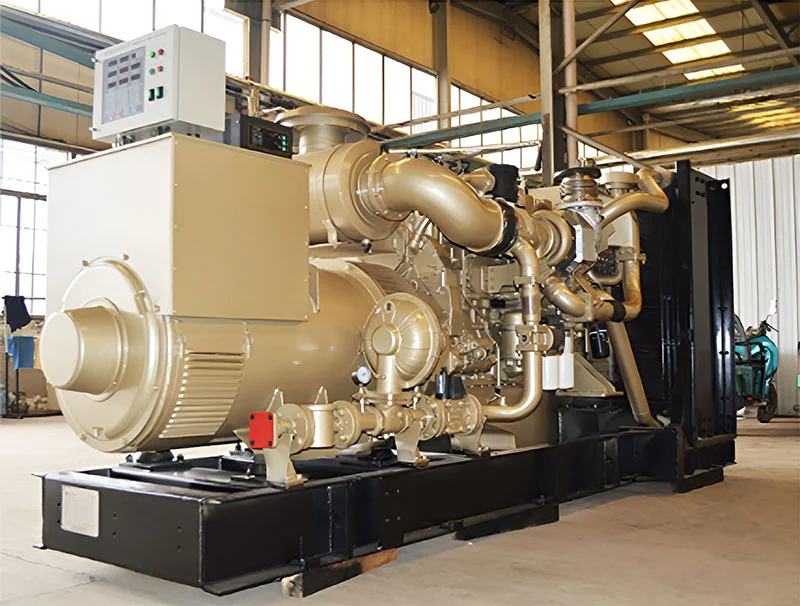
China Kecheng’s biogas generator sets for pig farm can handle the manure and sewage from pig farms and achieve energy self-sufficiency. This equipment is specially designed for converting biogas from livestock farms. It can adapt to fluctuations in biogas concentration and impurity content, and operate stably for power generation. The unit adopts an integrated design, including biogas pretreatment, a high-efficiency internal combustion engine, a generator and a waste heat recovery device. It not only generates electricity but also recovers heat energy for production or daily life, thereby enhancing the comprehensive utilization rate of energy. The product power ranges from 50 to 200 kilowatts and can be customized according to the specific inventory scale and biogas production of the breeding farm. The core components come with a two-year or 8,000-hour warranty service. This system can help small and medium-sized as well as large-scale pig farms effectively achieve the resource utilization of manure and sewage, reduce operating costs, and build an environmentally friendly and energy-saving circular production model.

Biogas Generator Set for Pig Farm

Application scenarios (Exclusive scenarios for pig farms)

1. The pig farm uses its own power supply

• Applicable scenarios: Pigsty lighting, feed processing equipment (crushers, mixers), environmental control equipment (fans, water curtains, thermostats), manure treatment equipment (stirring pumps, solid-liquid separators)

• Core value: It replaces power supply from the power grid and reduces electricity expenses (calculated based on a pig farm with 500 pigs in stock, it generates an average of 120kW · h of electricity per day, saving approximately 30,000 yuan in electricity fees annually). When there is a power outage, it serves as an emergency power source to ensure that the ventilation and temperature control in the pigsty are not interrupted, preventing the death of pigs due to stress.

2. Recovery and utilization of biogas waste heat

• Applicable scenarios: Winter heating in pig houses (piglet incubators, fattening pig houses), insulation in biogas fermentation tanks (maintaining fermentation temperature of 35-40℃ and increasing biogas production), heating/hot water in staff living areas

• Core value: The waste heat recovery rate of the generator set is ≥80%. The 50kW model can recover an average of 150MJ of heat per day, meeting the heating needs of a 1000-square-meter pigsty, reducing the cost of coal/gas heating, and achieving dual benefits of "power generation + heating".

3. Grid-connected power generation (Increased revenue from surplus electricity)

• Applicable scenarios: Large-scale pig farms (with a stock of over 2,000 pigs), sufficient biogas production (daily biogas production ≥500 cubic meters), and the surplus electricity after self-use is connected to the national power grid

• Core value: Enjoy the national new energy grid connection subsidy (0.3-0.5 yuan /kW · h), with an annual grid-connected electricity of approximately 1.2 million kW · h for the 200kW model, generating an additional income of 360,000-600,000 yuan. At the same time, it complies with environmental protection policy requirements and helps the pig farm be awarded the title of "Green Breeding Demonstration Farm".

4. Supporting facilities for manure and sewage treatment

• Applicable scenarios: It can be linked with biogas digesters and solid-liquid separators in pig farms. The power generated by the generator set is directly supplied to the manure treatment system, forming an energy cycle of "manure → biogas → electricity → manure treatment"

• Core value: Address the issue of high electricity costs for manure and sewage treatment equipment, while reducing environmental pollution caused by direct biogas emissions, and meeting the environmental protection requirements of the "Regulations on the Prevention and Control of Pollution from Large-scale Livestock and Poultry Breeding".

Biogas Generator Set for Pig Farm

Product advantages (Designed to address the pain points of pig farms)

Advantage Category Kecheng Product Features Pig Farm Practical Value
High Biogas Adaptability Equipped with dedicated biogas pretreatment system (desulfurization, dewatering, pressure stabilization); adapts to methane concentration fluctuations of 45%-75%; tolerates H₂S ≤200mg/m³. Solves issues of unstable biogas purity and impurities in pig farms, avoiding unit failures and shutdowns.
High Energy Utilization Power generation efficiency ≥38%, waste heat recovery rate ≥80%, comprehensive energy utilization over 90%. 1 m³ of biogas generates 1.8-2.2 kW·h of electricity + 3 MJ of heat, producing 15% more energy than standard biogas units.
Low O&M Cost Uses corrosion-resistant internal combustion components (biogas-specific pistons, valves), maintenance interval extended to 1000 hours, 30% fewer maintenance sessions than standard units. Reduces need for specialized O&M personnel on pig farms, lowers annual maintenance costs by 20,000-30,000 CNY.
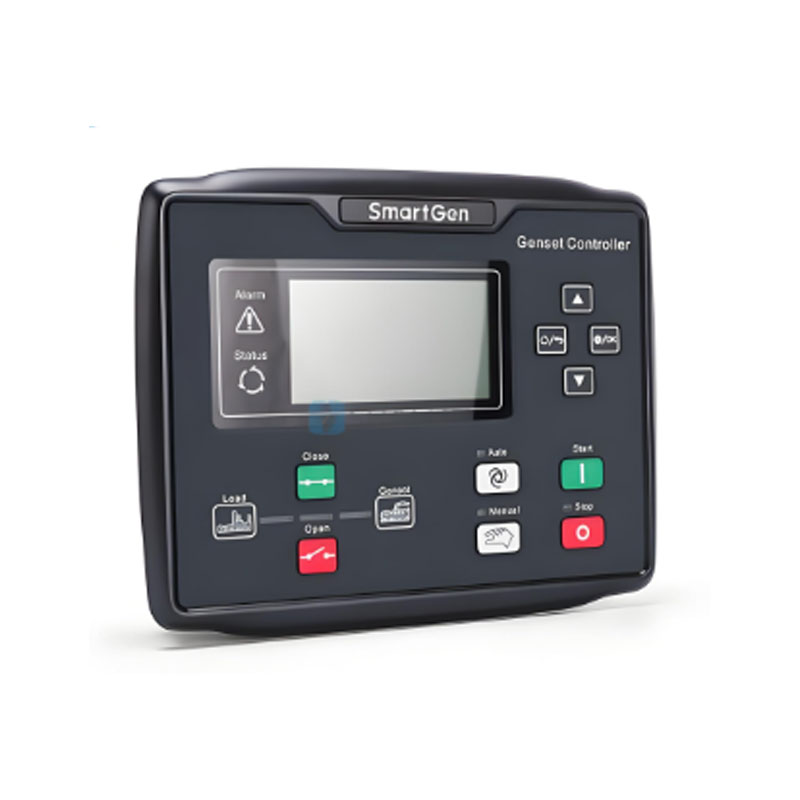
Intelligent & Easy Operation Equipped with pig farm-specific controller, supports "auto start/stop + biogas concentration auto-adaptation," integrates with biogas digester temperature control. No professional electrician needed; farm managers can control via touchscreen, lowering operation barriers.
High Policy Compliance Unit parameters comply with "Technical Requirements for Renewable Energy Grid Connection," eligible for direct application for environmental/new energy subsidies. Helps pig farms obtain "Environmental Special Subsidies" and "Green Agriculture Subsidies," improving project profitability.

Technical parameters (Commonly Used Models in Pig Farms)

Parameter Category 50kW Model (Small/Medium Farm) 100kW Model (Medium/Large Farm) 200kW Model (Large Farm)
Rated Power (Prime/Standby) 50/55 kW 100/110 kW 200/220 kW
Biogas Consumption (Full Load) 25-30 m³/h (Methane 60%, LCV 21 MJ/m³) 50-55 m³/h (Methane 60%) 100-110 m³/h (Methane 60%)
Power Generation Efficiency ≥38% ≥39% ≥40%
Waste Heat Recovery ≥40 MJ/h (Heats ~500㎡ pig house) ≥80 MJ/h (Heats ~1000㎡ pig house) ≥160 MJ/h (Heats ~2000㎡ pig house)
Biogas Pretreatment Desulfurization ≥95%, Dew point ≤5°C, Pressure stabilization ±0.5 kPa Desulfurization ≥95%, Dew point ≤5°C, Pressure stabilization ±0.5 kPa Desulfurization ≥95%, Dew point ≤5°C, Pressure stabilization ±0.5 kPa
Starting Method 24V Electric Start (with preheat) 24V Electric Start (with preheat) 24V Electric Start + Air Start (backup)
Cooling Method Forced Water Cooling (with waste heat recovery exchanger) Forced Water Cooling (with waste heat recovery exchanger) Forced Water Cooling (dual-circuit waste heat recovery)
Emission Index NOx ≤200 mg/m³, Complies with GB 20891-2014 Class III NOx ≤200 mg/m³, Complies with GB 20891-2014 Class III NOx ≤200 mg/m³, Complies with GB 20891-2014 Class III
Unit Dimensions (L×W×H) 3000×1500×1800 mm (includes pretreatment system) 4000×1800×2000 mm (includes pretreatment system) 5500×2200×2500 mm (includes pretreatment system)
Unit Weight 3500 kg 5500 kg 9000 kg

Biogas Generator Set for Pig Farm

Technical features (Customized Design for Pig Farms)

1. Specialized pretreatment system for biogas

• Keceng's "Three-stage Pretreatment Unit" : first-stage dry desulfurization (removing hydrogen sulfide to prevent corrosion of internal combustion engines), second-stage cyclone dehydration (separating water vapor from biogas to prevent water accumulation in cylinders), and third-stage pressure stabilizing valve (stabilizing biogas pressure to avoid unstable unit speed due to fluctuations in biogas production), which is suitable for the characteristics of "high sulfur, high humidity, and large production fluctuations" of biogas in pig farms.


2. Corrosion-resistant power system

• The internal combustion engine is equipped with biogas special piston rings (made of wear-resistant cast iron with a chrome plating layer) and valves (made of stainless steel), which can withstand the corrosion of hydrogen sulfide in biogas and have a service life extended to 15,000 hours (50% longer than that of ordinary diesel engine components). The spark plug adopts an anti-carbon deposit design to prevent incomplete combustion of biogas from causing carbon deposits and resulting in ignition failure.


3. Exclusive intelligent control system for pig farms

• Equipped with the KCPLC-02 dedicated controller for pig farms, it supports: ① Automatic adaptation of biogas concentration (automatically reducing the load when the methane concentration is lower than 45% and automatically increasing the load when it is higher than 75% to prevent flameout); ② It is linked with the temperature control of the biogas digester (the waste heat from the generator set is prioritized for insulation of the biogas digester, and the waste heat valve is automatically opened when the temperature drops below 35℃). ③ Remote monitoring via mobile APP (viewing power generation, biogas consumption, and fault alarms, suitable for remote management by pig farm managers).


4. Design for stepwise utilization of waste heat

• Adopt "dual-loop waste heat recovery" : The first loop recovers the waste heat of the water in the cylinder liner of the internal combustion engine (with a temperature of 80-90℃) and supplies it for heating in the pigsty; The second circuit recovers the waste heat from the exhaust gas (with a temperature of 400-500℃), and heats the circulating water in the biogas digester through a heat exchanger to maintain the fermentation temperature, achieving an energy cycle of "power generation → heating → increased biogas production", creating 15% more energy value than ordinary units.


5. Explosion-proof safety design

The electrical system of the unit adopts the explosion-proof grade of Ex dⅡB T4 (suitable for the flammable and explosive characteristics of biogas). The biogas pipeline is made of 304 stainless steel (corrosion-resistant and explosion-resistant). The pretreatment system is equipped with a biogas leakage alarm (sensitivity ≤0.1% VOL), which complies with the standard of "Electrical Apparatus for Explosive Gas Atmospheres" GB 3836.1. Ensure the safe operation of pig farms.

Usage Method (Simple Operation Process for Pig Farms)

1.Pre-startup inspection (Daily mandatory)

Inspection Item Inspection Content Qualification Standard
Biogas System Biogas digester output, pretreatment system pressure, desulfurizer status Biogas output ≥1.2 × unit requirement (e.g., 30 m³/h for 50kW), pretreatment pressure 0.8-1.2 kPa, desulfurizer unchanged color (replace if blue turns pink)
Lubrication System Engine oil level, oil viscosity Oil level between MAX-MIN marks on dipstick; use biogas-specific oil (viscosity 15W-40, sulfur-resistant)
Cooling System Coolant level, waste heat recovery valve status Coolant at fill line; waste heat valve open for heating/insulation, closed for power-only operation
Electrical System Battery voltage, controller fault alarm, explosion-proof component integrity Battery voltage ≥24.5V; controller shows no fault codes; explosion-proof junction box sealed properly

2. Startup operation (mainly in automatic mode)

1. Start the pretreatment system: Open the outlet valve of the biogas digester, start the pretreatment system (desulfurization fan, dewatering pump), and run it for 5 minutes. After the purity of the biogas (methane concentration ≥50%) and the pressure stabilize, open the valve leading the biogas to the unit.

2. Unit Startup: Click "Auto Start" on the controller touch screen. After the unit preheats for 30 seconds (extended to 1 minute in a low-temperature environment), start it. Observe the rotational speed (gradually increase to 1500r/min), biogas inlet pressure (0.8-1.2kPa), and power generation voltage (380V±5%). Once the parameters stabilize, load automatically (the first load does not exceed 50%). Run for 10 minutes and then increase to full load.

3. Waste heat utilization Settings: Adjust the waste heat recovery valve as needed. When the pigsty requires heating, open the "heating circuit". When the biogas digester needs insulation, open the "biogas insulation circuit". The controller automatically monitors the temperature and adjusts the valve opening.


3. Operation Monitoring (Daily Management)

• Record key parameters every two hours: power generation, biogas consumption, methane concentration, and the temperature of waste heat supply (heating for pigsties ≤60℃, insulation for biogas digesters ≤40℃). When the biogas concentration is found to be lower than 45%, promptly check the fermentation condition of the biogas digester (such as feed rate, stirring frequency).

• Controller alarm handling: If alarms such as "Low biogas pressure" (check the outlet valve of the biogas digester), "High water temperature" (clean the scale in the cooling system), or "desulfurizer failure" occur, the load must be reduced and the machine shut down first. Only after the fault is eliminated can the machine be restarted.


4. Shutdown operation (at the end of each day or in case of malfunction)

1. Load reduction and shutdown: First, gradually unload (reduce the load to 0), close the valve connecting the biogas to the unit, keep the pretreatment system running for 5 minutes (purge the residual biogas in the pipeline), then click "Stop" on the controller, and the unit will run no-load for 3 to 5 minutes before stopping.

2. System shutdown: Shut down the pretreatment system (desulfurization fan, dewatering pump), close the outlet valve of the biogas digester (when the machine is out of operation for a long time), check for any biogas leakage or oil seepage from the unit, and clean the dust on the surface of the unit.

3. Data Recording: Record the total power generation, total biogas consumption, and operation duration of the day as the basis for cost accounting and subsidy application.


Safety and Protection (Key Regulations for Pig Farms)

1. Installation safety (Basic requirements)

• Site selection standards: The unit should be installed in the downwind direction of the biogas digester (at least 10 meters away from the biogas digester), far from the feed storage area of the pigsty and open flame sources (such as boilers and stoves). The installation area should have good ventilation (with an hourly ventilation volume of at least 20 times the volume of the unit), and the ground should be non-sparking (such as cement + anti-static coating).

• Explosion-proof design: Biogas pipelines must use explosion-proof pipe fittings (such as copper valves to prevent sparks from impact), and one explosion-proof pressure relief valve should be installed for every 10 meters of pipeline. Electrical equipment (such as lighting and switches) must be explosion-proof. It is strictly prohibited to use non-explosion-proof tools to work near the unit.

• Fire protection configuration: The installation area is equipped with 2 4kg dry powder fire extinguishers (≤5 meters away from the unit) and a fire sandpit (with a volume of ≥0.5m³). Warning signs such as "No Open Flame" and "Flammable and Explosive" are set up, and the effectiveness of fire protection facilities is regularly inspected.


2. Operational Safety (Personnel Norms)

• Certified personnel: Operators must undergo specialized training by Kecheng Electric Power (biogas safety, unit operation), pass the assessment and obtain a certificate before taking up their posts. Unlicensed personnel are strictly prohibited from operating units.

• Operating contraindications: Do not disassemble the biogas pipeline or explosion-proof components when the unit is in operation. Do not smoke or use open flames in the installation area. When checking for biogas leakage, apply soapy water to the pipe joints (open flame detection is strictly prohibited). If bubbles are found, stop the machine immediately for handling.

• Personal protection: Wear anti-static work clothes and anti-slip shoes when operating. Wear dust masks and gloves when in contact with desulfurizers (to avoid skin irritation by desulfurizers). Touch the static electricity release device before entering the installation area (to release static electricity from the human body).


3. Maintain safety (regular inspection)

• Power and gas cut-off: Before maintenance, the power supply of the unit must be disconnected (turn off the main switch), the valve of the biogas pipeline should be closed, and the residual biogas in the pipeline should be purging with nitrogen or air (work can only be carried out after the methane concentration is detected to be ≤0.5% VOL). A warning sign reading "Under maintenance, do not start" should be hung.

• Component maintenance: When replacing the desulfurizer, it should be carried out in a well-ventilated environment. The old desulfurizer needs to be sealed (to avoid environmental pollution). When overhauling internal combustion engines, it is strictly prohibited to use tools that can easily produce sparks (such as steel wrenches; it is recommended to use copper wrenches).

• Regular inspection: The sensitivity of the biogas leakage alarm and the sealing performance of explosion-proof electrical equipment are inspected once a month. The wall thickness of the biogas pipeline is inspected once a quarter (to prevent corrosion and perforation). A comprehensive safety assessment is conducted by a Kecheng Electric Power engineer once a year.


4. Emergency Response (Sudden Situations)

• Biogas leakage: Immediately stop the machine, close the biogas tank and the biogas valve of the unit, turn on all ventilation equipment in the installation area, evacuate personnel to the upwind direction, and strictly prohibit the switch of any electrical equipment (such as lights, mobile phones). After the methane concentration drops below 0.5%, check the leakage point and repair it.

• Fire accident: Immediately stop the machine and cut off the gas supply. Use a dry powder fire extinguisher to put out the fire (do not use water to extinguish the fire, as biogas is lighter than air and water cannot cover it). At the same time, call 119, evacuate the personnel in the pig farm and the pigs to a safe area. After extinguishing the fire, investigate the cause of the fire (such as electrical short circuit or open flame ignition).

• Unit failure shutdown: In case of shutdown due to biogas interruption, the backup power supply (such as diesel generator) should be promptly activated to ensure ventilation and temperature control in the pigsty. If the machine stops due to mechanical failure, please contact the after-sales service of Kecheng Electric Power (400-xxx.xxxx). We will respond within 2 hours and carry out on-site repair within 24 hours.

Hot Tags: Biogas Generator Set for Pig Farm
Send Inquiry
Contact Info
For inquiries about Gas Generator, Biogas Generator, Diesel Generator or price list, please leave your email to us and we will be in touch within 24 hours.
X
We use cookies to offer you a better browsing experience, analyze site traffic and personalize content. By using this site, you agree to our use of cookies. Privacy Policy
Reject Accept