Products

Products

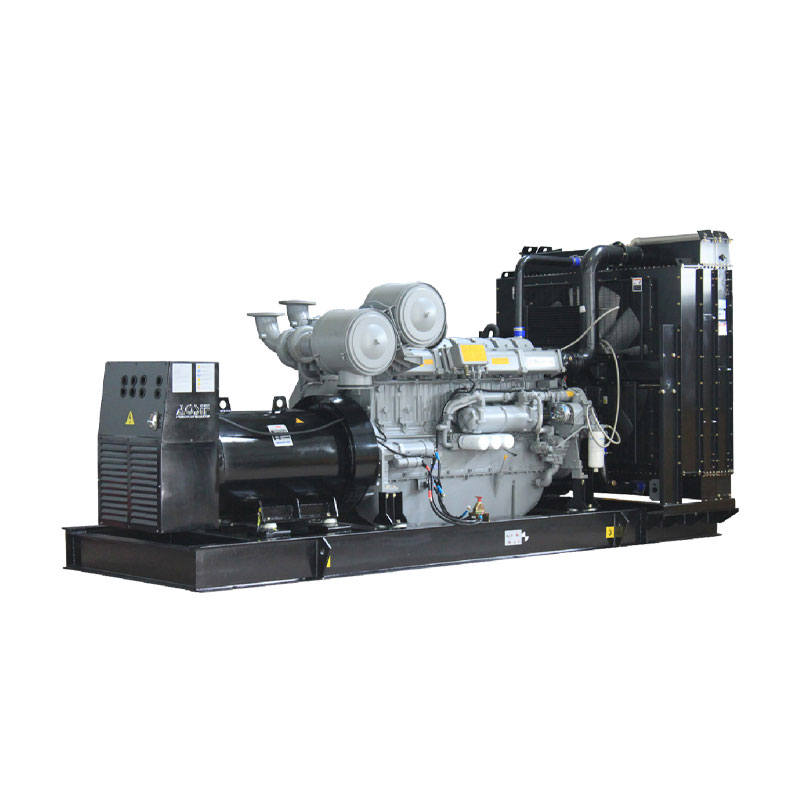
Customized African Diesel Generator Set
  • Customized African Diesel Generator SetCustomized African Diesel Generator Set

Customized African Diesel Generator Set

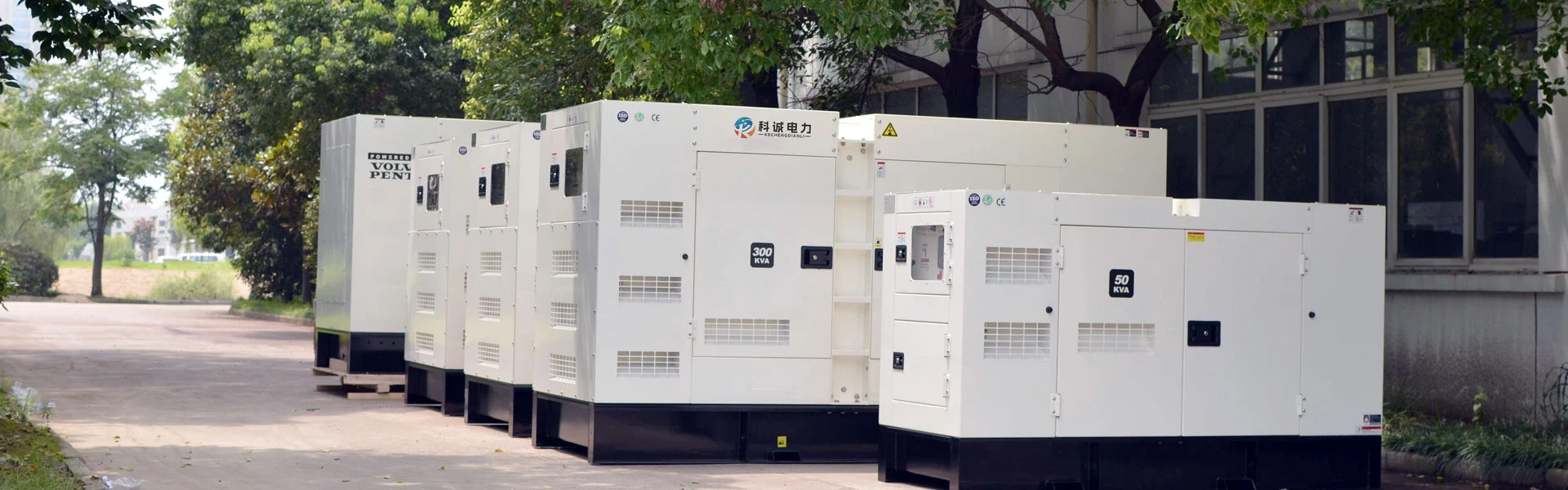
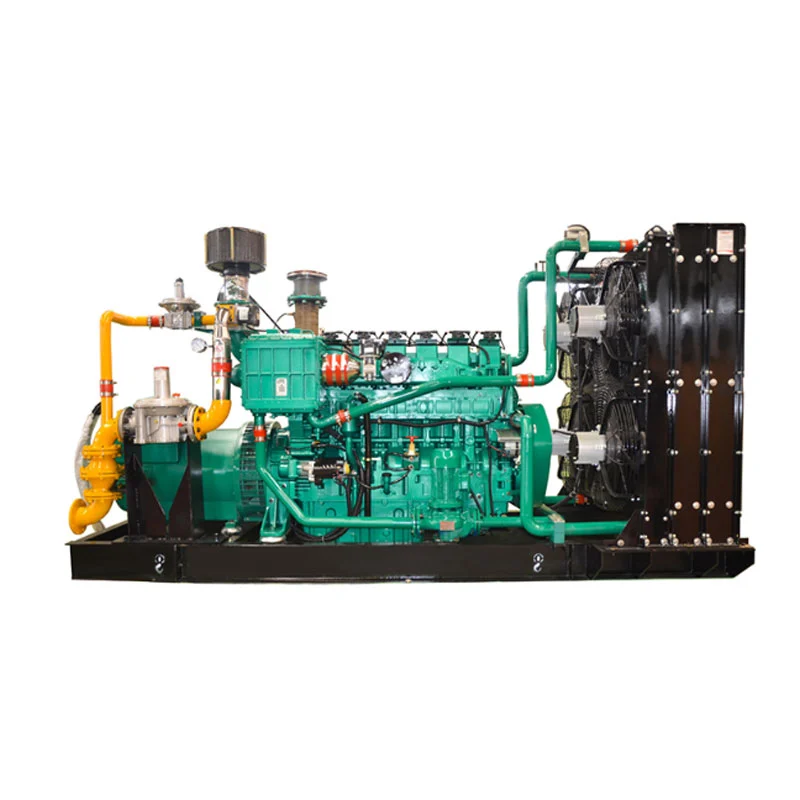
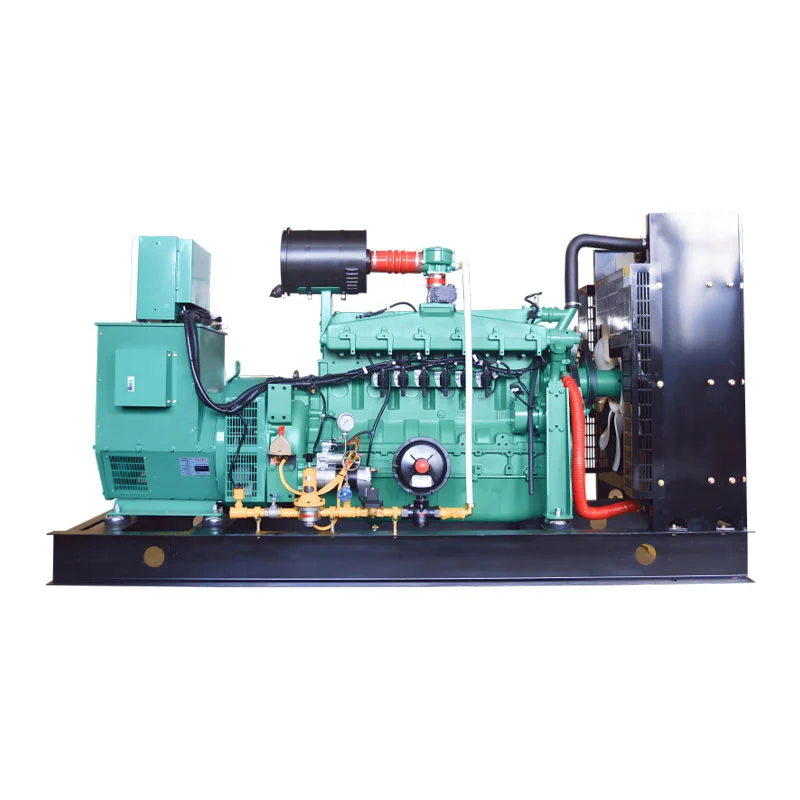
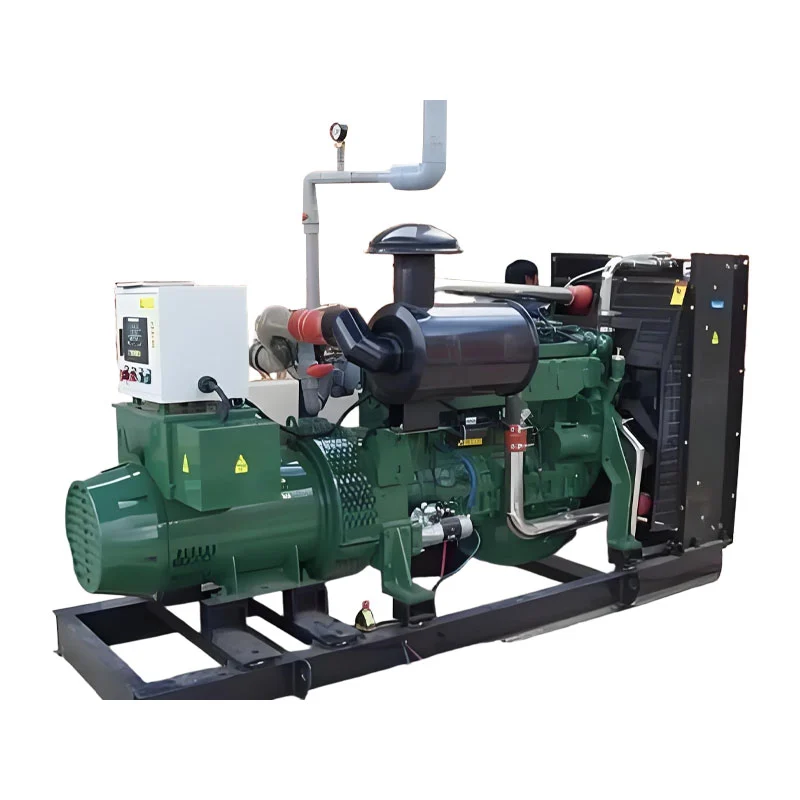
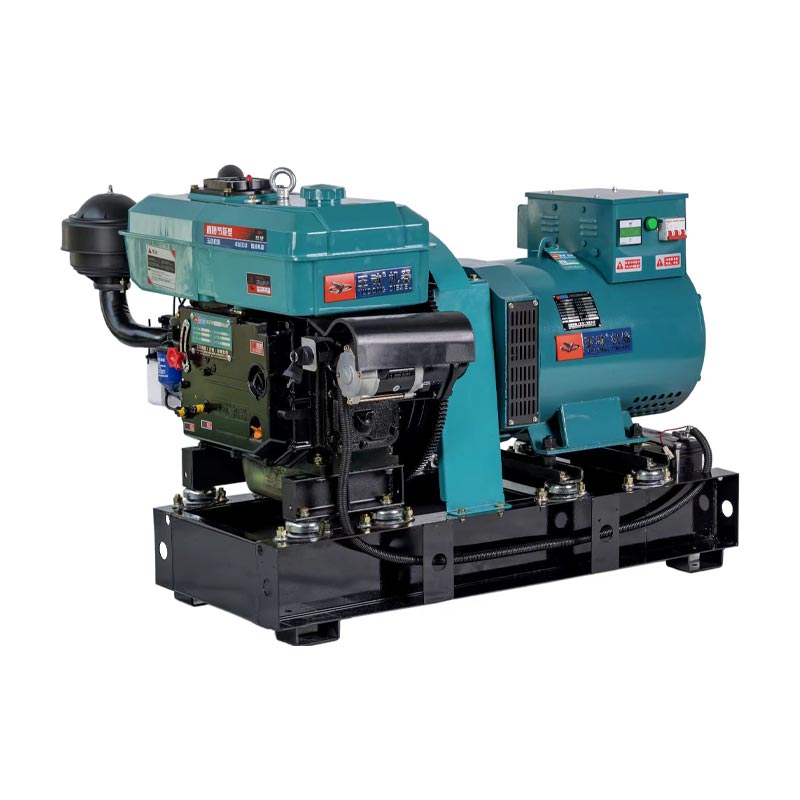
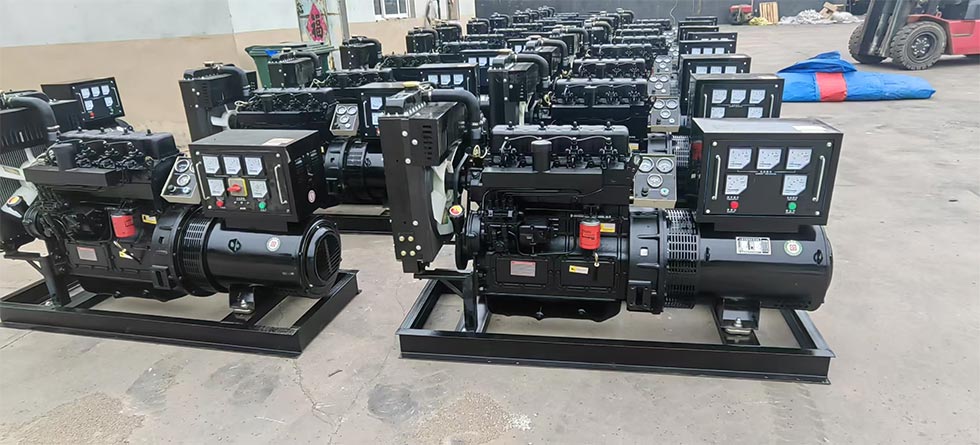
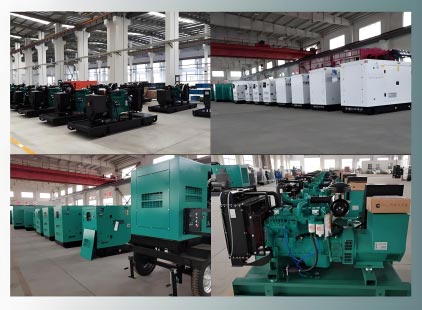
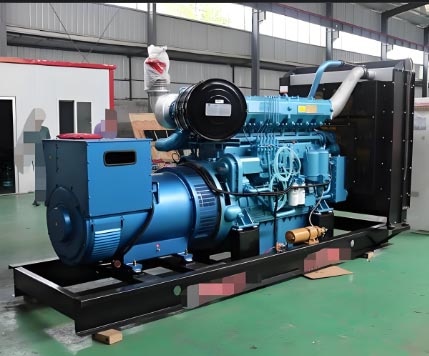
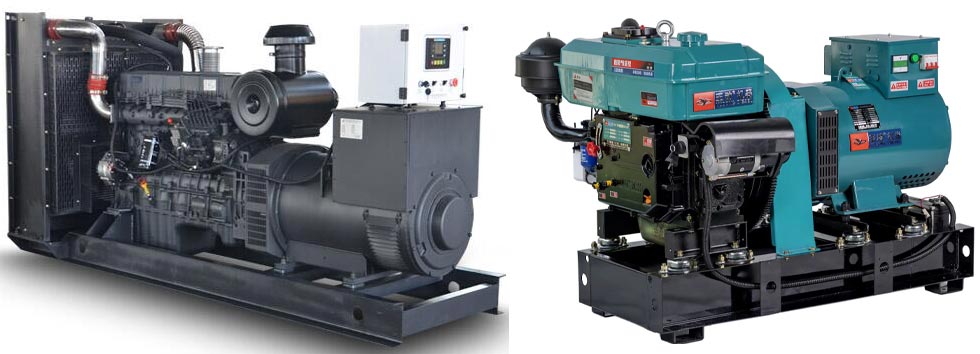
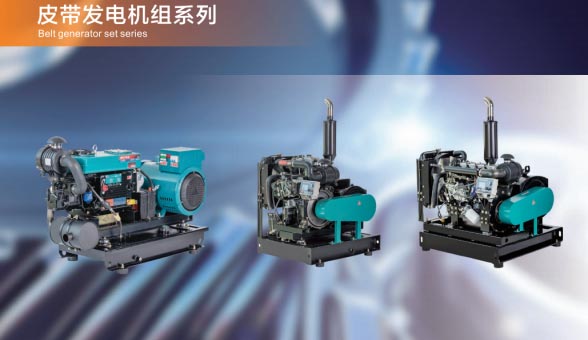
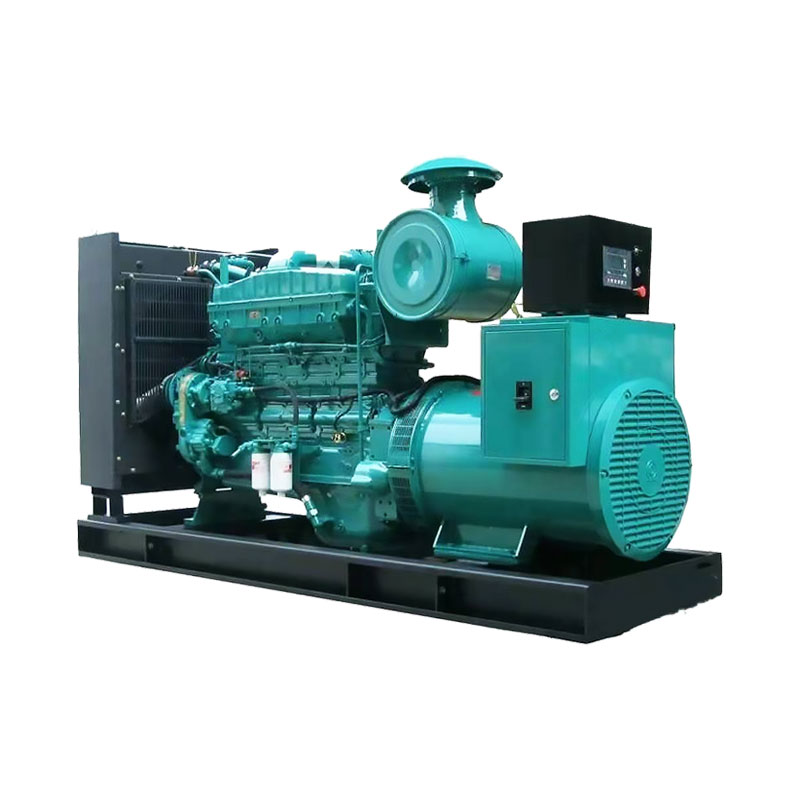
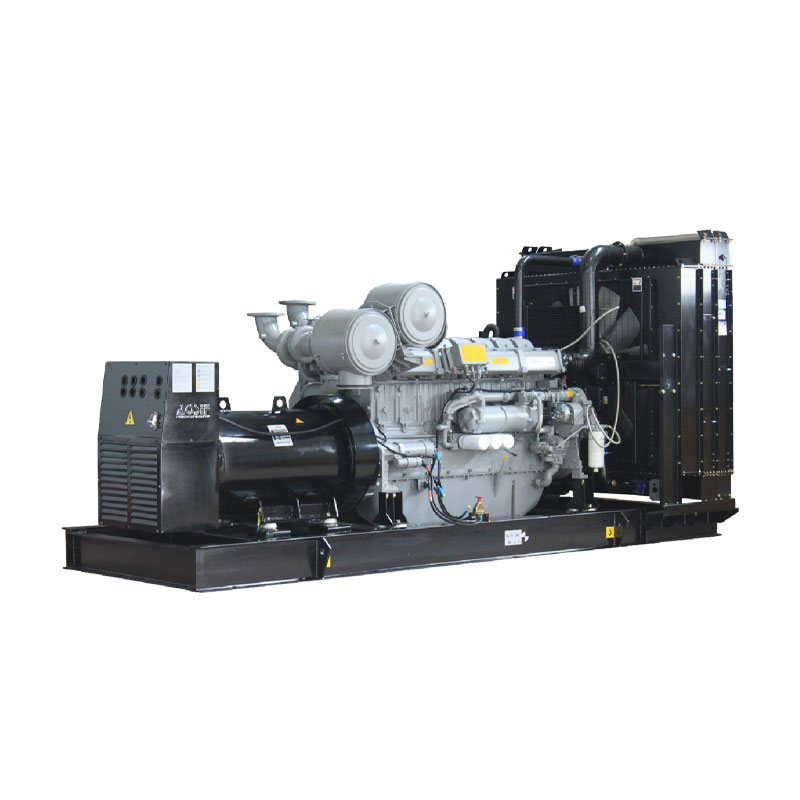
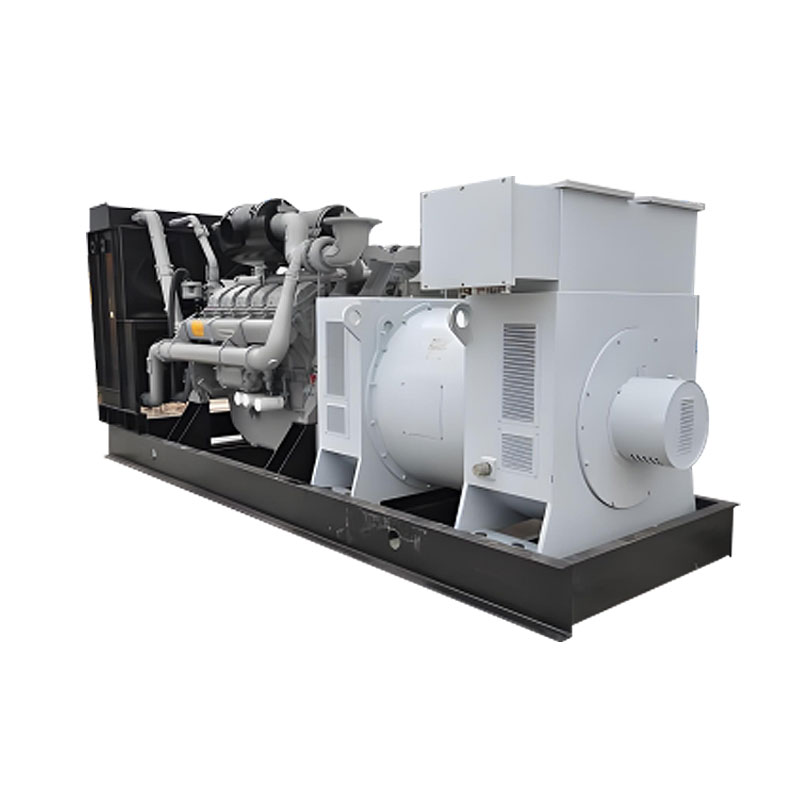
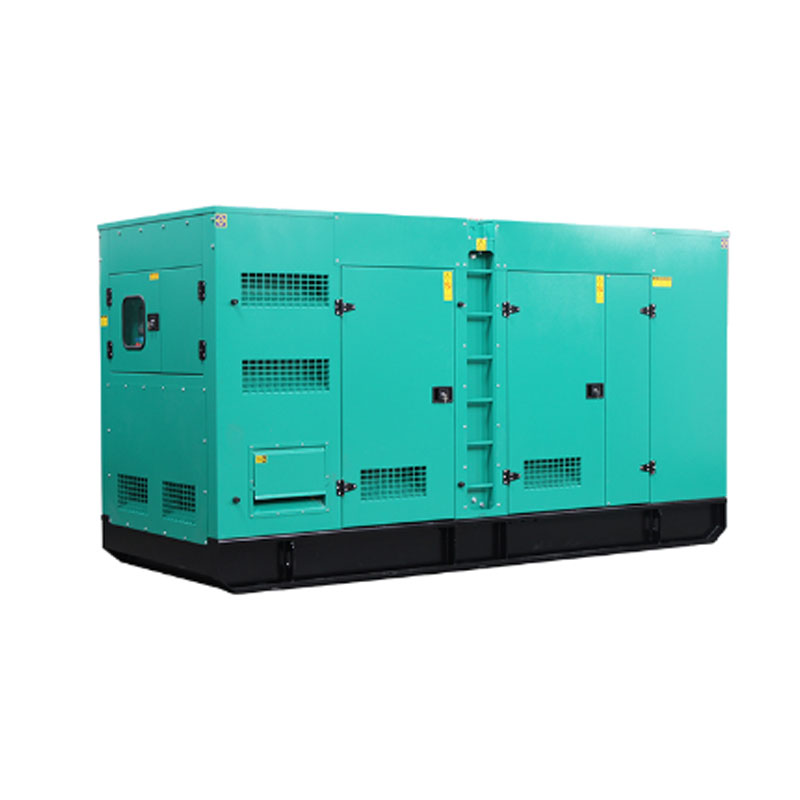
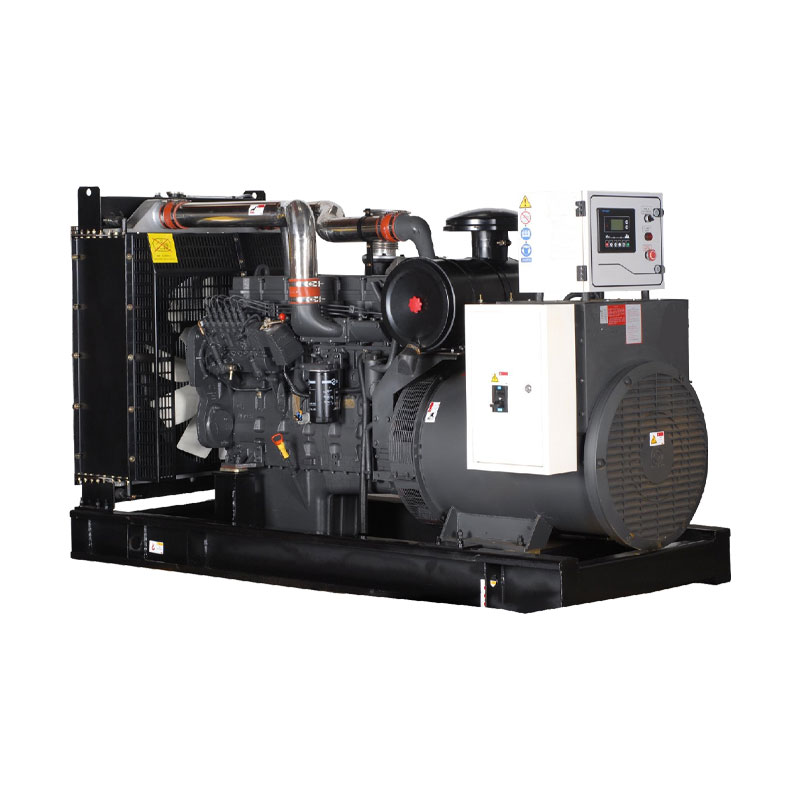
Kecheng, as a China manufacturer, has launched the customized African diesel generator sets ranging from 5 to 1000KW for customers who need diesel power generation equipment suitable for the African market,. This series of products is specially designed for typical environments in Africa such as high temperatures, high dust levels, and unstable fuel quality, and can provide stable and reliable power support in areas with power grid shortages.

The customized African diesel generator sets made by China supplier Kecheng are specifically designed for African market environment. The unit is designed to adapt to the high temperature and high dust environment common in Africa, as well as the unstable power grid and uneven fuel quality. It can operate stably at a temperature of 55℃ and has the function of filtering inferior fuel. This product adopts a dust-proof and anti-corrosion structure, which is convenient for maintenance and repair when local maintenance conditions are limited.From rural household electricity to agricultural irrigation, from mine mining to infrastructure construction, the series of units can provide continuous and reliable power support for various projects in Africa.As a power equipment factory in China, Kecheng Power is committed to providing more durable and more suitable power solutions for the African market through this customized product.

Customized African Diesel Generator Set

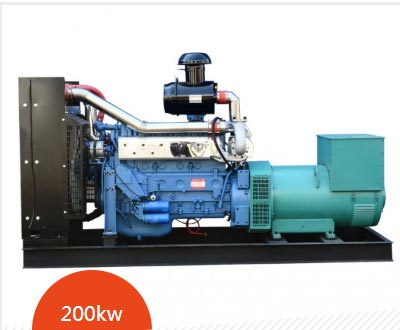
The sets are a dedicated power supply equipment for the African market, covering four power ranges: micro (5-20KW), small (20-50KW), medium (50-200KW), and large (200-1000KW).

Customized African Diesel Generator Set


Power Class Key Components Core Features Target Application
5-20KW (Mini) Engine: Yuchai YC2108 / Weichai WP2.3; Generator: 220V/380V Low Voltage Multi-layer dust filter, simple control panel Rural households, small shops, community clinics for basic lighting, refrigerator, and medical equipment power.
20-50KW (Small) Engine: Yuchai YC4F / Weichai WP4 Dual-voltage output, 3-stage fuel filtration, high-temperature enhanced cooling Small farm irrigation, rural schools, small processing plants for water pumps, rice mills, classroom lighting.
50-200KW (Medium) Engine: Yuchai YC6B / Weichai WP6 Anti-corrosion coating, high-capacity fuel tank Medium farms, mining camp living quarters, county hospitals for irrigation systems, dormitory power, and medical equipment (X-ray, oxygen concentrator).
200-1000KW (Large) Engine: Yuchai YC6C / Weichai WP12; Generator: 6kV High Voltage (Optional) Modular design, remote fault warning Large-scale mining, infrastructure projects (roads/bridges), urban emergency power for crushers, tower cranes, and main street lighting.

Application Scenarios (Specifically Adapted for the African Market)

1. Rural livelihood and small business scenarios (5-50KW)

• Applicable scenarios: African rural families (lighting, refrigerators, small household appliances), community clinics (vaccine refrigeration, infusion pumps), small shops (cash registers, freezers), rural schools (classroom lighting, multimedia equipment)

• Core value: The mini model (5-20KW) can meet the combined power supply needs of 3-5 households, with an average daily fuel consumption of only 3-8L, and is cost-effective. The small model (20-50KW) supports dual voltages of 220V/380V, which can not only supply electricity for households but also drive small rice mills and sewing machines. The operation panel of the equipment is marked in both Chinese and English. Local villagers can learn the basic operation within one hour.

2. Agricultural and irrigation scenarios (20-200 kW)

• Applicable scenarios: Small-scale farms in Africa (drip irrigation/sprinkler irrigation pumps), medium-sized plantations (cotton, tea processing equipment), rural water conservancy stations (water pumping from reservoirs)

• Core value: Resistant to the sandy and dusty environment in agricultural areas (IP54 dust-proof + pre-filter), preventing sand and dust from clogging the engine; Three-stage fuel filtration can handle local low-purity diesel (sulfur content ≤0.5%), reducing injector malfunctions. The medium-sized model (50-200KW) is equipped with a 1000L large-capacity fuel tank. When fully fueled, it can drive the irrigation pump to operate continuously for 24 hours, solving the irrigation problem during the dry season in Africa.

Customized African Diesel Generator Set

3. Mining and resource Development scenarios (100-1000KW)

• Applicable scenarios: Small gold and copper mines in Africa (crushers, mineral processing equipment), living camps in mining areas (power supply for dormitories, canteen equipment), remote oil fields (exploration equipment, oil transfer pumps)

• Core value: Large models (200-1000KW) can withstand three times the starting current and can directly drive mining crushers (no additional voltage reduction equipment is required); The fuselage is coated with an anti-corrosion coating (resistant to salt spray/mine dust), making it suitable for the highly polluted environment in mining areas. Supports remote fault early warning (4G/satellite networking), enabling quick problem identification through local stored logs even in areas without signal, reducing downtime.

Customized African Diesel Generator Set

4. Infrastructure and public Facilities scenarios (50-500KW)

• Applicable scenarios: Road construction in Africa (rollers, pavers), rural hospitals (operating room equipment, inpatient department power supply), county sewage treatment plants (pumps, aeration equipment)

• Core value: Medium-sized model (50-200KW) with hydraulic support legs, suitable for uneven ground in infrastructure construction sites; The high-temperature enhanced heat dissipation system (operating at full load without overheating under 55℃) is designed to cope with the perennial high temperatures in the equatorial regions of Africa. The public facilities can be complemented by solar panels for power supply (solar energy during the day and power generation at night), reducing fuel consumption and conforming to the green energy trend in Africa.

Customized African Diesel Generator Set

5. Emergency and disaster relief scenarios (20-200KW

• Applicable scenarios: Drinking water projects in arid regions of Africa (water well pumping), temporary resettlement sites after floods (lighting, medical tents), locust plague control (power supply for spray equipment)

• Core value: Both the small and medium-sized models are designed as trailers (can be towed by pickup trucks), and can reach the scene within one hour during disaster relief. With an IP54 waterproof rating, it can be started immediately after rain without waiting for it to dry. The spare parts have strong versatility (compatible with common local engine models), and vulnerable parts can be quickly replaced at disaster relief sites to ensure continuous power supply

Customized African Diesel Generator Set

Product advantages (Core competitiveness in the African market)

Advantage Category 5-20KW (Mini) 20-50KW (Small) 50-200KW (Medium) 200-1000KW (Large) User Practical Value
Environmental Adaptability IP54 dustproof, -10℃~50℃ operation, simple dust filter IP54 dustproof + pre-filter, -10℃~55℃ operation, 3-stage fuel filtration IP54 dustproof + anti-corrosion coating, -10℃~55℃ operation, high-temp cooling system IP65 dustproof + heavy-duty anti-corrosion, -10℃~55℃ operation, modular cooling Withstands African high temp, high dust, poor-quality fuel; no shutdown year-round
Economic Practicality Daily fuel consumption 3-8L, oil change interval 500h Daily fuel consumption 8-15L, supports dual voltage, multi-purpose Daily fuel consumption 15-40L, large tank (500-1000L), reduces refueling Daily fuel consumption 40-150L, dual-fuel option (diesel/heavy oil), reduces cost Low fuel/maintenance cost, suitable for long-term use in Africa
Ease of Maintenance Consumables (filters, belts) universal, replaceable by one person Bilingual (EN/CN) control panel, simplified manual with diagrams Key components with fault indicators, parts locally purchasable Modular design, single component failure doesn't affect whole unit, remote diagnostics Local technicians can maintain, no reliance on external teams
Portability & Deployment Weight ≤300kg, movable manually, plug-and-play Trailer-type, towable by pickup, one-click support legs Trailer/fixed options, installation ≤2h Modular transport, assemblable on-site (mines/construction), no large crane needed Adapts to Africa's poor transportation and limited space scenarios
After-sales Support 30+ Africa service points, 24h response, parts in stock 30+ Africa service points, on-site repair within 4h, parts kit included 50+ Africa service points, dedicated engineers, major repair support 50+ Africa service points, satellite remote support, parts warehouse coverage Fast after-sales response, solves maintenance difficulties in Africa

Technical parameters (Full power range of 5-1000KW)

Parameter Category 5-20KW (Mini) 20-50KW (Small) 50-200KW (Medium) 200-1000KW (Large)
Rated Power (Prime/Standby) 5/5.5 – 20/22 KW 20/22 – 50/55 KW 50/55 – 200/220 KW 200/220 – 1000/1100 KW
Engine Brand/Model Yuchai YC2108, Weichai WP2.3 Yuchai YC4F90, Weichai WP4.1D100E20 Yuchai YC6B150, Weichai WP6.240E33 Yuchai YC6C280, Weichai WP12H400
Generator Voltage/Frequency 220V (Single-phase)/380V (Three-phase), 50Hz 220V (Single-phase)/380V (Three-phase), 50Hz 380V/660V (Three-phase), 50Hz (60Hz optional) 380V/660V/6kV (Three-phase), 50Hz (60Hz optional)
Power Factor 0.8 (Lagging) 0.8 (Lagging) 0.8 (Lagging), customizable to 0.9 (Lagging) 0.8 (Lagging), customizable to 0.9 (Leading/Lagging)
Starting Method 12V Electric Start (Single Battery) + Manual Preheat 24V Electric Start (Dual Battery) + Manual/Auto Preheat 24V Electric Start + Air Start (Dual Backup) + Auto Preheat 24V Electric Start + Air Start + Hydraulic Start (Triple Backup) + Auto Preheat
Cooling Method Forced Air Cooling (Enhanced Radiator) Forced Air/Water Cooling (Optional, High-Temp Adaptable) Forced Water Cooling (Oversized Radiator + Fan) Forced Water Cooling + Cooling Tower (Independent Loop, High-Temp Adaptable)
Protection Rating IP54 (Body)/IP24 (Electrical), Dust Filter ≥80 Mesh IP54 (Body)/IP24 (Electrical), Pre-filter + Dust Filter IP54 (Body)/IP24 (Electrical), Anti-corrosion Coating + Dust Filter IP65 (Body)/IP24 (Electrical), Heavy-duty Anti-corrosion + Dust Filter System
Fuel Treatment 2-Stage Filtration (For Inferior Diesel) 3-Stage Filtration (Includes Water Separator) 3-Stage Filtration (Includes Water & Impurity Separation) 4-Stage Filtration (Adaptable to Heavy Fuel Oil/Inferior Diesel)
Full Load Fuel Consumption 230-250 g/(kW·h) 210-230 g/(kW·h) 200-220 g/(kW·h) 190-210 g/(kW·h) (Diesel) / 210-230 g/(kW·h) (Heavy Fuel Oil)
Fuel Tank Capacity 30-100 L (Runtime 8-12h) 100-300 L (Runtime 12-20h) 300-1000 L (Runtime 20-30h) 1000-3000 L (Runtime 25-40h), External Tank Supported
Unit Dimensions (L×W×H) 1200×600×800 – 1800×800×1000 mm 1800×800×1000 – 2500×1000×1200 mm 2500×1000×1200 – 4000×1500×1800 mm 4000×1500×1800 – 7000×2500×2800 mm
Unit Weight 150-300 kg 300-800 kg 800-3000 kg 3000-18000 kg
Warranty Period Core Components: 2 Years / 6000 Hours Core Components: 2 Years / 7000 Hours Core Components: 2 Years / 8000 Hours Core Components: 2 Years / 10000 Hours

Technical features (Customized exclusive design for Africa)

1. Extreme environment adaptation technology

• High-temperature heat dissipation optimization

① The micro/small models adopt "enlarged aluminum radiator + dual fans", with the heat dissipation area increasing by 30% compared to the ordinary models. Under a 50℃ environment, the water temperature at full load operation is ≤90℃.

② For medium and large-sized models, upgrade to "independent circulating water cooling + cooling tower". When the temperature reaches 55℃, the fan speed is automatically adjusted to maintain heat dissipation, preventing the engine from overheating and shutting down.

③ All models' exhaust pipes are equipped with heat insulation covers to reduce heat conduction to the body and protect the surrounding components.

• Dust-proof and anti-corrosion design:

① Intake system: The mini model is equipped with an 80-mesh dust-proof net, while the small and larger models are equipped with a "pre-filter + main filter" (dust-proof efficiency ≥98%), capable of filtering fine sand and dust from African grasslands/mining areas.

② Body protection: For medium-sized and larger models, the surface is sprayed with "epoxy zinc-rich primer + polyurethane topcoat", with a salt spray resistance test of ≥1500 hours, suitable for high-humidity environments along African coasts and during the rainy season.

③ Electrical components: All terminal blocks are equipped with waterproof and dustproof sealing rings to prevent sand and dust from entering and causing short circuits.

• Poor-quality fuel compatibility

① Fuel system: Micro model with two-stage filtration (coarse filtration + fine filtration), medium and above models with four-stage filtration (coarse filtration + water removal + fine filtration + injector protection filter), capable of handling inferior diesel with sulfur content ≤0.5% and impurity content ≤0.1%.

② Fuel injector: Made of wear-resistant alloy material, it can withstand the wear of impurities in diesel, and its service life is 50% longer than that of ordinary fuel injectors.

③ Fuel tank: Equipped with a drain valve (bottom inclined design), it is convenient to regularly drain water and sediment at the bottom of the fuel tank to prevent fuel deterioration.


2. User-friendly and low-maintenance design

• Simplified operation:

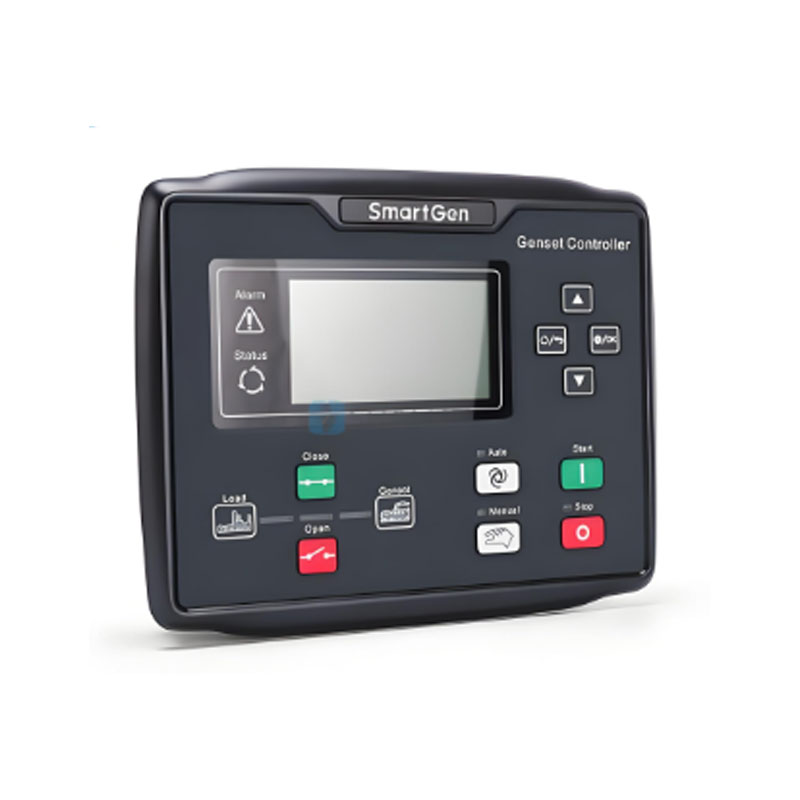
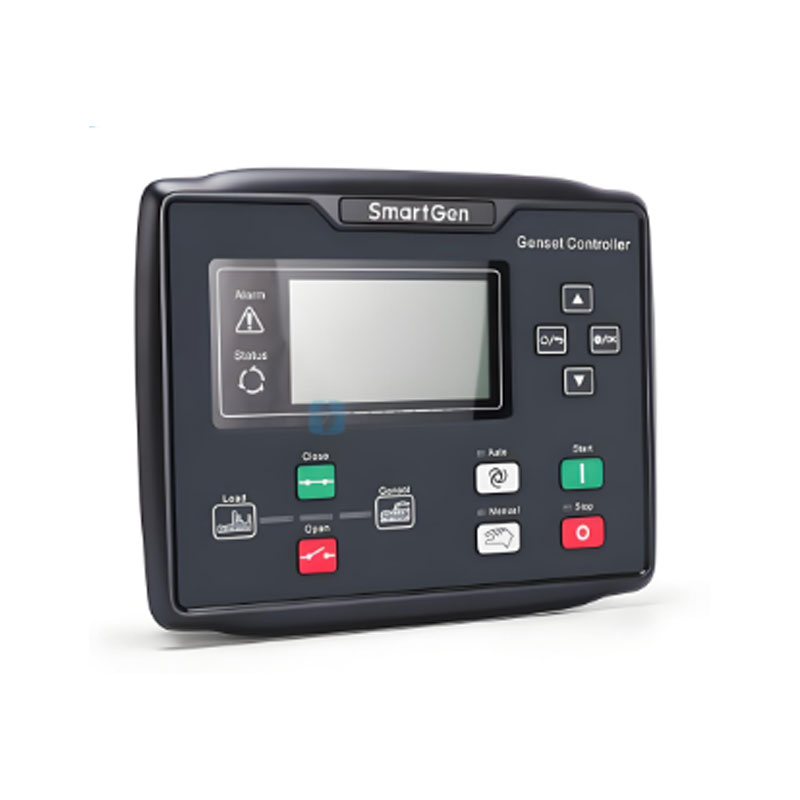
① Control panel: Bilingual (Chinese and English) identification. Core parameters (voltage, current, oil level) are displayed in large font. It is equipped with audible and visual alarms (red light flashes and beep when a fault occurs), allowing local villagers to determine the status without professional knowledge.

② Startup process: The mini model can be started with one button, while the small and larger models are equipped with a three-position switch of "start - Run - stop" to prevent misoperation.

③ Remote monitoring: For medium-sized and larger models, 4G/satellite Internet connection is available. Operation data (fuel consumption, fault codes) can be viewed through the mobile phone APP. In remote areas, one-year logs can be stored for easy troubleshooting in the future.

• Easy to maintain and optimize

① Wear parts: Filter elements, belts, batteries, etc. adopt common models in the African market (such as compatible with the common Toyota/Mitsubishi engines in the local area), and can be easily purchased locally.

② Maintenance space: The body is reserved with a large-sized inspection door. The positions of easily maintainable components such as the filter element and oil dipstick are prominent. One person can complete the filter element replacement within 15 minutes.

③ Maintenance Manual: Provide a simplified version of the manual with pictures and text (reducing text and adding step diagrams), marking the alternative models of spare parts available for purchase locally, to reduce the difficulty of maintenance.


3. Energy complementarity and endurance design

• Solar complementary

Medium-sized and larger models support linkage with solar panels. The controller automatically detects the solar power generation, prioritizing the use of solar energy during the day and automatically starting the unit when it is insufficient. At night, the unit supplies power, which can reduce fuel consumption by 30% to 50% and is suitable for regions with abundant sunlight in Africa.

• Long-range optimization

① Fuel tank design: Micro model 30-100L (sufficient for one day of household electricity consumption), large model 3000L (sufficient for three days of continuous operation in mining areas). All models' fuel tanks are equipped with liquid level gauges and low oil level alarms.

② Heavy oil compatibility: The large model can be optionally equipped with a heavy oil combustion system. The cost of heavy oil is 40% lower than that of diesel, making it suitable for long-term high-load usage scenarios such as the African mining industry.

③ Fuel-saving mode: Medium and larger models are equipped with an "economic speed" function. When the load is ≤50%, the speed is automatically reduced, reducing fuel consumption by 15% to 20%.

Power selection (Precise matching for African scenarios)

1.Core selecting basis

Selection Dimension Key Factors Calculation Method / Recommendation
Power Demand Total Load Power, Equipment Type (Lighting / Motor / Medical), Daily Operating Hours Prime Power = Total Load Power × 1.2 (20% margin to handle African voltage fluctuations). For motor loads (e.g., pumps), size by starting current multiplier (e.g., for 2.5x starting current, select 2.5x Prime Power). For medical equipment, choose units with voltage distortion rate ≤2%.
Environmental Conditions Regional Temperature (Tropical/Sub-tropical), Dust Concentration (Grassland/Mine), Fuel Quality (Urban/Rural) Tropical areas (≥40°C): Choose Medium or High-temperature models.Mine/Grassland areas: Choose dust-proof models with pre-filters.Rural areas with poor fuel quality: Choose models with 3-stage or higher fuel filtration.
Deployment Scenario Mobility (Fixed/Trailer), Site Size (Household/Construction Site), Transportation Conditions (Road/Dirt Road) Household/Small shops: Choose Mini fixed models.Farms/Disaster relief: Choose Small trailer models (towable by pickup).Mines/Construction: Choose Medium/Large trailer models (with tires suitable for dirt roads).
Maintenance Capability Local Technical Skill Level (Professional/Non-professional), Spare Parts Availability (Urban/Remote) Non-professional maintenance: Choose Mini/Small easy-to-maintain models.Remote areas: Choose models with universal spare parts to avoid reliance on imported parts.

2.Power recommendation for typical scenarios

African Scenario Type Power Demand Details Recommended Power Range Recommended Configuration (Africa Customized)
Rural Household (3-5 families) Lighting (500W × 5) + Refrigerator (1000W × 3) + Small appliances (1000W) 5-10KW 10KW Yuchai YC2108 model, IP54 dustproof, 2-stage fuel filtration, 220V/380V dual voltage
Small Farm (50 acres) Irrigation pumps (5KW × 2) + Rice mill (3KW) + Dorm lighting (2KW) 20-30KW 30KW Weichai WP4 model, trailer-type, 3-stage fuel filtration, high-temp air-cooled, 500L fuel tank
Mine Living Camp (200 people) Dorm AC (1.5KW × 50) + Canteen equipment (10KW) + Lighting (5KW) 100-150KW 150KW Yuchai YC6B model, anti-corrosion coating, 4-stage fuel filtration, solar complementary, 1000L fuel tank
Rural Hospital (20 beds) Oxygen concentrator (5KW) + Operating room equipment (10KW) + Ward lighting (5KW) 50-80KW 80KW Weichai WP6 model, IP54 dustproof, high-temp water-cooled, remote fault warning, 800L fuel tank
Road Construction Site (Roller + Paver) Roller (30KW) + Paver (20KW) + Lighting (5KW) 80-100KW 100KW Yuchai YC6B model, trailer-type with hydraulic support legs, mine dust-proof, 3-stage fuel filtration

Usage Method (Exclusive operation for African scenarios)

1.Pre-startup inspection (focusing on the African environment)

Inspection Item Inspection Content (Focus on African Scenarios) Qualification Standard
Fuel System Fuel level (tank sight glass), fuel filter clogging (pressure gauge), tank drain valve closed Fuel ≥ 1/3 tank capacity; fuel filter pressure drop ≤0.2MPa (or monitor oil pressure after startup if no gauge); drain valve fully closed
Air Intake & Cooling Dust filter / pre-filter clogging (visual check), radiator sand/dust (grassland/mine areas) No significant sand/dust accumulation on filter; radiator surface free of debris/overgrowth (clean with compressed air/brush)
Oil & Electrical Oil level (dipstick), battery voltage (12V/24V), terminal connections tight Oil level between MAX-MIN marks (use Kecheng-recommended high-temp oil); battery voltage ≥12.0V (12V) / ≥24.0V (24V); terminal connections tight

2. Startup operation (power division process)

(1) Mini Model (5-20KW, for home/shop)

1. Preparation: Confirm that the load switch is off, open the fuel valve, and clean the surface dust of the dust-proof net.

2. Preheating start: Press the "Preheating" button (30 seconds) when the temperature is low (≤10℃), then press the "Start" button. After the engine starts, observe the rotational speed (1500r/min).

3. Loading: After the voltage stabilizes (about 1 minute), first turn off the switches of lighting or small household appliances, and then turn off high-power devices (such as refrigerators) to avoid loading simultaneously.

(2) Large models (200-1000KW, mining area/infrastructure)

1. Preparation: Park the trailer on a flat ground, extend the hydraulic support legs (with the body level), and check the fuel filtration system (with no blockage in the four-stage filtration).

2. Startup: Select "Auto Preheating" (no preheating required at 55℃ high temperature), press the "Start" button (hydraulic start), and observe the oil pressure (≥0.3MPa) and water temperature (≤85℃).

3. Staged loading: First, close the 20% load (such as lighting, small water pumps), run for 5 minutes, then increase to 50%, and run for another 5 minutes to increase to 100% to avoid impacting mining equipment (such as crushers).


3. Operation Monitoring and Shutdown (Key Points for African Scenarios)

• Real-time monitoring

①Pay close attention to water temperature (≤95℃) and oil pressure (≥0.2MPa). Record every 15 minutes during the high-temperature period (12:00-16:00 noon).

② The dust-proof nets in the mining area/grassland should be inspected every two hours. If any blockage is found, the machine should be stopped immediately for cleaning (using a brush or compressed air, avoiding water flushing).

③ In rural areas with poor-quality fuel, after the machine stops every day, open the water drain valve of the fuel tank to drain the accumulated water and sediment at the bottom (about 50-100mL).

• Exception handling:

① High-temperature alarm (water temperature ≥98℃) : Immediately reduce the load to 50%, check if the radiator is clogged. If the alarm persists after cleaning, stop the machine for cooling.

② Low oil pressure (≤0.2MPa) : Stop the machine to check the oil level. If it is insufficient, add high-temperature compatible oil. If the oil level is normal, check if the oil filter is clogged.

③ Failed startup: Check the fuel filter (whether it is clogged) and the battery (whether it is discharged). In rural scenarios, you can try replacing the spare filter element (purchased locally).

• Shutdown process:

① Unloading: Disconnect all load switches and reduce to no-load.

② Cooling: Run the mini model no-load for 3 minutes, and the large model for 8 to 10 minutes (to cool the turbocharger).

③ Shutdown: Press the "Stop" button, close the fuel valve, and clean the sand and dust on the surface of the dust-proof net (to prepare for the next start-up);

④ Long-term shutdown (≥1 week) : Drain the remaining fuel in the fuel tank (to prevent deterioration), turn off the battery switch, and cover with a dust cover.

Safety and Protection (African Scenario Specifications)

1. Installation safety (for African conditions)

• Venue and Fixation:

① Install in a well-ventilated and open area, away from thatched cottages and haystacks (as there are many flammable buildings in Africa), and keep at least 10 meters away from open flames.

② Place the miniature models on cement platforms or wooden boards (to prevent corrosion by ground moisture), and place stones under the support legs of the large models (on uneven ground at construction sites).

③ For trailer-mounted models, disconnect the load when moving and secure the cables to prevent them from falling off due to bumpy dirt roads.

• Electrical safety:

① Grounding protection: All models must be grounded (driven into the ground with 2-meter-long galvanized Angle steel, grounding resistance ≤4Ω) to prevent electric shock in the humid environment of Africa.

② Cable selection: Use sun-resistant and wear-resistant rubber-sheathed cables (with strong ultraviolet rays in Africa), with a length of no more than 50 meters (to avoid voltage loss), and wrap the joints with waterproof tape.

③ Anti-electric shock: Set up simple fences (wooden poles or wire mesh) around the unit and hang bilingual (Chinese and English) signs saying "High Voltage Danger" to keep children away.

• Fuel safety:

① Fuel storage: Use metal fuel tanks (avoid deformation of plastic fuel tanks due to direct sunlight), keep at least 5 meters away from the unit. Smoking and open flames are strictly prohibited.

② Refueling operation: After the machine stops, refueling should be done using a fuel can with a filter screen (to filter out impurities) to prevent fuel overflow (high temperatures in Africa can easily cause fires).

③ Fire protection configuration: Equip 1-2 4kg ABC dry powder fire extinguishers (African dry areas are prone to fire), place them in a prominent position beside the unit, and check the pressure monthly.


2. Operational Safety (for African users)

• Personnel requirements:

①Operators are required to read the simplified maintenance manual and master the basic process of "startup - loading - shutdown". Children and drunk people are strictly prohibited from operating.

② When operating during the high-temperature period (noon), wear a sun protection hat and gloves to avoid scalding the machine body due to high temperatures.

③ When operating in the mining area or grassland, pay attention to preventing insects and snakes (clear the weeds around the unit and spray insect repellent if necessary).


• Operating contraindications:

① Do not force the engine to start when the dust-proof net is blocked (it may cause insufficient air intake of the engine and a decrease in power).

② It is strictly prohibited to use inferior diesel (such as diesel mixed with water or impurities). Even if local fuel is in short supply, it must be filtered before use.

③ Do not operate outdoors during thunderstorms (there are many thunderstorms in the rainy season in Africa). The power supply must be disconnected to avoid lightning strikes.

• Emergency response:

① Fire: Immediately stop the machine, close the fuel valve, use a dry powder fire extinguisher to put out the fire. If the fire spreads, evacuate and contact the local fire department.

② Electric shock: Disconnect the power supply, push the person who has been electrocuted away with a dry wooden stick or bamboo pole. Do not touch them directly with your hands. If necessary, perform artificial respiration.

③ Abnormal engine noise: Stop the machine immediately, check the oil level and whether the fan is stuck. Those without experience are prohibited from disassembling it by themselves. Contact after-sales service.


3. Maintain security (Maintenance conditions for Africa)

• Preparations before maintenance:

① Disconnect the power supply of the unit, close the fuel valve, and hang the "Under Maintenance, Do not Start" sign (in both Chinese and English).

② Prepare tools (wrenches, brushes, spare filter elements), and clean the maintenance area (to prevent sand and dust from falling into the engine);

When performing high-temperature maintenance, cool the engine first (≤40℃) to avoid burns. Wear protective gloves if necessary.

• Core maintenance projects:

① Dust-proof net/pre-filter: For the mini model, clean it weekly (sweep with a brush). For mining areas/grasslands, clean it every 3 days. Replace it if it is severely clogged.

② Fuel filter: For micro models, replace every 300 hours; for medium and larger models, replace every 500 hours. At the same time, drain the accumulated water in the fuel tank.

③ Engine oil: Change every 500 to 800 hours (shorten to 500 hours in high-temperature environments). Use 15W-40 high-temperature compatible engine oil. Pour old engine oil into a dedicated container (do not contaminate African soil/water sources).

• Post-maintenance testing:

After the maintenance is completed, start the unit and run it no-load for 5 minutes to check if the voltage, water temperature and oil pressure are normal. Load 20% and run it for 10 minutes. After confirming there are no abnormalities, put it into use.

Maintenance Cycle Table (Exclusive for African Scenarios)

Maintenance Level Cycle 5-20KW (Mini) 20-50KW (Small) 50-200KW (Medium) 200-1000KW (Large) Responsible Party
Daily Daily (Before Operation) Check fuel level, clean dust filter, check oil level Same as Mini + check fuel filter pressure drop, check battery voltage Same as Small + clean radiator, check hydraulic support legs Same as Medium + check cooling tower water level, test remote monitoring User (Household/Shop)
Weekly Weekly Deep clean dust filter, drain water from tank, tighten terminal connections Same as Mini + clean air filter, check belt tension Same as Small + clean primary fuel filter, test fan function Same as Medium + filter heavy fuel system (if any), check modular connections Local Maintenance Personnel
Monthly Monthly Replace fuel filter, top up oil, charge starting battery Same as Mini + replace air filter, replace oil filter Same as Small + clean cooling system scale (rainy season), inspect anti-corrosion coating Same as Medium + test high-voltage system insulation, test dual-fuel switching (if any) Local Maintenance Personnel
Quarterly Every 3 Months Change oil, test generator insulation, check starting system Same as Mini + check engine valve clearance, clean injectors Same as Small + maintain turbocharger, calibrate solar complement Same as Medium + inspect modular components, prepare for major overhaul (parts procurement) Kecheng Africa Service Team
Annual Yearly Full performance test (power, fuel consumption), treat unit body for anti-corrosion Same as Mini + test engine cylinder pressure, test ATS switching function Same as Small + overhaul cooling system, touch up anti-corrosion coating Same as Medium + perform engine deep maintenance, maintain high-voltage switchgear Kecheng Africa Service Team
Seasonal Before Rainy/Dry Season Waterproof check (terminals), replace dust filter Same as Mini + check drainage system (fuel tank/cooling system) Same as Small + reinforce anti-corrosion coating, clean cooling system Same as Medium + check lightning protection grounding, maintain heavy fuel system (dry season) Local Maintenance + Service Team
Hot Tags: Customized African Diesel Generator Set
Send Inquiry
Contact Info
For inquiries about Gas Generator, Biogas Generator, Diesel Generator or price list, please leave your email to us and we will be in touch within 24 hours.
X
We use cookies to offer you a better browsing experience, analyze site traffic and personalize content. By using this site, you agree to our use of cookies. Privacy Policy
Reject Accept