Products

Products

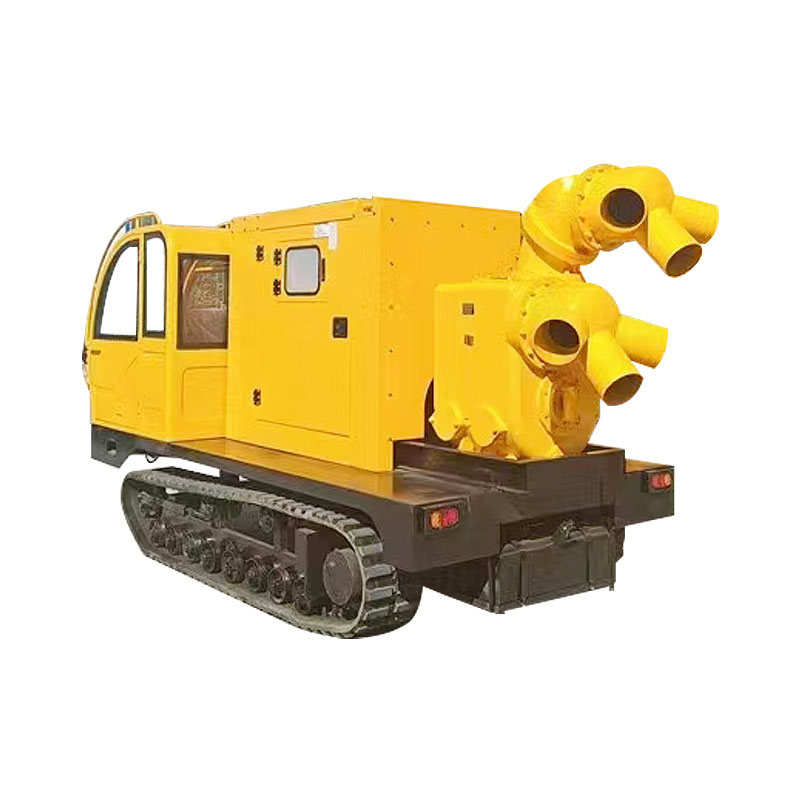
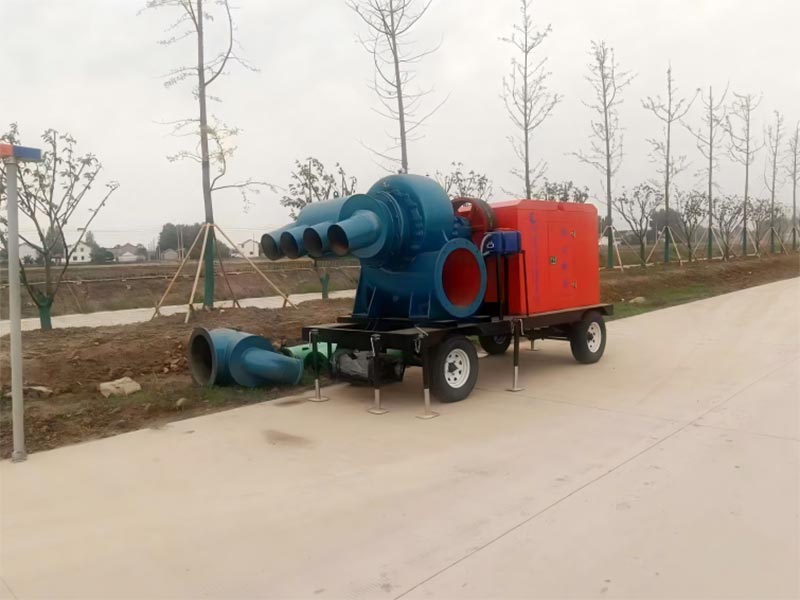
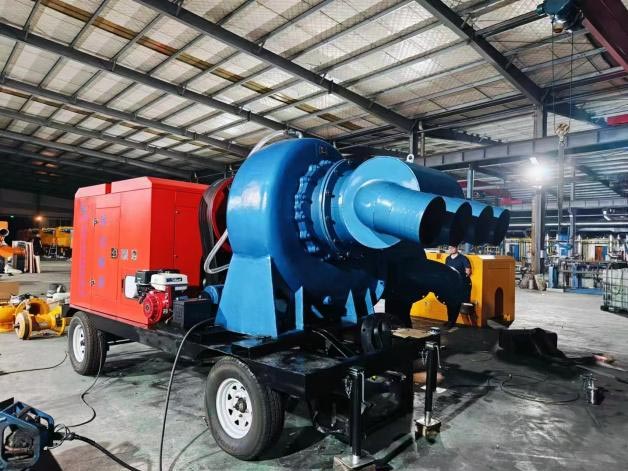
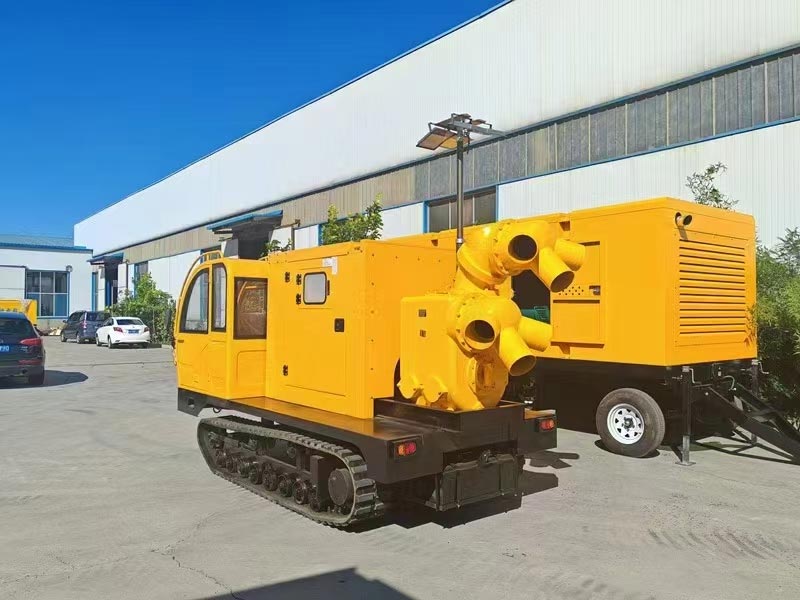
Diesel engine-powered water pump unit
  • Diesel engine-powered water pump unitDiesel engine-powered water pump unit

Diesel engine-powered water pump unit

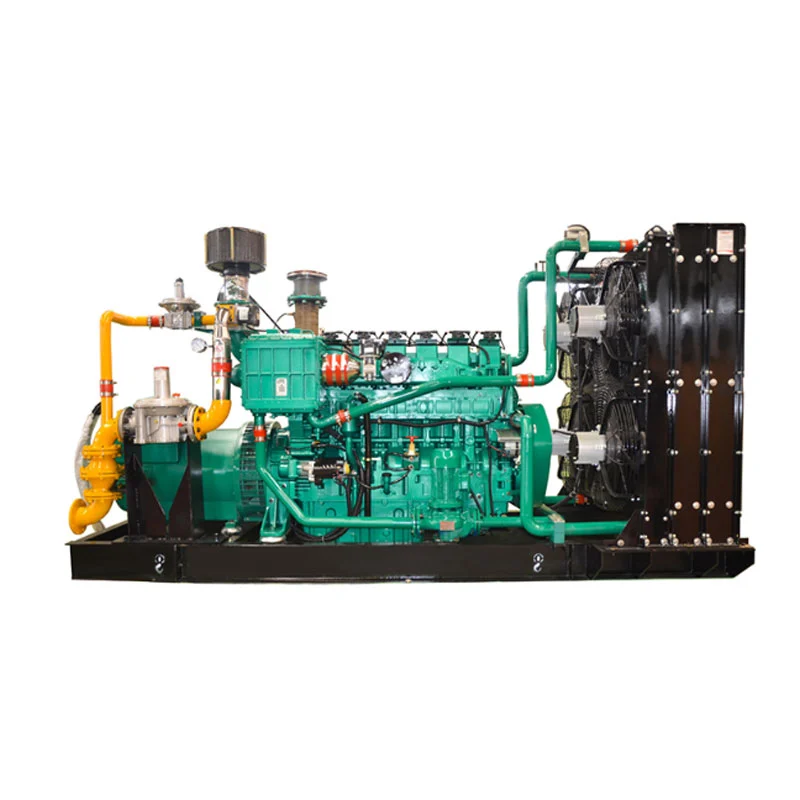
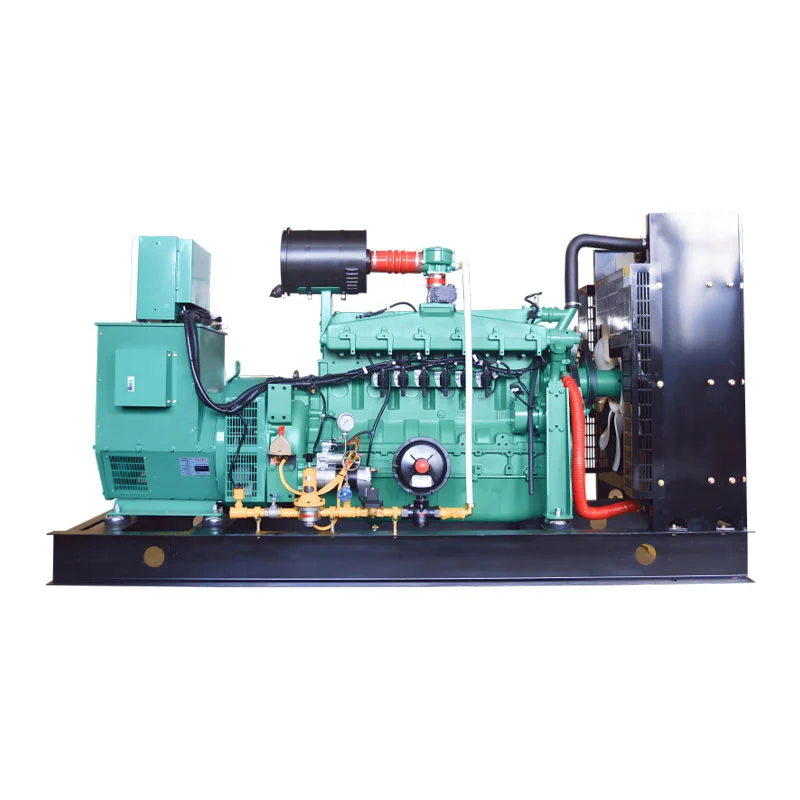
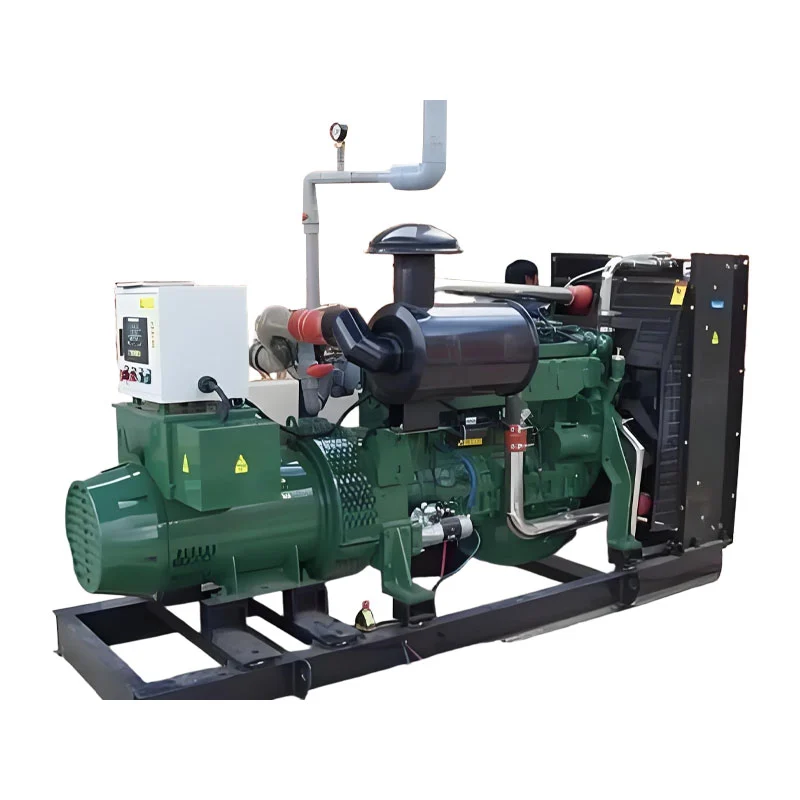
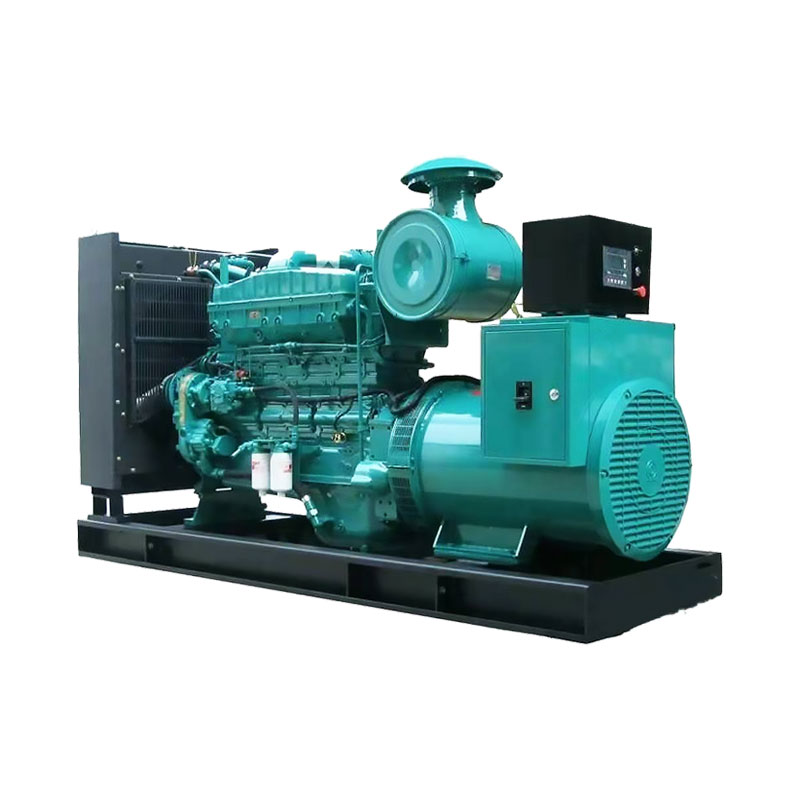
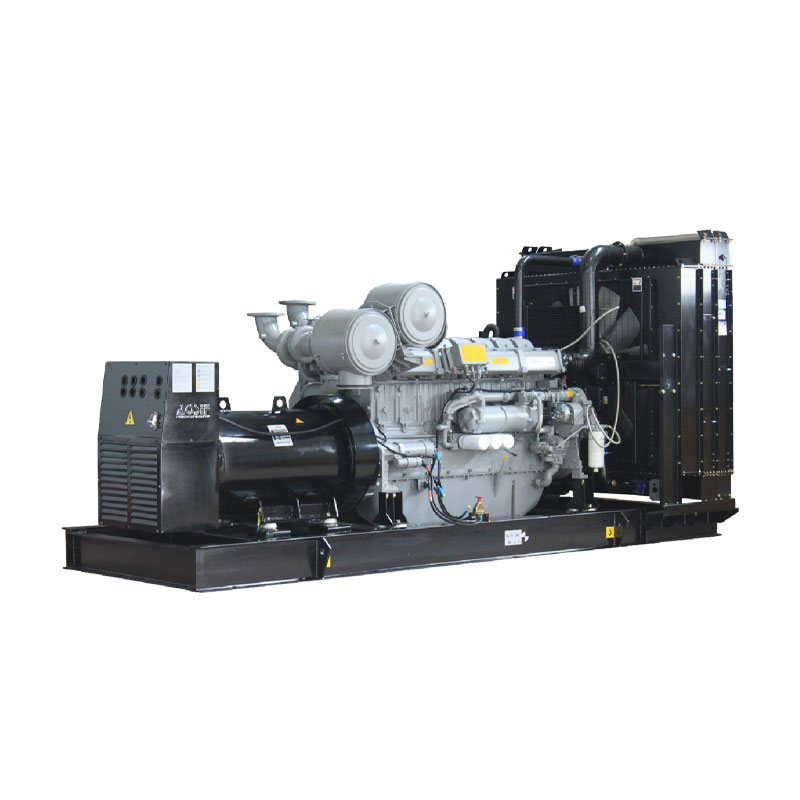
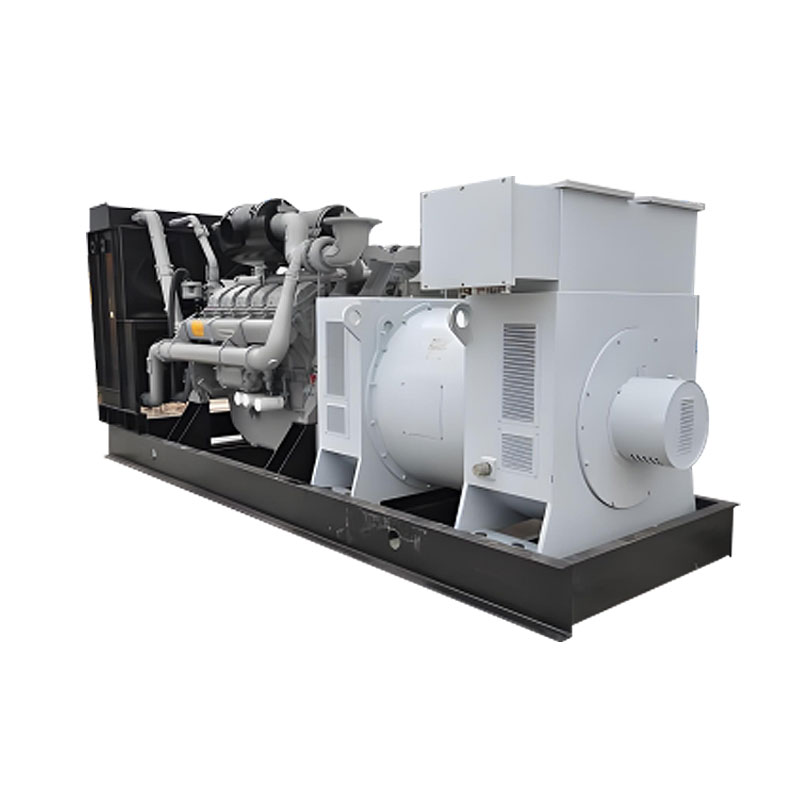
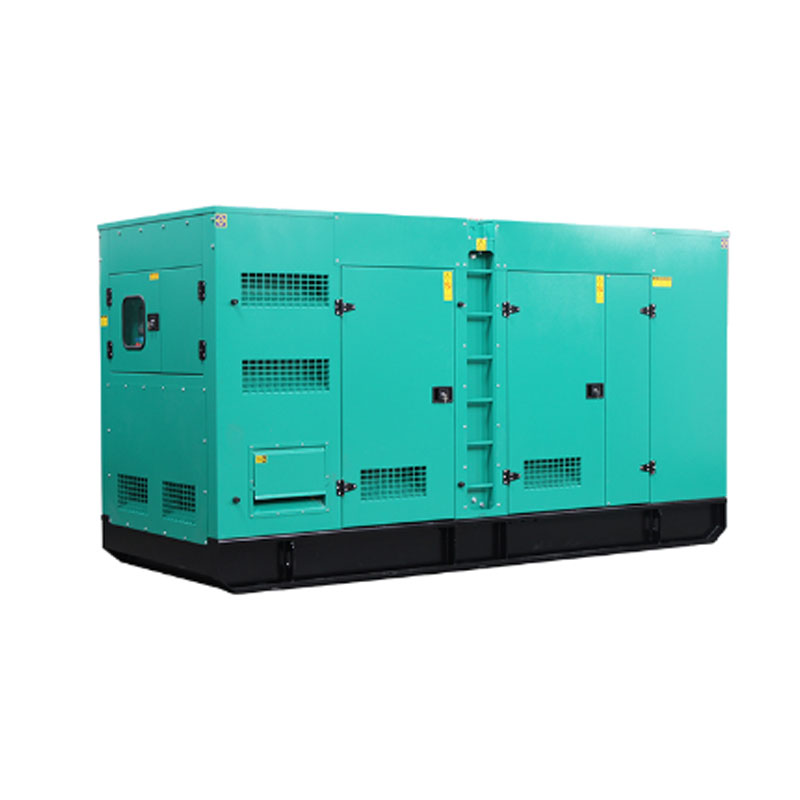
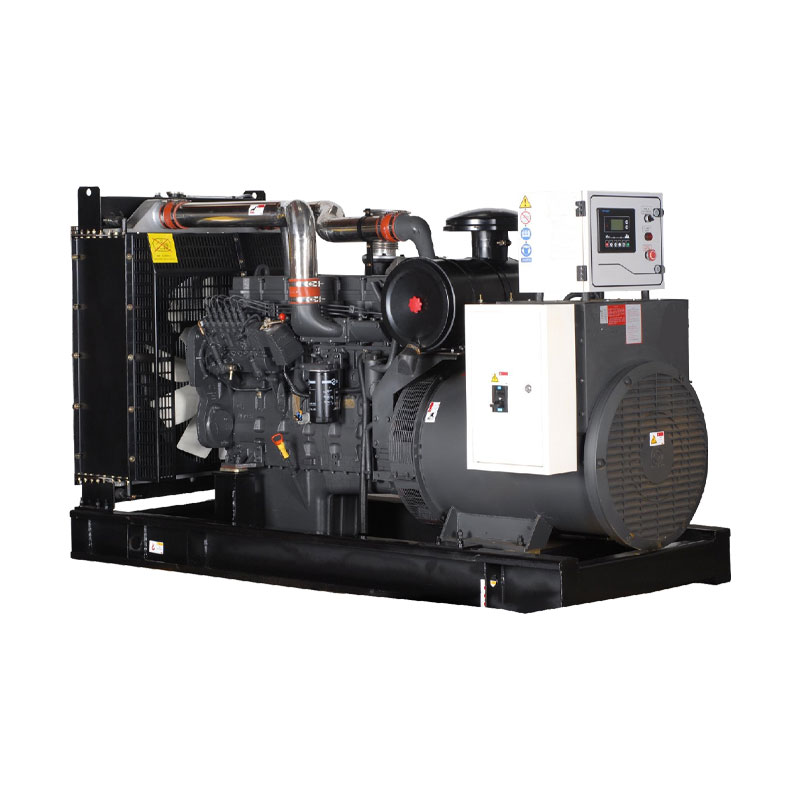
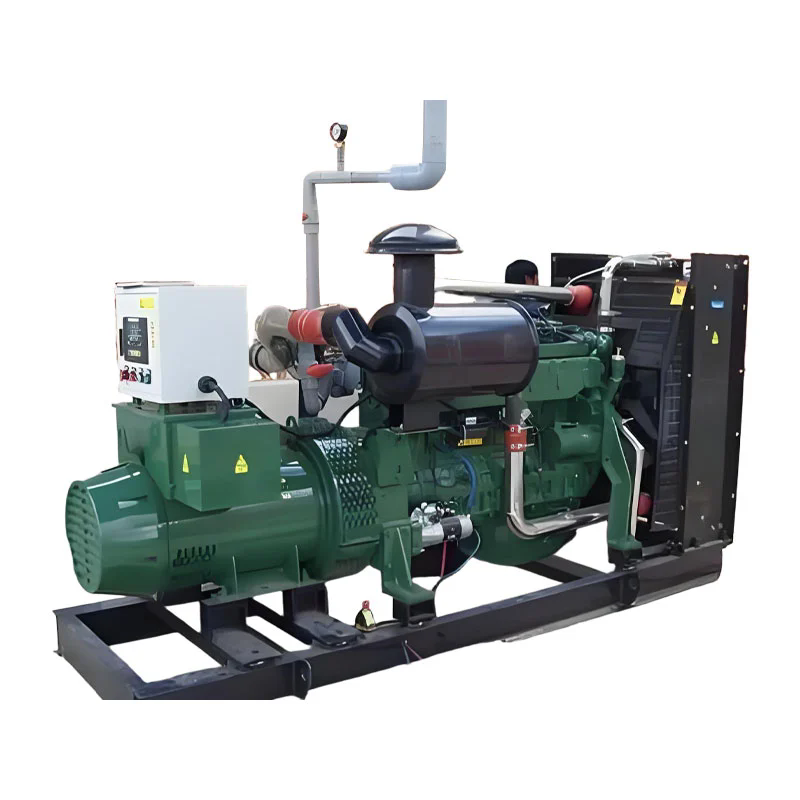
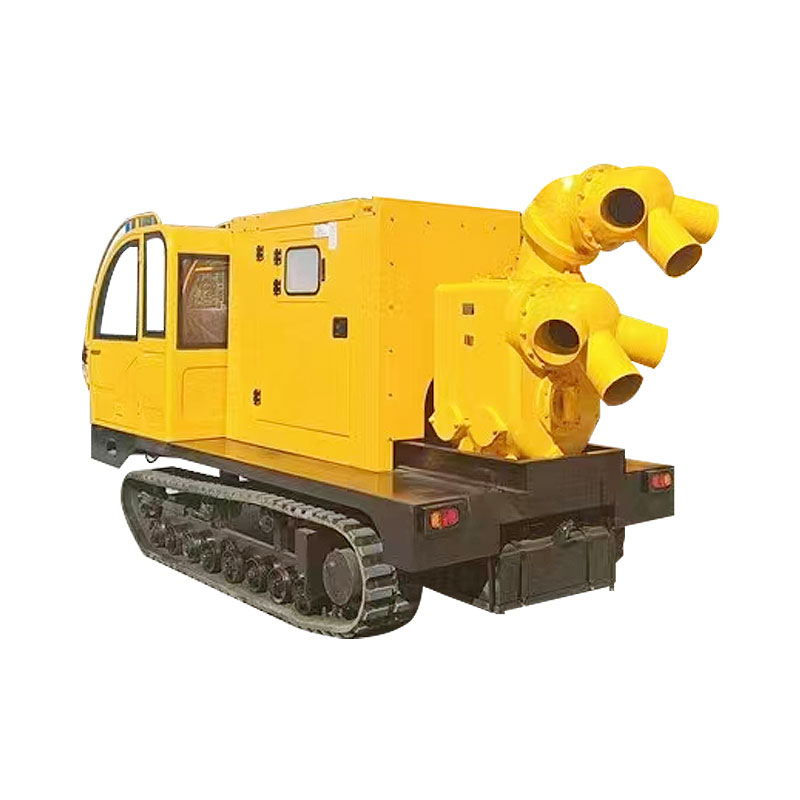
As a reliable China supplier, Kecheng manufactures this of the diesel engine-powered water pump units, which is specially designed for scenarios without power grids such as agricultural irrigation and municipal drainage. It directly drives the water pump through a diesel engine to achieve stable and efficient high-flow fluid transportation.

The diesel engine-powered water pump units by China Kecheng offers a mature solution for water pump units that do not rely on the power grid. The unit adopts Yuchai, Weichai or Cummins and other high-quality engines, with efficient water pumps and intelligent control systems, which can automatically adjust operation according to actual needs.The product flow covers 50 to 1000 cubic meters per hour, and the lift can reach 100 meters. It supports trailer or fixed installation, and ADAPTS to various scenarios such as agricultural irrigation, municipal emergency drainage, and industrial circulation. The core components of the unit come with a two-year or 6,000-hour warranty. It is structurally robust and easy to maintain, making it a practical choice for fluid transportation in areas without power grids or in emergency situations.

Diesel engine-powered water pump unit

Application scenarios (Exclusive adaptation for pump units)

1. Agricultural irrigation and planting scenarios

• Applicable scenarios: Irrigation for field crops (wheat, rice), irrigation for economic forest fruits (orchards, tea gardens), and drip irrigation for water supply in facility agriculture (greenhouses)

• Core value: No reliance on power grids, suitable for remote farmlands and mountain orchards; The self-priming pump model has a suction lift of ≥8m (no need to draw water in advance), a head of 10-50m (covering multiple terraced fields), and a flow rate of 50-300m³/h (meeting the daily irrigation needs of a hundred mu of farmland). Diesel power has a long endurance (8-12 hours of full fuel operation), avoiding frequent refueling and interrupting irrigation.

Diesel engine-powered water pump unit


2. Municipal drainage and flood control scenarios

• Applicable scenarios: Emergency drainage for urban flooding (roads, underground garages), municipal pipeline dredging (rainwater Wells, sewage pipes), river dredging (sludge water transportation)

• Core value: The sewage pump model features an anti-clogging design (the impeller adopts a non-entanglement structure, capable of conveying sewage containing impurities with a particle size of ≤50mm), with a head of 15-80m (suitable for drainage in underground garages and deep foundation pits). The trailer-type mobile design (5-50kW models equipped with a towing device) enables quick access to waterlogging sites. The flow rate is 200-800m³/h (capable of draining 1,000 square meters of accumulated water in one hour), and the emergency response efficiency is high.


3. Emergency rescue and disaster relief scenarios

• Applicable scenarios: Flood disaster drainage (flooded villages and factories), emergency water supply in drought (water from reservoirs/rivers to village and town storage pools), auxiliary water supply for fire protection (replenishing water at fire scenes in remote areas)

• Core value: IP65 water resistance rating (the body can be temporarily submerged in 0.5m deep water), suitable for harsh flood environments; It starts up quickly (≤30 seconds), requires no complex debugging, and rescue personnel can operate it after simple training. Some models support "dual-pump parallel operation" (such as two 50kW units working in tandem to double the flow rate), meeting the demands of large-scale emergency rescue.


4. Industrial circulation and cooling scenarios

Diesel engine-powered water pump unit

• Application scenarios: factory cooling system (machine tool, equipment coolant circulation), mine drainage (underground water drainage, explosion-proof type), chemical enterprise fluid transport (corrosion resistant pump to transport acid and alkali solution)

• Core value: industrial-grade water pump material (304 stainless steel/fluorine plastic, acid and alkali corrosion resistance), suitable for chemical, mine harsh media;The transmission system adopts elastic coupling (buffer vibration, prolong bearing life), which can run continuously for 24 hours (annual running time ≥5000 hours);The intelligent control system supports linkage with the plant DCS (automatically adjust the flow according to the temperature of the equipment), saving energy and reducing consumption.5. Water supply for rural and remote areas

• Application scenarios: centralized water supply in remote villages (taking water from the water source to the villagers' reservoir), drinking water in pastoral areas (pumping water from deep Wells to the drinking points of livestock), island water supply (fresh water delivery after desalination)

• Core value: self-priming pump model without water diversion, can directly from the river, deep well water; Head: 30-100 meters (adapted to mountainous terrain, transporting water to a high-altitude reservoir);Low fuel consumption (5kW model full load fuel consumption ≤1.5L/h), long-term operating costs are controllable;Small body (5-20kW model size ≤2000×1000×1200mm), suitable for rural narrow site installation.


5. Water supply for rural and remote areas

• Application scenarios: centralized water supply in remote villages (taking water from the water source to the villagers' reservoir), drinking water in pastoral areas (pumping water from deep Wells to the drinking points of livestock), island water supply (fresh water delivery after desalination)

• Core value: self-priming pump model without water diversion, can directly from the river, deep well water;Head 30-100m (suitable for mountain terrain, water is transported to the high reservoir); Low fuel consumption (full-load fuel consumption of 5kW model ≤1.5L/h), and controllable long-term operating cost. Compact in size (dimensions for 5-20kW models ≤2000×1000×1200mm), it is suitable for installation in narrow rural areas.

Product advantages (Core Competitiveness of Pump units)

Category of Advantage Kecheng Power Pump Unit Features Actual User Value
Off-grid Autonomous Operation Diesel engine direct drive, no grid connection required; 5-20kW models support optional solar-assisted charging (extends runtime). Suitable for remote farmland, mountainous areas, disaster sites, etc. without grid access; prevents fluid delivery interruption due to power outages.
High Delivery Efficiency Precise engine-pump matching (transmission efficiency ≥95%), 10%-15% more efficient than "motor + pump + generator" setups; specialized impeller design (streamlined blades, reduced flow resistance). Flow rate 8%-12% higher than similar products at the same power; a 100kW unit can deliver up to 15,000 m³/day at full load, meeting large-scale demands.
Strong Environmental Adaptability Triple rust protection (acid washing, phosphating, galvanizing + powder coating) (salt spray test ≥500 hours); IP54/IP65 protection (rainproof/waterproof); stable start-up from -30℃ to 50℃. Adapts to harsh environments such as open farmland, humid municipal areas, and flood disaster sites; ensures year-round operation; optional preheater for winter use in northern regions.
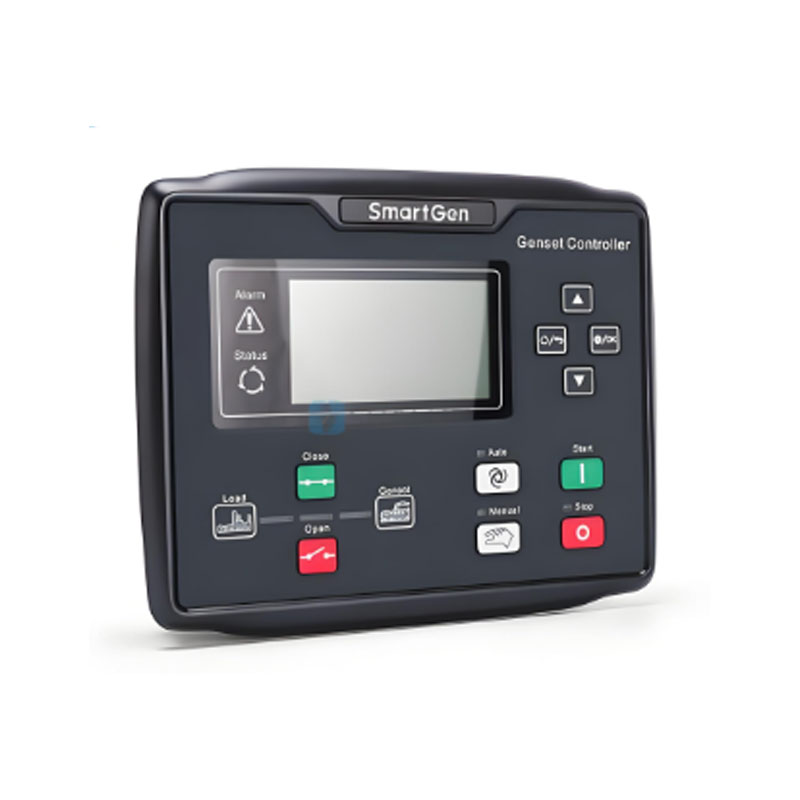
Intelligent & Easy Maintenance Equipped with KCPLC-04 dedicated pump controller, supporting: ① Real-time flow/lift monitoring; ② Automatic dry-run shutdown (protects mechanical seals); ③ Remote status monitoring via mobile app. Reduces labor costs (one operator can manage multiple units); prevents dry-run damage and extends service life; efficient fault diagnosis with timely alerts.
Customization Flexibility Supports customization of pump type (centrifugal/mixed-flow/self-priming/submersible), mobility (trailer/fixed), material (cast iron/stainless steel/Fluoroplastic); full power range from 5-100kW. Accurately fits various scenarios (e.g., self-priming pumps for agriculture, corrosion-resistant pumps for chemical use); ready to use upon delivery, saving customization costs.

Technical parameters (Mainstream power segments of pump units)

Parameter Category 5-20kW (Small Units) 20-50kW (Medium Units) 50-100kW (Large Units)
Engine Power (Prime) 5kW – 20kW 20kW – 50kW 50kW – 100kW
Pump Type (Optional) Self-priming / Centrifugal Centrifugal / Mixed-flow Mixed-flow / Sewage / Corrosion-resistant
Flow Range 50 – 200 m³/h 200 – 500 m³/h 500 – 1000 m³/h
Head Range 10 – 30 m 30 – 60 m 60 – 100 m
Suction Lift (Self-priming) ≥ 8 m ≥ 10 m ≥ 12 m
Fuel Consumption (Full Load) ≤ 280 g/(kW·h) (approx. 1.5-3 L/h) ≤ 260 g/(kW·h) (approx. 3-8 L/h) ≤ 250 g/(kW·h) (approx. 8-15 L/h)
Starting Method 12V Electric Start (dual battery) 24V Electric Start (dual battery) 24V Electric Start + Air Start (backup)
Protection Class IP54 (rain & dust resistant) IP54 / IP65 (waterproof optional) IP65 (waterproof, short-time immersion)
Drive Type Elastic Coupling Elastic Coupling Fluid Coupling (shock-absorbing, suitable for heavy loads)
Unit Dimensions (L×W×H) 1500×800×1000mm – 2000×1000×1200mm 2000×1200×1400mm – 3000×1500×1600mm 3000×1800×1800mm – 4500×2200×2200mm
Unit Weight 300 – 800 kg 800 – 2000 kg 2000 – 5000 kg
Continuous Running Time (Full Load) 8 – 12 hours (with internal fuel tank) 10 – 15 hours (with internal fuel tank) 12 – 20 hours (with internal fuel tank)

Technical features (Exclusive design for pump units)

1. Power-pump precise matching technology

• Engine matching: According to the flow rate and head requirements of the water pump, customize and match the power of the diesel engine (for example, for a water pump with a flow rate of 50m³/h and a head of 20m, match a 10kW engine), to avoid "a big horse pulling a small cart" or "a small horse pulling nothing". The engine adopts turbocharging technology (for models above 20kW), which can output high torque at low speeds, meeting the heavy-load requirements when the water pump starts (the starting torque is ≥ 1.5 times the rated torque).

• Pump optimization design:

① Self-priming pump: It adopts the structure of "double helix impeller + air-water separation chamber", with a self-priming time of ≤60 seconds and a suction lift of ≥8m. No manual water priming is required.

② Sewage pump: The impeller adopts a non-entanglement design (the blades are of open structure), which can pass through sewage containing fibers and silt. Its anti-clogging capacity is 30% higher than that of ordinary water pumps.

③ Corrosion-resistant pump: The flow-through components are made of 304 stainless steel (for common corrosive scenarios) or fluoroplastics (for strong corrosive scenarios), with an acid and alkali resistance range of pH 2-12, suitable for harsh industrial media.


2. Reinforced transmission and protection structure

• Transmission system: Elastic couplings (for models below 20kW) or hydraulic couplings (for models above 50kW) are adopted to buffer the vibration transmission between the engine and the water pump, reduce bearing wear, and the transmission efficiency is ≥95%. The coupling is equipped with an external protective cover (made of galvanized steel plate) to prevent injuries from rotating parts and meets safety standards.

• Protective design:

① Body protection: The small-sized models (5-20kW) adopt a waterproof box (IP54), while the medium/large-sized models (20-100kW) use an IP65 waterproof structure (the sealing ring is oil-resistant rubber and can be immersed for a short time).

② Anti-rust treatment: The body frame and the water pump housing undergo a triple anti-rust process of "acid washing and phosphating → galvanizing → powder coating", with a salt spray resistance test of ≥500 hours, making it suitable for agricultural open-air and municipal humid environments.

③ Water inlet protection: A stainless steel filter screen (with a diameter of ≤10mm) is installed at the water inlet to prevent large particles of impurities from entering the water pump and damaging the impeller.


3. Intelligent control System (Exclusive to KCPLC-04)

• Core functions:

① Fluid parameter monitoring: Real-time display of flow rate (through turbine flowmeter) and head (through pressure sensor). Automatic alarm when exceeding the range (such as indicating filter screen blockage when flow rate is too low).

② Safety protection: When operating without water (detected by the liquid level sensor), the machine will automatically shut down within 3 seconds (to protect the mechanical seal of the water pump and prevent dry grinding damage). When the engine has high water temperature and low oil pressure, it will automatically reduce the load and shut down.

③ Remote Management: Supports 4G/WiFi networking. Users can view operating parameters (flow rate, fuel consumption, faults) through the "Kecheng Electric Power" APP and remotely start and stop (suitable for unattended rural water supply scenarios).

④ Adaptive regulation: According to the set flow rate/head target, it automatically adjusts the engine speed (for example, when the flow rate needs to be reduced, it automatically slows down to save fuel).


4. Mobile and convenient deployment design

• Mobility: The 5-50kW models can be optionally equipped with a trailer design (with a towing hook, support legs, and braking system), with a maximum traveling speed of ≤60km/h. They can be towed by pickup trucks or light trucks for quick relocation (such as agricultural irrigation to land transfer, municipal drainage to site transfer). Large models (50-100kW) can be optionally equipped with a fixed base (with anchor bolt holes), suitable for long-term industrial installation.

• Quick deployment: The water inlet and outlet are equipped with quick couplings (DN50-DN200, suitable for water pipes of different diameters), and the water pipe connection can be completed within 10 minutes. No complex installation is required. After arriving at the site, just add fuel and check the engine oil, and it can be started and operated. It is suitable for emergency rescue scenarios.


5. Fuel economy and range optimization

• Fuel consumption control: The engine adopts high-pressure common rail fuel injection technology (injection pressure ≥1600bar), ensuring complete combustion. The full-load fuel consumption rate is as low as 250g/(kW · h), saving 10% more fuel than ordinary diesel water pump units. When under partial load (30%-50%), fuel consumption is further reduced (for example, for a 10kW model, the fuel consumption at half load is ≤1.2L/h).

• Battery life design: Equipped with a fuel tank capacity of 50-500L (50L for 5kW models and 500L for 100kW models), it can operate continuously at full load for 8-20 hours. Supports external large-capacity fuel tanks (connected via quick couplings) to achieve unlimited endurance (suitable for 24-hour continuous operation in industrial Settings).

Usage Method (Exclusive operation for pump units)

1.Pre-startup inspection (with a focus on the fluid and power system)

Inspection Item Inspection Content Qualification Criteria (Special Requirements for Pump Unit)
Pump System Pump casing seal, inlet strainer, priming condition (self-priming pump) Pump casing shows no leakage (visual check), inlet strainer is not clogged (clean out debris), self-priming pump must be fully primed (fill until water overflows from priming port)
Power System Engine oil level, fuel level, cooling system Oil level between MAX-MIN marks (checked with dipstick), fuel level ≥ 1/3 of tank capacity, coolant level at radiator fill mark (for water-cooled models)
Pipe Connection Inlet/outlet pipe connection, quick-connector seal Pipe connections secure (no looseness), quick-connector sealing rings not aged (replace damaged rings), ensure outlet valve is open (avoid overpressure on startup)
Electrical & Control Battery voltage, controller fault alarms, level sensor Battery voltage ≥ 12.5V for 12V units, ≥ 25V for 24V units; no fault codes on controller; level sensor (for dry-run protection) properly installed

2. Startup operation (divided into manual/automatic mode)

(1) Manual mode (Conventional scenarios

1. Preparation: open the fuel valve, switch the controller to "manual" mode, and confirm that the outlet valve is open (to avoid overpressure of the pump);

2. Start the engine: press the "preheat" button (preheat the low temperature environment for 30-60 seconds), and then press the "Start" button. After the engine starts, observe the tachometer (gradually rise to 1500r/min) and the oil pressure gauge (≥0.3MPa);

3. Start the water pump: after the engine is stable, slowly open the inlet valve (self-priming pump does not need this step), observe the controller flow/head display (gradually reach the set value), if the flow is too low, check whether the inlet filter is blocked;

4. Load adjustment: Adjust the engine speed according to the demand (through the "speed up/deceleration" button of the controller) until the flow/head meets the use requirements (such as 50m³/h for agricultural irrigation, adjust the speed to the corresponding value).

(2) Automatic Mode (Unattended scenario)

1. Parameter setting: set the target flow/head on the controller (such as the rural water supply set flow 100m³/h), anhydrous protection threshold (such as the liquid level is lower than 0.5m automatic shutdown);

2. Mode switch: switch the controller to "automatic" mode, and the system automatically monitors the liquid level (inlet) and flow/head;

3. Automatic operation: when the liquid level reaches the standard, the engine is automatically started, the inlet valve is opened, and the speed is adjusted to the target parameters;When the liquid level is too low or the parameter exceeds the limit, the machine will automatically stop and give an alarm (APP push notification).


3. Operation Monitoring (with a focus on fluid and power parameters)

• Real-time monitoring: record once every 30 minutes: flow (whether within the set range ±10%), head (no abnormal fluctuations), engine water temperature (≤95℃), oil pressure (≥0.2MPa), fuel oil level (avoid oil shortage shutdown);

• Exception handling:

① Flow drop: stop to check the water filter (cleaning impurities), intake pipe leakage (self-priming pump);

② Excessive head: Check if the outlet pipe is blocked and if the outlet valve is fully open.

③ abnormal sound of the water pump: stop to check whether the impeller is stuck (whether there is a foreign body), whether the bearing is worn (replace the bearing);• Emergency shutdown: When the alarm of "engine high water temperature", "low oil pressure" and "no water operation" occurs, the controller will automatically shut down and restart after troubleshoot.


4. Shutdown operation (to avoid water hammer and component damage)

1. Unloading adjustment: first reduce the engine speed (flow down to 0), and then close the water inlet valve (to avoid water backflow);

2. Close the water pump: press the "stop" button of the controller, and after the engine stops, close the water outlet valve (to prevent the water pipe from backflowing and damaging the water pump);

3. Pipeline cleaning: if sewage containing impurities is transported (such as municipal drainage), open the pump drain hole after shutdown to discharge residual sewage and impurities (avoid corrosion of impeller);

4. Safe ending: close the fuel valve (long-term shutdown), clean up the body dust, filter impurities, record operation data (flow rate, fuel consumption, operation time).

Safety and Protection (Exclusive Specifications for Pump Units)

1. Installation safety (suitable for fluid transportation scenarios)

• Site selection and layout:

① The installation location should be far away from open flames (≥10 meters), flammable and explosive items (≥15 meters), and the water inlet should be close to the water source (shorten the length of the water inlet pipe to reduce resistance).

② For outdoor installation, a rain shelter (IP54 model) should be built to prevent direct erosion by heavy rain.In emergency rescue, avoid the unit immersion in water deeper than the protection level (IP65 model ≤0.5m);

③ Pipe layout: the inlet pipe should be as short and straight as possible (reduce turning and avoid air leakage), and the outlet pipe should be installed with check valve (to prevent water from backflowing after shutdown).

• Electrical safety:

① Unit grounding resistance ≤4Ω (galvanized flat steel grounding, depth ≥2 meters), electrical wiring terminal with waterproof cover (to avoid water short circuit);

② Electrical components such as controllers and sensors should avoid direct contact with water (except for IP65 models), and waterproof cables (RVVY cables) should be used.

③ The explosion-proof model (for mining) shall comply with the GB 3836.1 standard. The electrical components shall be of Ex dⅡB T4 grade to prevent sparks from igniting flammable and explosive gases.

• Mechanical safety:

① The rotating parts (coupling, fan) need to be equipped with a protective cover (fixed firmly, no loosening), and it is forbidden to disassemble during operation;

② The quick couplings at the water inlet and outlet must be locked (to prevent them from falling off when the pressure is too high and injuring people with water spray).

③ Operators must wear anti-slip shoes and waterproof gloves (to avoid contact with sewage and slipping), and be careful not to get injured when moving water pipes.


2. Operational safety (Avoiding fluid and mechanical risks)

•Personnel requirements:

① Operators must undergo specialized training from Kecheng, be familiar with the structure of the pump unit (such as self-priming pump water drawing and sewage pump anti-clogging), and pass the assessment before taking up their posts.

② Unlicensed personnel and those who have drunk alcohol are prohibited from operating. Children are also forbidden to approach the running units.

③In emergency rescue operations, two people are required to cooperate (one person operates and the other observes the surrounding environment to prevent accidents).

• Operating contraindications:

① It is strictly prohibited for the water pump to operate without water (even for a short period of time, it will damage the mechanical seal and cause leakage).

② It is strictly prohibited to disassemble the inlet/outlet water pipes during operation (excessive pressure may cause water spray injury).

③ It is prohibited to convey media that exceed the range suitable for the water pump (for example, if a regular water pump conveys acid or alkali solutions, a corrosion-resistant model must be used).

④ Overloading operation is strictly prohibited (with the flow rate/head exceeding the rated value by 120% to prevent damage to the engine and water pump due to overload).

• Emergency response:

① Water pipe burst: immediately stop the machine, close the inlet/outlet valve, replace the water pipe/connector, avoid waste of water resources;

② Water pump leakage: stop to check the mechanical seal (wear needs to be replaced), shell sealing ring (aging needs to be replaced), do not run with leakage;

③ Fire accident: immediately stop the machine, close the fuel valve, extinguishing the fire with dry powder fire extinguisher (no water is allowed to extinguishing the fuel fire), and evacuate the surrounding people.


3. Maintain safety (protect the core components of the pump)

• Preparations before maintenance:

① Disconnect the power supply of the generator set (turn off the controller switch), close the fuel valve, and hang a warning sign that reads "Under maintenance, Do not start".;

② Drain the residual liquid in the pump (open the drainage hole), if the transport of corrosive media, need to use water to wash the pump internal (to avoid residual corrosion);

③ Prepare maintenance tools (waterproof wrench, seal, lubricating oil), protective equipment (waterproof gloves, goggles).

• Maintenance operation specifications:

① Pump maintenance:

◦ Impeller cleaning: remove the pump shell, clean the impeller impurities (use a soft brush to avoid scratching the blade), check the wear of the impeller (wear exceeding 1mm needs to be replaced);

◦ Mechanical seal replacement: Remove old seals, apply waterproof sealant, and install new seals (ensure fit and no leakage);

◦ Bearing lubrication: fill with lithium grease (model 3#), the amount of oil is 1/2-2/3 of the bearing cavity (to avoid excessive heat);

② Engine maintenance: Replace the engine oil, oil filter and air filter in accordance with the conventional procedures for diesel engines, and check the tension of the belt (press deformation ≤15mm).

③ Electrical maintenance: Clean the dust on the controller and sensors (using compressed air), check the terminal blocks (for no looseness or oxidation, sand oxidation with sandpaper), and test the no-water protection and fault alarm functions.

• Professional maintenance

① Pump performance calibration (once every 6 months) : The after-sales engineers of Kecheng test the flow rate/head, adjust the impeller clearance and engine speed to ensure compliance.

② Inspection of the flow-through components of corrosion-resistant pumps (once every three months) : Check for corrosion or cracks in the stainless steel/fluoroplastic components and replace the damaged parts in a timely manner.

Maintenance Cycle Table (Exclusive for Pump Units)

Maintenance Level Maintenance Interval Maintenance Items Operational Requirements (Pump Unit Focus) Responsible Party
Daily Maintenance Daily Inlet strainer cleaning, pump leakage check, fluid parameter recording Clear strainer of debris (especially in municipal/emergency scenarios); check pump casing and connections for leakage; record flow/head data User Operation Team
Weekly Maintenance Weekly Engine oil level check, belt tension check, electrical connection inspection Oil level meets standard; belt deflection ≤ 15 mm when pressed; ensure terminal connections are tight and dry User Operation Team
Monthly Maintenance Monthly Pump impeller cleaning (if debris present), fuel filter replacement, controller parameter calibration Remove residue from impeller (e.g., mud, fibers); replace with genuine Kecheng fuel filter; calibrate flow/head display User Operation Team
Quarterly Maintenance Every 3 months Engine air filter replacement, pump bearing lubrication, mechanical seal inspection Replace air filter (shorten to monthly in dusty environments); lubricate bearings with #3 lithium-based grease; check mechanical seal for leaks User Operation Team
Semi-Annual Maintenance Every 6 months Engine oil/oil filter replacement, pump performance test, rust-proof treatment Replace with 15W-40 oil; Kecheng after-sales conducts flow/head test (deviation ≤ 5%); touch up anti-rust paint Kecheng After-sales + User Team
Annual Maintenance Yearly Pump impeller/casing inspection, engine deep inspection, electrical insulation test Check impeller wear (replace if > 1 mm); engine cylinder pressure test (deviation ≤ 10%); insulation resistance ≥ 50 MΩ Kecheng After-sales Engineer
Long-Term Shutdown Maintenance Shutdown ≥ 1 month Pump rust prevention (drain & treat), engine fuel/coolant draining, cover with dustproof sheet Fill pump with anti-rust fluid to prevent corrosion; drain fuel and coolant from engine; cover unit with dustproof sheet User Operation Team
Hot Tags: Diesel engine-powered water pump unit
Send Inquiry
Contact Info
For inquiries about Gas Generator, Biogas Generator, Diesel Generator or price list, please leave your email to us and we will be in touch within 24 hours.
X
We use cookies to offer you a better browsing experience, analyze site traffic and personalize content. By using this site, you agree to our use of cookies. Privacy Policy
Reject Accept