News

News

How Does Kecheng's Emergency Generator Guarantee Power When Every Second Counts?

2026-09-16 0 Leave me a message

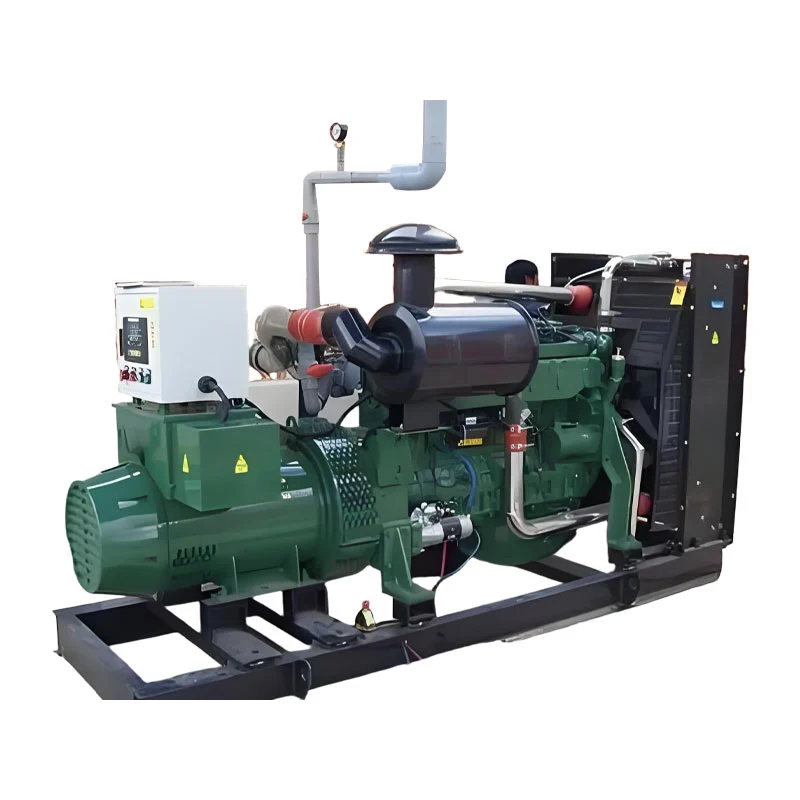
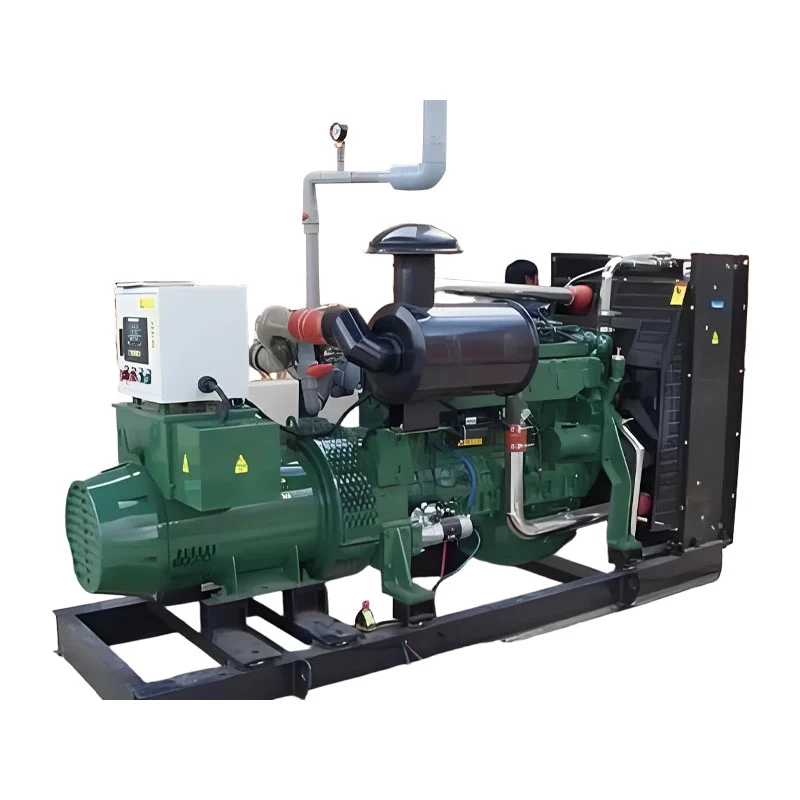
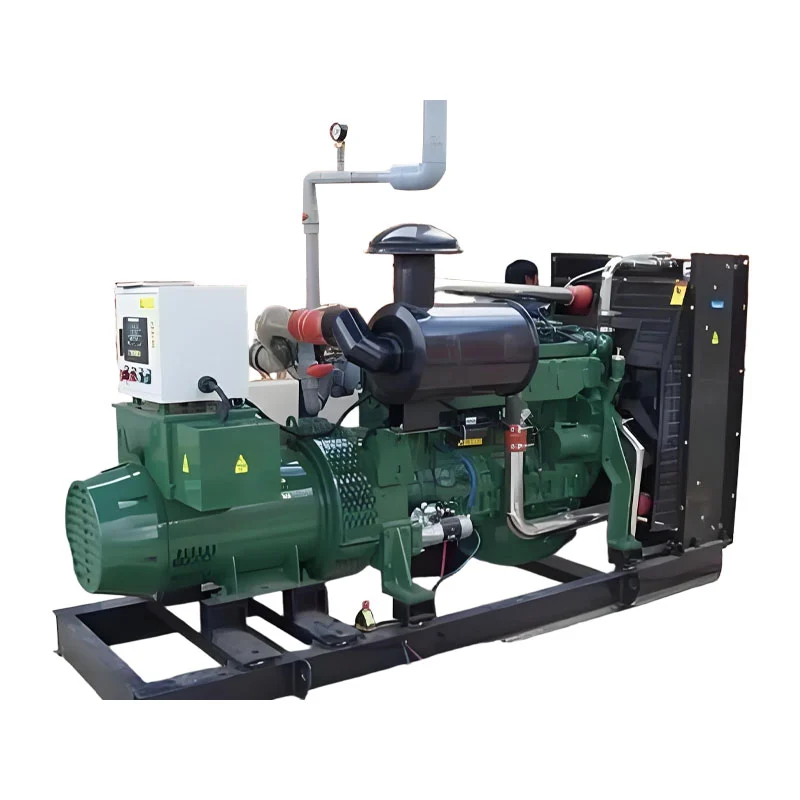
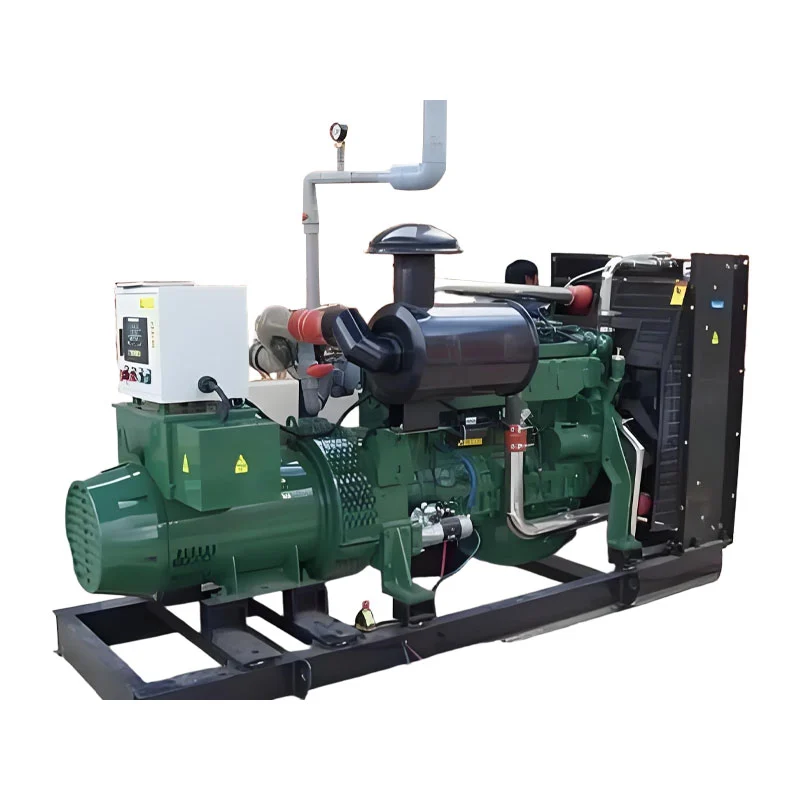
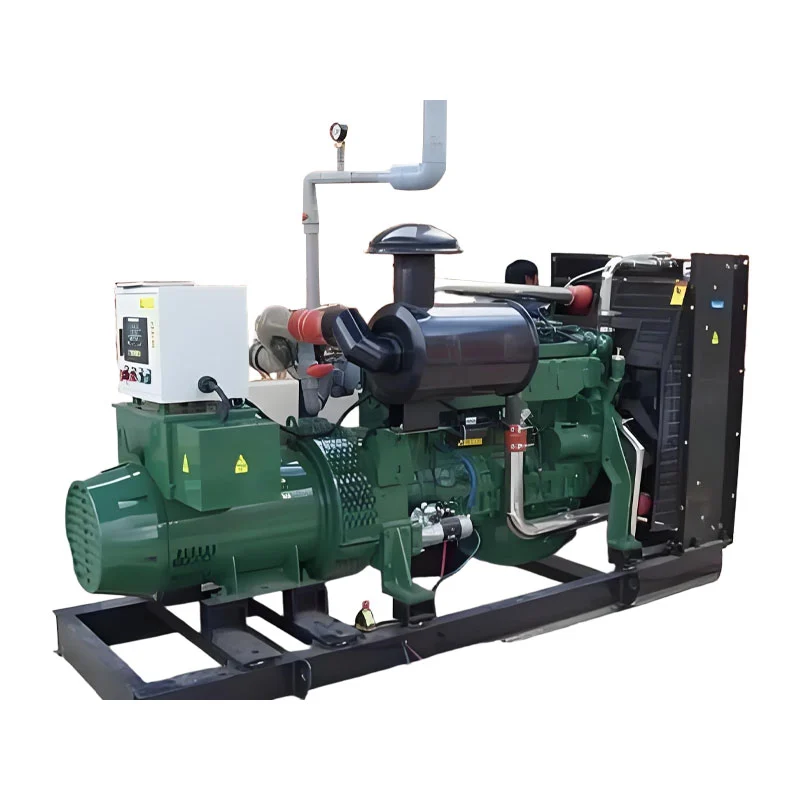
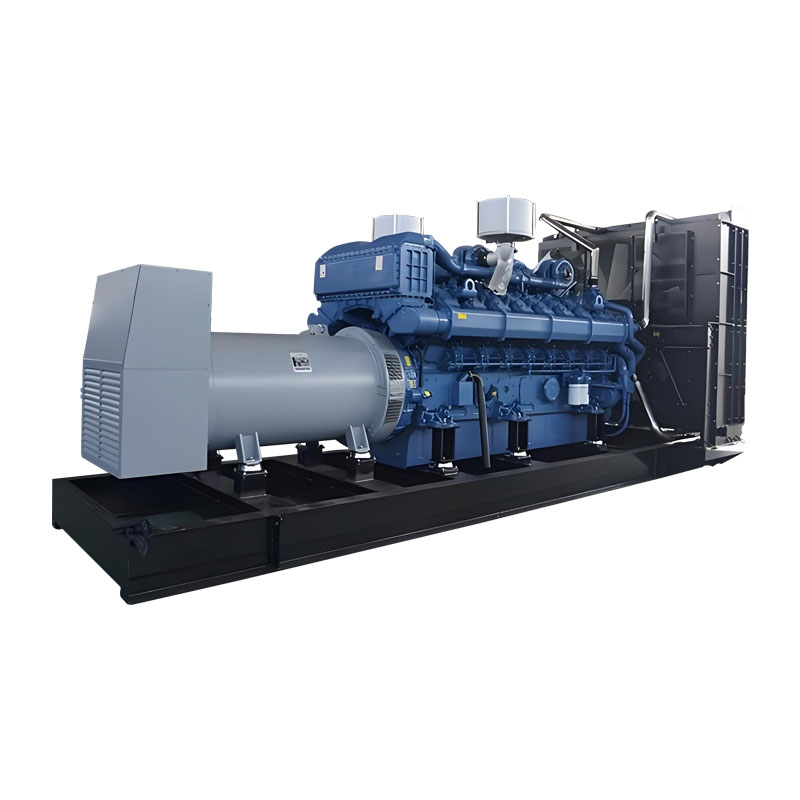
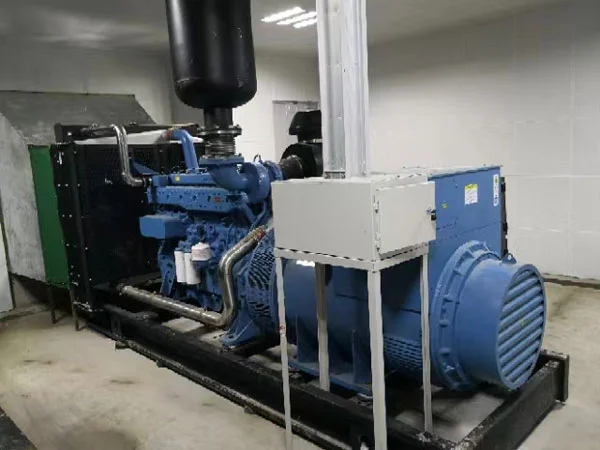
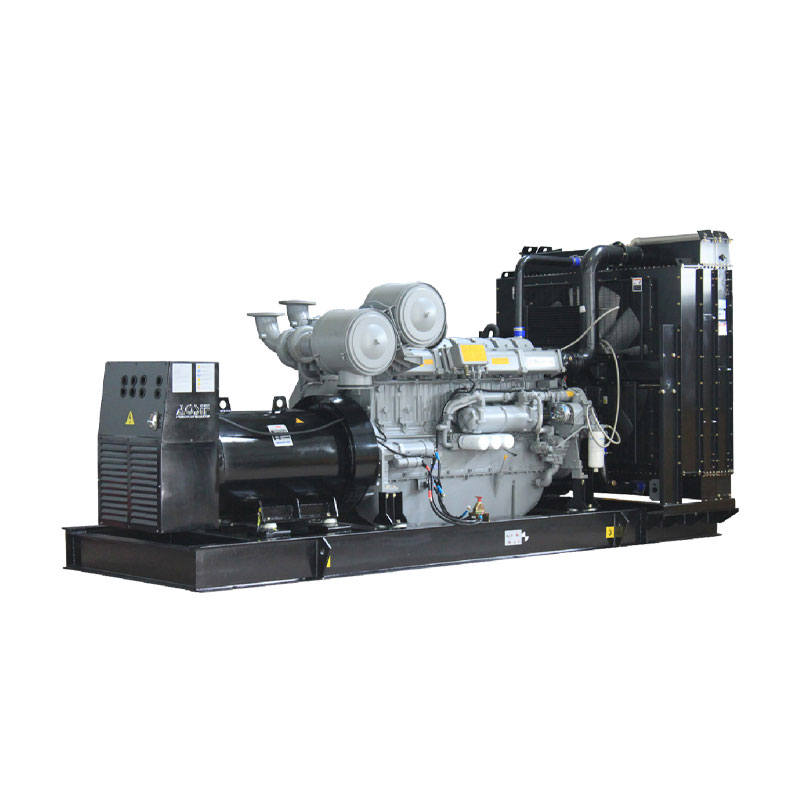
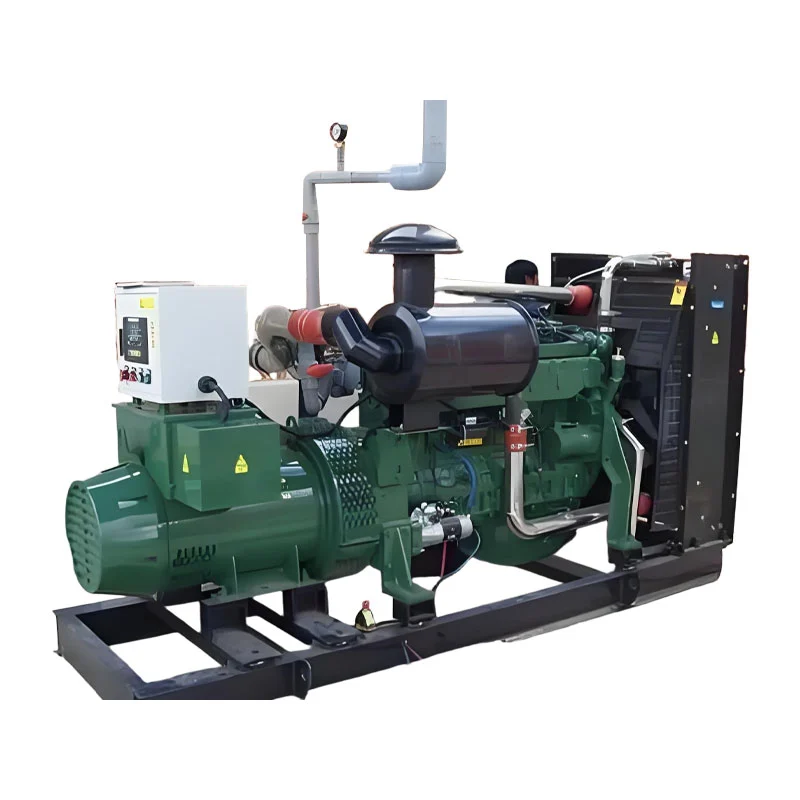
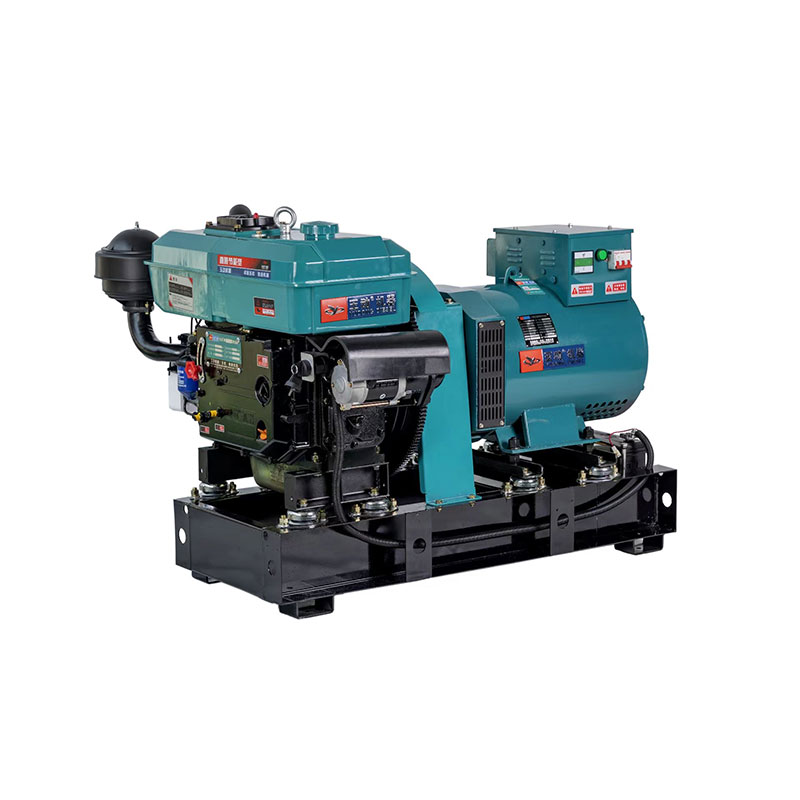
Kecheng's Emergency Generator series delivers reliable backup power for critical applications, ranging from 20KW to 3000KW and supporting diesel, natural gas, and biogas fuels. Built with engines from Volvo, Cummins, Mercedes-Benz, Deutz, and domestic brands like Yuchai and Weichai, these generators ensure rapid start-up, stable output, and seamless integration with automatic transfer switches. The biogas variant offers high efficiency (over 80% thermal utilisation), environmental benefits, and cost optimisation through non-noble metal catalysts. Certified to ISO9001 and ISO14001, Kecheng provides end-to-end service—from needs analysis and customised solutions to installation, training, and 24-hour after-sales support—making it a trusted partner for hospitals, data centres, construction sites, and rural microgrids.

Emergency Generator

The Lifeline of Critical Operations: Why Emergency Generators Matter

When the grid fails, the consequences can be catastrophic—surgical procedures interrupted, data centres going dark, production lines halting, and communication networks collapsing. An emergency generator is not a luxury; it is the backbone of resilience. Kecheng's Emergency Generator is engineered to deliver power within seconds of an outage, ensuring that essential systems continue to operate without interruption. Whether used as a standby source for a hospital, a prime power solution for a remote mining site, or a biogas-fuelled cogeneration unit on a farm, these generators are designed for durability, fuel flexibility, and low maintenance. With an annual production capacity exceeding 5,000 units, Kecheng has the scale and expertise to support projects of any size.

Fuel Flexibility: Diesel, Natural Gas, and Biogas

Kecheng offers a diverse range of emergency generators to match different fuel availability and environmental goals:

Diesel Generators – The most common choice for standby power, featuring engines from Volvo, Cummins, Mercedes-Benz, Deutz, Shangchai, Jichai, Yuchai, and Weichai. Power range: 20KW–3000KW. Fast start-up, high torque, and proven reliability.

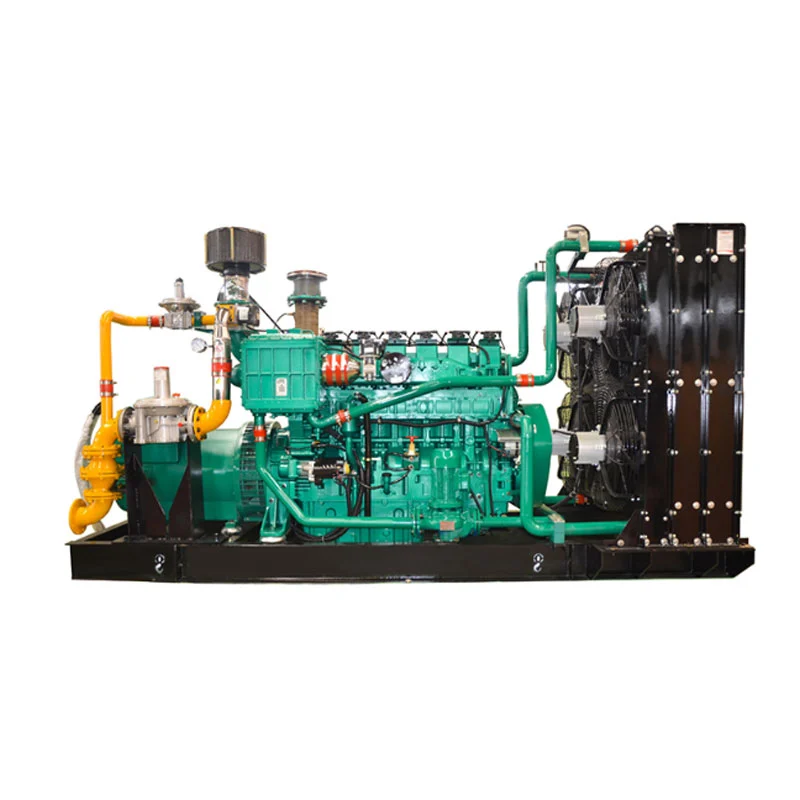
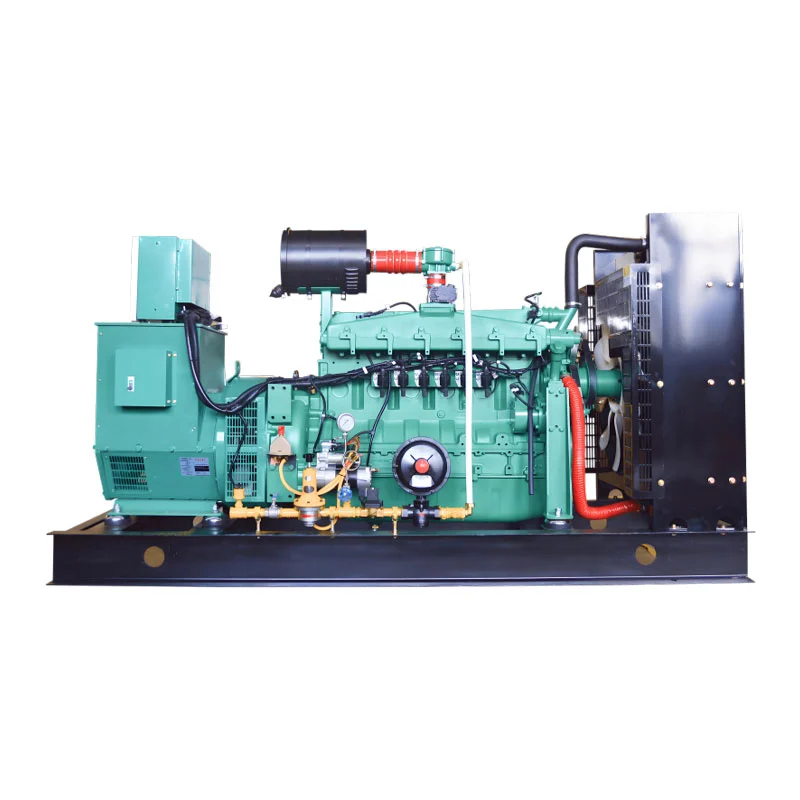
Natural Gas Generators – Cleaner combustion, lower emissions, and lower operating costs for continuous or standby use.

Biogas Generators – A renewable energy solution that converts agricultural waste, landfill gas, or wastewater treatment biogas into electricity and heat. Available in single-fuel (100% biogas) or dual-fuel (biogas + diesel) configurations.

The biogas generator is particularly noteworthy for its environmental and economic benefits. By capturing methane that would otherwise escape into the atmosphere, it turns a potent greenhouse gas into useful energy, reducing CO₂ and methane emissions while providing a self-sufficient power source for farms, waste disposal sites, and rural communities.

Working Principle and Core Components of Biogas Emergency Generators

Biogas is produced by anaerobic digestion of organic matter. Before combustion, it must be treated to remove hydrogen sulphide (H₂S), which is corrosive to engine components. The gas is then mixed with air in a precise ratio by a gas mixer to ensure complete combustion. The internal combustion engine's ignition system is modified to accommodate biogas's slower flame speed, improving efficiency.

Key components include:

Power Generation Unit – Internal combustion engine, generator, and speed control system (maintaining voltage stability during island mode).

Heat Recovery Device – Captures waste heat from cooling water and exhaust gas, using it for biogas pool heating or refrigeration, achieving combined heat and power (CHP) with overall thermal efficiency above 80%.

Advanced Catalysts – Non-noble metal catalysts (e.g., Ni-CeCaO₃/Al₂O₃) reduce production costs and enhance resistance to carbon deposition, extending engine life.

Application Scenarios: Where Kecheng Emergency Generators Shine

Kecheng's emergency generators are widely deployed across industries and infrastructure:

Hospitals and Healthcare Facilities – Backup power for operating theatres, ICUs, and life-support systems.

Data Centres and Telecommunications – Uninterrupted power to prevent data loss and maintain network connectivity.

Construction and Mining – Prime or standby power for remote sites with no grid access.

Commercial Buildings and Hotels – Emergency lighting, elevators, and fire safety systems.

Rural Power Supply and Distributed Energy – Biogas generators using agricultural waste to provide clean electricity for farms and villages.

Industrial Waste Energy Reuse – Coal mine gas and industrial exhaust gas converted to electricity.

Technical Specifications and Product Range

Parameter Specification
Power Range 20KW – 3000KW
Fuel Types Diesel, Natural Gas, Biogas, Dual-Fuel
Engine Brands Volvo, Cummins, Mercedes-Benz, Deutz, Shangchai, Jichai, Yuchai, Weichai
Generator Brands Stamford, Marathon, Lanzhou Electric
Series Basic, Trailer, Low-Noise, Rainproof, Automated, Unattended, Multi-Unit Parallel, Mobile Emergency
Annual Capacity >5,000 units
Certifications ISO9001-2000, ISO14001

Kecheng's Comprehensive Service System

Kecheng Power is committed to supporting customers throughout the entire lifecycle of their generator:

Pre-Sale: In-depth communication to understand power demands, customised solution design, and on-site investigation when necessary.

During-Sale: Efficient order processing, timely production and delivery, professional installation and debugging, and on-site operator training covering start-up, shutdown, maintenance, and troubleshooting.

After-Sale: Warranty service with free maintenance or replacement for quality issues, 24-hour fault response (remote guidance first, then on-site repair if needed), regular follow-up, and a sufficient stock of original spare parts.

The company adheres to the principles of "progress, pragmatism, rigor, and innovation" and upholds the business ethics of "honesty and trustworthiness." It has served major clients including China Construction First Group, China Railway Eighth Group, Beijing Urban Construction Group, and CCCC First Highway Engineering Bureau.

Frequently Asked Questions

Q: What is the difference between a single-fuel and dual-fuel biogas generator?

A: A single-fuel unit runs entirely on biogas. A dual-fuel unit can operate on a combination of biogas and diesel, providing flexibility when biogas supply is insufficient or when higher power output is needed.

Q: How quickly can a Kecheng emergency generator start after a power outage?

A: With an automatic transfer switch (ATS), the generator can start and supply power within 10–15 seconds, depending on the model and configuration.

Q: What maintenance does a biogas generator require?

A: Regular checks include desulphurisation system performance, gas mixer calibration, oil and filter changes, and catalyst inspection. Kecheng provides detailed maintenance schedules and training.

Q: Can Kecheng customise a generator for my specific site conditions?

A: Yes. We offer customised solutions including trailer-mounted, low-noise, rainproof, and containerised enclosures. Our engineers can also design multi-unit parallel systems for higher capacity.

Q: Do you provide spare parts and after-sales support internationally?

A: Yes. We maintain a sufficient stock of original spare parts and offer 24-hour after-sales response. Remote troubleshooting is available, and on-site service can be arranged when necessary.

Q: What certifications do Kecheng generators hold?

A: Our products are certified to ISO9001-2000 International Quality Management System and ISO14001 Environmental Management System.

Conclusion

In short, Kecheng's Emergency Generator series delivers dependable power across diesel, natural gas, and biogas platforms, backed by ISO certifications and 24-hour service. With fuel flexibility and proven reliability, it protects what matters most. Contact us today to discuss your backup power needs and receive a customised solution.

Related News
Leave me a message
X
We use cookies to offer you a better browsing experience, analyze site traffic and personalize content. By using this site, you agree to our use of cookies.Privacy Policy
RejectAccept