News

News

How Can a Biogas Generator Turn Unstable Gas Into Reliable Power?

2026-02-09 0 Leave me a message

Article Summary

A Biogas Generator sounds simple on paper: feed in biogas, get electricity out. In real projects, the pain shows up in the messy middle—gas quality swings, moisture, H2S corrosion, engine knocking, unexpected shutdowns, and “why is the power not stable when we need it most?” moments. This guide breaks the process down in practical terms: what customers typically struggle with, what to check before you buy, how to size correctly, what gas treatment actually matters, and how to plan maintenance so you don’t turn “renewable energy” into “renewable headaches.” You’ll also find checklists, a comparison table, and FAQs to help you make a confident decision.


Outline

  1. Identify the real business pains: outages, energy cost, flaring, compliance pressure, and wasted gas.
  2. Understand the “failure points”: gas cleaning, sizing, controls, and maintenance planning.
  3. Use a pre-purchase checklist to avoid hidden risks.
  4. Size for reality (not ideal lab conditions) and plan for seasonal gas changes.
  5. Build a complete system: treatment, safety, cooling, exhaust, and monitoring.
  6. Run it like a power asset: routine checks, logs, and smart spares.
  7. Estimate cost and payback with clear inputs instead of wishful thinking.
  8. Ask supplier questions that reveal competence, not marketing slogans.

1) What Problems Is a Biogas Generator Supposed to Solve?

Most buyers don’t start their search because they “want equipment.” They start because they have one (or several) stubborn problems:

  • High electricity bills: You’re paying peak rates while usable biogas is being flared or underused.
  • Unreliable grid power: Outages disrupt production, cooling, pumping, or essential operations.
  • Waste treatment pressure: You need better control of landfill gas or digester gas to meet environmental targets.
  • Energy security: You want on-site generation that you can predict and manage.
  • Heat demand: You may also want hot water/steam from combined heat and power (CHP) instead of wasting engine heat.

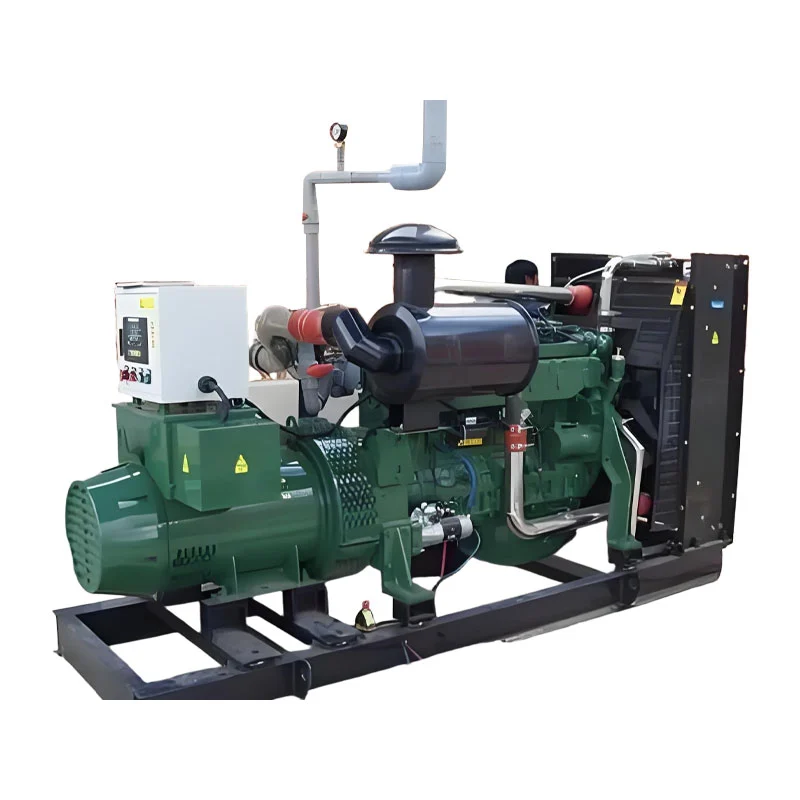
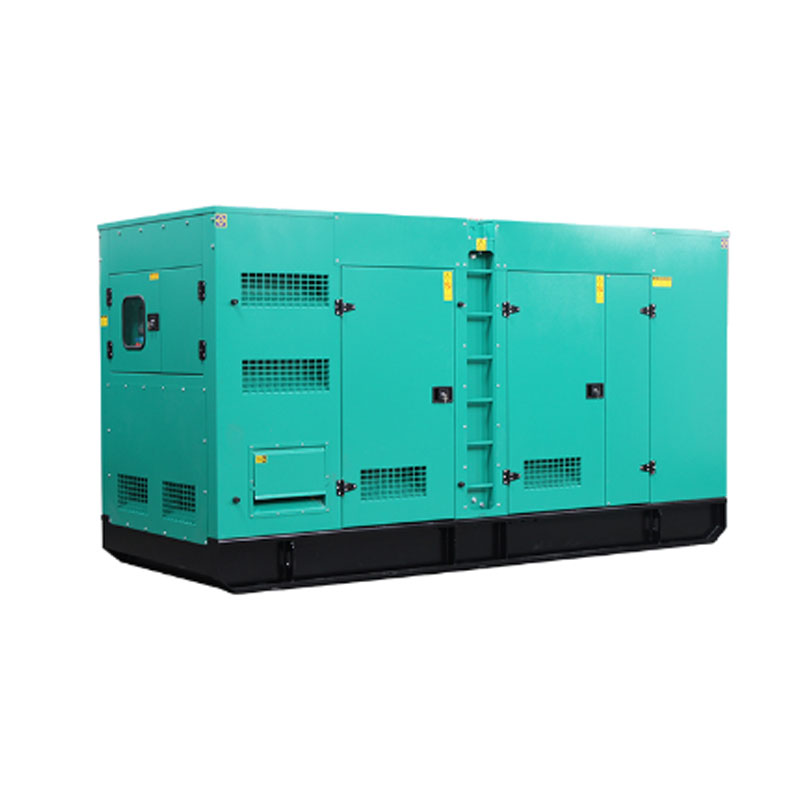
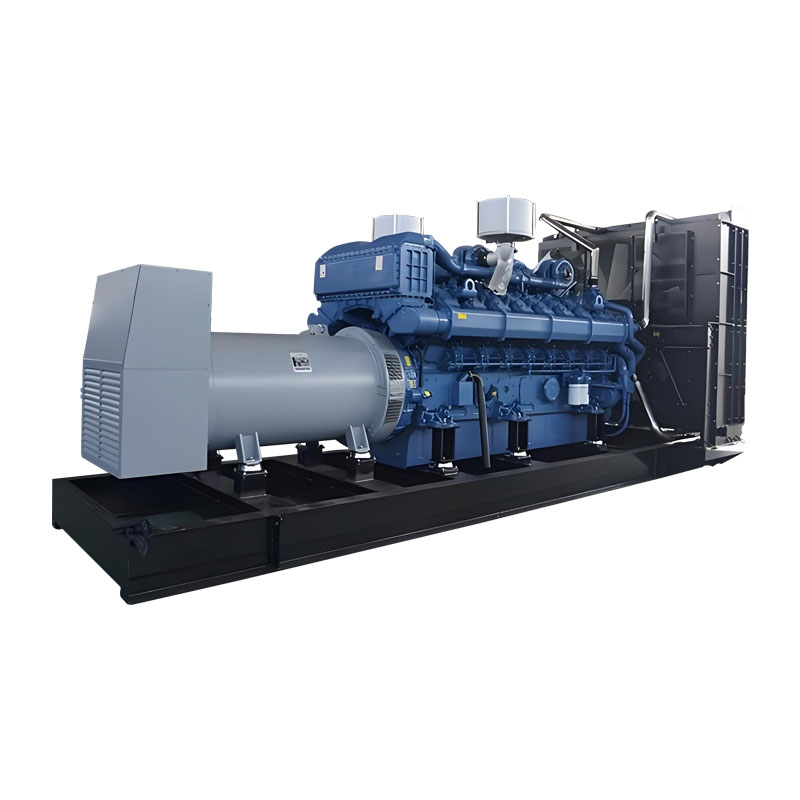
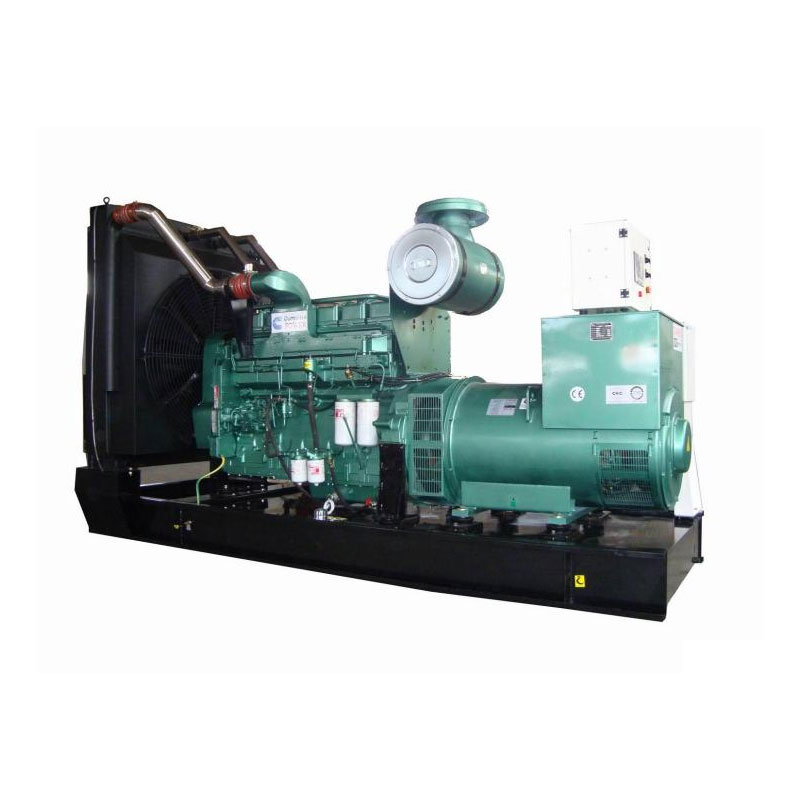
A Biogas Generator is valuable when it’s treated like a system solution, not a single machine. The “generator” is the visible part; the real reliability comes from gas conditioning, controls, and operational discipline.


2) Why Do Biogas Power Projects Struggle in Real Life?

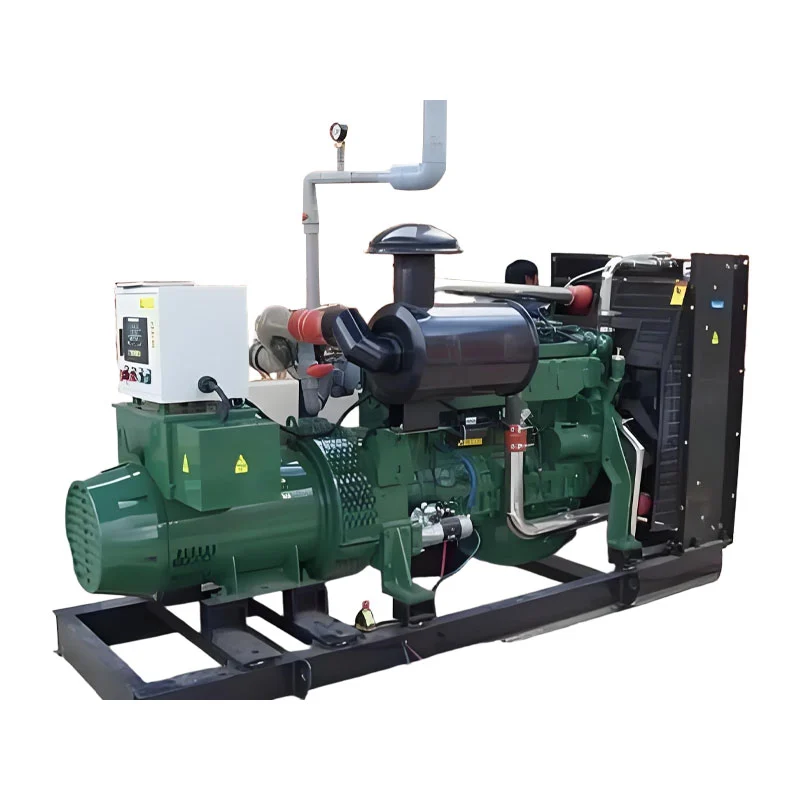
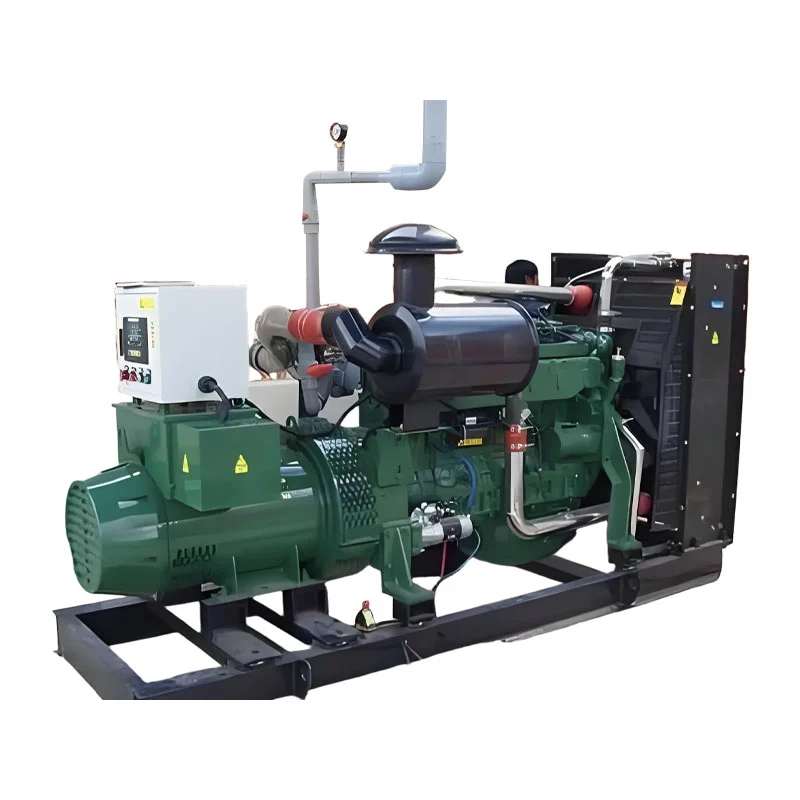
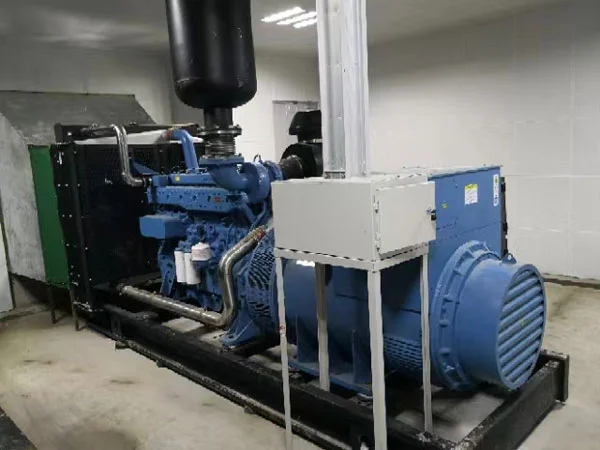
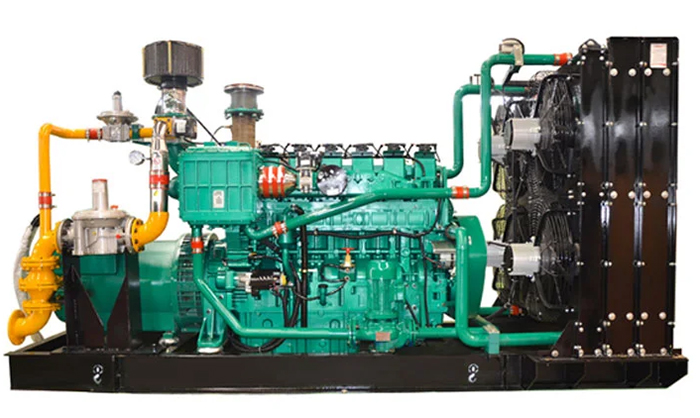
Biogas Generator

The most common disappointments are predictable—and avoidable. Here are the usual culprits:

  • Gas quality swings: Biogas methane content isn’t constant. Start-up periods, feedstock changes, temperature shifts, and process upsets can change combustion behavior overnight.
  • Moisture and condensation: Wet gas causes misfires, rust, sensor failures, and filter overload. Condensation can also create pressure drops and unstable fuel supply.
  • H2S corrosion: Hydrogen sulfide is notorious for damaging engines and exhaust systems when not managed properly.
  • Wrong sizing: Too big means low-load running (inefficient, carbon buildup, higher maintenance). Too small means you still buy grid power and flare gas.
  • Weak controls and protection: Poor air-fuel ratio control, slow response to gas changes, and inadequate shutdown logic lead to repeated trips—or worse, long-term engine damage.
  • Maintenance that’s “reactive”: If you only fix what breaks, your uptime becomes a gamble and your cost per kWh quietly climbs.

The lesson: reliability is not only about engine brand or alternator name. It’s about whether the entire Biogas Generator package is designed to handle biogas as it actually behaves—not as we wish it behaved.


3) What Should You Verify Before Choosing a Biogas Generator?

If you do only one thing before buying, do this: treat your biogas like a fuel specification, not a vague idea. Use the checklist below and you’ll immediately reduce project risk.

  1. Gas flow range: What is your minimum, typical, and peak gas production (by season and operating mode)?
  2. Methane content range: Not just the average—how low can it go during bad weeks?
  3. H2S level: Measure it and plan treatment accordingly.
  4. Moisture and temperature: Warm saturated gas behaves very differently after it cools in pipelines.
  5. Siloxanes and contaminants: Common in landfill gas and some industrial sources; they can damage engines quickly if ignored.
  6. Site electrical goal: Prime power, peak shaving, backup, off-grid, or grid-parallel export?
  7. Heat recovery needs: Do you want CHP for process heating, digesters, or hot water?
  8. Permits and emissions: Noise limits, exhaust requirements, and local compliance constraints matter early.
  9. Space and layout: Containerized set, skid-mounted, or indoor plant room? Consider service access too.
  10. Service capability: Who will maintain it, how fast can parts arrive, and what spares should be on-site?

When you speak to suppliers—such as Shandong Kecheng Electric Power Equipment Co., Ltd.—bringing these inputs changes the conversation from “price shopping” to “system engineering,” which is where reliable projects are born.


4) How Do You Size a Biogas Generator Without Overpaying or Underpowering?

Sizing is where many projects quietly lose money. You want the generator to run in a healthy load range for most of its life, not only on perfect days.

A practical sizing approach:

  • Start with usable biogas, not total biogas: subtract what you must flare during downtime, start-ups, and process upsets.
  • Target stable base-load operation: a set that can run consistently is often more profitable than a larger set that constantly hunts or trips.
  • Plan for growth: if your gas production will expand, consider modular capacity (one now, add another later) instead of one oversized unit today.
Scenario Common Pain Point Sizing Hint What to Ask For
Small farm digester Gas varies with feeding schedule Prioritize stable base-load Fast fuel control, moisture handling, simple maintenance
Food waste / industrial AD High output but process swings Consider modular units Remote monitoring, robust protection logic, heat recovery options
Landfill gas Siloxanes + contaminants Don’t oversize without gas cleanup Upgraded filtration, contaminant strategy, service plan
Municipal wastewater High moisture + continuous operation Optimize for high uptime Condensate management, redundancy planning, CHP integration

A well-sized Biogas Generator should run smoothly, with fewer stops and starts, and with maintenance that feels scheduled—not like firefighting.


5) What System Components Make or Break Reliability?

Customers often focus on the generator set and forget the supporting “boring” parts. Those boring parts determine your uptime.

Key components to get right:

  • Gas pretreatment: moisture removal, filtration, and (when needed) H2S reduction and siloxane control. This protects the engine, sensors, and exhaust path.
  • Pressure regulation and stable supply: a generator hates fuel starvation and pressure swings. Stable gas delivery equals stable power.
  • Air-fuel control and combustion management: biogas changes; the control system must adapt quickly.
  • Cooling system design: overheating is a silent killer of uptime. Site ambient temperature and ventilation matter.
  • Exhaust system and safety: proper exhaust routing, insulation, and protection devices are not optional details.
  • Electrical integration: switchgear, protection, synchronization (for grid-parallel), and load management must match your site’s reality.
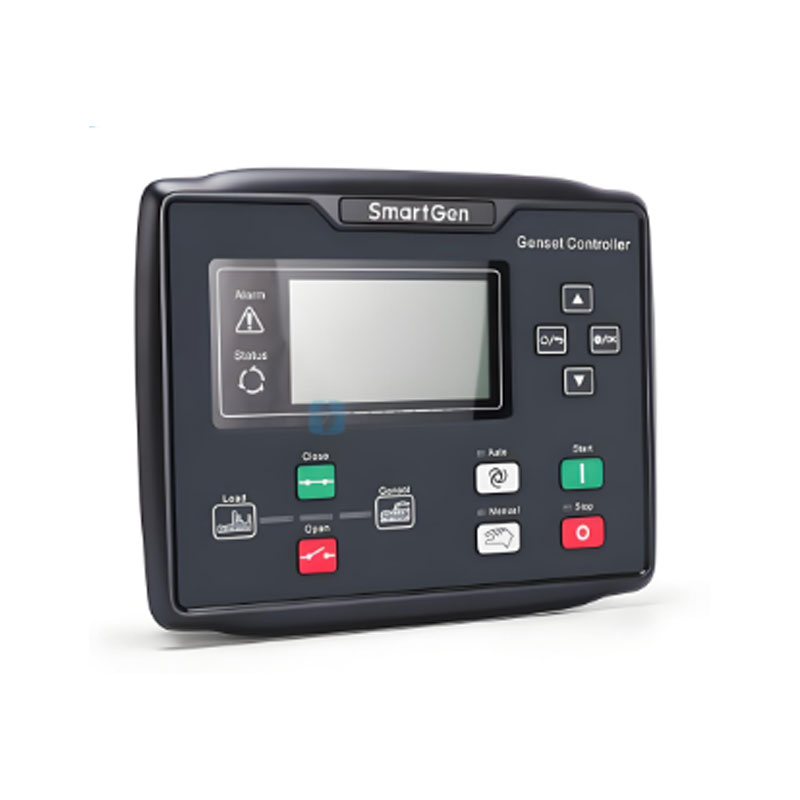
  • Monitoring and alarms: if you can’t see trends, you can’t prevent failure. Simple dashboards can save weeks of downtime.

Think of your Biogas Generator like a high-performance athlete: it can do great work, but it needs clean fuel, stable conditions, and consistent care to keep winning.


6) What Does Day-to-Day Operation and Maintenance Look Like?

The best projects treat operation like a routine, not a reaction. Here’s a realistic view of what “good” looks like:

Daily checks

  • Record run hours, load level, and any alarms.
  • Check gas pressure and condensate traps (drain if required).
  • Confirm cooling system status and look for leaks.
  • Listen for abnormal vibration or knocking.

Weekly checks

  • Inspect filters and note pressure drops.
  • Review trend data: exhaust temperature, fuel trims, misfire counts (if available).
  • Confirm safety devices and emergency stop logic.

Planned maintenance

  • Oil and consumables replacement based on hours and operating conditions.
  • Ignition components inspection/replacement as required.
  • Periodic checks of valves, sensors, and control calibration.

If this sounds like “too much,” here’s the blunt truth: biogas is not the same as natural gas. A Biogas Generator can deliver excellent uptime, but only when the fuel reality is respected.


7) How Do You Evaluate Costs and Payback Without Guessing?

Buyers often underestimate operating costs or overestimate run hours. A smarter approach is to use conservative inputs and build a range.

Cost buckets to include

  • Capital cost: generator set, gas treatment, electrical integration, civil works, commissioning.
  • Operating cost: maintenance, consumables, service labor, planned parts, and occasional downtime.
  • Value created: displaced grid electricity, reduced flaring, possible heat recovery value, and improved site resilience.

A simple payback mindset

Instead of a single number, estimate:
Annual Benefit Range = (kWh generated × average electricity value) + (heat value if used) − (annual O&M)
Then compare it against total project cost to see a realistic payback band (best-case to conservative-case).

When the design matches your gas reality, a Biogas Generator stops being a “green project” and becomes a serious energy asset.


8) What Questions Should You Ask Your Supplier?

If a supplier can answer these clearly, they’re likely thinking beyond brochures. If they dodge them, be careful.

  • What gas range can this unit tolerate? Ask for methane range assumptions and control response to changes.
  • What pretreatment do you recommend for my gas? Ask what happens if H2S or moisture is higher than expected.
  • How is the unit protected during abnormal conditions? Ask about shutdown logic and what data is logged.
  • What is the recommended spares list for 12 months? A serious supplier will provide a practical list, not vague advice.
  • What does commissioning include? Ask who tunes the system and what tests are performed before handover.
  • What support is available after installation? Response time, remote troubleshooting, and parts availability matter.

This is where experienced manufacturers and integrators—such as Shandong Kecheng Electric Power Equipment Co., Ltd.—can stand out, because the difference is rarely one feature. It’s the completeness of the solution and the competence of the support.


FAQ

Q: Can a Biogas Generator run on biogas with low methane content?

It depends on the engine and control strategy. Lower methane means lower energy per unit volume, which can affect power output and stability. The right setup accounts for realistic methane swings and maintains stable combustion through proper control and gas supply management.

Q: Do I really need gas treatment if my system is “working fine” today?

If your goal is long-term reliability, yes. Moisture, H2S, and contaminants often cause slow damage first—sensor drift, corrosion, higher oil contamination—before obvious failures. Treatment is usually cheaper than frequent downtime.

Q: What causes frequent shutdowns in biogas generator sets?

Common triggers include unstable gas pressure, high moisture, poor air-fuel tuning, overheating due to ventilation issues, and insufficient protective logic. A system review usually identifies one or two root causes.

Q: Is CHP worth considering with a Biogas Generator?

If you have consistent heat demand (digester heating, hot water, process heating), CHP can significantly increase total energy utilization. If heat is not used, it’s simply wasted potential.

Q: Should I choose one larger unit or multiple smaller units?

Multiple units can improve flexibility and uptime (you can service one while the other runs), especially when gas production varies or will expand. One larger unit can be simpler, but it may be less forgiving during low-gas periods.

Q: How long does it take to implement a biogas power project?

Timeline depends on permits, civil works, gas treatment needs, and grid interconnection requirements. A well-planned project includes early site assessment, realistic gas testing, and clear commissioning steps to avoid delays.


Closing Thoughts

A Biogas Generator delivers its best value when it’s chosen with honest fuel data, sized for real operating conditions, and supported by the right treatment, controls, and maintenance plan. If you’re tired of unstable output, surprise shutdowns, or a system that only works “when it feels like it,” you don’t need luck—you need a properly engineered package.

If you want help selecting the right configuration and building a reliability-focused solution, contact us at Shandong Kecheng Electric Power Equipment Co., Ltd. and share your gas data and site goals—then we’ll help you turn your biogas into dependable power, not recurring headaches.

Related News
Leave me a message
X
We use cookies to offer you a better browsing experience, analyze site traffic and personalize content. By using this site, you agree to our use of cookies. Privacy Policy
Reject Accept