News

News

Is Emergency Standby Power the Ultimate Solution for Uninterrupted Energy Reliability in Modern Infrastructure

2026-06-02 0 Leave me a message

Article Summary: Emergency Standby Power systems are critical infrastructures designed to provide immediate backup electricity when the primary power source fails. In an era where industries, hospitals, data centers, and commercial facilities depend heavily on continuous power, these systems ensure operational stability, safety, and productivity. This comprehensive guide explores the working principles, types, applications, benefits, and maintenance strategies of Emergency Standby Power systems, with insights into solutions provided by Kecheng.

Emergency Standby Power

Table of Contents


What is Emergency Standby Power?

Emergency Standby Power refers to backup electrical systems designed to automatically activate when the main power supply fails. These systems ensure uninterrupted electricity for critical operations, preventing downtime, data loss, and operational disruptions. In modern infrastructure, Emergency Standby Power is no longer optional—it is a necessity.

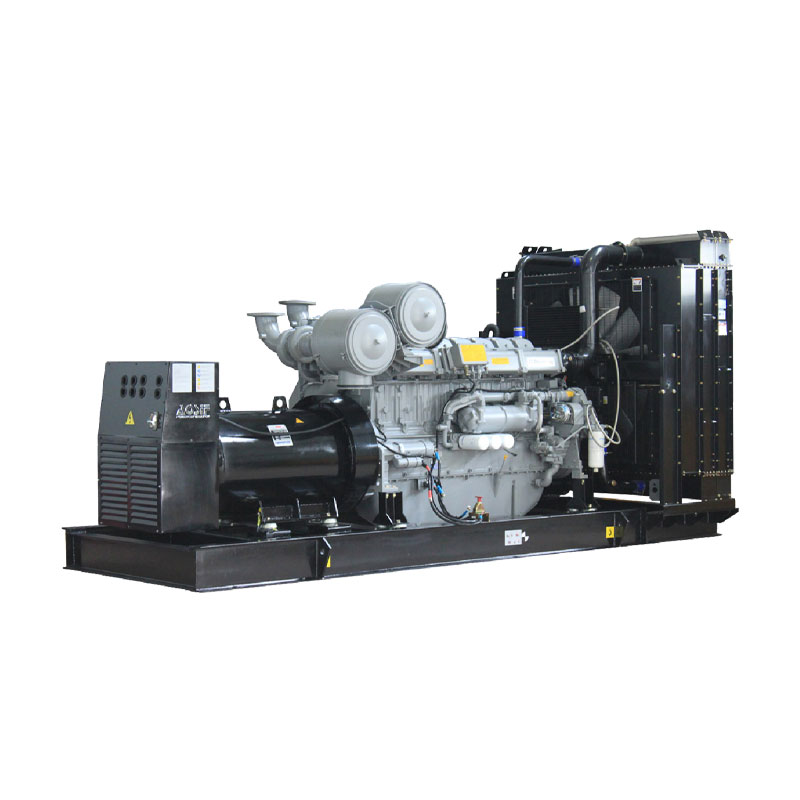
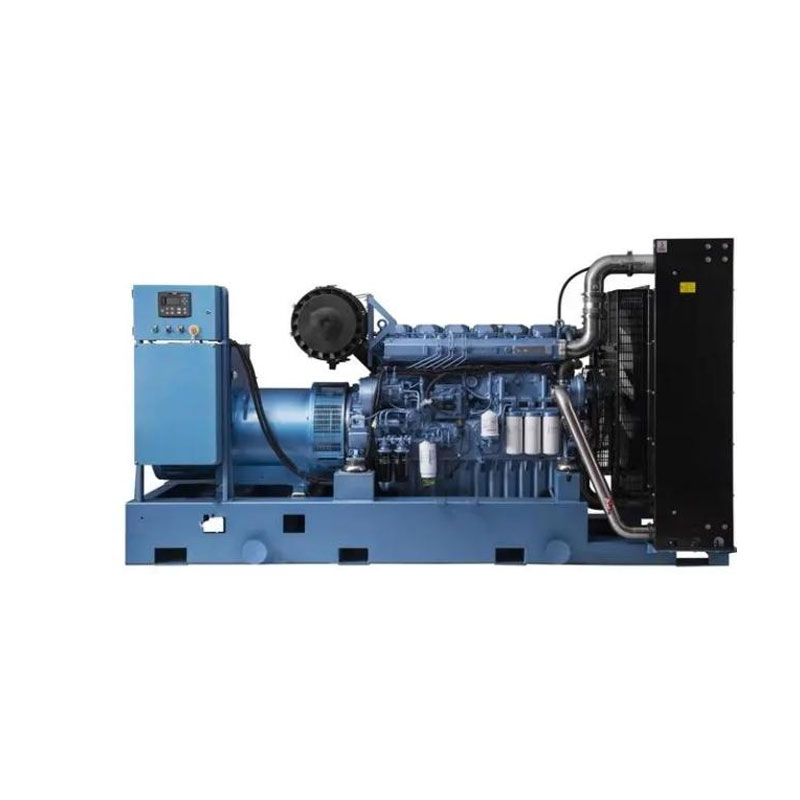
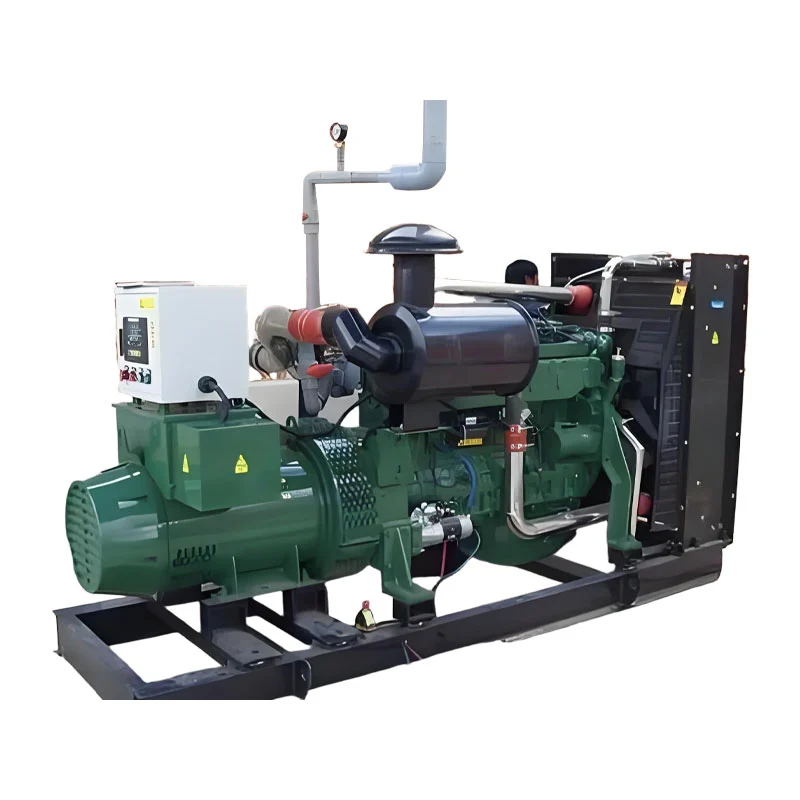
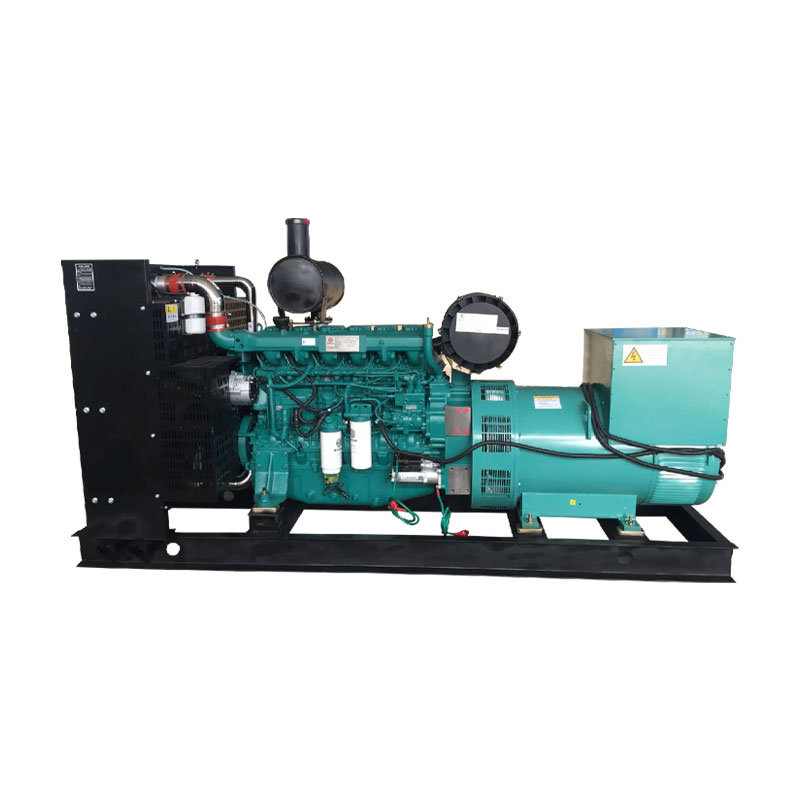
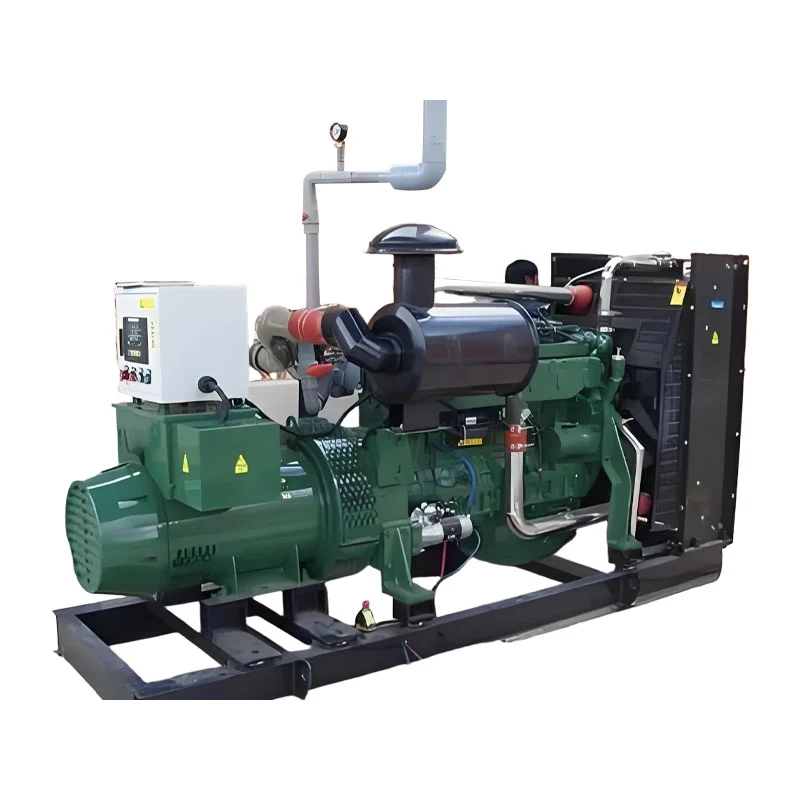
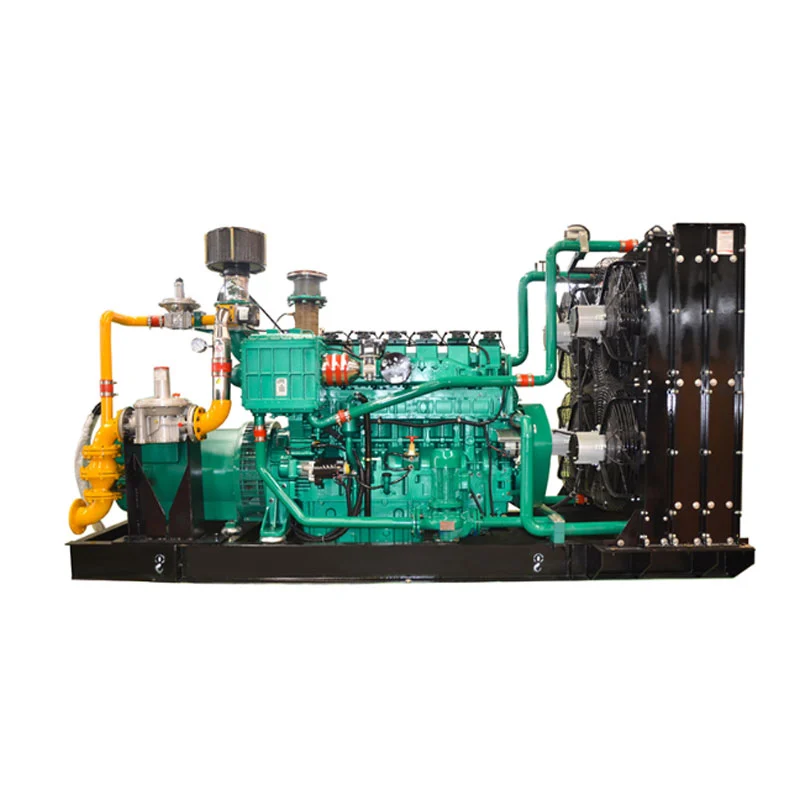
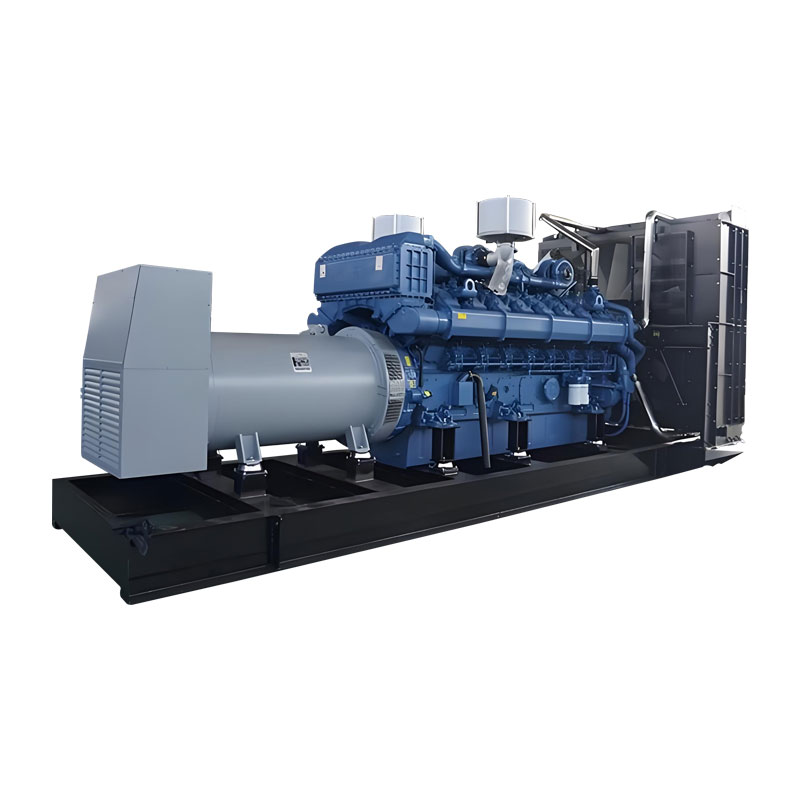
The keyword Emergency Standby Power represents a wide range of technologies including diesel generators, gas-powered systems, and battery-based backup units. Companies like Kecheng specialize in designing reliable solutions tailored for industrial and commercial use.


Why Emergency Standby Power is Critical

Power outages can have severe consequences across all sectors. Emergency Standby Power systems ensure continuity and reduce risks associated with unexpected electricity failures.

  • Business Continuity: Prevents downtime in production and services.
  • Data Protection: Essential for IT systems and data centers.
  • Safety Assurance: Maintains lighting and life-support systems in hospitals.
  • Financial Protection: Avoids revenue loss caused by outages.
  • Operational Stability: Ensures smooth workflow in industrial environments.

How Emergency Standby Power Systems Work

Emergency Standby Power systems are designed with automatic transfer switches (ATS), which detect power failures and instantly switch to backup generators or battery systems. The transition typically occurs within seconds, ensuring minimal disruption.

  1. Main power supply operates normally.
  2. System detects power failure or voltage drop.
  3. Automatic transfer switch activates standby system.
  4. Generator or backup system supplies electricity.
  5. Main power returns and system switches back automatically.

Types of Emergency Standby Power Systems

There are several types of Emergency Standby Power systems, each suited for different applications and requirements.

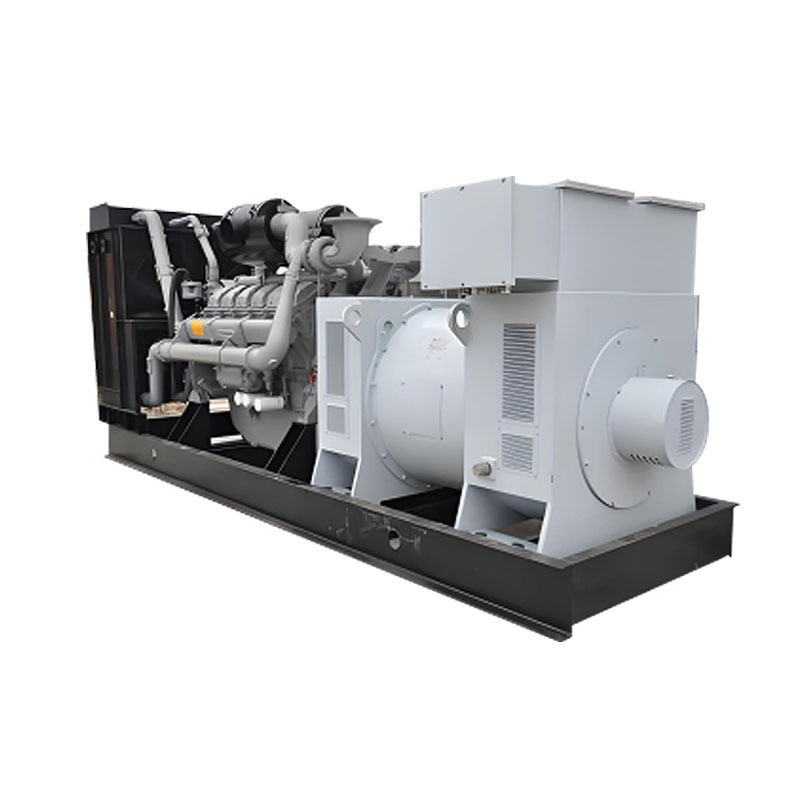
  • Diesel Generators: Most commonly used for industrial and large-scale applications.
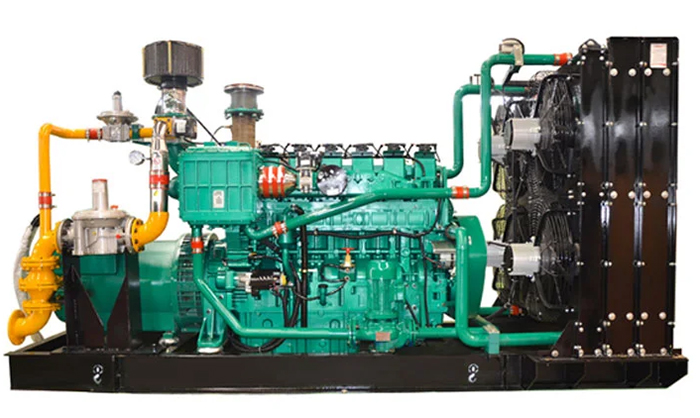
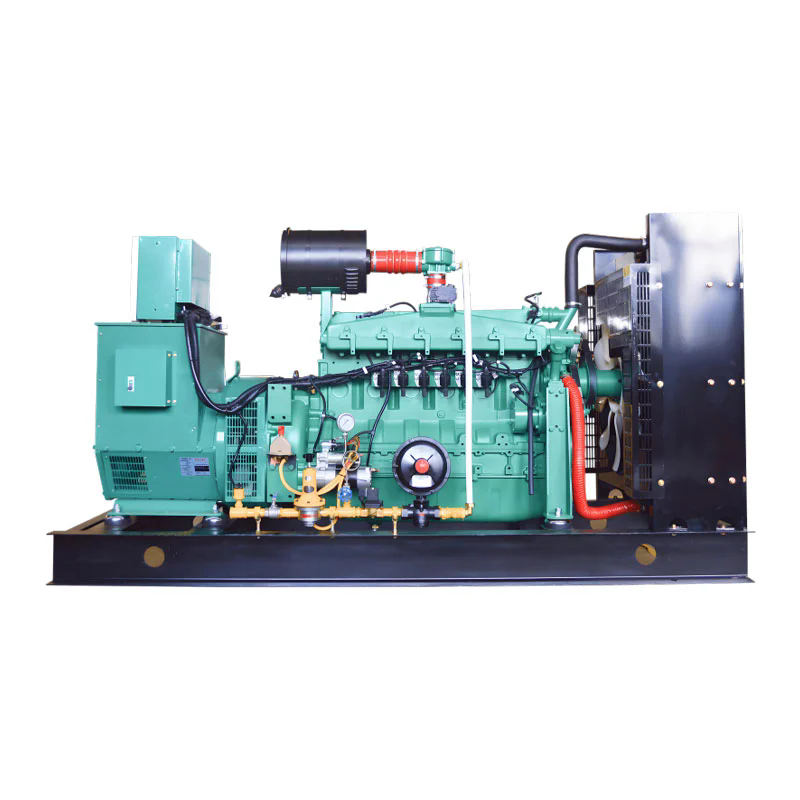
  • Gas Generators: Cleaner alternative with lower emissions.
  • UPS Systems: Provide instant short-term power using batteries.
  • Hybrid Systems: Combine renewable energy with traditional backup sources.

Comparison Table of Standby Power Solutions

Type Response Time Fuel Source Best For Maintenance Level
Diesel Generator 10–30 seconds Diesel Industrial facilities, hospitals Medium
Gas Generator 10–30 seconds Natural Gas Commercial buildings Medium
UPS System 0–5 milliseconds Battery Data centers, servers Low to Medium
Hybrid System Varies Solar + Fuel Sustainable infrastructure High

Applications Across Industries

Emergency Standby Power systems are widely used across multiple industries where power reliability is essential.

  • Healthcare: Hospitals and emergency rooms rely on continuous power.
  • Data Centers: Prevent data loss and server downtime.
  • Manufacturing: Maintain production lines and machinery.
  • Commercial Buildings: Ensure lighting and elevator operation.
  • Telecommunications: Keep communication networks active.

Key Benefits of Emergency Standby Power

Implementing an Emergency Standby Power system provides numerous advantages for businesses and institutions.

  • Immediate response during outages
  • Reduced operational downtime
  • Enhanced safety and compliance
  • Protection of sensitive equipment
  • Improved business reputation and reliability

System Design Considerations

When designing an Emergency Standby Power system, several critical factors must be considered to ensure efficiency and reliability.

  • Load Capacity: Determine total power requirements.
  • Response Time: Choose systems with appropriate switching speed.
  • Fuel Availability: Ensure consistent fuel supply.
  • Scalability: System should support future expansion.
  • Environmental Conditions: Consider temperature and location constraints.

Kecheng Emergency Standby Power Solutions

Kecheng is a professional provider of advanced Emergency Standby Power systems designed for industrial, commercial, and critical infrastructure applications. Their solutions focus on reliability, efficiency, and long-term operational stability.

Kecheng integrates modern engineering techniques with robust components to deliver high-performance standby power systems that meet global standards. Their Emergency Standby Power solutions are widely used in environments where uninterrupted electricity is essential.

  • Custom-engineered power systems
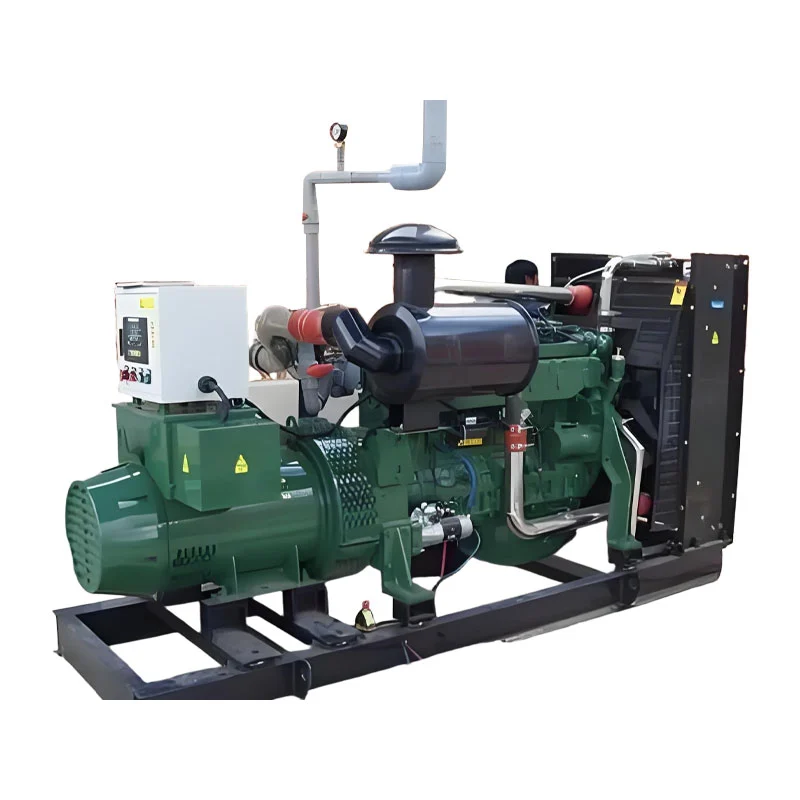
  • High-efficiency generator sets
  • Advanced automatic transfer switch technology
  • Industrial-grade durability
  • Comprehensive technical support

Maintenance and Testing Strategies

Proper maintenance ensures the long-term reliability of Emergency Standby Power systems.

  1. Conduct monthly system testing
  2. Inspect fuel levels and quality
  3. Check battery health and UPS performance
  4. Run load tests periodically
  5. Ensure ATS functionality is intact

Regular maintenance reduces the risk of unexpected failure and ensures that Emergency Standby Power systems function effectively when needed most.


Common Mistakes to Avoid

Many organizations fail to maximize the effectiveness of their standby power systems due to avoidable errors.

  • Ignoring routine maintenance schedules
  • Underestimating load requirements
  • Using low-quality components
  • Failing to test under real load conditions
  • Lack of proper installation planning

Frequently Asked Questions (FAQ)

Q1: What is Emergency Standby Power used for?
It is used to provide backup electricity during power outages to ensure continuous operation of critical systems.

Q2: How fast does Emergency Standby Power activate?
Depending on the system type, activation can range from milliseconds (UPS) to a few seconds (generators).

Q3: Is Emergency Standby Power necessary for small businesses?
Yes, even small businesses benefit by preventing downtime and data loss during outages.

Q4: How often should Emergency Standby Power systems be tested?
Monthly testing is recommended to ensure reliability and readiness.

Q5: What makes Kecheng systems reliable?
Kecheng systems are engineered with high-quality components, advanced automation, and strict quality control standards.


Conclusion and Call to Action

Emergency Standby Power is an essential infrastructure component for modern society, ensuring continuous operations across industries that cannot afford downtime. From healthcare to data centers, the importance of reliable backup power cannot be overstated.

With advanced engineering and industry expertise, Kecheng delivers dependable Emergency Standby Power solutions tailored to meet diverse operational needs.

If you are looking to enhance your facility’s power reliability and ensure uninterrupted operations, now is the time to invest in a professional-grade system. Contact us today to learn more about customized Emergency Standby Power solutions designed for your business needs.

Related News
Leave me a message
X
We use cookies to offer you a better browsing experience, analyze site traffic and personalize content. By using this site, you agree to our use of cookies. Privacy Policy
Reject Accept