News

News

What Are the Benefits and Challenges of Using Fecal Biogas Generator Sets

2026-04-08 0 Leave me a message

Fecal biogas generator sets have emerged as an eco-friendly solution to the growing need for renewable energy sources. These systems harness the methane gas produced from organic waste, particularly fecal matter, to generate electricity. This blog explores the various benefits and challenges of using fecal biogas generator sets, focusing on their environmental impact, cost-effectiveness, and efficiency. The article also discusses the key components of these systems and how they can contribute to sustainable energy production. Learn more about how Kecheng's advanced biogas generator sets can play a crucial role in powering both urban and rural areas.

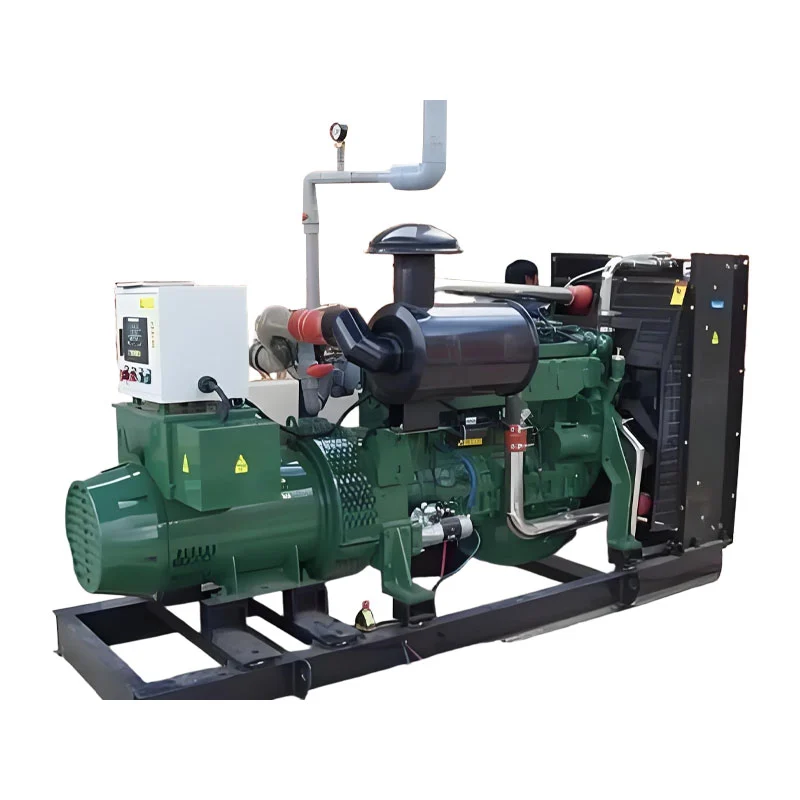
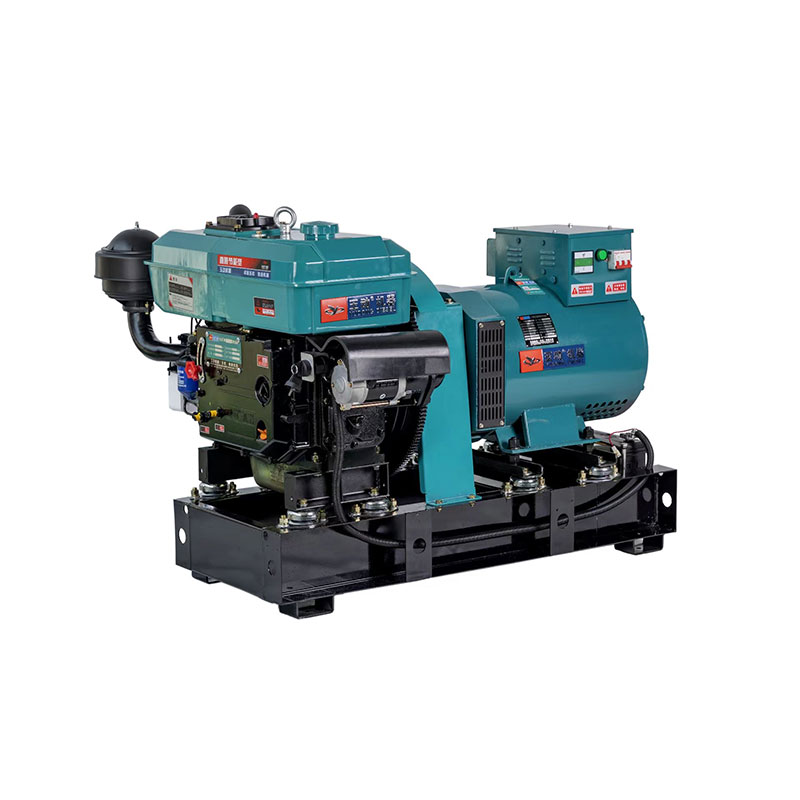
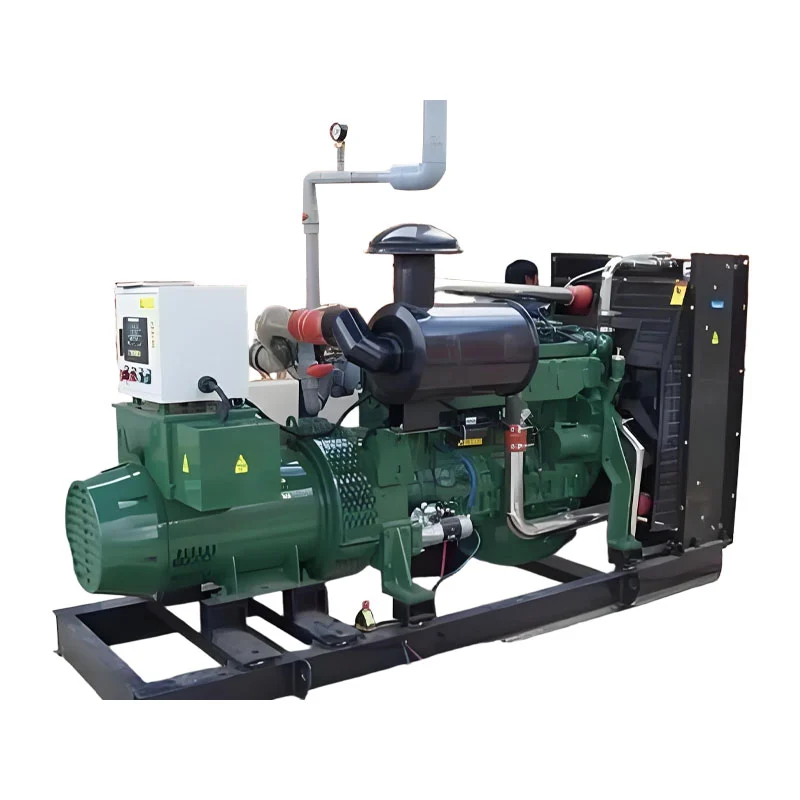
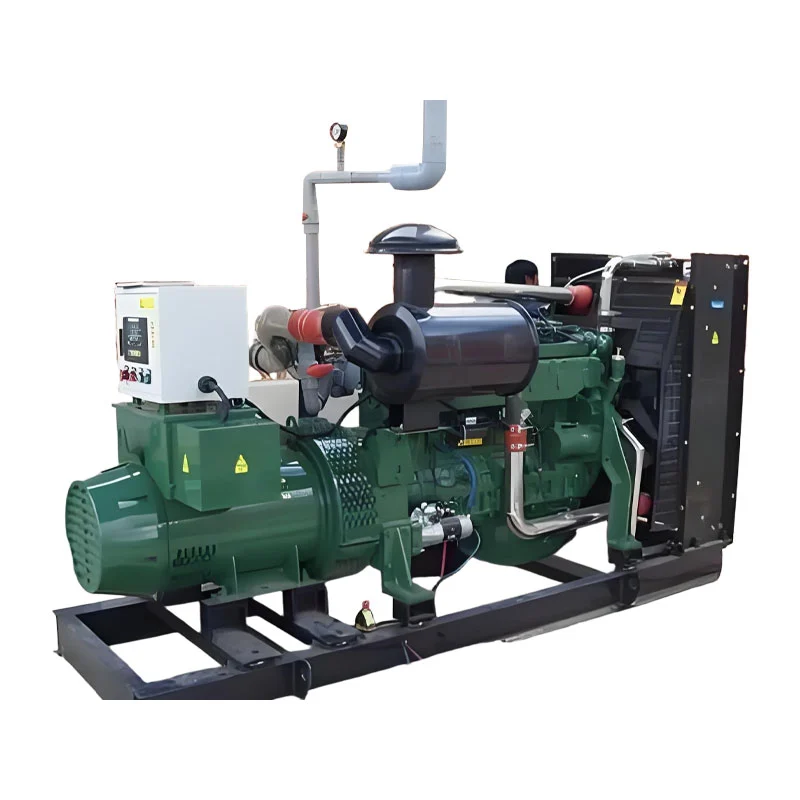
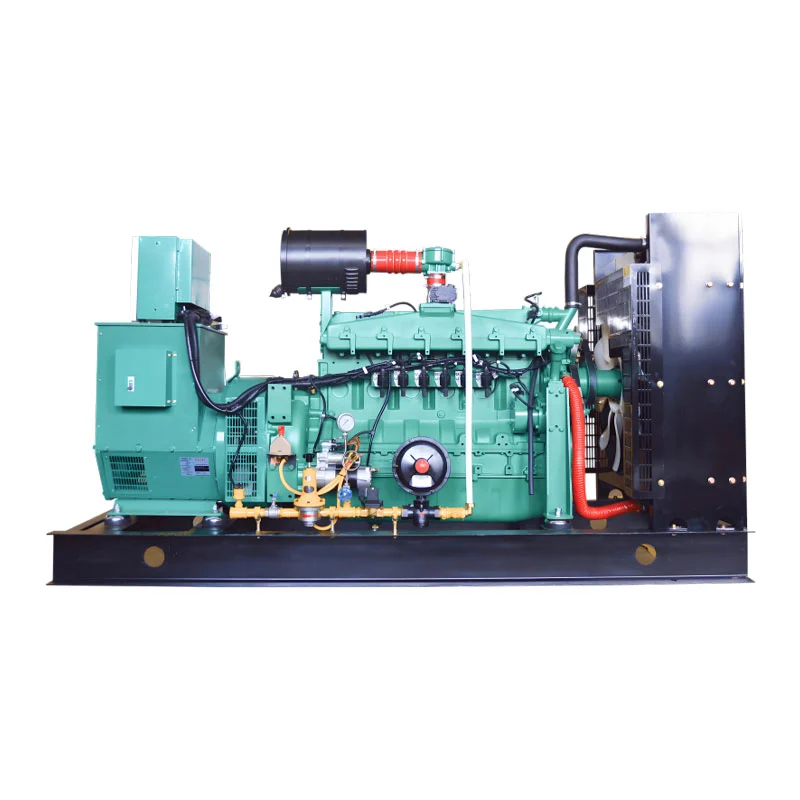
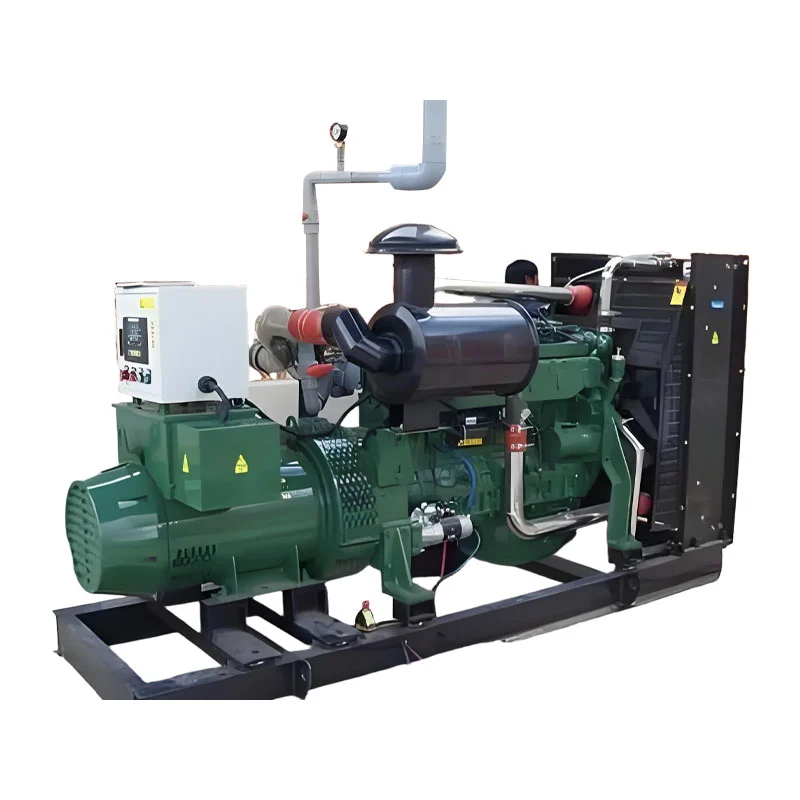
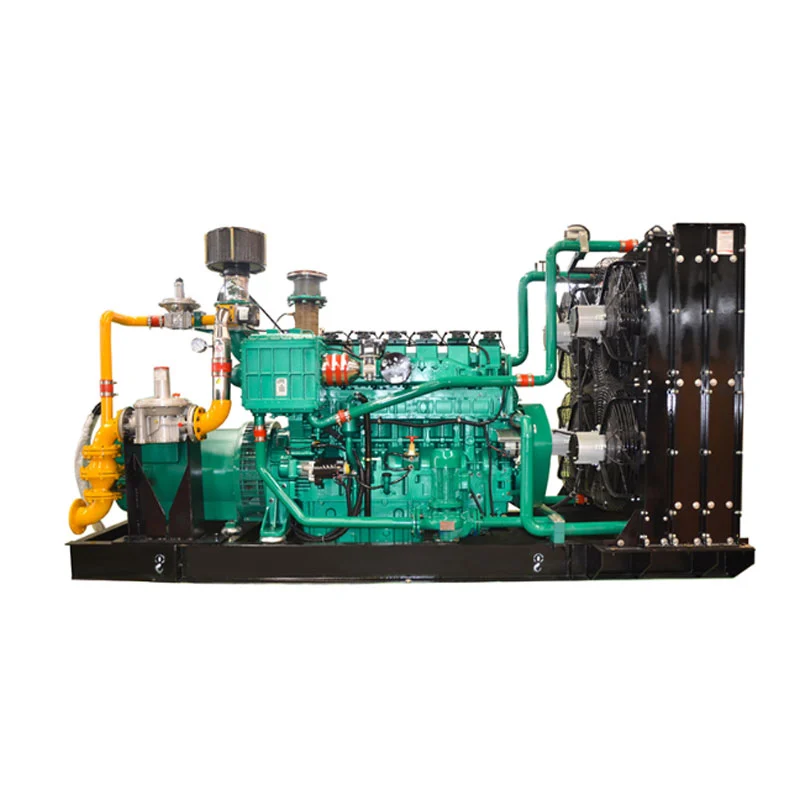
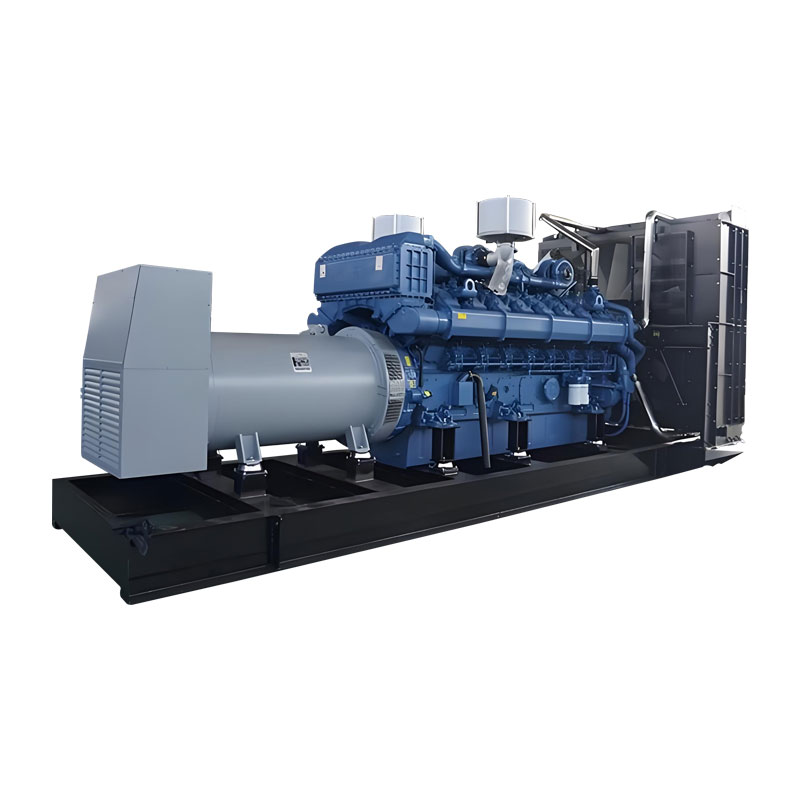
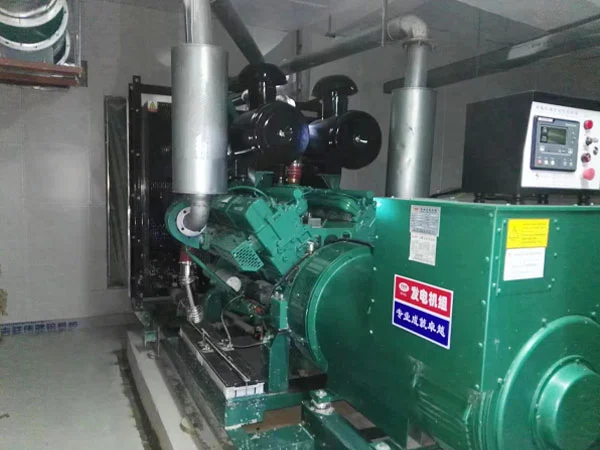
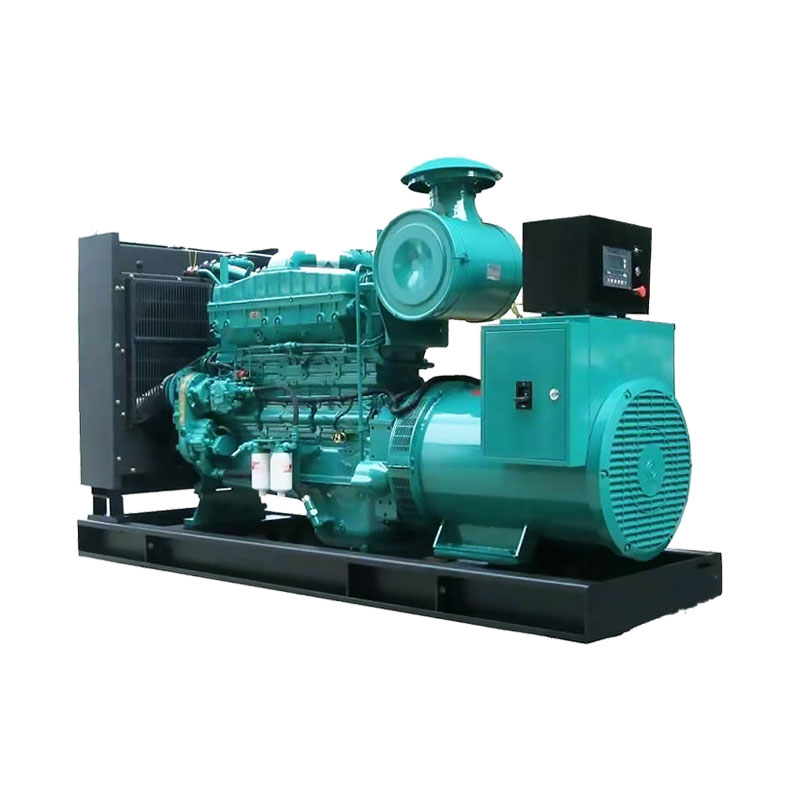
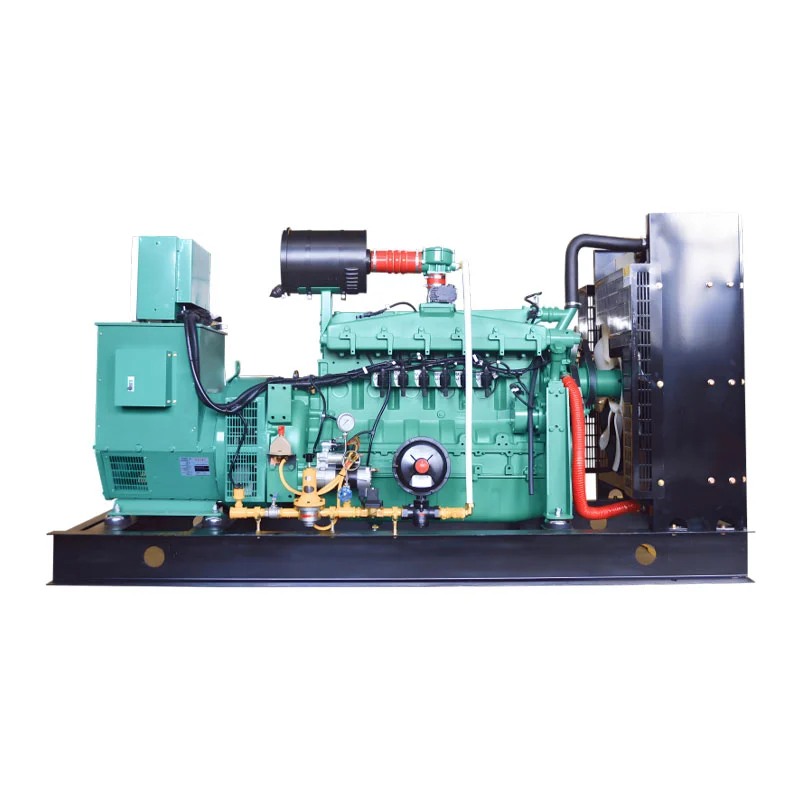
Fecal Biogas Generator Set

Table of Contents:


Introduction to Fecal Biogas Generator Sets

Fecal biogas generator sets represent an innovative approach to addressing energy needs while promoting sustainability. These systems convert fecal waste, often from livestock or human sources, into valuable biogas, which can then be used to generate electricity. By capturing methane gas—a potent greenhouse gas—these generator sets help mitigate environmental issues associated with organic waste disposal.

Fecal biogas generation is gaining traction in many parts of the world, especially where waste management and energy production are significant concerns. These systems offer a renewable, low-emission alternative to fossil fuels and can be particularly useful in rural or remote areas where access to traditional energy grids is limited.


The Environmental Impact of Fecal Biogas

The environmental benefits of fecal biogas generator sets are substantial. Traditional methods of waste disposal, such as landfilling or open dumping, often result in the release of methane into the atmosphere. This methane is a powerful greenhouse gas that contributes to global warming.

Fecal biogas systems, on the other hand, provide a controlled environment for methane capture and use, preventing its release into the atmosphere. By turning waste into energy, these systems help reduce reliance on fossil fuels, decrease pollution, and mitigate the effects of climate change.

Moreover, these systems reduce the environmental impact of fecal waste by converting it into a resource rather than a burden. The process helps improve sanitation conditions, particularly in areas where waste treatment infrastructure is inadequate.


Key Components of Fecal Biogas Generator Sets

Component Description
Digester Tank The tank where organic waste is processed to produce biogas. It provides an anaerobic environment that promotes the breakdown of waste.
Biogas Storage A facility for storing the biogas before it is used to generate electricity. It typically includes gas storage tanks and pipelines.
Generator The engine that converts the biogas into electricity, which can be used for various applications such as powering homes, businesses, or industrial operations.
Gas Purification System A system that ensures the biogas is free from contaminants, such as hydrogen sulfide, which could damage the generator.

Benefits of Using Fecal Biogas Generator Sets

  • Renewable Energy Source: Fecal biogas is a renewable source of energy that can be continuously produced from organic waste, making it a sustainable energy solution.
  • Waste Management: These systems provide an effective means of managing waste, particularly fecal matter, in areas with limited waste treatment infrastructure.
  • Reduction in Greenhouse Gas Emissions: By capturing methane and using it as a fuel source, fecal biogas generator sets help prevent the emission of this potent greenhouse gas into the atmosphere.
  • Cost-Effective: Over time, the initial investment in biogas generator sets can be recouped through energy savings and waste disposal cost reductions.
  • Improved Sanitation: These systems can contribute to better sanitation in communities, particularly in rural or underdeveloped regions where waste management infrastructure is lacking.

Challenges and Limitations

Despite their numerous benefits, fecal biogas generator sets do face some challenges:

  • Initial Investment: The setup cost for biogas systems can be high, which may be a barrier for some communities or organizations.
  • Maintenance Requirements: Biogas systems require regular maintenance to ensure efficiency and prevent system failures.
  • Waste Availability: Consistent access to organic waste is necessary for biogas production, which can be a limitation in some areas.
  • Technological Complexity: The technology behind biogas generation can be complex, requiring expertise for installation and operation.

How Kecheng's Biogas Generator Sets Stand Out

Kecheng offers cutting-edge fecal biogas generator sets that are designed for maximum efficiency and ease of use. With advanced technology and robust construction, Kecheng's systems provide reliable performance even in challenging environments. Key features of Kecheng’s biogas generator sets include:

  • High Efficiency: Kecheng's systems are engineered to maximize biogas output and minimize energy loss, ensuring optimal performance.
  • Durability: Built to withstand the demands of long-term use, Kecheng’s biogas systems are made with high-quality materials that ensure durability and longevity.
  • Comprehensive Support: Kecheng offers full technical support and maintenance services to ensure your system operates at peak performance.

FAQ

Q1: What is a fecal biogas generator set?

A fecal biogas generator set is a system that converts organic waste, especially fecal matter, into biogas through anaerobic digestion. The generated biogas is then used to power a generator to produce electricity.

Q2: What are the advantages of using fecal biogas generator sets?

Fecal biogas generator sets provide several advantages, including renewable energy production, effective waste management, reduction in greenhouse gas emissions, and cost savings over time.

Q3: How does a biogas generator set work?

The biogas generator set works by processing organic waste in a digester, where it is broken down by bacteria in an anaerobic environment. The biogas produced is stored and then used to power a generator that converts the gas into electricity.

Q4: Are there any maintenance requirements for biogas systems?

Yes, biogas systems require regular maintenance to ensure their continued efficiency. This includes monitoring the digester, cleaning the system, and ensuring that the gas purification system is functioning properly.


Conclusion

Fecal biogas generator sets offer a powerful, eco-friendly solution to the challenges of waste management and renewable energy production. While there are some challenges associated with their installation and maintenance, the benefits far outweigh the drawbacks, particularly in areas where waste disposal and energy access are pressing concerns.

As a leader in the field, Kecheng provides innovative and reliable biogas generator sets that can help communities and industries transition to a more sustainable future. Whether you're looking to reduce waste, generate renewable energy, or improve sanitation, Kecheng has the right solution for you.

Contact us today to learn more about how our biogas generator sets can help meet your energy needs and contribute to a cleaner, greener planet.

Related News
Leave me a message
X
We use cookies to offer you a better browsing experience, analyze site traffic and personalize content. By using this site, you agree to our use of cookies. Privacy Policy
Reject Accept