Products

Products

Remanufactured Diesel Generator Sets
  • Remanufactured Diesel Generator SetsRemanufactured Diesel Generator Sets

Remanufactured Diesel Generator Sets

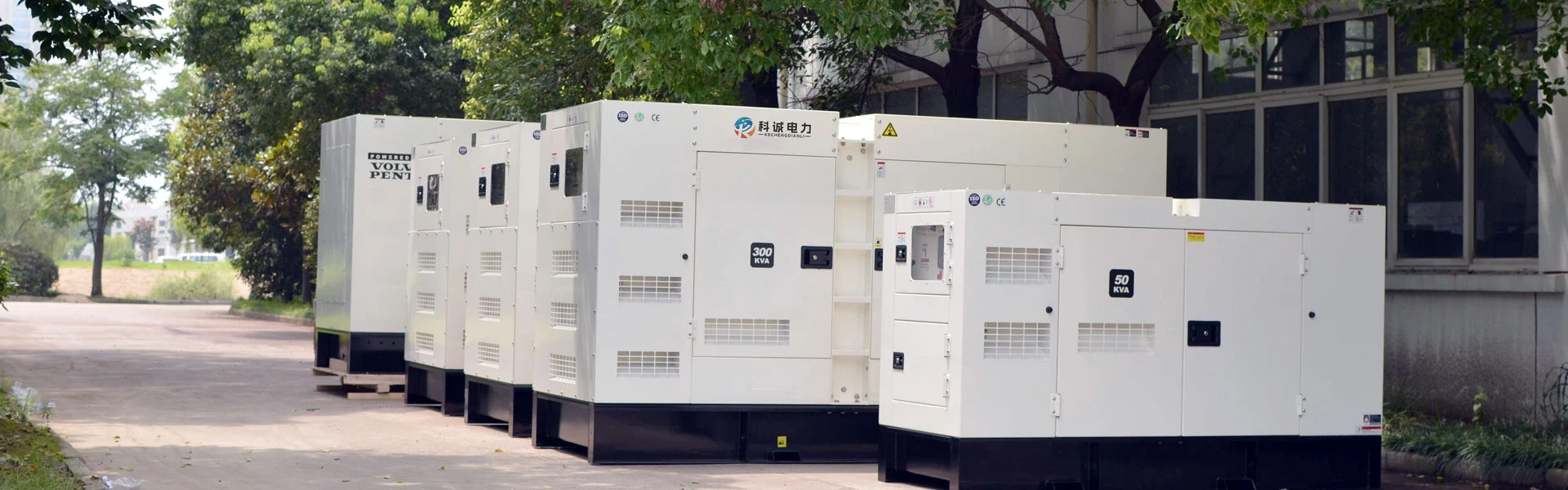
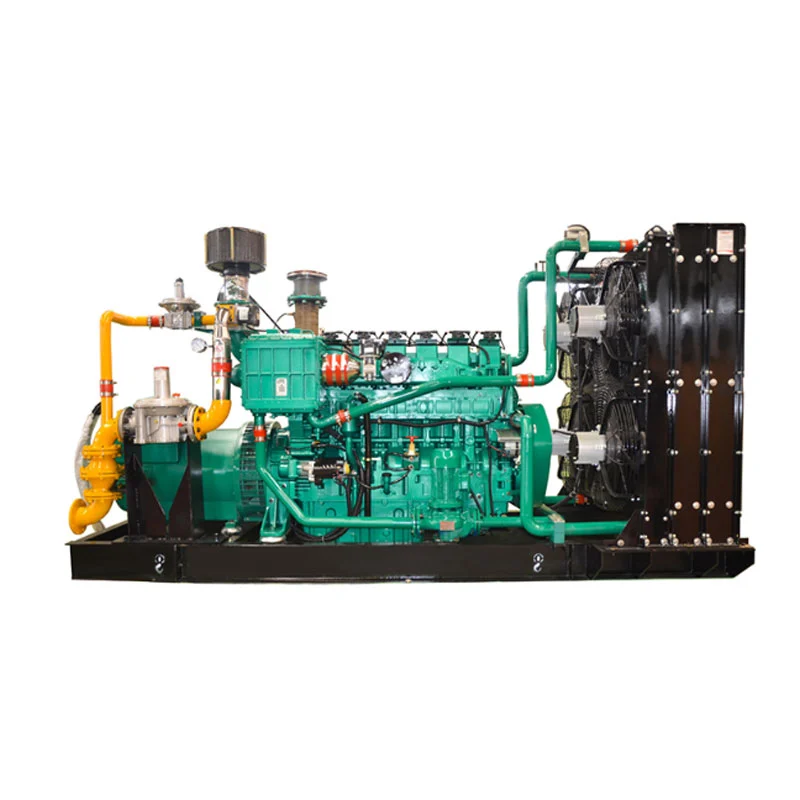
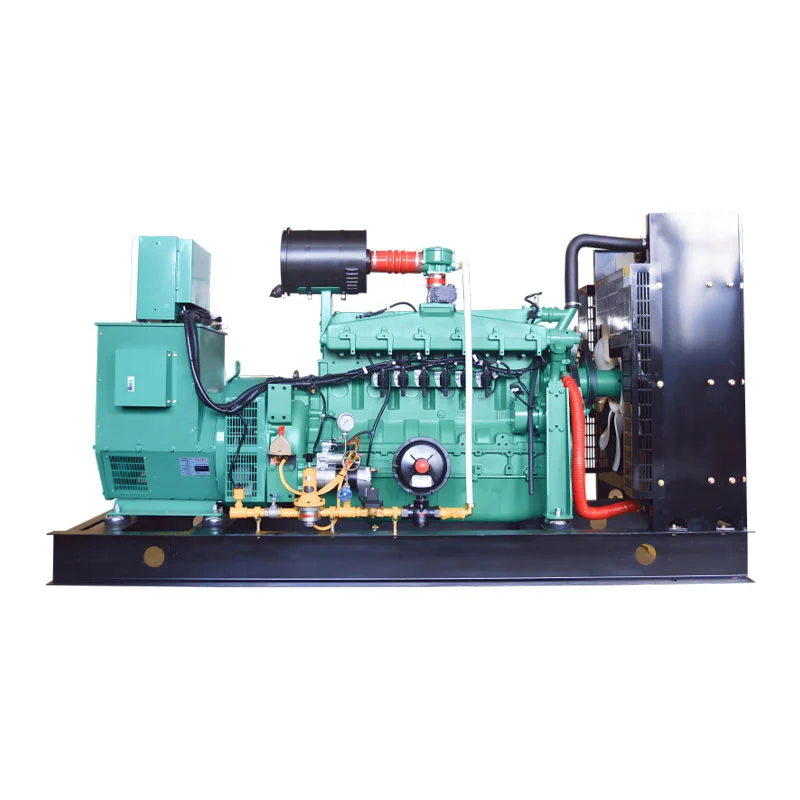
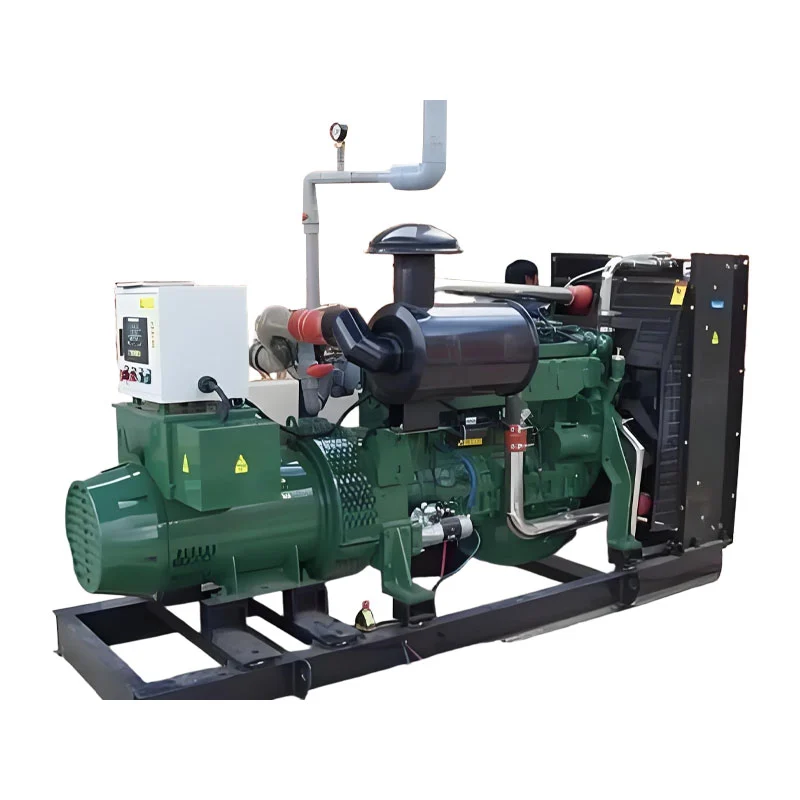
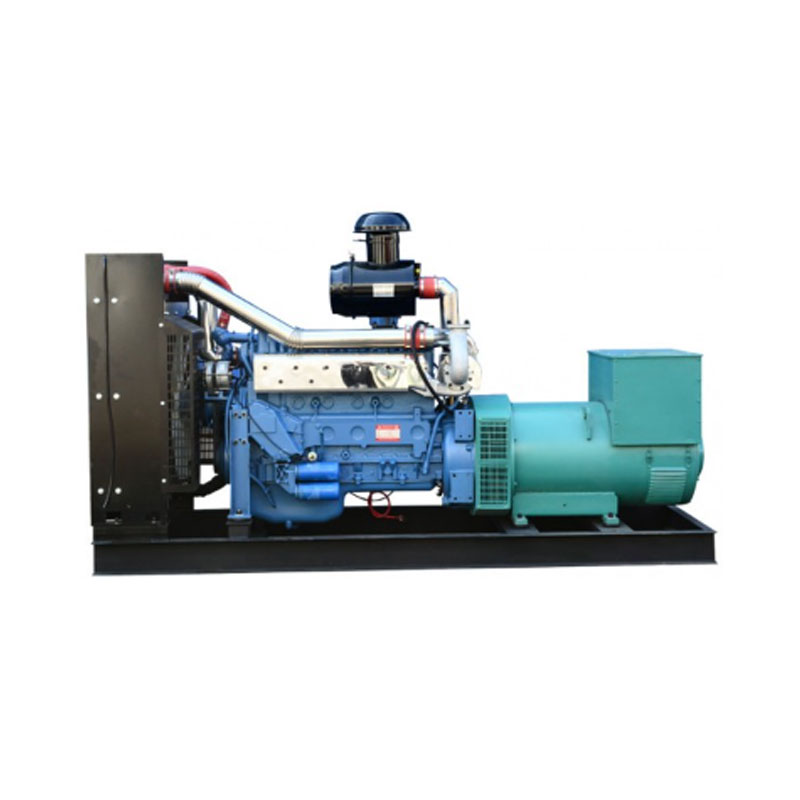
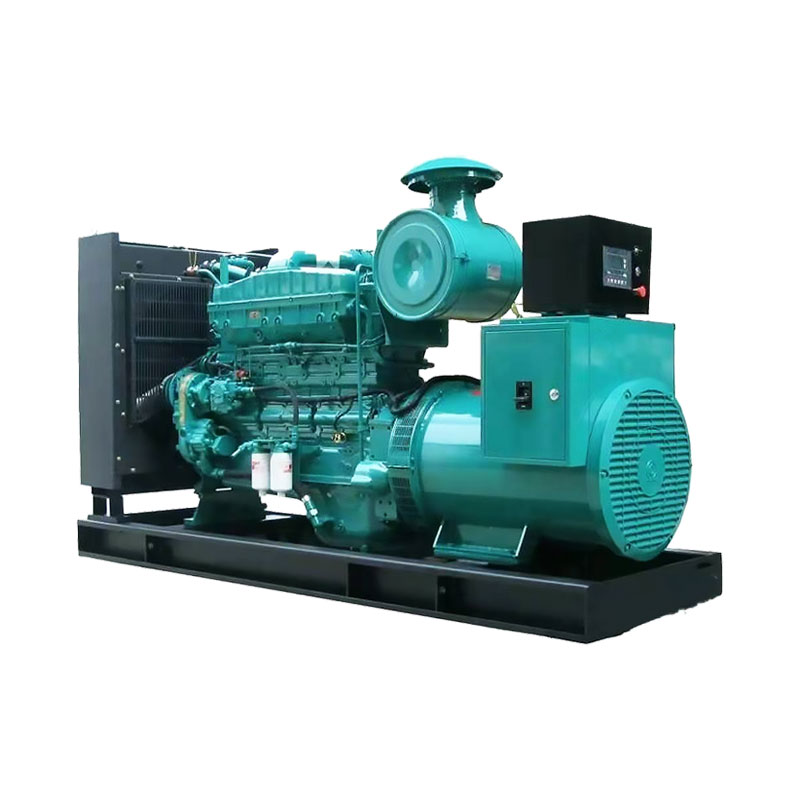
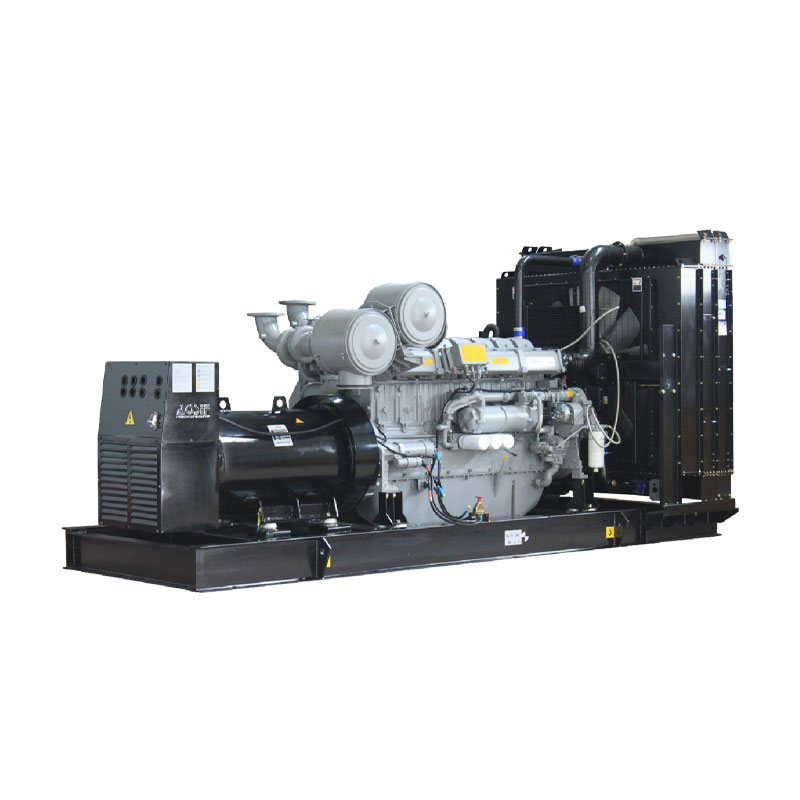
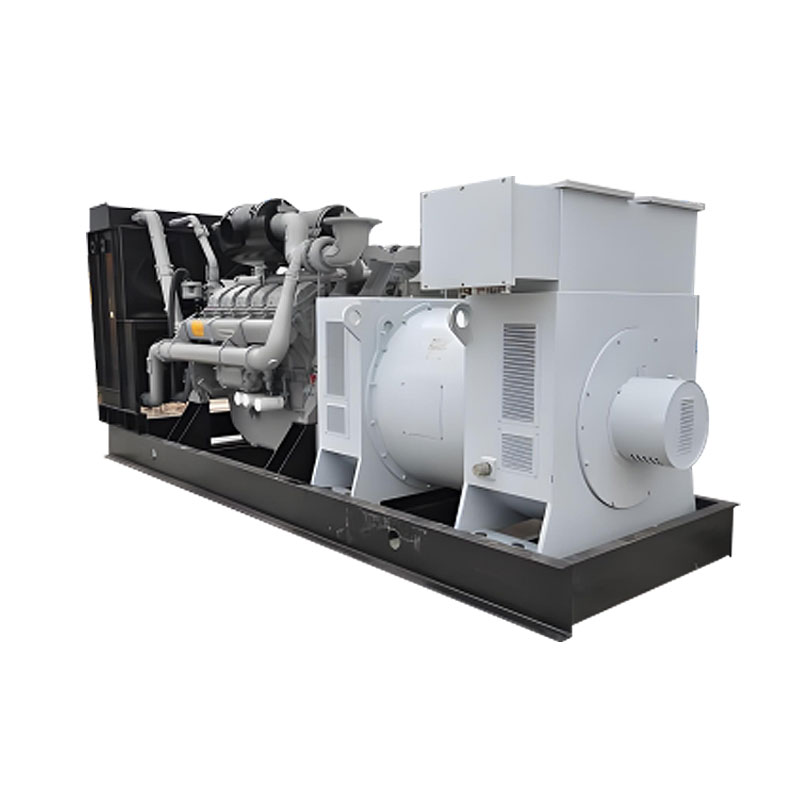
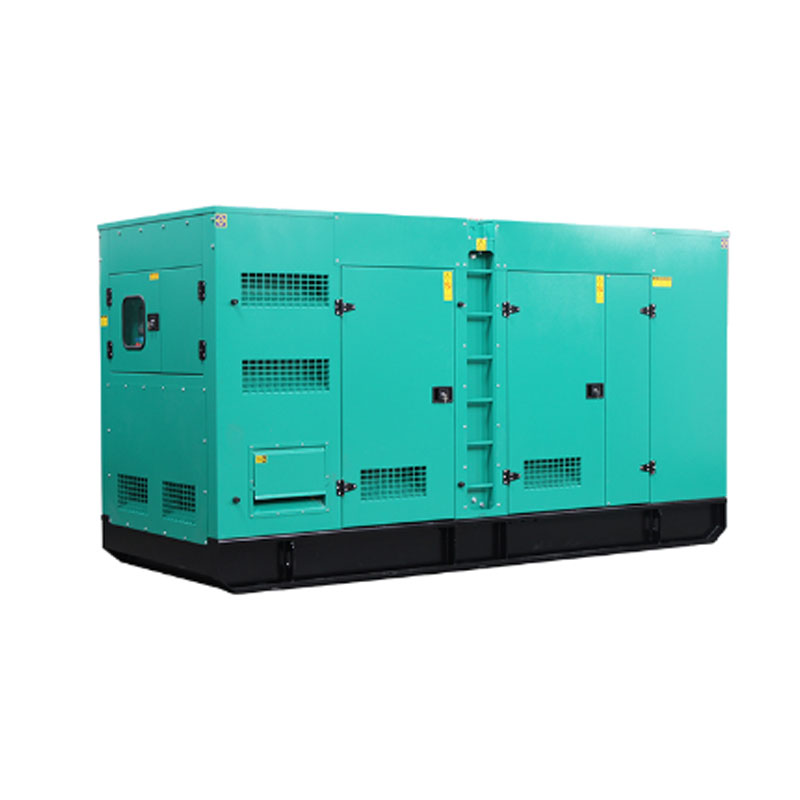
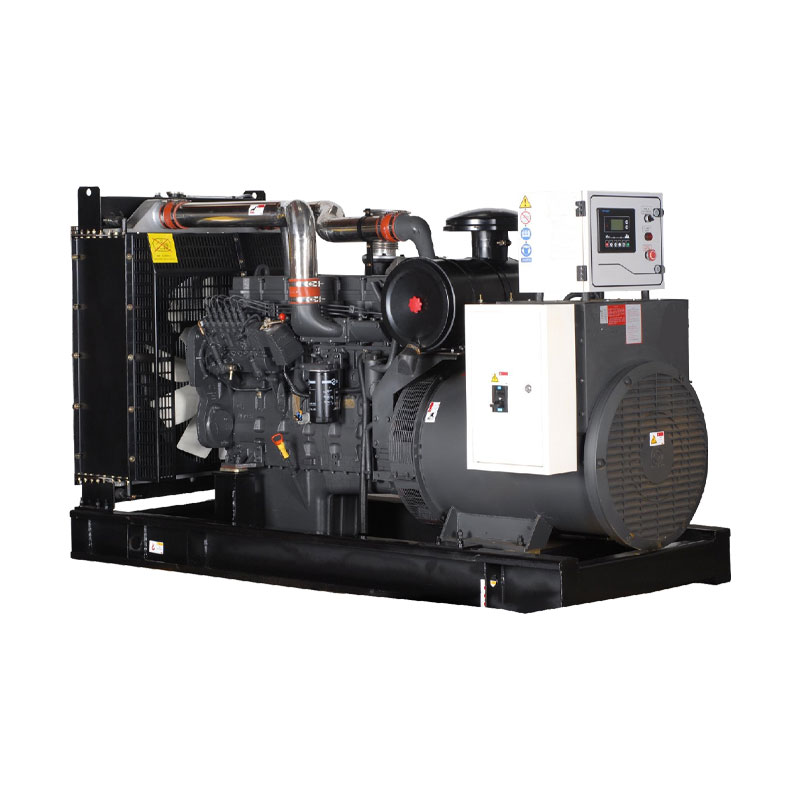
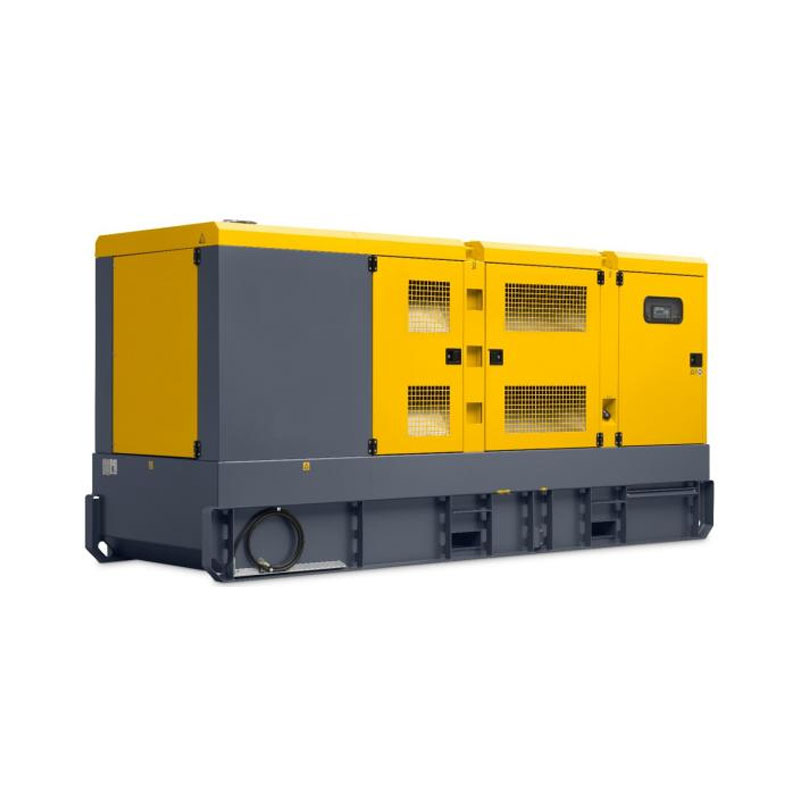
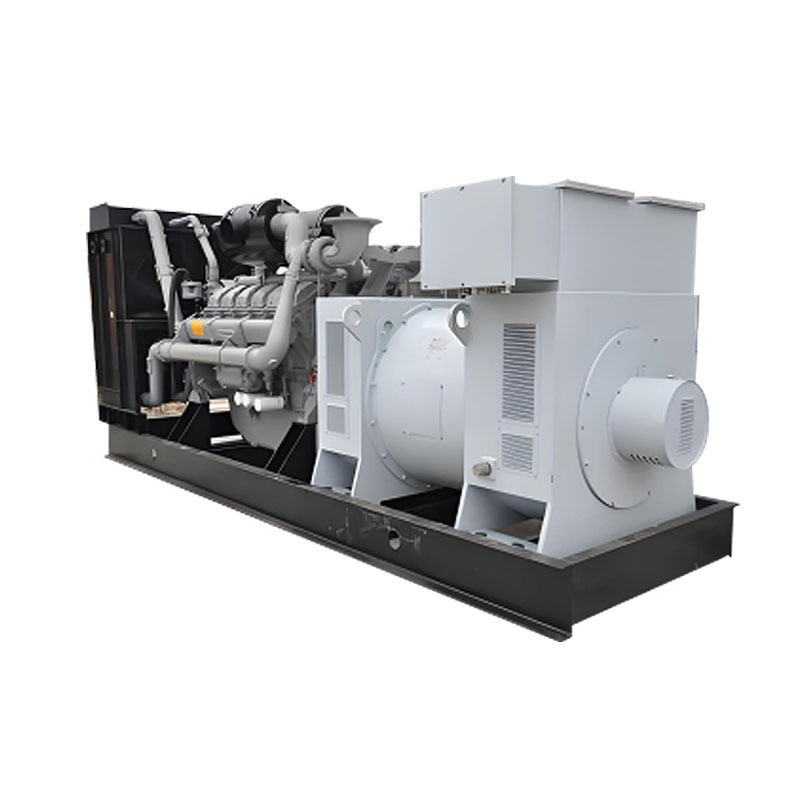
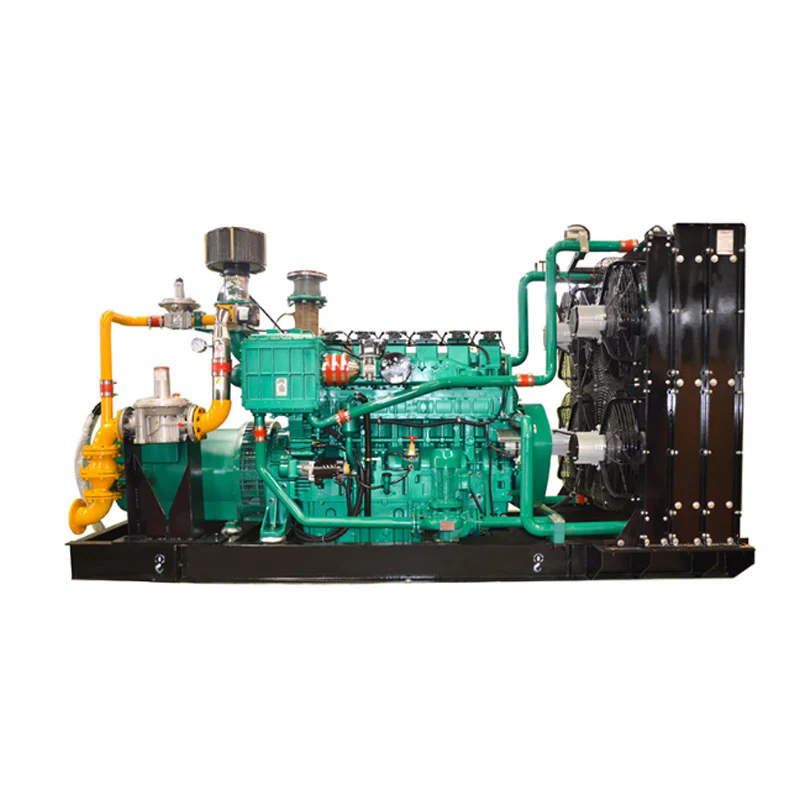
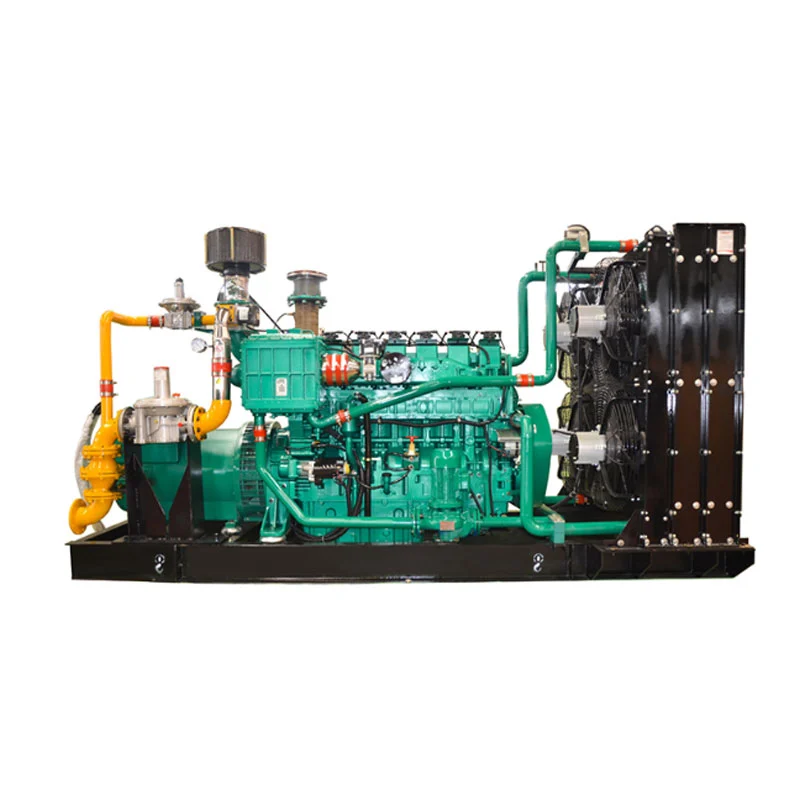
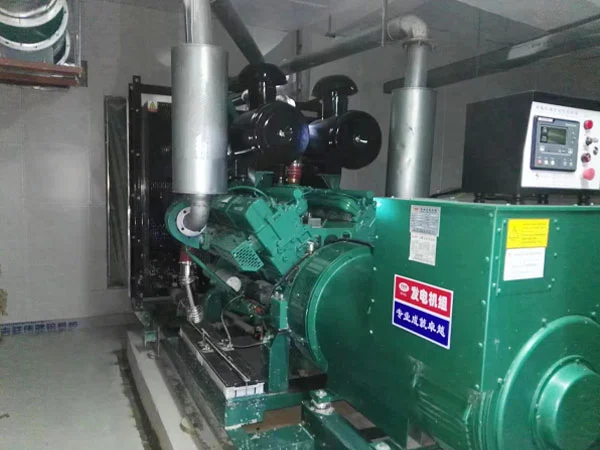
This Remanufactured Diesel Generator Sets by Kecheng as a professional manufacturer, is an economical and environmentally friendly power generation equipment. This product, through standardized repair processes, restores its performance to over 95% of that of a new machine, significantly reducing costs while meeting reliability requirements such as emergency backup.

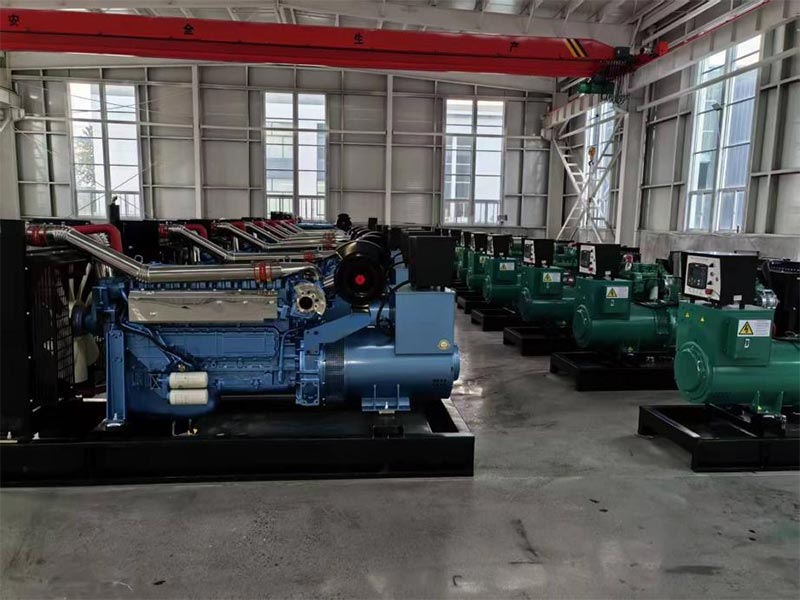
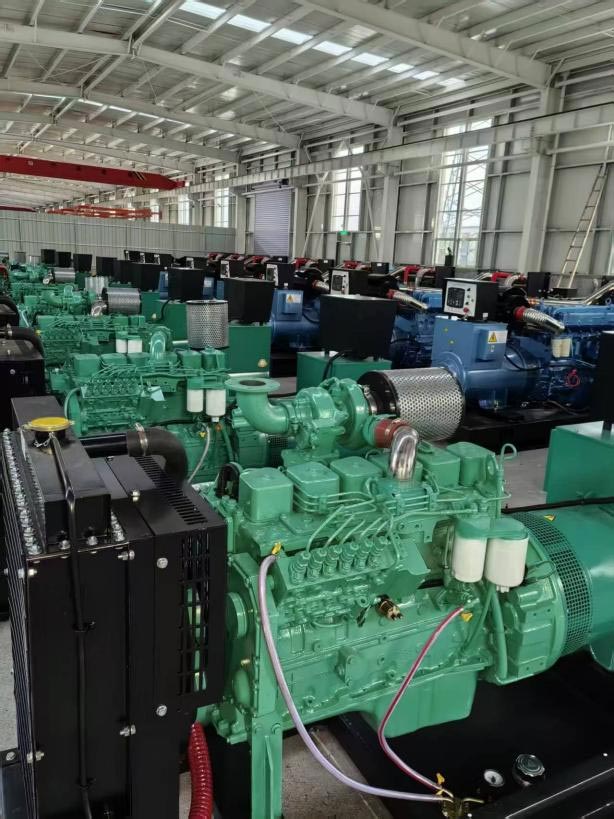
Kecheng’s quality Remanufactured Diesel Generator Sets can meet your budget, while also emphasizing the environmental friendliness and reliability of the equipment. This product is based on retired units of brands such as Yuchai and Weichai from regular channels. Through a six-step strict remanufacturing process, the performance of core components such as engines and generators has been restored to over 95% of their brand-new state. The production process adheres to national remanufacturing technical standards, including full performance screening, core component repair and full-load testing, etc., ensuring the quality before leaving the factory. The unit also integrates a modern intelligent control module to meet the current monitoring requirements. Its procurement cost can be reduced by 30% to 50% compared to new machines of the same power. The core components offer a quality guarantee of one and a half years or 5,000 hours, providing a power supply solution that is both economical and practical for small and medium-sized projects that are sensitive to costs and concerned about environmental benefits.

Remanufacture Diesel Generator Sets

Application scenarios (Exclusive adaptation for remanufactured units)

Remanufacture Diesel Generator Sets

1. Small and medium-sized industrial and processing scenarios

• Applicable scenarios: Township machinery factories (lathes, drilling machines), small food workshops (packaging machines, dough mixers), small building materials factories (mixers, cutters)

• Core value: It meets the "low-frequency emergency power supply" needs of small and medium-sized factories (such as 1-2 power outages per month), with a cost of only 50% to 70% of that of brand-new units, reducing initial investment. The performance meets the standards (stable operation at full load), avoiding production interruption caused by insufficient equipment performance, and is suitable for small and medium-sized enterprises with limited budgets.


Remanufacture Diesel Generator Sets

2. Power supply for rural and remote areas

• Applicable scenarios: Centralized power supply in remote rural areas (lighting and household appliances for 10-20 households), mountainous planting bases (irrigation pumps, simple temperature control equipment), temporary living electricity in pastoral areas (lighting, small household appliances)

• Core value: Low-cost solution to power supply problems in areas not covered by the power grid (the cost of a 20kW remanufactured unit is 40% lower than that of a brand-new one); Adapt to the "low maintenance requirements" in rural areas (the vulnerable parts have been optimized during remanufacturing, extending the maintenance cycle by 20%); It supports continuous operation for 8 to 12 hours (with a built-in fuel tank), meeting the daily electricity needs in rural areas.


3. Construction machinery and temporary operations

• Applicable scenarios: The Remanufactured Diesel Generator Sets can be used in small-scale construction projects (vibration rods, temporary lighting), municipal maintenance (road maintenance equipment, drainage pumps), agricultural machinery accessories (emergency power supply for combine harvesters, irrigation equipment)

• Core value: The remanufactured units are lightweight (≤1500kg for 20-50kW models), and can be equipped with mobile trailers to meet the "frequent relocation" requirements of construction machinery. Shock-resistant load (the engine can withstand 2.5 times the rated starting current after repair), suitable for intermittent power supply for temporary operations. Low cost, can be leased or purchased as needed, reducing the investment in project equipment.


4. Public welfare and emergency support scenarios

• Applicable scenarios: Temporary power supply in disaster-stricken areas (lighting in post-disaster resettlement sites, medical emergency equipment), public welfare activities (free medical consultations in rural areas, public welfare exhibitions), emergency backup in communities (emergency power supply for elevators and water pumps in old residential areas)

• Core value: Short remanufacturing cycle (delivery within 15-20 days, 30% faster than brand-new units), enabling rapid response to emergency demands; It has prominent environmental protection attributes (reducing solid waste generated from the scrapping of decommissioned units and lowering carbon emissions by 30%), which is in line with the green orientation of public welfare projects. The price is affordable, making it suitable for low-cost procurement by public welfare organizations and communities.


5. Business support and backup scenarios

• Applicable scenarios: Small supermarkets (refrigerators, backup cash register systems), community clinics (basic medical equipment), small homestays (lighting, simple air conditioners)

• Core value: Fast emergency response (activation within ≤15 seconds after power failure), ensuring the basic operation of business; The noise control meets the standards (for models with noise reduction covers, it is ≤72dB@10 meters), avoiding disturbing the residents. Low maintenance cost (wear parts have been replaced during remanufacturing, zero maintenance for the first six months), suitable for the "low operation and maintenance investment" requirements of small business premises.

Product Advantages (Core Competitiveness of Remanufacturing)

Advantage Category Kecheng Remanufactured Unit Features User Practical Value
Cost-Effectiveness Price of remanufactured unit is 50%-70% of new unit; low maintenance cost (no consumable replacement needed for first 6 months). 20kW model: Initial investment saves 15,000-20,000 CNY compared to new unit; annual maintenance saves 3,000-5,000 CNY; ideal for budget-limited users.
Environmental Sustainability Follows "Remanufacturing-Resource Cycle" principle; per unit reduces solid waste by 80% (~500kg) and carbon emissions by 30% (~1.2 tons CO₂/year). Complies with national "Dual Carbon" policy; helps users obtain environmental certifications (e.g., rural green projects, NGO eco-ratings).
Performance Reliability Core components (engine, generator) pass 1000h full-load test, performance restored to ≥95% of new unit; key repairs use laser cladding, plasma spray (extends component life to 8000h). Meets small/medium "emergency/backup" power needs; failure rate only 5% higher than new units, ensuring reliability.
Fast Delivery Remanufacturing cycle 15-20 days (vs. 30-45 days for new unit customization); 20-100kW mainstream models often kept in remanufactured stock. Rapid response to emergency demands, no long waiting periods; suitable for temporary projects, post-disaster reconstruction, etc.
Customization Flexibility Upgrades available during remanufacturing (e.g., adding ATS, remote monitoring modules) at 20% lower cost than new units. Functions can be optimized per user needs (e.g., adding cold-start modules for rural users), balancing economy and practicality.

Technical parameters (Mainstream power range for remanufacturing)

Parameter Category 20-50kW (Small Remanufactured) 50-100kW (Medium Remanufactured) 100-200kW (Medium/Large Remanufactured)
Rated Power (Prime/Standby) 20/22kW - 50/55kW 50/55kW - 100/110kW 100/110kW - 200/220kW
Core Components Source Decommissioned Yuchai YC4F, Weichai WP4 engines; domestic high-quality generators Decommissioned Yuchai YC6B, Weichai WP6 engines; Cummins generators Decommissioned Yuchai YC6MK, Weichai WP10 engines; Stamford generators
Performance Restoration Rate ≥95% (Power, fuel consumption, emissions meet standards) ≥95% ≥95%
Full Load Fuel Consumption 215-225 g/(kW·h) (same as new unit) 205-215 g/(kW·h) (same as new unit) 200-210 g/(kW·h) (same as new unit)
Emission Standard China III (upgradable to China IV with aftertreatment) China III (upgradable to China IV) China III (upgradable to China IV)
Starting Method 12V Electric Start (Dual Battery, meets remanufacturing test standards) 24V Electric Start (Dual Battery, passes performance test) 24V Electric Start (Dual Battery + Air Start backup)
Cooling Method Forced Air Cooling (20-30kW) / Forced Water Cooling (30-50kW) Forced Water Cooling (with coolant preheater, inspected during remanufacturing) Forced Water Cooling (dual-circuit, cleaned and maintained during remanufacturing)
Unit Dimensions (L×W×H) 1500×700×1100 - 2200×900×1300 mm 2200×900×1300 - 3000×1200×1600 mm 3000×1200×1600 - 4000×1500×1900 mm
Unit Weight 500-1500 kg (lightweight optimized after remanufacturing) 1500-3000 kg (core parts retained, redundant structure removed) 3000-6000 kg (structural reinforcement to ensure stability)
Noise Level (@10m) ≤70 dB (with soundproof canopy, acoustic cotton replaced during remanufacturing) ≤72 dB (with soundproof canopy, sealing structure inspected) ≤75 dB (with soundproof canopy, muffler optimized)
Warranty Period Core Components: 1.5 Years / 5000 Hours Core Components: 1.5 Years / 5000 Hours Core Components: 1.5 Years / 5000 Hours

Technical features (Exclusive remanufacturing process)

1. Precise detection and screening technology

• Comprehensive inspection before remanufacturing: Utilizing "3D scanning + non-destructive testing" technology, the core components of retired units are screened: ① The engine block is inspected by ultrasonic waves (for cracks, the allowable depth of cracks for repair is ≤0.5mm); ② The insulation resistance of the generator stator winding is tested (≥50MΩ is qualified; otherwise, it needs to be rewound). ③ The crankshaft shall undergo dynamic balance testing (unbalance ≤5g · cm; if it exceeds the standard, grinding repair shall be carried out) to ensure that only remanufacturable parts are retained and irreversible damaged parts are eliminated.

• Performance benchmark setting: Taking the performance of brand-new units of the same model as the benchmark (for example, the full-load fuel consumption of a 20kW Yuchai unit is 220g/(kW · h)), set the performance compliance threshold after remanufacturing (allowable deviation ≤5%) to ensure that the performance of remanufactured units is no less than 95% of that of brand-new units.


2. Core component repair process

• Engine repair:

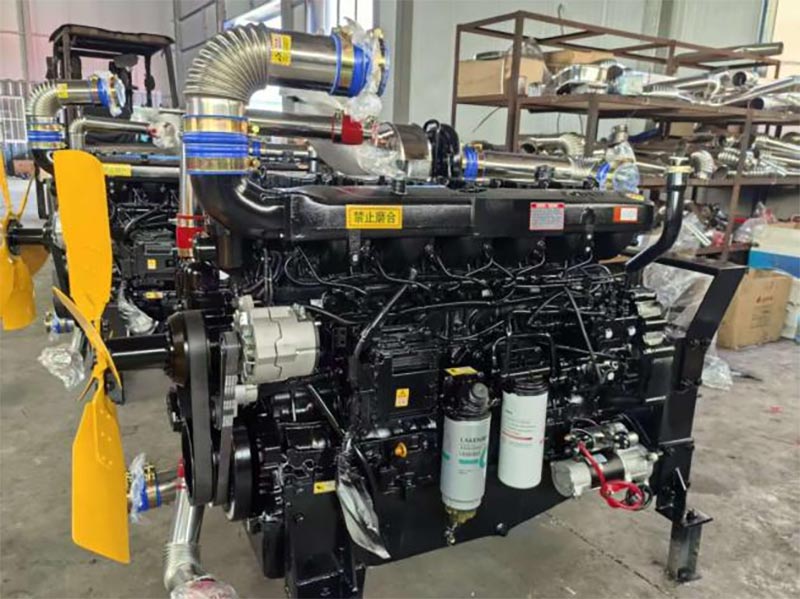
① Cylinder block/cylinder head: The worn surface is repaired by laser cladding technology (the cladding layer thickness is 0.5-1mm, the hardness reaches HRC50-55, and the wear resistance is 30% higher than that of the original component).

② Piston/piston ring: Replace with brand new original factory parts (to ensure sealing performance and avoid excessive oil consumption);

③ Fuel system: Clean the fuel injectors (using an ultrasonic cleaner), test the injection pressure (deviation ≤5% of the design value), and replace the fuel injectors if it is not up to standard.

• Generator repair:

① Stator winding: If the insulation ages, it should be rewound (using polyimide enameled wire with a temperature resistance of 155℃, and the insulation grade should be raised to F class).

② Rotor: Dynamic balance correction (using the weight reduction method to ensure no vibration during operation);

③ Bearings: Replace with brand-new imported bearings (such as SKF, NSK) to extend the service life of the generator.


3. Intelligent and environmental protection upgrades

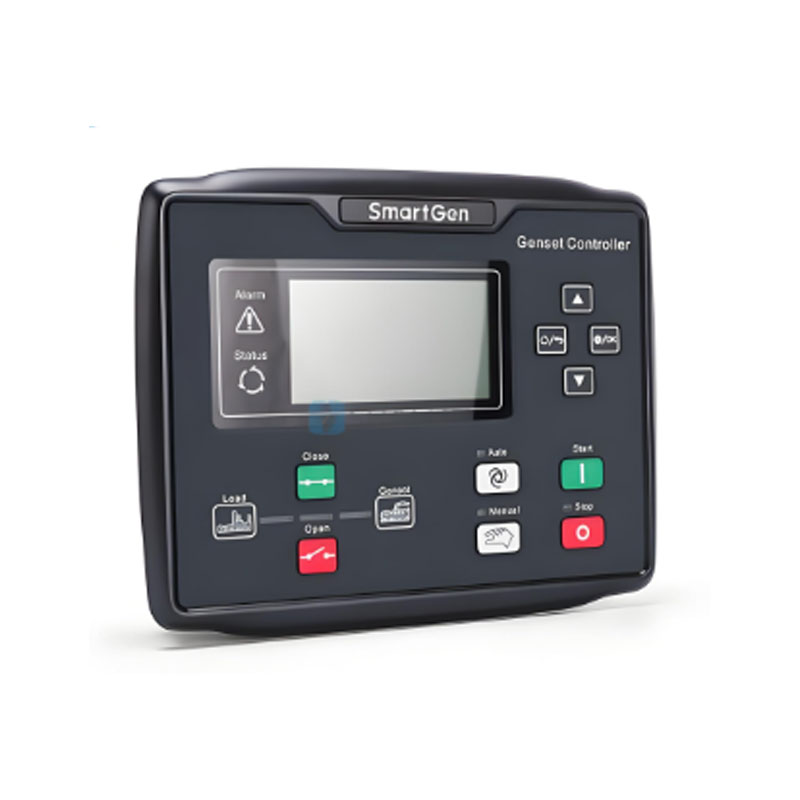
• Control system upgrade: Outdated mechanical controllers have been phased out, and the simplified version of KCPLC-03S intelligent controllers from Kecheng have been uniformly installed, supporting: ① Core parameter monitoring (voltage, current, water temperature, oil pressure); ② Basic fault alarm (high water temperature, low oil pressure); ③ An optional 4G remote module can be installed (with a cost 20% lower than that of a brand-new model), meeting the remote management needs of modern users.

• Environmental protection optimization

① Emission upgrade: The National III model can be equipped with a DOC+DPF post-treatment device (cost 3,000-5,000 yuan). After the upgrade, NOx emissions are reduced by 40%, meeting higher environmental protection requirements.

② Energy consumption optimization: Clean the carbon deposits in the engine intake passage and combustion chamber, optimize the fuel injection timing, restore fuel consumption to the level of a brand-new engine, and avoid increased fuel consumption after remanufacturing.


4. Structural reinforcement and lightweighting

• Structural reinforcement: Reinforce the weak structures found during the remanufacturing process (such as the weld points of the fuselage frame and the generator end cover) : ① Repair welding of the frame weld points (using CO₂ gas shielded welding to increase the strength by 20%); ② The end cover is equipped with reinforcing ribs (with a thickness of 3-5mm) to ensure the stability of the unit's operation (vibration amplitude ≤0.1mm, consistent with a brand-new machine).

• Lightweight optimization: Remove redundant components from decommissioned units (such as old backup fuel tanks and abandoned pipelines), while retaining core functional components; For small-sized models (20-50kW), aluminum alloy is used to replace some steel components (such as the fuel tank and outer cover), reducing the weight by 10% to 15% and enhancing the convenience of movement.


5. Full-process quality control

• Remanufacturing process control: Quality inspection points are set up at each process (such as post-disassembly inspection, post-repair inspection, and post-assembly inspection), and the inspection data is entered into the "Kecheng Remanufacturing Quality System" in real time, which can be traced back to specific components, operators, and inspection equipment.

• Factory testing: After assembly is completed, a 1000-hour full-load test is conducted (divided into stages: 200 hours of low load, 300 hours of medium load, and 500 hours of full load). During the test, parameters such as fuel consumption, emissions, and vibration are recorded. Only when all meet the standards can the unit be released from the factory, and a "Remanufactured Unit Performance Test Report" will be issued.

Usage Method (Exclusive Operation for Remanufactured Units)

1.Pre-startup inspection (with a focus on remanufactured components)

Inspection Item Inspection Content Qualification Standard (Special Requirements for Remanufactured Units)
Core Component Status Engine repaired parts (cylinder block, injectors), generator winding insulation No leakage from engine repaired parts (visual check); generator insulation resistance ≥50 MΩ (tested with 500V megger).
Fuel System Fuel line sealing, fuel filter condition No leakage at pipe connections (seals replaced during remanufacturing); filter not clogged (newly installed, no cleaning needed).
Lubrication System Engine oil level, oil quality (new oil added during remanufacturing) Oil level between MAX-MIN marks; oil is Kecheng-specified 15W-40 (freshly added during remanufacturing, no replacement needed).
Electrical System Controller function, battery voltage (charged during remanufacturing) Controller shows no fault alarms; battery voltage ≥12.5V for 12V models, ≥25V for 24V models (fully charged).
Repaired Part Identification Remanufacturing part label (e.g., engine block repair identifier) Label is clear and traceable to remanufacturing batch (for easy after-sales reference).

2.Startup operation (Key to initial load control)

(1) First startup (key step after remanufacturing)

1. Preheating start: Switch the controller to "manual" mode and press the "Preheating" button (preheat for 60 seconds in a low-temperature environment to ensure the repaired engine is fully lubricated).

2. No-load test run: Press the "Start" button. After the unit starts, run it no-load for 10 to 15 minutes (5 minutes longer than a brand-new machine). Observe the rotational speed (1500r/min±50r/min), oil pressure (≥0.3MPa), and water temperature (gradually increase to 70℃). Confirm that there are no abnormalities in the repaired parts (such as abnormal noise or leakage).

3. Gradual loading: The initial loading should not exceed 30% of the rated power (for example, for a 20kW model, the loading should be ≤6kW). After running for 1 hour, it should be increased to 50%, and after another 1 hour of operation, it can be increased to full load (to avoid the initial high load impact on the repair components).

(2) Daily startup (after stable operation)

1. Press "Check Before Startup" to confirm that the parameters are qualified, and then switch the controller to "Automatic" or "manual" mode.

2. Manual mode: Preheat for 30 seconds → Start → no-load for 3 minutes → load (single loading does not exceed 50%);

3. Automatic mode (with ATS) : ATS automatically starts when the mains power is interrupted. The loading process is the same as that in manual mode, without the need for manual intervention.

3. Operation monitoring (with a focus on the status of remanufactured components)

• Real-time monitoring: Check the controller parameters every 30 minutes, with a focus on: ① Engine water temperature (≤95℃, to avoid repairing overheating of the cylinder block); ② Oil pressure (≥0.2MPa to ensure lubrication of the repaired parts); ③ Generator output current (not exceeding the rated current to avoid winding overload);

• Abnormal handling: In case of "leakage at the repaired area" (such as oil leakage from the engine block) or "generator insulation alarm", stop the machine immediately and contact Kecheng after-sales service (do not disassemble the repaired parts by yourself to avoid damaging the remanufacturing process).

• Data Recording: Daily records of operation duration, fuel consumption, and key parameters are kept. A dedicated operation file for remanufactured units is established to facilitate traceability after after-sales service.

4. Shutdown operation (conventional process + remanufactured component protection)

1. Staged unloading: First, turn off non-essential loads → Load drops to 0→ Disconnect the generator output switch;

2. Cooling run: Run no-load for 5 to 8 minutes (2 to 3 minutes longer than a brand new engine to fully cool down the repaired engine components);

3. Shutdown closure: Press the "Shutdown" button and close the fuel valve (for long-term shutdown); Check that the repaired parts have no leakage or abnormal noise, and clean the dust on the surface of the unit. If the machine is out of service for a long time (more than one month), engine oil and fuel should be replenished to prevent rusting of the repaired parts.

Safety and Protection (Special Requirements for Remanufactured Units)

1. Installation safety (pay attention to the compatibility of the repaired components)

• Structural adaptation: The load-bearing capacity of the installation foundation for the Remanufactured Diesel Generator Sets should be no less than 1.2 times the weight of the unit (for example, for a 1500kg unit, it should be no less than 1800kg/㎡), to prevent the loosening of the repaired parts due to the vibration of the machine body. The installation location should be far away from open flames (≥10 meters) and have good ventilation (ventilation volume per hour ≥ 15 times the volume of the unit).

• Electrical safety: Old wires have been replaced during remanufacturing, grounding resistance ≤4Ω (grounded with galvanized flat steel, depth ≥2 meters); The output line of the generator needs to match the cross-sectional area of the cable (for example, for a 50kW model, a copper cable of ≥35mm² is required) to avoid overload heating (the winding insulation of the remanufactured generator has been upgraded, but overcurrent still needs to be avoided).

• Protection of repaired components: The repaired parts of the engine (such as the laser cladding area of the cylinder block) must not be collided or struck. When installing, sufficient maintenance space (≥1 meter) should be reserved to facilitate later inspection.


2. Operational Safety (Enhancing Awareness of Remanufactured Components)

• Personnel training: Operators must be familiar with the locations of the core repair components of the remanufactured units (such as engine blocks and generator windings), and are prohibited from touching the repair areas during operation (to avoid high-temperature burns or component damage). It is necessary to read the "Kecheng Remanufacturing Unit Operating Manual" to clarify the operational differences from brand-new machines (such as the loading requirements for the first startup).

• Operating taboos: Overloading operation is strictly prohibited (the full-load operation time of the remanufactured unit should not exceed 8 hours per day to avoid excessive wear and tear of the repaired components). The use of inferior diesel is prohibited (it must meet the National VI standard to avoid clogging of the fuel system and affect the lifespan of remanufactured fuel injectors).

• Personal protection: Wear work clothes and anti-slip shoes when operating. When inspecting and repairing components, wear insulating gloves and goggles to avoid injuries from splashing engine oil or coolant.


3. Maintain safety (Exclusive Specifications for Remanufactured components)

• Preparations before maintenance: Disconnect the main power supply of the unit, close the fuel valve, and hang a warning sign that reads "Under maintenance, Do not start". Before maintaining and repairing components, please contact Kecheng after-sales service to obtain the "Maintenance Guide for Remanufactured Components". It is strictly prohibited to disassemble them by yourself (such as laser cladding cylinder blocks, rewinding windings).

• Maintenance operations:

① Replacement of vulnerable parts: The air filter and fuel filter can be replaced according to the conventional process (adapter interfaces have been reserved during remanufacturing). After replacement, the operating status of the unit needs to be tested.

② Inspection of repaired components: The engine repair parts are inspected by ultrasonic waves every quarter (to check for cracks), and the insulation resistance of the generator windings is tested every six months (≥50MΩ is qualified). The after-sales engineers of Kecheng will carry out the inspection on-site.

• Environmental protection treatment: After the remanufactured units are retired, contact Kecheng Power Recycling (do not disassemble and discard at will). The core repair components can be remanufactured or disposed of environmentally, meeting the requirements of resource recycling.


4. Emergency Response (Dealing with Faults of Remanufactured components)

• Repair of leakage at the repair site: Stop the machine immediately → Close the fuel/coolant valve → Clean the leaked liquid with oil-absorbing cotton → Contact Kecheng after-sales service (provide the remanufacturing batch number for quick matching of the repair plan). Do not apply sealant by yourself (it may affect the heat dissipation of the components).

• Generator insulation fault: Shut down → Disconnect power supply → Test the insulation resistance of the winding (using a 500V megohmmeter) → If the insulation drops, have the winding rewound by Kecheng after-sales service (winding parameters have been recorded during remanufacturing and can be quickly matched).

• Fire accident: Press the Remanufactured Diesel Generator Sets' "Emergency Stop" button immediately → Use dry powder fire extinguishers to put out the fire → Evacuate people → After the fire, conduct a comprehensive inspection of remanufactured components (such as engines and generators) to ensure there is no damage before restarting.

Maintenance Cycle Table (Exclusive for Remanufactured units)

Maintenance Level Cycle Maintenance Tasks Operational Requirements (Special Focus on Remanufactured Parts) Responsible Party
Daily Daily Inspect repaired parts for leakage, check oil level, check controller alarms. Focus: check engine block and generator end cover for no leakage; oil level between MAX-MIN marks. User O&M Team
Weekly Weekly Clean air filter, check cooling system fluid level. Clean air filter with compressed air (0.2MPa); coolant level at fill line (antifreeze added during remanufacturing). User O&M Team
Monthly Monthly Replace fuel filter, check battery charging status. Replace with Kecheng genuine fuel filter; battery voltage: 12V≥12.5V/24V≥25V (charged during remanufacturing, recharge monthly). User O&M Team
Quarterly Every 3 Months Inspect engine repaired parts, test generator insulation. Kecheng service visits: use ultrasonic test on engine repaired parts (no cracks); generator insulation resistance ≥50MΩ. Kecheng Service Engineer
Semi-annual Every 6 Months Change engine oil & oil filter, clean cooling system. Change to Kecheng-specified 15W-40 oil (first oil change at 6 months post-remanufacturing, then every 500h); clean cooling system with citric acid solution. User O&M Team + Kecheng Service
Annual Yearly Full performance test (power, fuel consumption, emissions), assess core components. Kecheng service visits for 100-hour performance test; assess remaining life of remanufactured parts (issue Annual Assessment Report). Kecheng Service Engineer
Long-term Storage Idle ≥1 Month Anti-rust treatment for repaired parts, seal storage of fuel/oil. Apply anti-rust oil to engine repaired parts; fill fuel tank to full (prevent inner wall rust); maintain oil level at MAX. User O&M Team
Hot Tags: Remanufactured Diesel Generator Sets
Send Inquiry
Contact Info
For inquiries about Gas Generator, Biogas Generator, Diesel Generator or price list, please leave your email to us and we will be in touch within 24 hours.
X
We use cookies to offer you a better browsing experience, analyze site traffic and personalize content. By using this site, you agree to our use of cookies. Privacy Policy
Reject Accept