News

News

Why a Biogas Generator Can Turn Waste Into Reliable Power?

2025-12-22 0 Leave me a message

If you’re dealing with rising energy costs, waste disposal pressure, or unstable utility supply, a Biogas Generator can look like the perfect answer—right up until real-world headaches show up: fluctuating gas quality, corrosion, downtime, and confusing project economics. This guide is written to help you avoid those traps and build a system that actually runs.


Article Abstract

A biogas project only “works” when three things align: consistent fuel conditioning, a generator set matched to your load profile, and an operations plan that prevents small issues (like moisture or H2S spikes) from becoming expensive failures. In this article, you’ll learn how a Biogas Generator system is structured, what parameters matter most, what buyers typically overlook, and how to evaluate suppliers and configurations with a practical checklist—plus a detailed FAQ for common procurement questions.


Table of Contents

  1. Outline at a Glance
  2. The Real Pain Points Buyers Face
  3. How a Biogas Generator System Works
  4. Fuel Quality and Conditioning That Protects Uptime
  5. Sizing and Configuration for Stable Electricity
  6. Heat Recovery and CHP Value
  7. Procurement Checklist and Supplier Evaluation
  8. Operations and Maintenance Planning
  9. Where Biogas Generators Deliver the Best ROI
  10. FAQ
  11. Closing Notes

Outline at a Glance

What you’ll be able to do after reading

  • Identify the top failure modes that cause Biogas Generator downtime
  • Translate “gas quality” into measurable targets and protective equipment
  • Choose a generator configuration that tolerates real load swings
  • Build a procurement checklist that reduces hidden lifecycle costs

The Real Pain Points Buyers Face

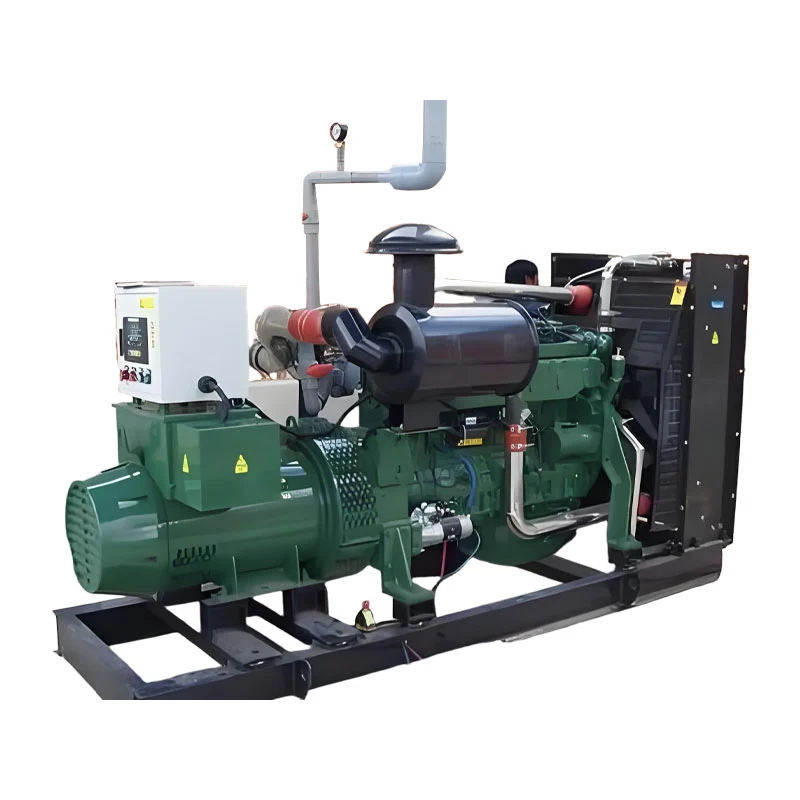
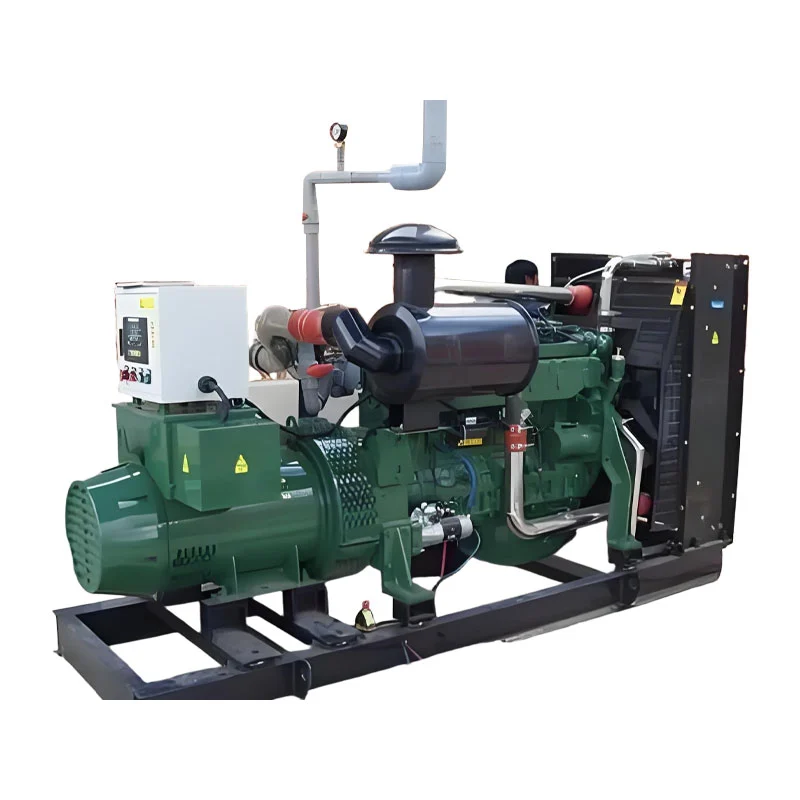
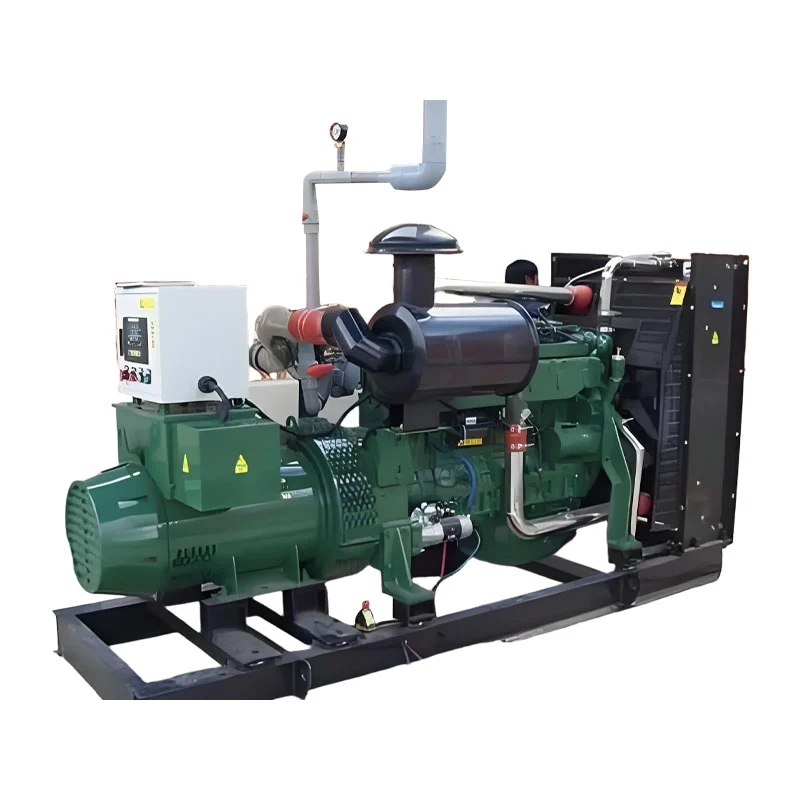
Biogas Generator

When people search “Biogas Generator,” they’re rarely just browsing. They’re usually dealing with one (or several) urgent problems: high electricity bills, waste treatment obligations, landfill methane rules, farm odor complaints, or a plant that can’t afford outages. The frustrating part is that many projects fail for predictable reasons.

The 5 pain points that quietly kill biogas power projects

  1. Unstable gas composition: methane swings cause misfires, derating, or alarms.
  2. Hydrogen sulfide (H2S) corrosion: damages valves, turbo components, exhaust paths, and lube oil.
  3. Moisture and siloxanes: water triggers icing/condensation issues; siloxanes form abrasive deposits.
  4. Wrong sizing: the genset “looks fine” on paper but trips under real load ramps.
  5. Weak O&M planning: no spares strategy, unclear service responsibilities, slow troubleshooting.

The good news: these are solvable—if you design the system like a fuel-processing and uptime-management project, not just “buy a generator and connect it.”


How a Biogas Generator System Works

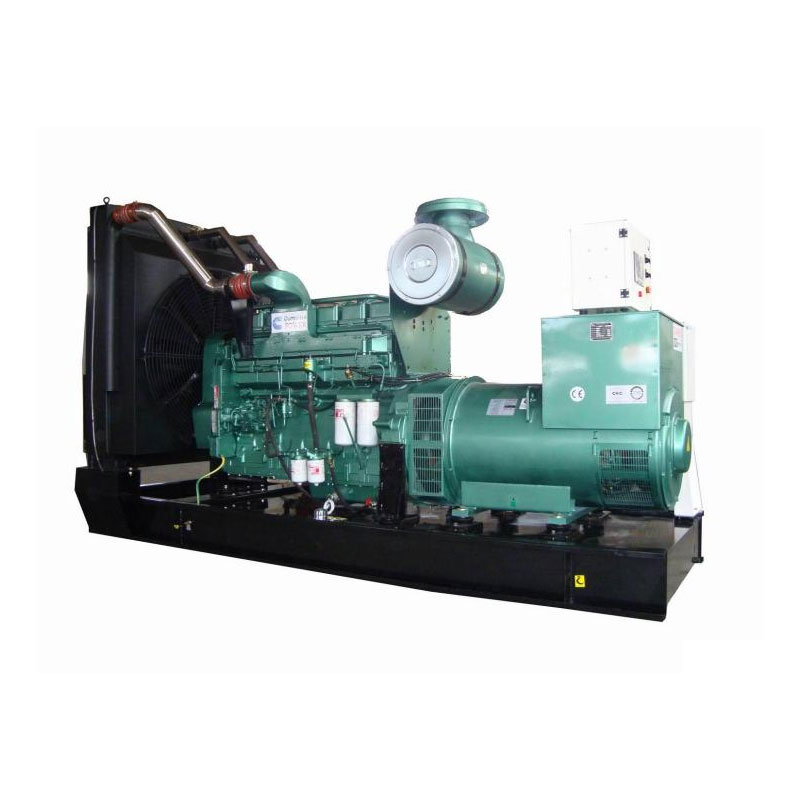
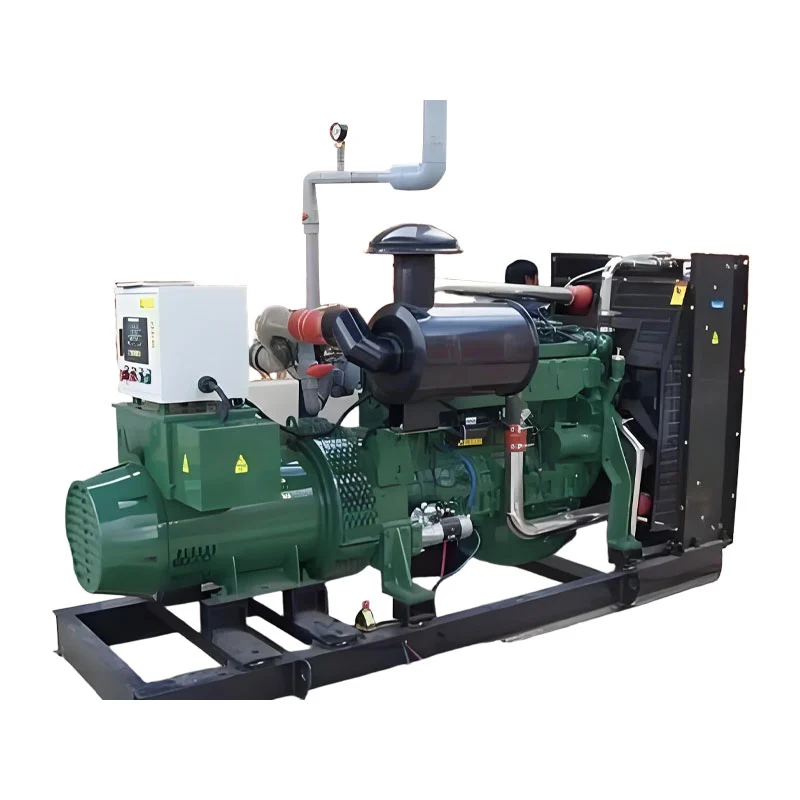
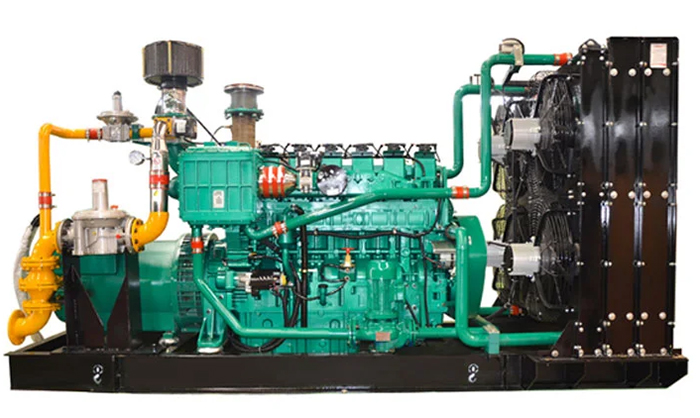
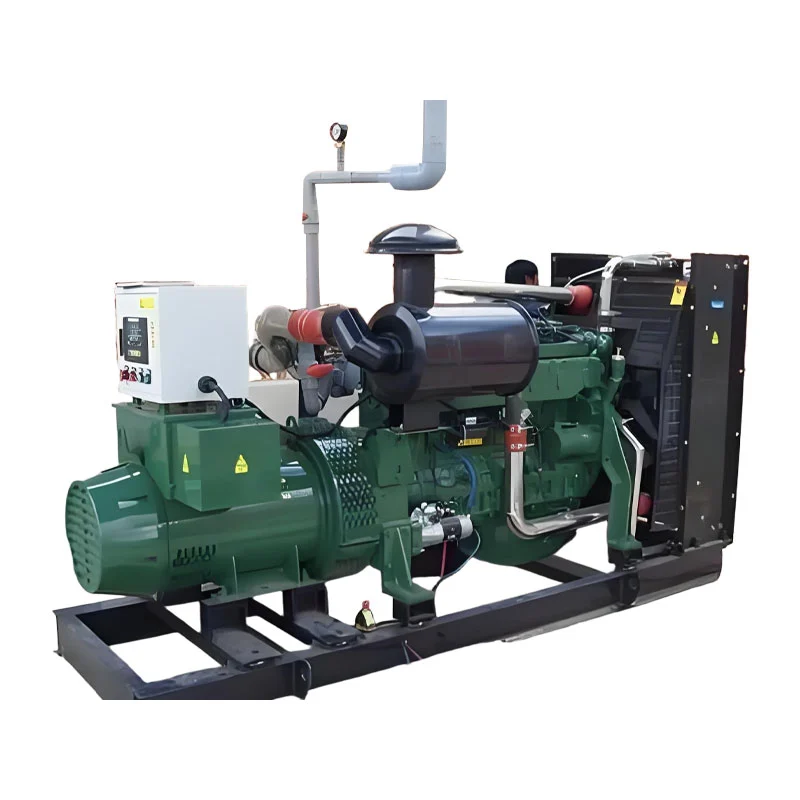
A Biogas Generator converts the chemical energy in biogas into electricity through a gas engine (or turbine in some cases) coupled to an alternator. But the engine is only one part of the story. A dependable plant is a chain of components that protect the engine from fuel variability and keep power output stable.

Core building blocks (think “system,” not “single machine”)

  • Biogas pretreatment: desulfurization, dehydration, filtration, sometimes siloxane removal
  • Gas stabilization: buffering tank + pressure regulation to smooth flow changes
  • Gas engine + alternator: matched to fuel and load profile, with robust control strategy
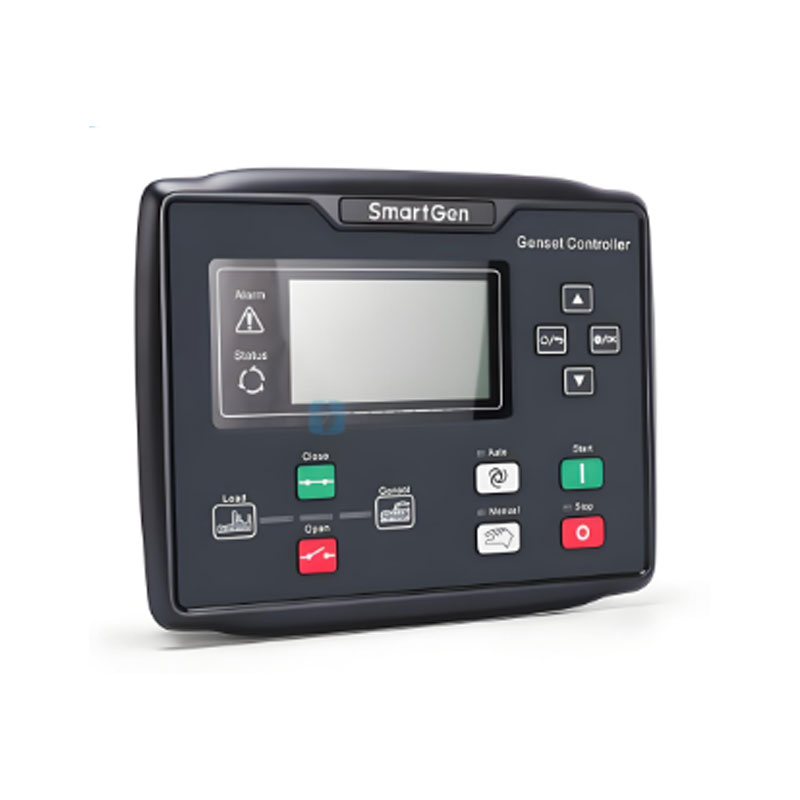
  • Controls and protection: alarms, shutdown logic, power quality control, remote monitoring
  • Heat recovery (optional but often high value): jacket water + exhaust heat utilization
Practical tip: If a proposal focuses 90% on the engine brand and barely mentions pretreatment and buffering, treat that as a risk signal. The “boring” upstream equipment often decides your long-term uptime.

Fuel Quality and Conditioning That Protects Uptime

Biogas is not a standardized fuel like pipeline natural gas. It changes with feedstock, digester temperature, retention time, biological loading, and even daily operations. That variability is exactly why conditioning matters.

The parameters that matter most

Parameter Why it matters for a Biogas Generator What to do about it
Methane (CH4) % Lower methane reduces calorific value, causing derating or unstable combustion. Use buffering + adaptive air-fuel control; document acceptable CH4 band and derating curve.
H2S Corrosive; accelerates wear, increases maintenance frequency, contaminates oil and exhaust components. Design desulfurization properly; many projects target <200 ppm (sometimes much lower) depending on engine requirements.
Moisture / Dew point Condensation can damage sensors, promote corrosion, and cause winter icing issues in lines. Dehydration + insulation/heat tracing where needed; slope piping to drain traps; add condensate management.
Siloxanes (common in landfill gas) Creates hard deposits during combustion—abrasive, expensive, and performance-killing. Add activated carbon/media solutions if siloxanes are present; confirm via gas testing reports.
Pressure stability Pressure swings cause mixture instability, misfires, and protective trips. Buffer tank + regulators + control tuning; ensure the system handles rapid demand changes.

What to put in your contract (so “fuel issues” doesn’t become a blame game)

  • Guaranteed operating window for CH4 concentration (and what derating applies)
  • Maximum H2S allowed at engine inlet (and what happens if it’s exceeded)
  • Required pretreatment scope (equipment list + performance targets)
  • Commissioning tests: gas analysis report, pressure stability test, load step test
  • Alarm/shutdown thresholds and remote monitoring requirements

Sizing and Configuration for Stable Electricity

A common misconception is that “bigger is safer.” In reality, oversizing can reduce efficiency, increase wet-stacking-like issues (in different forms for gas engines), and create unstable operating behavior at low loads. Undersizing, on the other hand, forces constant overload events and trips. A good sizing process is grounded in data.

Data you should collect before choosing a Biogas Generator set

  1. Biogas flow trend: hourly/daily/seasonal variation (at least several weeks, ideally months)
  2. Biogas composition trend: CH4, CO2, H2S, moisture, siloxanes (if applicable)
  3. Electrical load profile: base load, peak load, step changes, critical loads
  4. Operating mode: islanded, grid-parallel, peak shaving, emergency backup, CHP priority

Configuration options that reduce operational stress

  • Modular multi-unit approach: two smaller gensets can offer better turndown and redundancy than one large set.
  • Fast-response control: valuable when methane or load fluctuates quickly.
  • Robust inlet gas train: regulation + safety shutoff + filtration, designed for your gas characteristics.
  • Remote monitoring: helps shorten downtime by diagnosing issues before they escalate.
Reality check: If your gas production is unstable, the “right” generator may be the one that tolerates variability gracefully—not the one with the highest nameplate rating.

Heat Recovery and CHP Value

Many buyers focus only on electricity, then leave money on the table. A Biogas Generator produces substantial heat through exhaust and engine cooling circuits. Capturing that heat can transform project economics—especially in farms, food processing, wastewater treatment, and industrial facilities with steady thermal demand.

Common heat recovery uses

  • Digester heating to stabilize fermentation temperature
  • Hot water for cleaning, sanitation, or process needs
  • Space heating for buildings, barns, workshops, or greenhouses
  • Absorption chilling (in specific industrial settings)
Decision rule that works: If you can consume the recovered heat consistently, CHP often improves payback more than chasing an extra few percentage points of electrical efficiency.

Procurement Checklist and Supplier Evaluation

This is where many projects drift into marketing claims. A dependable procurement process is boring, document-heavy, and incredibly effective. You’re not just buying equipment—you’re buying uptime.

Supplier evaluation table (use this in your RFQ)

Evaluation area Questions to ask What “good” looks like
Fuel adaptability What CH4 and H2S range can you guarantee at engine inlet? Clear operating window + derating logic + documented pretreatment requirements
Controls and protection How does the system handle fast load steps and gas composition swings? Fast-response ECU strategy, stable governor behavior, clear trip/alarm thresholds
Commissioning plan What tests are included before handover? Gas analysis, pressure stability, load step tests, power quality verification, training
Service and spares What is your spare parts strategy and typical lead time? Local/fast availability, recommended on-site spares list, defined response SLA
Lifecycle cost What are typical maintenance intervals and consumables? Transparent service schedule, realistic consumable costs, clear warranty terms

Where Shandong Kecheng Electric Power Equipment Co., Ltd. fits in

If you want a supplier that focuses specifically on biogas power applications, Shandong Kecheng Electric Power Equipment Co., Ltd. provides Biogas Generator solutions designed around real-world biogas characteristics—typically integrating the upstream conditioning mindset (pretreatment, dehydration, pressure stabilization) with generator set configuration. For buyers, the practical value is having one team able to discuss both “engine room” needs and “biogas front-end” realities, so your project design doesn’t fall apart at the interfaces.


Operations and Maintenance Planning

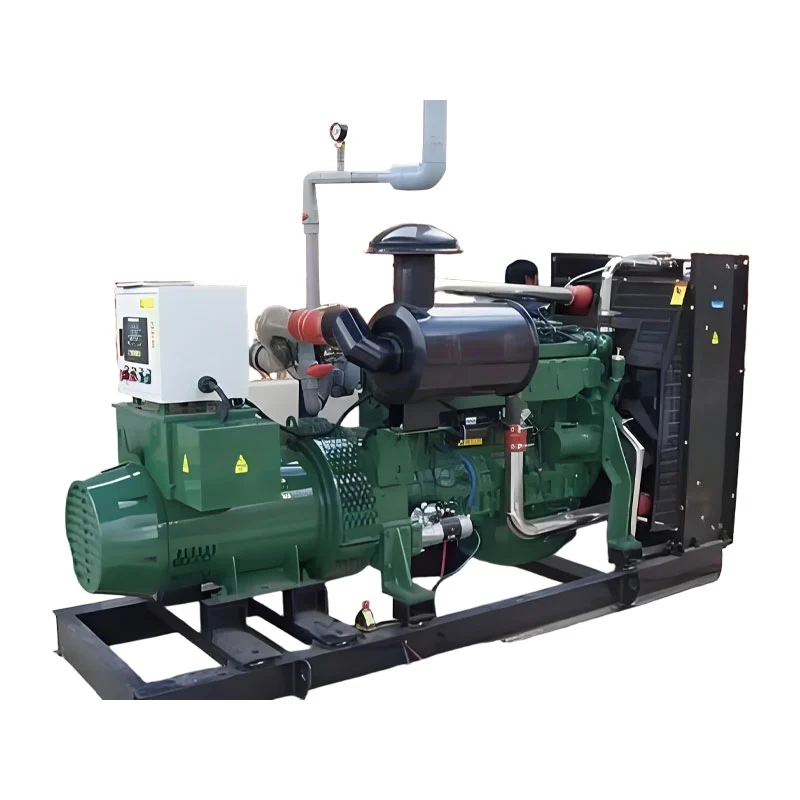
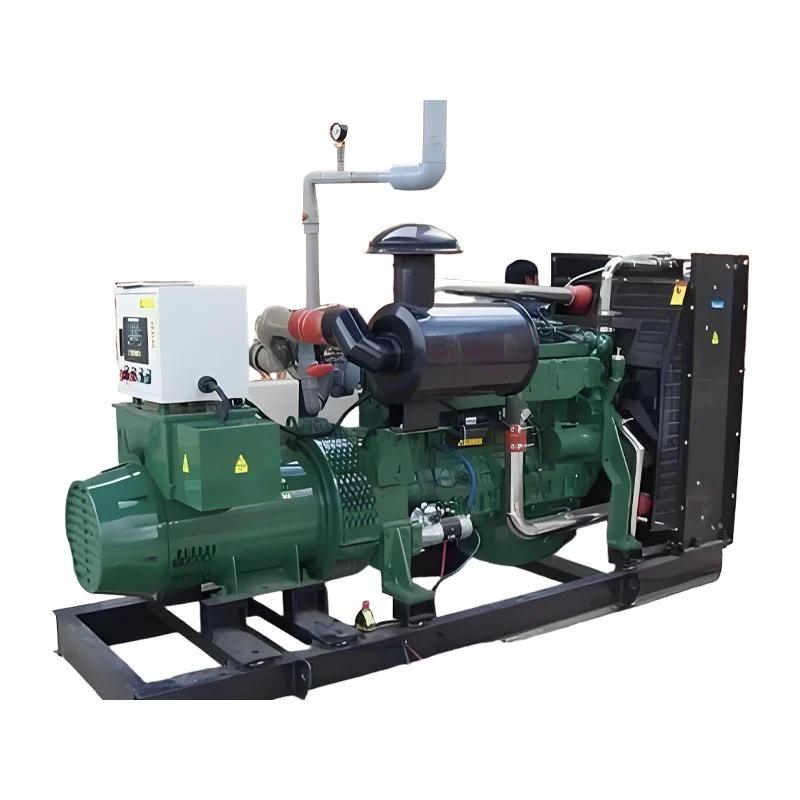
Biogas Generator

Most downtime isn’t dramatic—it’s a small preventable issue that compounds: a filter not changed on time, condensate buildup, H2S creeping up, sensors drifting, or an operator overriding alarms. A simple, documented routine protects your investment.

Sample O&M cadence (adapt to your supplier’s manuals)

Frequency Task Why it matters
Daily / per shift Check alarms, gas pressure trend, condensate traps, basic engine parameters Catches early warning signs before trips and damage
Weekly Inspect filtration elements and drains; review methane/H2S data Prevents fuel quality drift from becoming engine wear
Monthly Validate sensors, check heat recovery loop performance, inspect exhaust conditions Maintains efficiency and avoids hidden thermal stress
Planned service interval Oil, plugs, valve checks (per engine spec), deeper controls inspection Protects lifetime cost and reliability
Trust-building habit: Keep a simple logbook (digital is fine): gas quality, downtime reasons, parts replaced, and operator notes. That record becomes your “truth source” for optimizing uptime and negotiating service support.

Where Biogas Generators Deliver the Best ROI

The best-fit projects share a theme: a predictable waste stream and a clear plan for using electricity (and ideally heat). Here are scenarios where a Biogas Generator tends to shine.

  • Livestock farms (pig/cattle/poultry): manure management + odor reduction + on-site energy
  • Wastewater treatment plants: digester gas used for baseload power and plant self-sufficiency
  • Food & beverage processing: organic residues + steady thermal demand for CHP
  • Landfill gas projects: strong potential with the right siloxane strategy
  • Industrial sites with unstable grids: grid-parallel support or partial islanding to protect critical loads
Fast self-check: If you can answer “Where will the electricity go?” and “Where will the heat go?” in one page, you’re already ahead of most projects.

FAQ

Can a Biogas Generator run if methane concentration fluctuates?

Yes, but performance depends on two things: (1) how quickly the fuel quality changes, and (2) the control strategy and buffering. A properly sized gas buffer tank and a responsive air-fuel control system can handle typical swings, while extreme variability may require derating or additional conditioning measures.

How do I reduce corrosion from H2S?

Treat it as a front-end engineering priority: design desulfurization to meet a defined inlet target (many projects aim below a few hundred ppm, sometimes much lower), verify performance with gas testing, and specify materials/protection measures where needed. Also document responsibilities: if inlet gas exceeds agreed limits, define the operational and warranty implications clearly.

What’s the most overlooked part of a biogas power system?

Condensate management and pressure stability. People obsess over engine nameplates but forget that wet gas and pressure swings quietly create trips, corrosion, and sensor failures. A clean piping layout with drains, proper dehydration, and stable regulation pays back quickly in reduced downtime.

Should I buy one large unit or multiple smaller units?

If your gas production and electrical demand are stable, one larger unit can be efficient. If you have variability, multiple units often give better turndown, easier maintenance scheduling, and redundancy. The “best” answer comes from your load curve and gas trend, not from a catalog.

Do I need heat recovery (CHP), or is electricity enough?

Electricity-only projects can work, but CHP often improves payback when you have consistent thermal demand (digester heating, process hot water, space heating). If your facility can reliably absorb the heat, CHP can reduce wasted energy and strengthen project economics.

What documents should I request before placing an order?

Ask for a clear scope of supply, performance targets (including fuel window), a commissioning and acceptance test plan, protection and control description, maintenance schedule, warranty boundaries, and a recommended critical spares list. Those documents reduce surprises after installation.


Closing Notes

A Biogas Generator is one of the few energy assets that can solve multiple problems at once: waste management, on-site power, and emissions reduction. But it’s only “easy money” when the project is engineered around fuel reality, not fuel hope. If you treat pretreatment, buffering, controls, and O&M planning as first-class design decisions, reliability stops being a gamble.

Ready to spec the right Biogas Generator system for your site?

Tell us your feedstock type, daily gas production range, and your load profile, and we’ll help you build a practical configuration with the right conditioning and protection strategy. If you want a supplier-focused discussion, reach out to Shandong Kecheng Electric Power Equipment Co., Ltd. and contact us to start your RFQ the smart way.

Next step: contact us with your gas report (CH4, H2S, moisture) and your target operating mode (grid-parallel or islanded).

Related News
Leave me a message
X
We use cookies to offer you a better browsing experience, analyze site traffic and personalize content. By using this site, you agree to our use of cookies. Privacy Policy
Reject Accept