News

News

Why a Natural Gas Generator Might Be the Most Practical Backup Power Choice for Your Facility?

2026-02-03 0 Leave me a message

Abstract

Power interruptions don’t just turn off the lights—they can stop production lines, spoil temperature-sensitive inventory, break communications, and damage customer trust. A Natural Gas Generator is often selected because it can deliver dependable standby power without the fuel storage headaches that come with many liquid-fuel systems. This article explains how natural gas generator systems work, how to size and specify them correctly, what installation details people commonly miss, and how to reduce lifetime operating costs. You’ll also find decision tables, practical checklists, and an FAQ to help you move from “we should get a generator” to a confident purchase plan.


Table of Contents


Outline

  1. Customer pain points and what “reliable backup power” really means
  2. System basics: generator set, fuel supply, automatic transfer, and controls
  3. Right-sizing: load inventory, starting currents, future growth, and runtime goals
  4. Key specifications: power rating, voltage, frequency, sound, enclosure, and monitoring
  5. Installation essentials: gas line capacity, ventilation, exhaust, siting, and compliance
  6. Lifetime cost control: maintenance planning and efficiency-minded operation
  7. Comparisons with diesel/propane/hybrid: when natural gas wins and when it doesn’t
  8. Maintenance routines that prevent “it didn’t start” failures
  9. Common mistakes and a final pre-purchase checklist
  10. Company capabilities and next steps

What problems does a Natural Gas Generator solve?

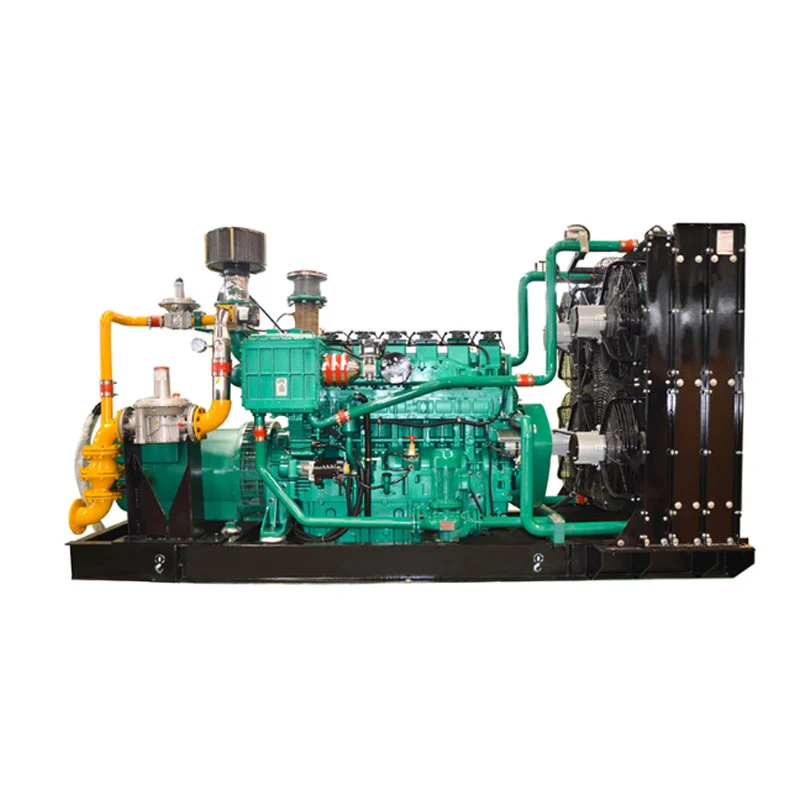
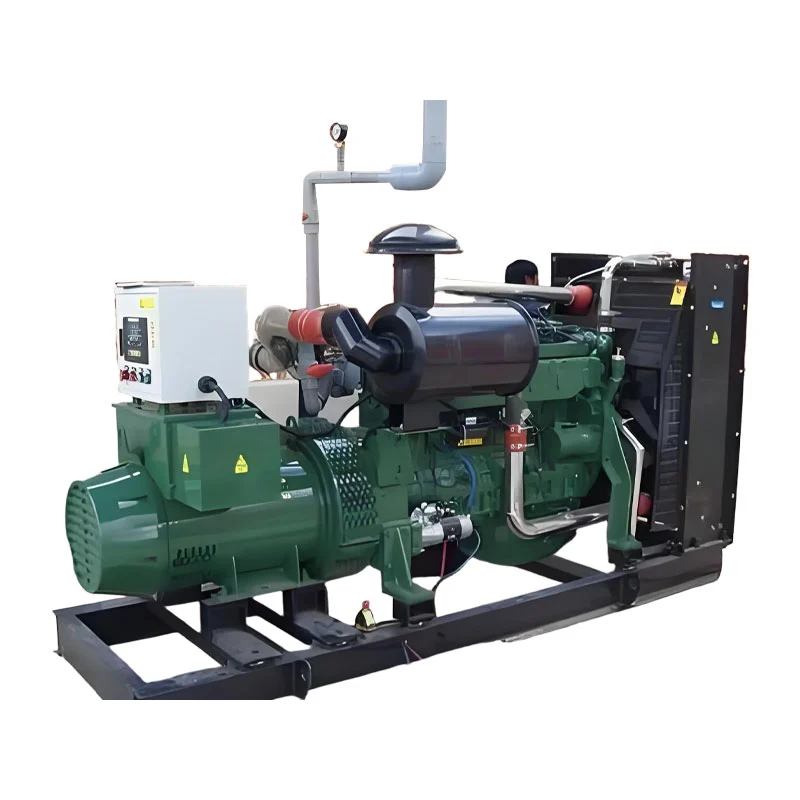
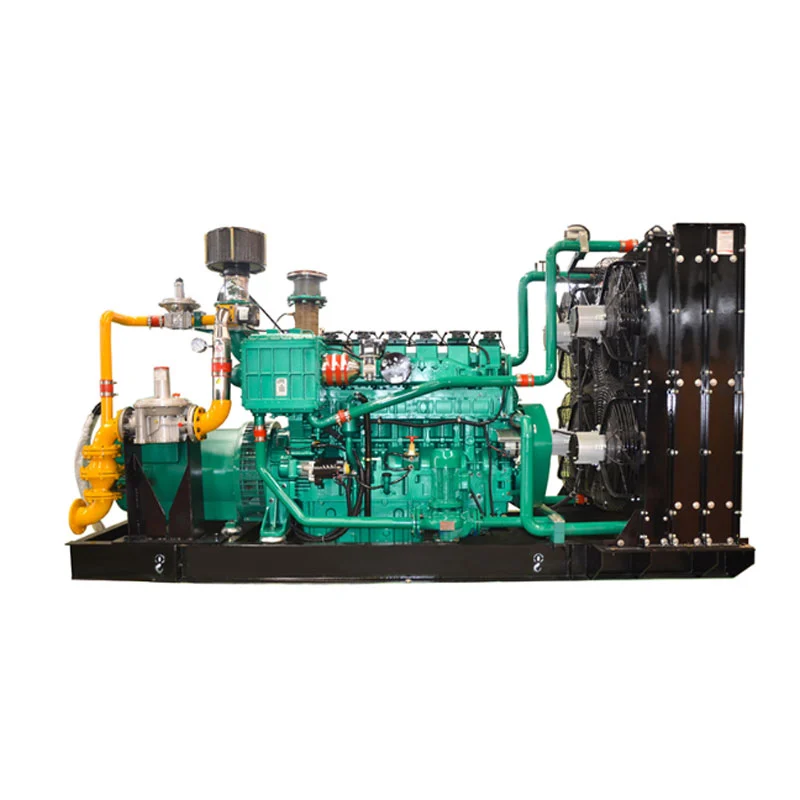
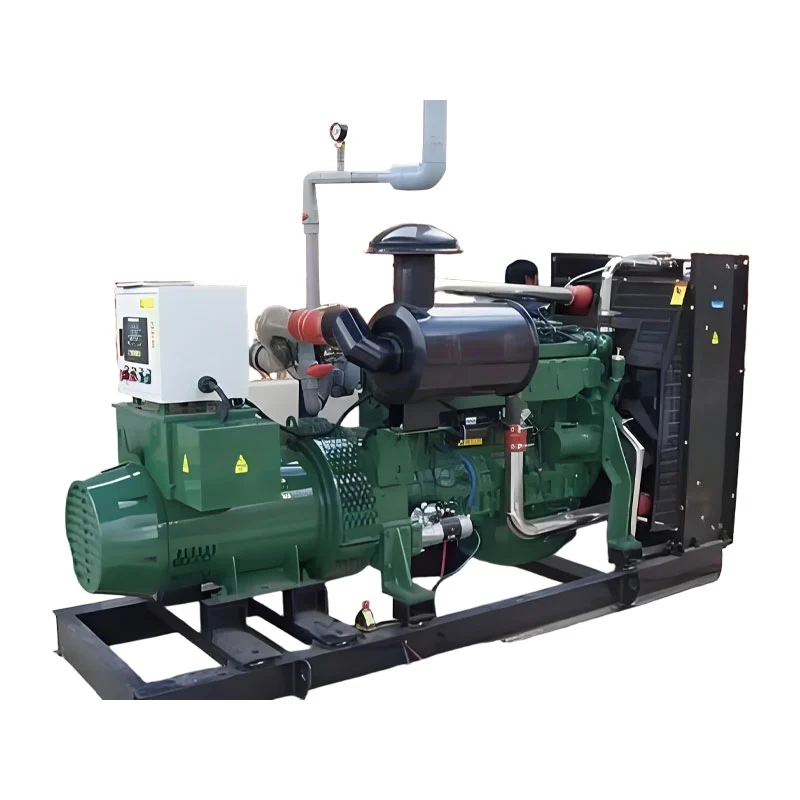
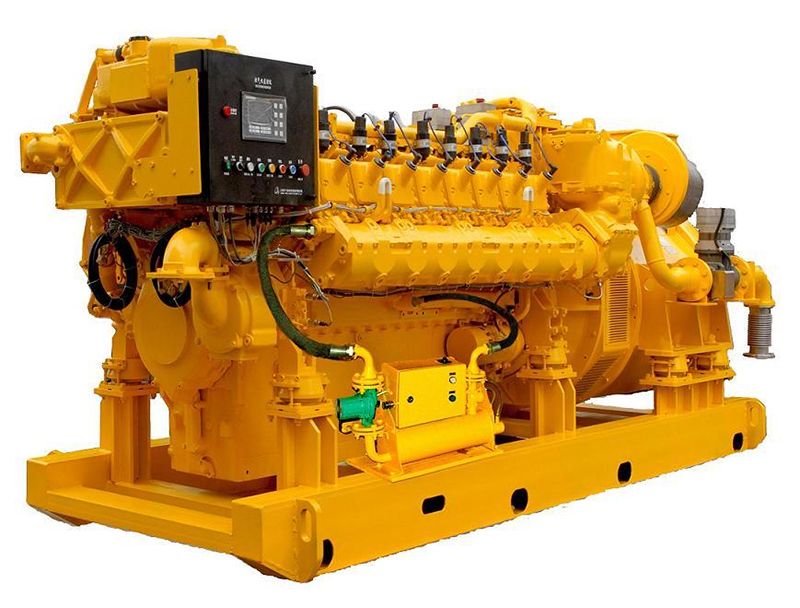
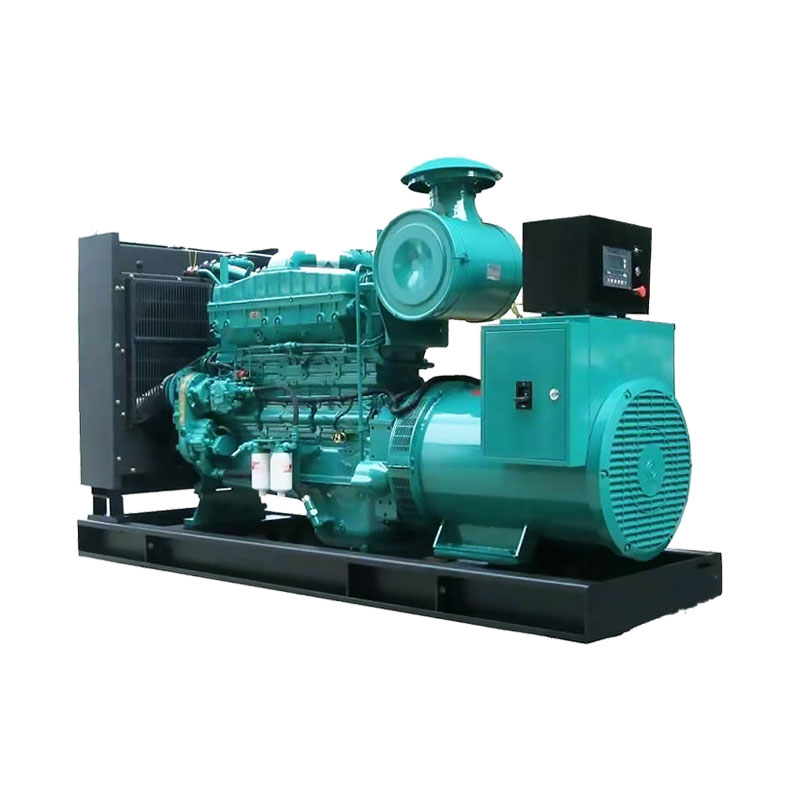
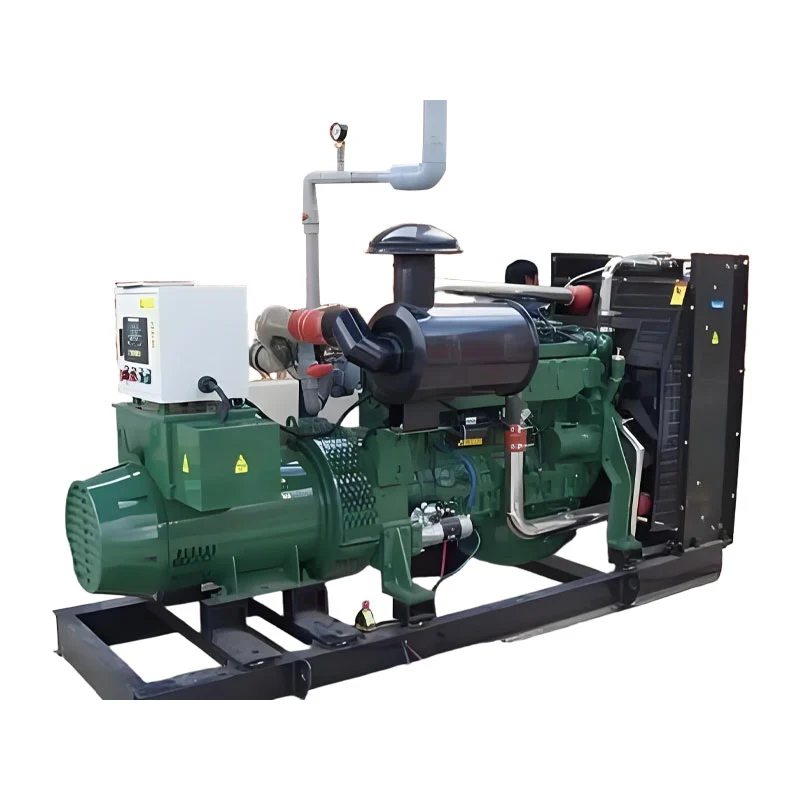
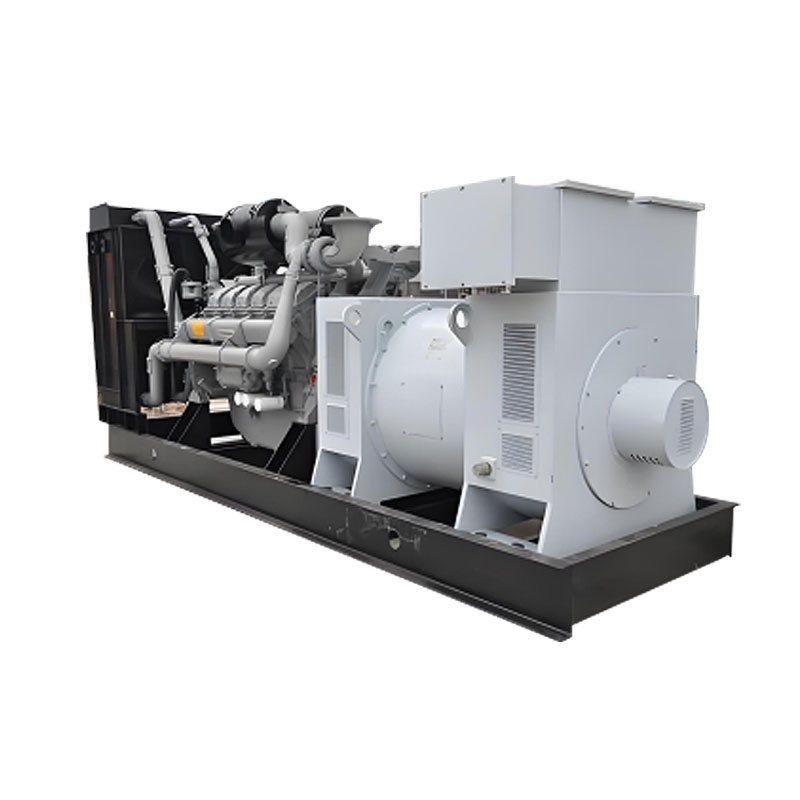
Natural Gas Generator

Most buyers don’t wake up wanting equipment—they wake up wanting fewer emergencies. The real “pain” behind standby power is usually one of these:

  • Downtime cost: lost production, delayed shipments, missed SLAs, or unusable office hours.
  • Safety and compliance: critical lighting, fire systems, access control, and medical or lab equipment continuity.
  • Product loss: refrigeration failure, process scrap, data corruption, or water damage from stalled pumps.
  • Customer experience: retail closures, hotel service disruption, telecom outages, or building discomfort.
  • Operational chaos: manual restart procedures, staff overtime, and emergency fuel procurement.

A Natural Gas Generator addresses these problems by providing standby power that can start automatically, run continuously as long as the gas supply remains available, and integrate cleanly with facility electrical systems. For sites connected to stable gas infrastructure, it can reduce fuel logistics and simplify long-term readiness.


How does a Natural Gas Generator system work?

Think of a standby power solution as a chain: the system is only as reliable as its weakest link. A typical natural gas standby setup includes:

  • Generator set (genset): engine + alternator, sized to deliver required kW and manage electrical transients.
  • Fuel supply and regulation: gas piping, shutoff valves, regulators, and safety components matched to flow demands.
  • Automatic Transfer Switch (ATS): detects utility failure and transfers load to the generator automatically.
  • Controller and protection: governs start/stop, monitors alarms, and protects the engine and alternator.
  • Enclosure and sound control: weather protection and noise mitigation for residential or commercial environments.
  • Optional paralleling/synchronization: for larger sites that need multiple units or scalable capacity.

When the utility power drops below acceptable limits, the ATS signals the genset to start. Once voltage and frequency stabilize, the ATS transfers the selected loads to generator power. When utility returns and stabilizes, the ATS transfers loads back and the generator enters a cool-down period before stopping.


How do you choose the right size?

Wrong sizing is the number-one cause of buyer regret. Oversizing wastes capital and can lead to inefficient operation; undersizing causes nuisance trips, slow recovery, or complete failure to carry critical loads.

Step 1: Make a load inventory.

  • List the equipment you must keep running: lighting zones, HVAC segments, pumps, compressors, IT racks, elevators (if permitted), and process lines.
  • Separate critical loads (must-run) from comfort/convenience loads (nice-to-have).
  • Note motor-driven loads that have high starting current (compressors, pumps, fans).

Step 2: Understand starting requirements.

Many facilities size only by running watts and then wonder why the generator “bogs down” during startup. Motor starting can briefly demand multiple times the running power. Soft starters, VFDs, and staged start sequences can dramatically reduce these spikes.

Step 3: Plan for growth and operating strategy.

  • Add headroom for future expansion and seasonal peaks.
  • Decide whether the generator will carry the whole building or only selected circuits.
  • Decide whether you need single-unit simplicity or multi-unit redundancy (N+1 planning).

Sizing guide table (simplified):

Generator Range (kW) Typical Use Cases Common Loads Covered Notes to Validate
10–30 kW Small offices, retail, light residential Essential lighting, small HVAC, refrigeration Confirm motor starting for HVAC compressors
30–100 kW Restaurants, clinics, small warehouses Multiple circuits, moderate HVAC, pumps Check phase requirements and ATS load list
100–300 kW Mid-size manufacturing, data rooms, commercial buildings Production support, larger HVAC zones, multi-pump systems Gas line capacity becomes critical
300–1000+ kW Hospitals, large plants, campuses High critical load density, complex operations Consider paralleling and redundancy

This table is only a starting point. A proper sizing plan should align with real load profiles, starting currents, and the exact operating strategy (whole-facility backup vs. critical-load backup).


What specifications matter most?

The “best” generator is the one that matches your environment and operating goals. When evaluating a Natural Gas Generator, focus on:

  • Prime vs. standby rating: standby is for outages; prime is for frequent/continuous use. Choose the rating that matches your reality.
  • Voltage and phase: ensure compatibility with your facility distribution (single-phase vs. three-phase).
  • Frequency stability: sensitive electronics and motor loads need stable output during transients.
  • Engine response: how well it handles step loads (sudden load additions) without excessive voltage/frequency droop.
  • Sound level: especially important near offices, hospitals, residential neighborhoods, or noise-restricted zones.
  • Weather protection and corrosion resistance: enclosure quality matters for long service life outdoors.
  • Monitoring and alarms: remote status, event logs, and notification options reduce “silent failures.”
  • Serviceability: accessible filters, plugs, belts, and components save maintenance time and reduce skipped service.

A practical spec checklist you can send to vendors:

  • Required kW and voltage/phase
  • Critical loads list and expected starting currents
  • Ambient temperature range and installation altitude
  • Noise limits at property line (if applicable)
  • Space constraints and preferred enclosure type
  • Preferred monitoring method (local only vs. remote)
  • Target response time (how quickly loads must come online)

What installation details can make or break reliability?

Many generator “failures” are actually installation failures. The most common reliability killers are fuel delivery limitations, poor ventilation, and rushed transfer-switch planning.

Fuel supply reality check:

  • Gas line capacity: your generator may require substantial flow at specific pressure; undersized piping can cause pressure drop and shutdowns.
  • Regulators and valves: correct selection and placement improve stability and safety.
  • Site gas demand: if the facility already has high gas consumption, the combined demand must be evaluated, not guessed.

Ventilation and exhaust:

  • Provide adequate airflow for cooling and combustion.
  • Route exhaust safely, away from air intakes and occupied areas.
  • Maintain access clearances for service and emergency shutdown.

Transfer switch planning:

  • Decide which panels/circuits are essential and map them clearly.
  • Use load shedding if needed (prioritize life-safety and process-critical loads first).
  • Test transfer logic under realistic conditions, not just on paper.

The takeaway: a Natural Gas Generator is a system, not a box. If you invest in the equipment but neglect gas delivery, siting, and transfer logic, you’ll pay for it in the first real outage.


How do you control operating cost over the generator’s lifetime?

Upfront price is only one line item. Lifetime cost depends on how often you exercise the unit, how you maintain it, and how efficiently it handles your typical loads.

Cost levers that actually move the needle:

  • Right-sizing: a properly sized generator avoids inefficient “light-load” operation and reduces unnecessary wear.
  • Scheduled exercise and testing: short, consistent runs catch issues early and reduce emergency repairs.
  • Spare parts strategy: keeping common consumables on hand prevents delays during critical repairs.
  • Remote monitoring: early detection of low battery voltage, abnormal temperatures, or alarm trends reduces downtime.
  • Load management: staged starts and priority circuits reduce the need for oversized capacity.

Decision table: purchase focus by operating scenario

Your Scenario What to Prioritize What to Avoid
Rare outages, short durations Fast start, reliable ATS integration, easy maintenance Paying extra for features you’ll never use
Frequent outages, medium durations Fuel stability, monitoring, solid enclosure, service access Ignoring gas line sizing and pressure stability
Critical operations (healthcare, data, production) Redundancy planning, paralleling options, robust protection Single point of failure design without contingency

How does it compare to diesel, propane, and hybrid options?

The best choice depends on fuel access, storage constraints, and how you handle long-duration events.

  • Natural gas: convenient when you have a dependable gas connection and want to avoid on-site fuel storage and refueling logistics.
  • Diesel: strong for high transient loads and sites that require fuel independence, but requires on-site storage, fuel management, and refueling plans.
  • Propane (LPG): useful where natural gas is unavailable; storage is still needed, and tank sizing/refill planning becomes a core task.
  • Hybrid (generator + battery/solar): can reduce runtime and smooth load transients, but adds system complexity and design coordination.

If your top pain point is “we never want to worry about fuel deliveries during an outage,” a Natural Gas Generator becomes a compelling solution— provided the gas infrastructure and site demand are evaluated carefully.


What maintenance keeps a Natural Gas Generator ready?

Standby equipment fails for one reason: it sits idle. The goal of maintenance is to keep it “awake” enough that it behaves like a machine in active service.

Baseline maintenance rhythm (adjust to your environment and usage):

  • Weekly or bi-weekly: visual inspection, check for leaks, confirm controller status, look for alarm codes.
  • Monthly: verify battery condition, inspect belts/hoses, confirm ATS status indicators.
  • Quarterly: exercise under load if possible, review event logs, check oil and coolant levels.
  • Annually: change oil/filters as recommended, inspect ignition components, verify gas system integrity, perform a full functional transfer test.

A good vendor will provide a realistic maintenance plan, recommend consumables, and help you schedule testing so the first “real” outage isn’t the first time the generator tries to carry your critical loads.


What are the most common buying mistakes?

  • Buying by kW only: ignoring starting currents and transient performance.
  • Assuming the gas line “should be fine”: then discovering pressure drop during start or load steps.
  • Skipping circuit planning: transferring non-essential loads while critical loads struggle.
  • Underestimating noise impact: leading to complaints, restrictions, or costly retrofits.
  • Not planning service access: forcing technicians into awkward, unsafe maintenance positions.
  • Testing too lightly: a no-load start test isn’t proof the system can carry your real facility loads.

Pre-purchase checklist (copy/paste friendly):

  • Do we have a verified critical load list (including motor starts)?
  • Do we know required voltage/phase and transfer strategy?
  • Has gas pipe sizing and pressure stability been evaluated for generator demand?
  • Do we have installation clearance, ventilation, and safe exhaust routing?
  • Do we have a testing plan that includes real load transfer?
  • Do we have a maintenance schedule and spare consumables plan?

Where does Shandong Kecheng Electric Power Equipment Co., Ltd. fit in?

If you want a standby solution that’s engineered around real operating conditions (not just catalog ratings), vendor capability matters. Shandong Kecheng Electric Power Equipment Co., Ltd. focuses on natural gas generator solutions intended to support different facility needs—from essential-load standby configurations to higher-capacity setups that require more advanced control and integration.

When you share your load list, voltage requirements, site constraints, and operating expectations, a capable supplier can help you avoid the typical traps: incorrect sizing, fuel delivery limitations, mismatched transfer logic, and monitoring gaps that only show up during outages.


FAQ

Q: What makes a Natural Gas Generator attractive compared to fuel tanks?

Many buyers prefer it because it can reduce on-site fuel storage and refueling logistics. For locations with dependable gas infrastructure, it can simplify readiness and long-duration operation planning.

Q: How fast can a standby generator restore power?

It depends on the system design and transfer logic. Many setups are designed to start automatically and transfer once voltage and frequency stabilize, but your exact recovery time should be specified based on facility needs and the selected ATS/controller configuration.

Q: Can one generator power an entire building?

Sometimes, yes—but it’s often more cost-effective to power critical loads only. Whole-building backup increases required capacity and can complicate starting-current management, especially with large HVAC or motor-driven systems.

Q: What’s the biggest hidden risk in natural gas generator projects?

Fuel delivery. If gas piping capacity, pressure regulation, and total site demand aren’t evaluated carefully, the generator may start but fail under load, or shut down during a critical moment.

Q: Do natural gas generators need regular testing if outages are rare?

Yes. Long idle periods increase the chance of battery issues, sensor faults, or stuck components. Regular exercise and periodic load transfer testing are the difference between “it started last year” and “it carried our loads today.”

Q: What information should I prepare before requesting a quotation?

Provide your load list (including motor starts), voltage/phase requirements, desired transfer strategy (critical loads vs. whole facility), installation environment (outdoor/indoor, temperature range), and any noise or space constraints.


Final Thoughts

A Natural Gas Generator can be a straightforward path to dependable standby power—if you treat it as a complete system: correct sizing, validated fuel delivery, well-planned transfer logic, and a maintenance routine that keeps it ready. If you want a proposal that matches your real loads and site conditions, reach out to Shandong Kecheng Electric Power Equipment Co., Ltd. and contact us to discuss your application details and receive a practical configuration recommendation.

Related News
Leave me a message
X
We use cookies to offer you a better browsing experience, analyze site traffic and personalize content. By using this site, you agree to our use of cookies. Privacy Policy
Reject Accept