News

News

How Can a Gas Generator Deliver Reliable Power When You Need It Most?

2026-01-20 0 Leave me a message

Abstract

A Gas Generator can be the difference between a short inconvenience and a costly shutdown—whether you’re protecting a home during outages, keeping a factory line running, or ensuring critical systems stay online. But many buyers run into the same frustrations: choosing the wrong size, underestimating fuel supply, dealing with unstable voltage, or discovering too late that installation requirements are more demanding than expected. This article breaks down the practical decisions that matter most—fuel options, sizing, reliability factors, safety, maintenance, and how to evaluate documentation—so you can select a unit that starts when it should, carries the load it must, and stays dependable for the long haul.


Table of Contents


Outline

  1. Clarify the real problem: outage frequency, downtime cost, and critical loads.
  2. Match fuel and configuration to your site: natural gas, LPG, or biogas—standby or prime.
  3. Size correctly: starting currents, power factor, and future expansion.
  4. Prioritize reliability: governor/AVR performance, cooling, protection, and serviceability.
  5. Install safely: ventilation, exhaust, gas piping, earthing, and transfer switching.
  6. Run it smart: maintenance schedule, fuel quality, load testing, and monitoring.
  7. Validate the supplier: test records, manuals, spares plan, and after-sales response.

What Problems Does a Gas Generator Solve?

People don’t buy a Gas Generator because it’s “nice to have.” They buy it because power loss is expensive, stressful, or dangerous. The most common pain points usually fall into a few buckets:

  • Unplanned outages: Grid instability, storms, construction damage, or rolling blackouts.
  • Operational downtime: Production lines, cold storage, data rooms, pumps, and security systems can’t “pause” gracefully.
  • Sensitive equipment risk: Voltage dips and unstable frequency can harm motors, drives, control boards, and UPS systems.
  • Fuel logistics headaches: Diesel delivery schedules, storage rules, and fuel aging push many users toward gas.
  • Noise and air concerns: Many sites need quieter operation and cleaner exhaust profiles than traditional solutions.

The “best” unit is the one that fits your reality: how fast you need power restored, how long it must run, and how clean and stable the output has to be.


Which Gas Generator Type Fits Your Scenario?

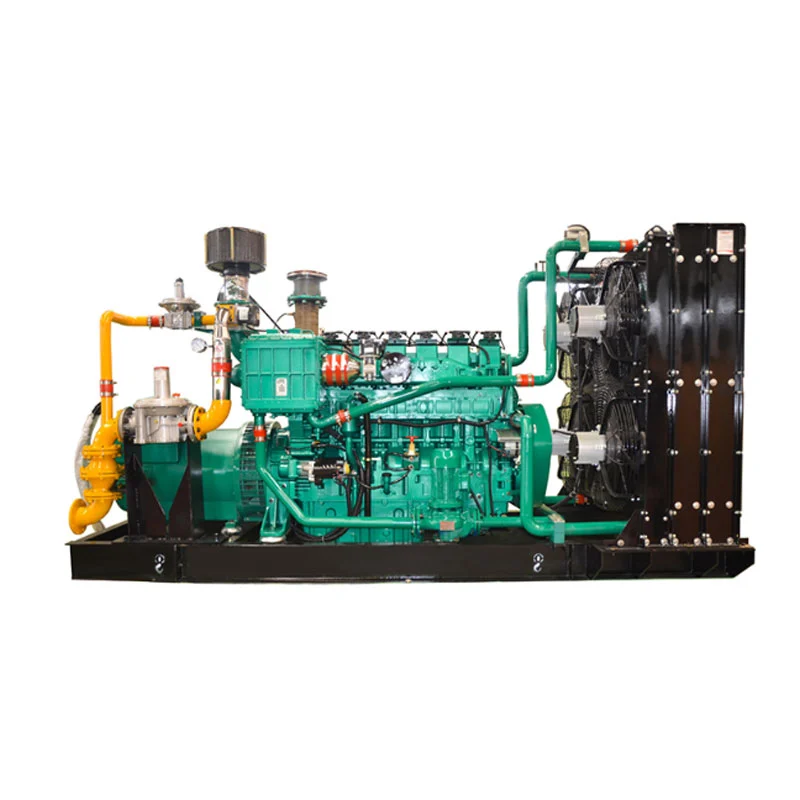
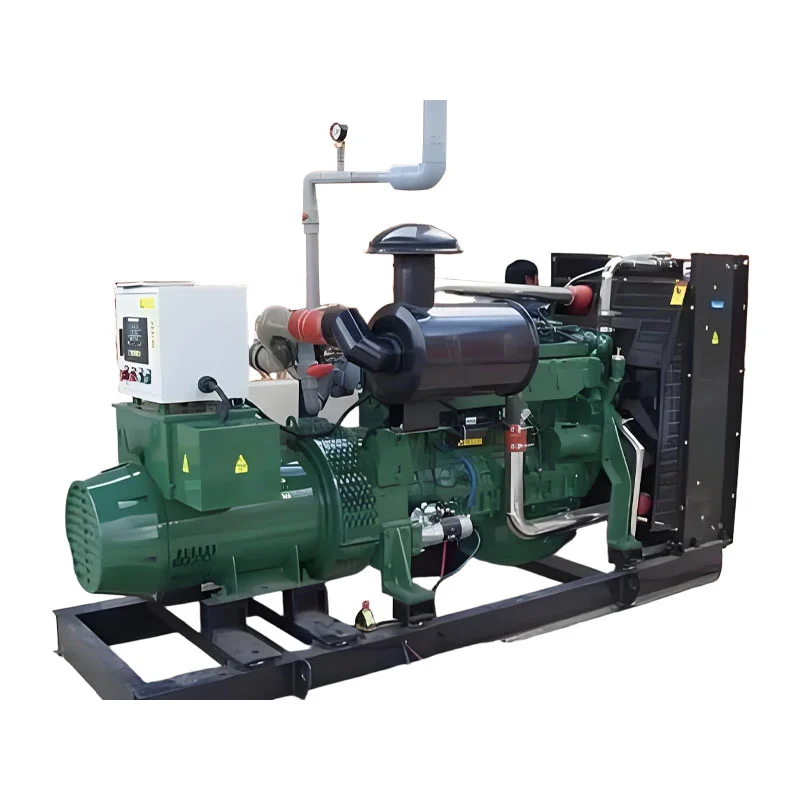
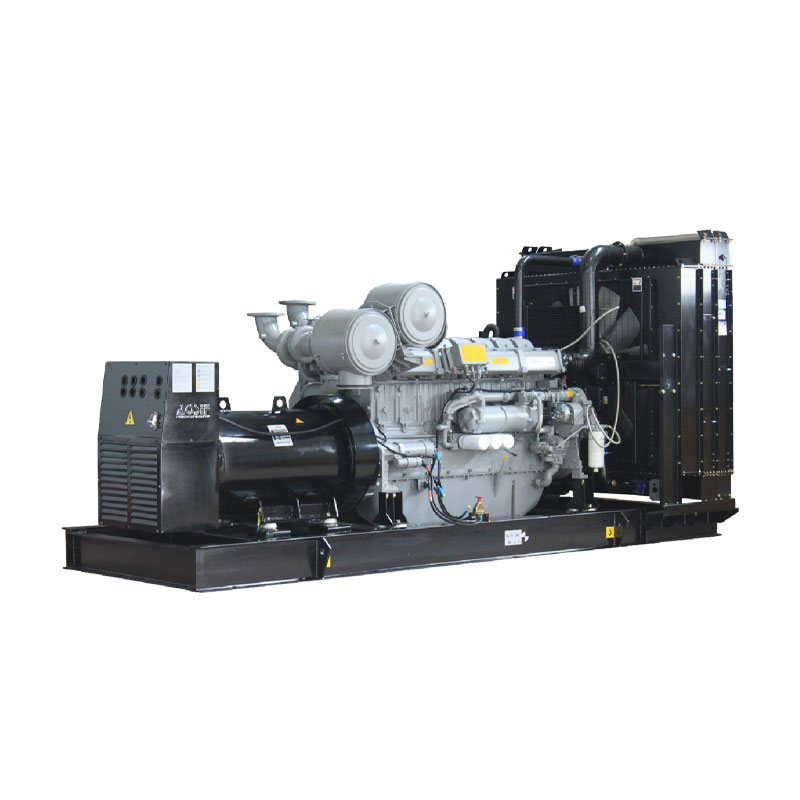
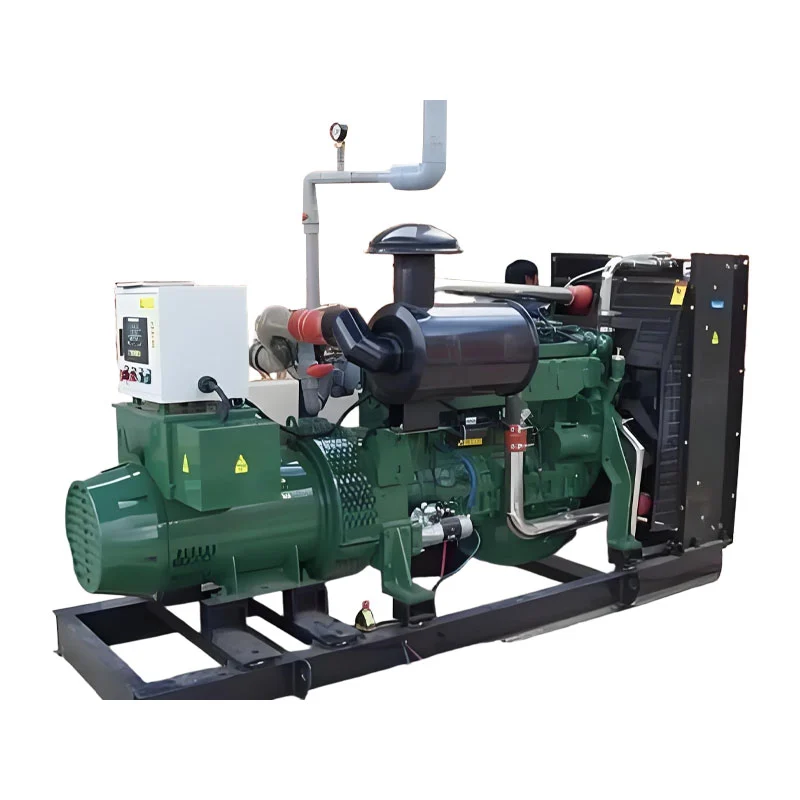
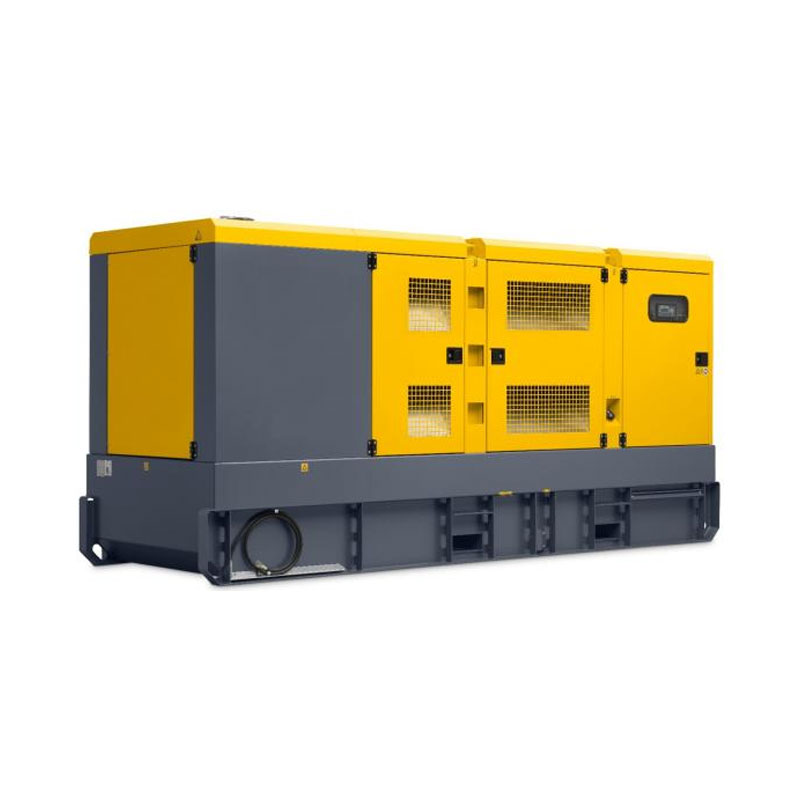
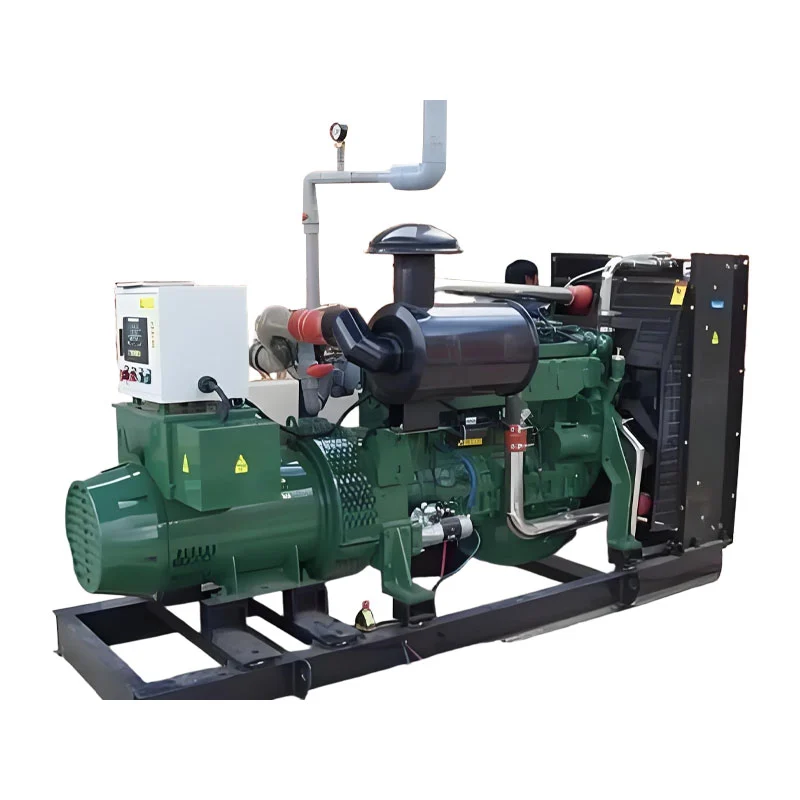
Gas Generator

Start with two decisions: fuel source and use pattern. A mismatch here is how buyers end up with a generator that looks great on paper but struggles on-site.

Option Where It Shines Common Watch-Outs Best For
Natural Gas Continuous supply from pipeline, cleaner combustion, less refueling logistics Gas pressure stability, local codes, pipeline reliability during disasters Urban/industrial sites with stable gas infrastructure
LPG (Propane/Butane) Independent storage, good for remote sites, stable fuel quality Tank sizing, regulator selection, cold-weather vaporization limits Sites without pipelines, backup power with long runtime needs
Biogas Turns waste into energy, reduces fuel cost, supports sustainability targets Gas cleaning (H2S/moisture), methane variation, engine tuning needs Farms, wastewater plants, and industrial byproduct gas projects

Next, define your duty:

  • Standby: Runs during outages; focuses on fast start and stable output.
  • Prime/Continuous: Runs regularly or constantly; emphasizes durability, cooling capacity, and service intervals.

If you expect frequent or long outages, treat your project like prime power even if you call it “backup.” That mindset changes the spec in all the right ways.


How Do You Size a Gas Generator Without Regret?

Sizing is where most expensive mistakes happen. Oversize too much and you risk poor efficiency and wet-stacking-like issues (more common in diesel, but low-load operation still hurts long-term performance). Undersize and the unit will struggle, trip, or deliver unstable voltage when motors start.

Use this practical sizing flow:

  1. List your critical loads (what must run) and optional loads (nice-to-have).
  2. Separate motor loads (pumps, compressors, HVAC) from resistive loads (heaters) and electronic loads (UPS, servers).
  3. Account for starting current for each motor. Starting can be 2–7× running current depending on the motor and starting method.
  4. Include power factor and harmonics if you have VFDs, rectifiers, or large UPS systems.
  5. Decide your growth margin (commonly 10–25%) if you expect expansion.

A helpful rule: if your site has multiple motors starting unpredictably, stable performance matters more than chasing the lowest kW price. Ask for guidance on transient response (how quickly voltage and frequency recover after a step load) because that’s what your equipment “feels.”

Quick sanity checklist:

  • Will the generator start your largest motor without dimming/tripping everything else?
  • Can it accept a sudden load step (e.g., pump kicks on) and recover smoothly?
  • Is the fuel supply sized for peak consumption, not just average?

What Makes One Gas Generator More Reliable Than Another?

Two units can share the same rated power yet behave very differently under stress. Reliability is rarely one magic feature—it’s the sum of design choices that reduce failure points and make servicing straightforward.

  • Voltage regulation and frequency stability: Look for solid AVR performance and a governor that handles sudden load changes without hunting.
  • Cooling system margin: Hot environments, tight enclosures, or high duty cycles demand robust cooling and clean airflow paths.
  • Protection and alarms: Over/under voltage, over/under frequency, overload, high temperature, low oil pressure—these protect both the engine and your loads.
  • Service access: Filters, belts, plugs, and sensors should be reachable without “disassembling the universe.” Easy access lowers maintenance cost and improves compliance.
  • Controls and monitoring: Clear fault codes, event logs, and optional remote monitoring reduce downtime and guesswork.

If your application is mission-critical, request evidence of testing (load tests, insulation checks, protection verification) and insist on a commissioning checklist. A generator that starts in a showroom is not the same as a generator that starts at 3 a.m. in winter.


What Should You Check Before Installation?

Installation is where “good equipment” can still become a bad experience. Most early failures are caused by site conditions: poor ventilation, incorrect gas pressure regulation, exhaust restrictions, or transfer switching mistakes.

Pre-installation checklist:

  • Gas supply: Confirm inlet pressure range, regulator selection, pipe sizing, and shutoff requirements.
  • Ventilation: Ensure fresh air intake and hot air discharge paths are not blocked; heat buildup kills reliability.
  • Exhaust routing: Keep back pressure within limits; protect nearby people and equipment from hot exhaust.
  • Noise management: Consider enclosure selection, muffler options, and site placement.
  • Electrical switching: Use a properly rated transfer switch (manual or automatic) and coordinate protection settings.
  • Earthing and bonding: Follow local electrical codes to reduce shock risk and protect sensitive loads.

One more thing people miss: commissioning load tests. Even if you plan to run only during outages, testing under real load is how you find weak wiring, incorrect settings, or fuel pressure issues—before the outage forces the discovery.


How Do You Operate and Maintain It for Years?

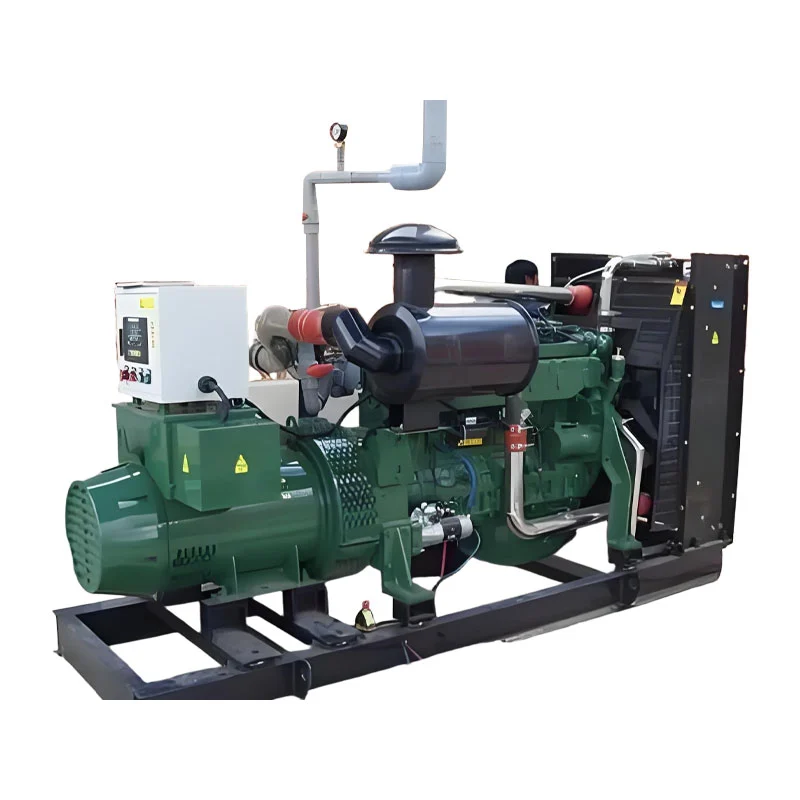
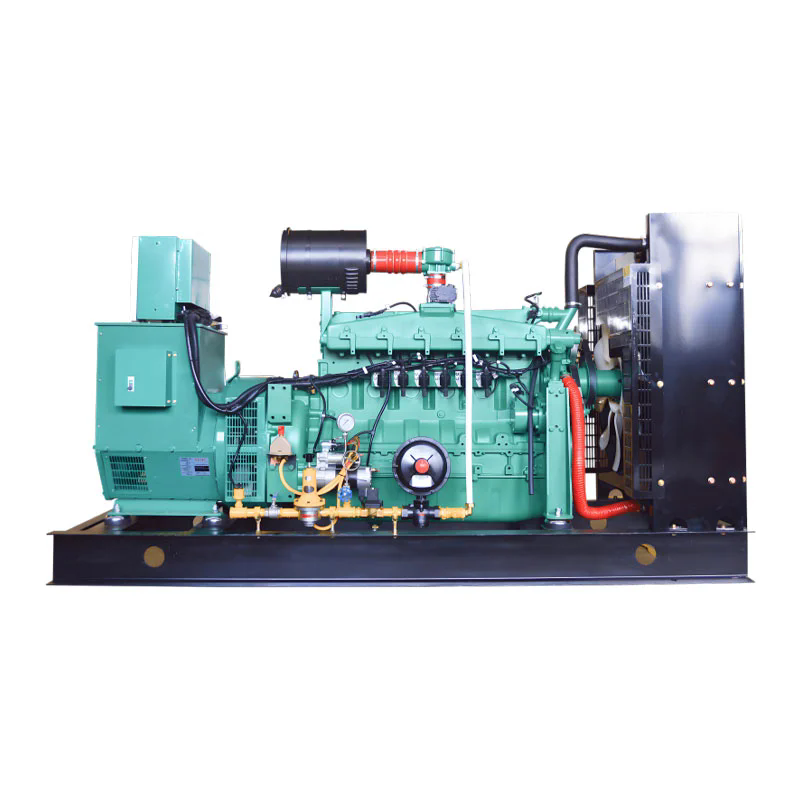
Gas Generator

A Gas Generator is not “set-and-forget,” but it can be close—if you follow a simple routine. The goal is to keep it ready, not to baby it.

Practical maintenance habits that prevent most breakdowns:

  • Run periodic exercise cycles: Short no-load runs are not enough forever—schedule occasional runs with meaningful load.
  • Track consumables: Oil, filters, spark plugs (where applicable), coolant—replace by hours and calendar time.
  • Watch for small leaks and vibration: These are early warning signs. Fixing them early is cheap; ignoring them is not.
  • Keep the air path clean: Dust and debris reduce cooling and raise operating temperatures.
  • Verify battery health: Starting failures are often battery failures, not engine failures.

For LPG sites, confirm tank sizing for your target runtime and consider cold-weather vaporization. For natural gas sites, verify your pressure stability and plan for what happens during regional gas interruptions.


How Do You Evaluate a Supplier Beyond the Brochure?

Here’s the uncomfortable truth: buyers often compare generators by headline kW rating, then wonder why the ownership experience varies so wildly. A better approach is to evaluate the “support system” around the equipment.

  • Documentation quality: Clear manuals, wiring diagrams, and maintenance schedules reduce mistakes.
  • Testing transparency: Ask what checks are performed before shipment and what records are available.
  • Spares strategy: Are common wear parts easy to source? Is there a recommended spare kit?
  • Application guidance: A serious supplier asks about your loads, environment, and run profile before recommending a model.
  • After-sales response: When something trips, you need fast diagnosis, not vague reassurance.

If you’re working with Shandong Kecheng Electric Power Equipment Co., Ltd., treat the project like a collaboration: share your load list, startup behavior, site constraints, and runtime expectations. The more accurately your scenario is defined upfront, the more confidently the system can be configured to match it.


FAQ

Q: What is the biggest sizing mistake people make with a gas generator?

A: Ignoring motor starting requirements and assuming “running kW” tells the whole story. Starting current and transient response often decide whether the system feels stable or chaotic.

Q: Is natural gas always better than LPG?

A: Not always. Natural gas is convenient where pipelines are stable, while LPG can be more resilient for remote sites because you control on-site storage.

Q: Can a gas generator safely power sensitive electronics?

A: Yes—when voltage regulation, frequency control, grounding, and transfer switching are correctly engineered. For very sensitive environments, discuss UPS interaction and harmonic loads.

Q: How long can a standby unit run continuously during an outage?

A: It depends on the model, cooling capacity, and service intervals. If long runtime is expected, specify the project with prime-power thinking so the system is built to handle it.

Q: Do I need an automatic transfer switch?

A: If you need near-instant restoration (or you may not be on-site), an automatic transfer switch is usually the practical choice. Manual switching can be fine for lower-stakes use.

Q: What maintenance item causes the most “won’t start” failures?

A: Battery issues and neglected exercise routines. A generator that never runs is often the one that disappoints you first.

Q: Is it okay to run the generator at very low load?

A: Occasional low load is fine, but consistently running far below the optimal range can reduce efficiency and increase deposits over time. Aim for a healthy operating range when possible.

Q: What information should I prepare before requesting a quotation?

A: A load list (kW/kVA), motor starting details, desired runtime, installation environment (temperature/altitude), fuel type, voltage/frequency requirements, and whether you need automatic switching.


Final Notes and Next Steps

A Gas Generator is a system decision, not just a product purchase. When fuel supply, sizing, controls, and installation details align, you get the outcome everyone wants: stable power, predictable operation, and fewer surprises. When they don’t, even a well-built machine can feel unreliable.

If you want a recommendation that matches your exact loads and site constraints, share your load list and runtime target with Shandong Kecheng Electric Power Equipment Co., Ltd.—and contact us to discuss a configuration that’s designed to start cleanly, carry the load confidently, and stay serviceable over the long run.

Related News
Leave me a message
X
We use cookies to offer you a better browsing experience, analyze site traffic and personalize content. By using this site, you agree to our use of cookies. Privacy Policy
Reject Accept