News

News

Why Choose a Natural Gas Generator for Reliable On-Site Power?

2025-12-30 0 Leave me a message

Article Summary

If you’re considering a Natural Gas Generator, you’re probably chasing one (or all) of these goals: predictable uptime, stable operating costs, cleaner operation than liquid fuels, and an easier fuel logistics story. This guide breaks down what actually matters in selection—load sizing, starting currents, gas supply realities, installation expectations, and a maintenance plan that keeps your generator ready when the grid isn’t.

Quick promise: By the end, you’ll have a simple checklist to avoid the two most expensive mistakes I see: buying the wrong size and underestimating the fuel + installation requirements.

Outline

  1. Define your uptime goal (backup vs. prime vs. peak shaving).
  2. Map loads and starting currents (motors are the “gotcha”).
  3. Confirm fuel availability, pressure, and gas treatment needs.
  4. Plan the electrical interface (ATS, switchgear, protection, controls).
  5. Design for service access, ventilation, noise, and safety.
  6. Lock in a maintenance and testing routine so it actually starts when needed.

What pain points does a Natural Gas Generator solve?

When people shop for a Natural Gas Generator, they rarely want “a generator.” They want to stop bleeding money from downtime, avoid fuel delivery chaos, and keep operations compliant and predictable. Here are the pain points that show up again and again:

1) Outages that wreck schedules

If you run a plant, a warehouse, a commercial building, or a jobsite, “a few hours without power” can cascade into missed shipping windows, spoiled inventory, and overtime costs. A properly sized generator turns outages into a controlled event rather than a crisis.

2) Fuel price swings and logistics headaches

Liquid fuel generators can be excellent, but they add a fuel-storage and replenishment layer. In many regions, pipeline gas (when available) reduces on-site storage demands and can simplify long-duration runtime planning.

3) Noise and air-quality constraints

Many sites face strict limits—neighbors, hospitals, schools, or internal EHS standards. Natural gas combustion typically produces fewer particulates than diesel and can be easier to manage in sensitive environments with the right configuration.

4) Maintenance overhead

What buyers really want is a machine that’s ready on the worst day of the year. A generator choice that supports straightforward service intervals, stable operation, and practical diagnostics can reduce total headaches—especially for lean maintenance teams.


How does it work in plain language?

Natural Gas Generator

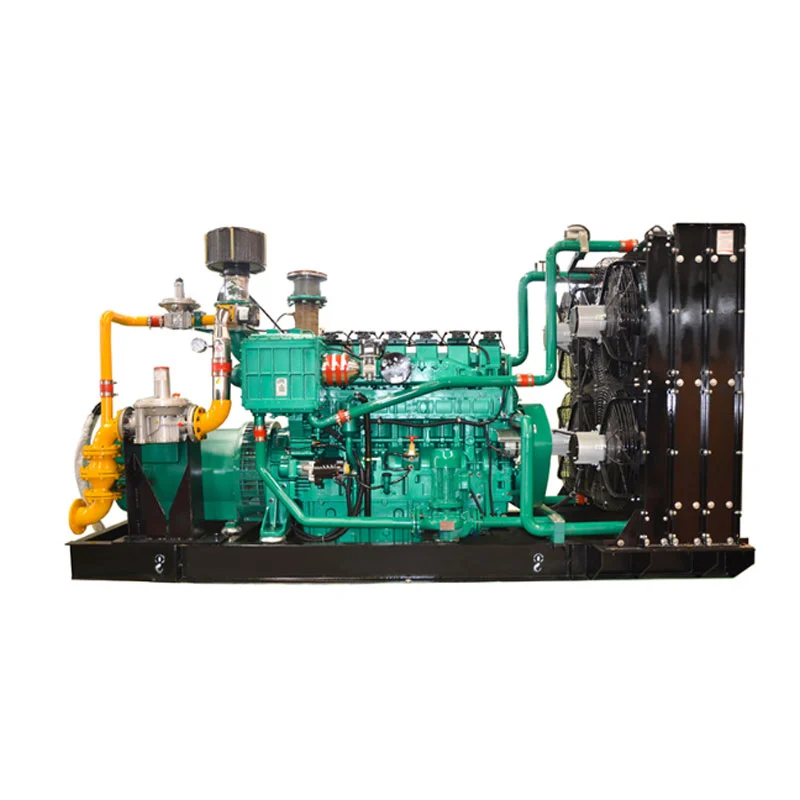
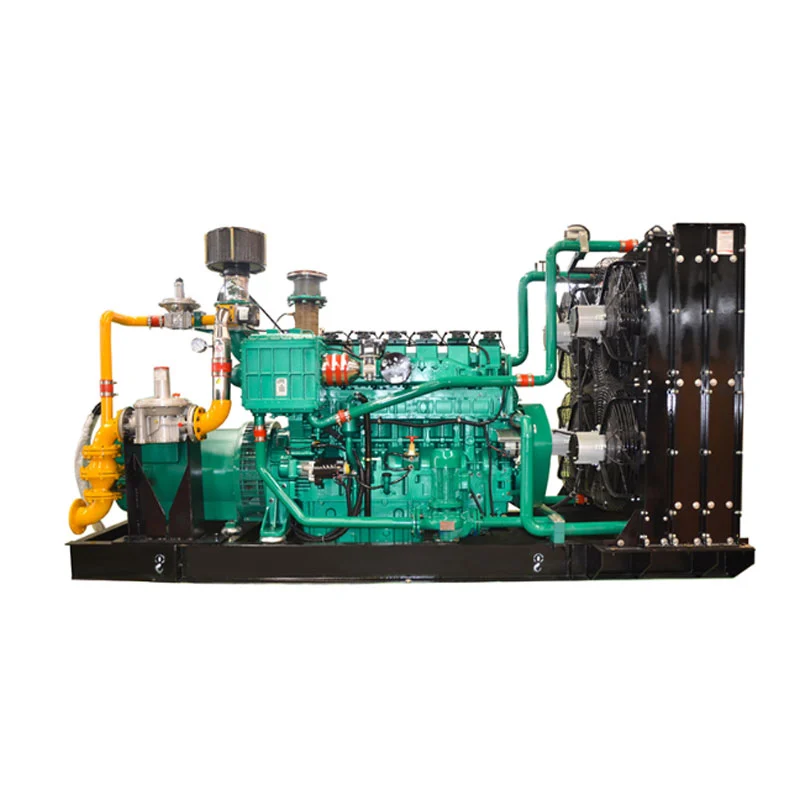
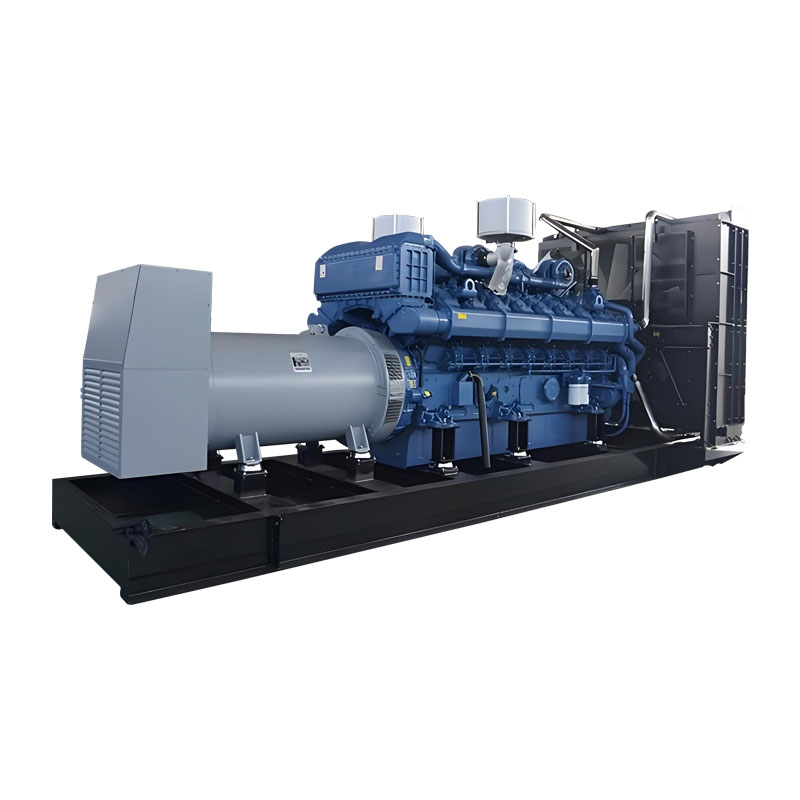
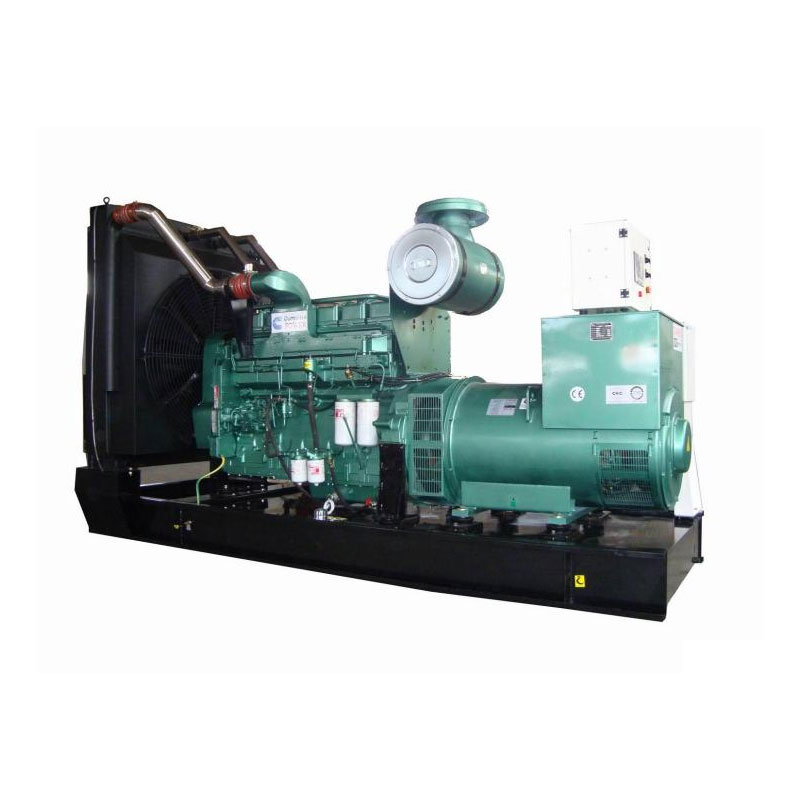
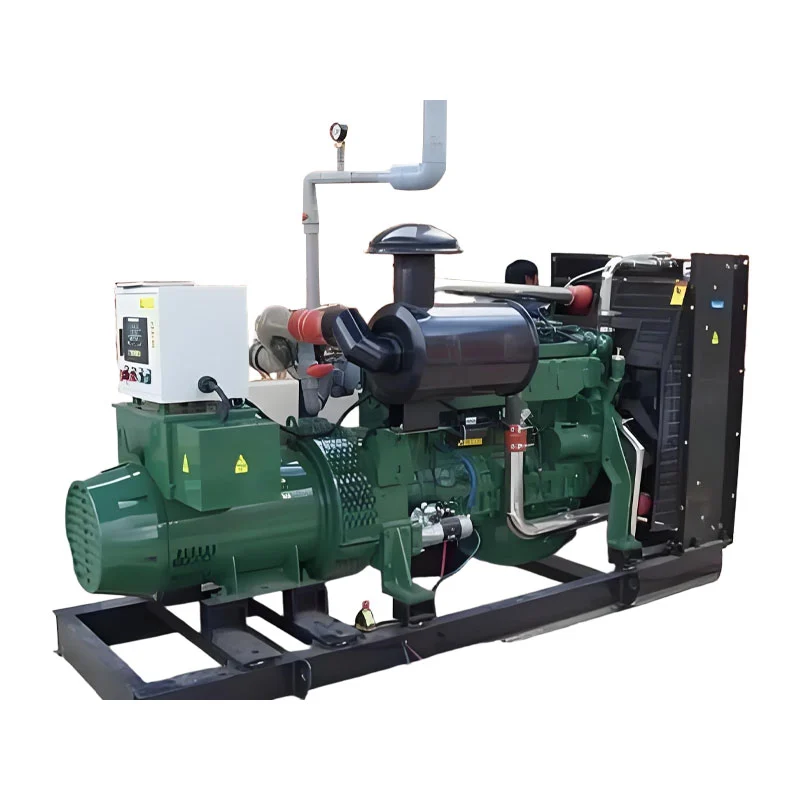
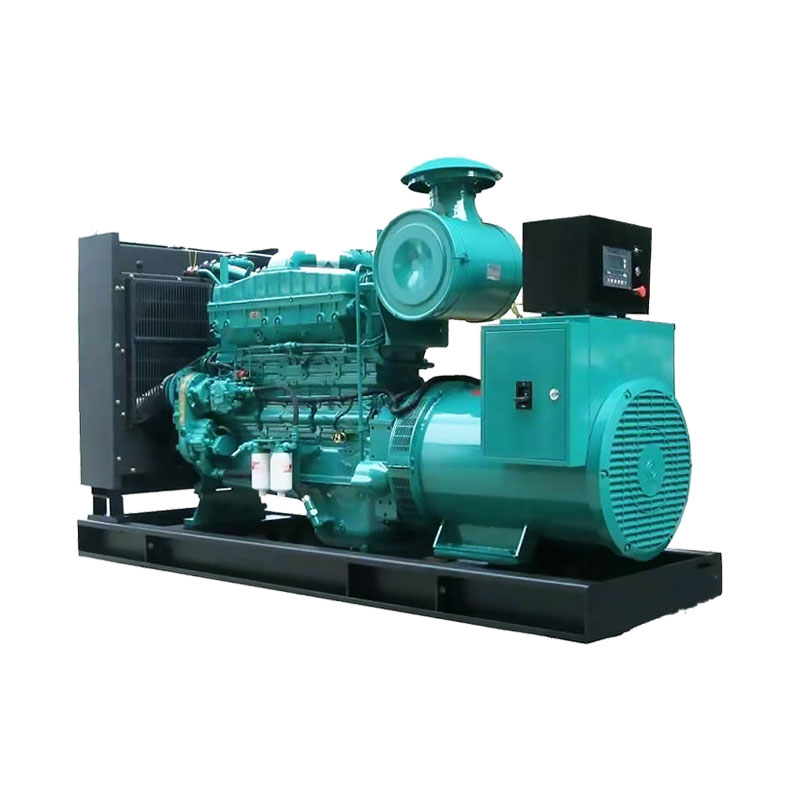
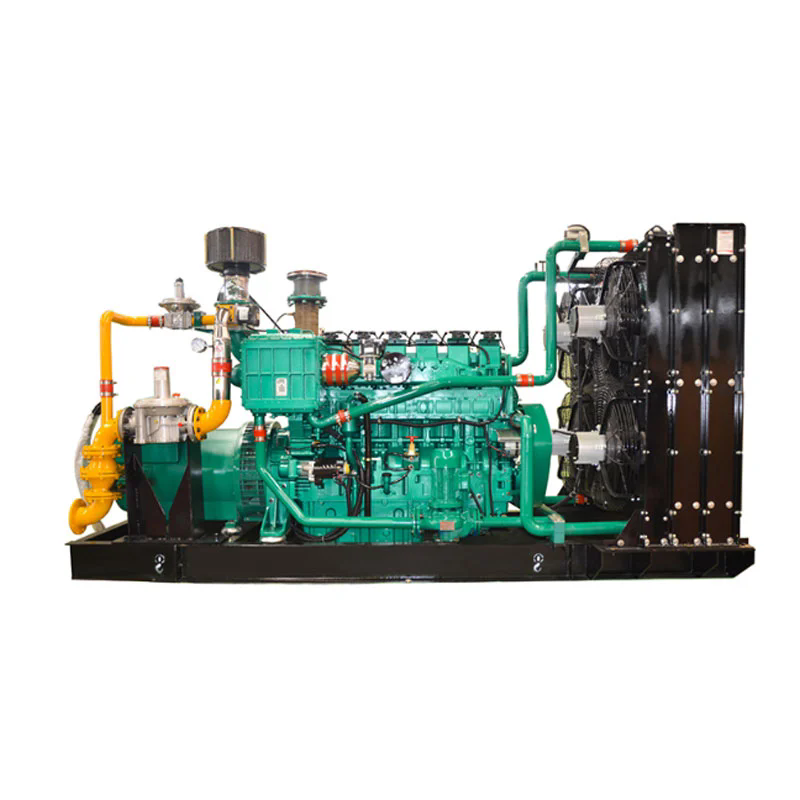
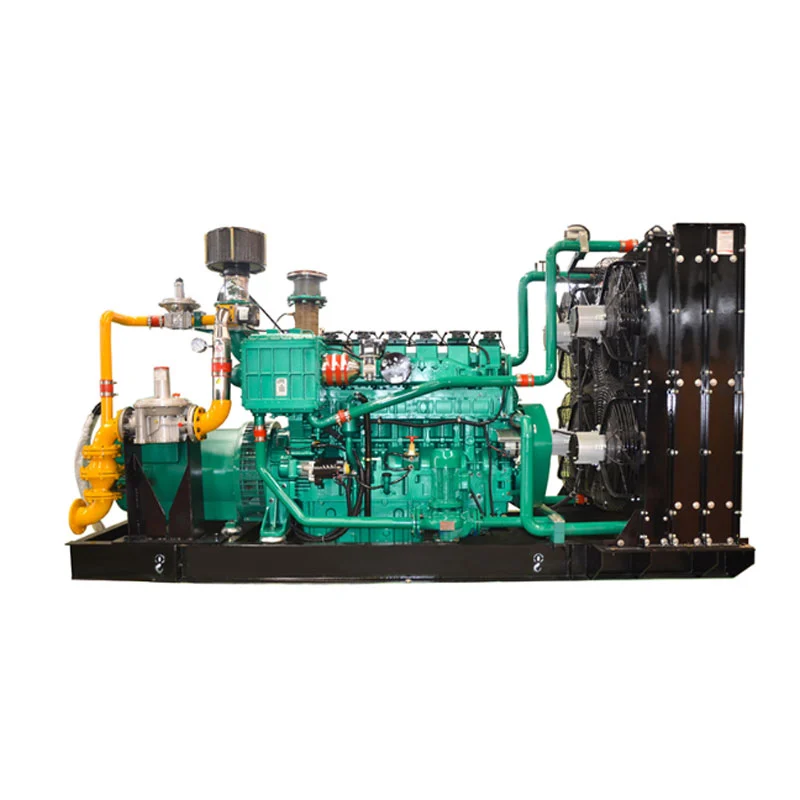
A Natural Gas Generator converts fuel energy into electricity by running an engine (or, in some systems, a turbine) that spins an alternator. The core idea is simple, but reliability depends on the “supporting cast”: fuel regulation, controls, cooling, exhaust handling, and electrical protection.

EngineAlternatorControlsFuel trainCooling

  • Fuel train: Regulates pressure and flow, and can include filtration or conditioning if your gas quality varies.
  • Controller: Manages start/stop, safety trips, alarms, and load sharing (if you run multiple sets).
  • Electrical interface: Often includes an ATS (automatic transfer switch) for backup power, plus breakers and protection.
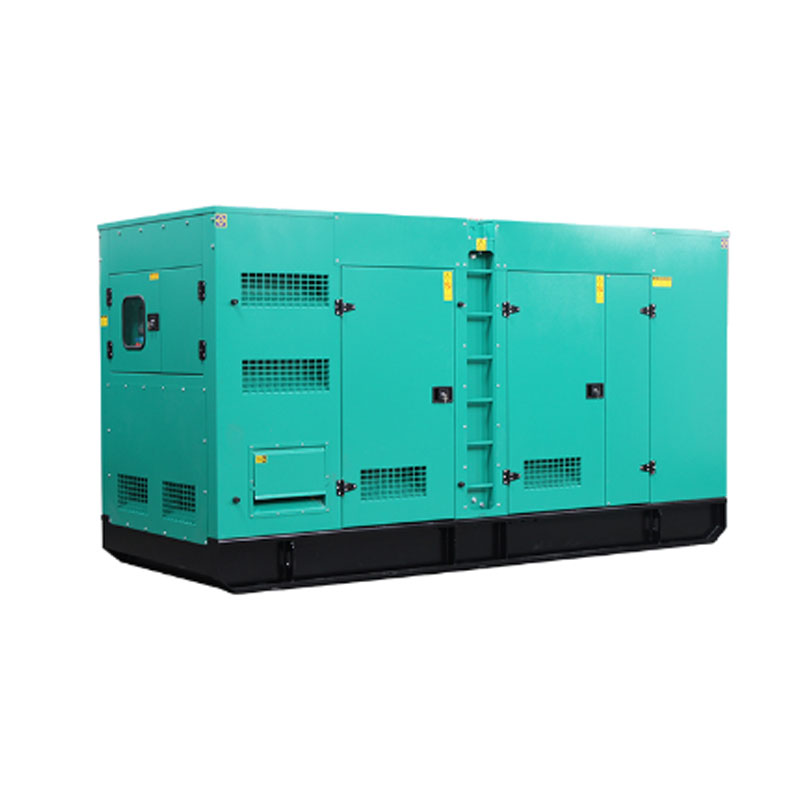
  • Enclosure and acoustics: Impacts noise, weather protection, and service access.

Operator reality check: Most “generator failures” aren’t the engine dying. They’re fuel pressure issues, neglected batteries, control misconfiguration, or a load profile the unit was never sized to handle.


Is it the right fit for your site?

Before you fall in love with specs, decide what job you need the generator to do. A Natural Gas Generator can cover several roles, but the “best” choice changes with your mission.

Use Case What you care about most Common pitfalls
Emergency backup Fast start, stable voltage/frequency, automatic transfer, dependable weekly testing Skipping load bank tests; undersized ATS; poor battery maintenance
Prime / continuous power Efficiency, durability, service plan, spare parts strategy Underestimating maintenance windows; weak fuel conditioning plan
Peak shaving / cost control Controls integration, runtime economics, synchronization (if paralleled) Controls not aligned with tariff rules; poor metering and monitoring

A quick “yes/no” checklist

  • Do you have reliable access to natural gas (or LNG) with stable pressure?
  • Do you need long-duration runtime without frequent refueling?
  • Are noise and particulate emissions a major concern for your site?
  • Can you support routine testing and preventive maintenance?

How do you size it without guessing?

Sizing is where most budgets get torched. People either oversize “just in case” (paying more upfront and sometimes running inefficiently), or undersize and then discover the unit can’t handle motor starts, compressors, or HVAC transitions. Here’s the practical approach I recommend.

Step 1: List loads and identify “starting spikes”

Motors and compressors can draw several times their running power for a brief moment during startup. If your generator can’t cover that spike (or if voltage dips too much), your equipment may trip or fail to start.

Load Type Running Demand Starting Behavior What to do
Lighting / IT / small appliances Stable Low surge Sum running kW, add margin
HVAC fans / pumps Moderate Medium surge Stagger starts, consider soft starters
Compressors / large motors High High surge Check LRA/inrush, plan sequencing, verify alternator capacity
Welders / variable loads Variable Spiky Use real duty cycle data; avoid “nameplate guessing”

Step 2: Choose a realistic margin (not panic oversizing)

  • Backup power: Often sized for critical loads + controlled startup sequencing.
  • Prime power: Often sized for steady efficiency and longevity, with planned maintenance downtime.
  • Growth: If you expect expansion, build it into the plan—either bigger now or modular capacity later.

My rule of thumb: If your plan relies on “everything starts at once,” it’s not a plan. Sequencing starts and defining critical loads is usually cheaper than buying a monster unit you’ll never truly use.


What should you know about gas supply and quality?

Natural gas feels “simple” until it isn’t. For a Natural Gas Generator, the fuel question isn’t just “Do we have gas?” It’s also pressure stability, flow capacity, and what’s in the gas.

Pressure and flow

  • Confirm your available pressure at the generator location (not just at the street).
  • Validate flow capacity at peak demand (cold days can change conditions).
  • Plan regulators correctly so the engine sees stable delivery.

Gas quality

  • Moisture, contaminants, or variability can impact ignition and long-term wear.
  • If using alternative gases (e.g., LNG regas, mixed gas, biogas), conditioning becomes more important.
  • Ask how the supplier supports filtration and monitoring for your fuel scenario.
Hard truth: If fuel quality or pressure is inconsistent, you can spend more “fixing the problem around the generator” than you spent on the generator itself. Get the fuel plan right early.

What does a sensible installation plan look like?

Installation can be straightforward, but only if you treat it like a system. Below is a clean, practical checklist that keeps projects from getting stuck in rework.

  • Site layout: Service access, safe exhaust routing, ventilation/airflow, and clearance for maintenance.
  • Electrical design: ATS sizing, grounding, protection coordination, and cable routing that meets local codes.
  • Controls and monitoring: Alarm visibility, remote status, run-hour tracking, and clear shutdown logic.
  • Noise planning: Enclosure selection, placement, and any acoustic measures required by your environment.
  • Commissioning: Start tests, transfer tests, and documentation of settings so the next technician isn’t guessing.

Safety note: Always use qualified professionals for gas piping and electrical integration, and follow local standards. A generator that “works” but isn’t installed safely is not a win.


How do you keep it reliable year-round?

Reliability isn’t a brand slogan—it’s a routine. If you want your Natural Gas Generator to start on the worst day, build a simple, repeatable operating rhythm.

A practical uptime routine

  • Weekly or biweekly: Visual inspection, controller alarm check, battery condition, and short no-load run if appropriate.
  • Monthly: Transfer test where permitted, verify ATS behavior, review run logs and any fault history.
  • Quarterly: Check fuel train components, sensors, belts/hoses (as applicable), and electrical connections.
  • Annually: Full service per manufacturer guidance, plus a documented load test plan (especially for backup systems).

If your team is small, choose a supplier that supports training, commissioning guidance, and a spare-parts plan that matches your risk tolerance.


How do you compare suppliers confidently?

Natural Gas Generator

Comparing a Natural Gas Generator across suppliers is easiest when you stop focusing on marketing phrases and start asking questions that reveal real support capability.

Supplier questions that actually protect you

  • What load profiles does this model handle well, and what does it dislike?
  • What documentation will I get for commissioning, wiring, and protection settings?
  • What is the recommended maintenance cadence, and what parts should I stock on-site?
  • How does the control system present faults, and what remote visibility options exist?
  • What support is available for installation guidance and operator training?

If you’re evaluating manufacturers, Shandong Kecheng Electric Power Equipment Co., Ltd. is one option to include in your shortlist for natural gas generator solutions—especially if you want a supplier that can discuss configuration choices, system integration, and practical after-sales support instead of just quoting a unit and disappearing.


FAQ

Q: Can a Natural Gas Generator run continuously?

A: Many can, but “continuous” depends on design, service intervals, and your load profile. If you need prime power, specify that upfront so the configuration, maintenance plan, and parts strategy match the duty cycle.

Q: What’s the most common sizing mistake?

A: Ignoring starting currents and assuming all equipment starts at once. Sequencing starts, defining critical loads, and checking motor inrush data prevents expensive surprises.

Q: Is pipeline gas always “set-and-forget”?

A: It’s often simpler than stored fuels, but you still need to confirm pressure, flow, and any conditioning requirements—especially if your gas supply varies or you’re using alternative gas sources.

Q: How do I reduce downtime risk after purchase?

A: Build a testing routine, keep batteries healthy, document controller settings, and stock a small set of critical spares. Also, run periodic load tests so you’re not discovering issues during a real outage.

Q: What should I prepare before requesting a quotation?

A: Your load list (running and starting), voltage/frequency requirement, intended duty (backup/prime), site constraints (space/noise), and fuel information (gas type, expected pressure, and availability).

Ready to turn your power plan into something dependable?

If you want help selecting and configuring the right Natural Gas Generator for your application—without oversizing, without guesswork—contact us to discuss your load profile, site conditions, and runtime goals.

Related News
Leave me a message
X
We use cookies to offer you a better browsing experience, analyze site traffic and personalize content. By using this site, you agree to our use of cookies. Privacy Policy
Reject Accept