News

News

Why Is a Diesel Generator Still the Most Reliable Backup Power Choice?

2026-01-14 0 Leave me a message

Abstract: Power interruptions don’t just “pause operations”—they can spoil inventory, crash IT systems, damage sensitive equipment, interrupt medical services, and create safety risks. A Diesel Generator remains one of the most dependable ways to keep critical loads running when the grid fails, but buyers often worry about sizing mistakes, noisy operation, fuel costs, maintenance burden, and long-term reliability. This guide breaks the decision into practical steps: how to size correctly, what features matter most in real-world sites, how to control operating cost, what to ask suppliers, and how to build a maintenance routine that prevents unpleasant surprises.


Contents


Outline

  1. Identify your “must-stay-on” loads and what failure would cost you.
  2. Understand what makes diesel sets reliable—and what breaks them.
  3. Size for real loads (including motor starts), not guesswork.
  4. Choose features that reduce downtime: switching, controls, monitoring, redundancy.
  5. Plan for your site: noise limits, emissions expectations, ventilation, fuel strategy.
  6. Lock in maintainability: service access, parts availability, testing routines.
  7. Ask the right supplier questions so the final system matches your risk level.

What usually goes wrong when buying backup power

Most buyers aren’t worried about whether a generator can run in perfect conditions. They worry about whether it will run when it matters: during storms, at night, under heavy load, or after months of “nothing happening.” Here are the most common pain points we see in real projects:

  • Undersizing: The set starts fine on paper but trips when multiple motors start or when load ramps up quickly.
  • Oversizing: Bigger isn’t always safer—running too lightly loaded can create inefficiencies and maintenance headaches over time.
  • Noise complaints: A set that “works” may still be unacceptable near residences, schools, or hospitals without proper acoustic solutions.
  • Fuel anxiety: Buyers underestimate fuel logistics: storage, refill plans, fuel quality management, and runtime during long outages.
  • Switching surprises: The generator is fine, but the system fails at the handoff—poor transfer switching can cause delays or instability.
  • Maintenance drift: A generator is a machine, not a magic box. Without routine testing, batteries die, fuel degrades, and small issues become failures.

The good news: every one of these issues is preventable with a structured buying approach.


How a Diesel Generator delivers dependable power

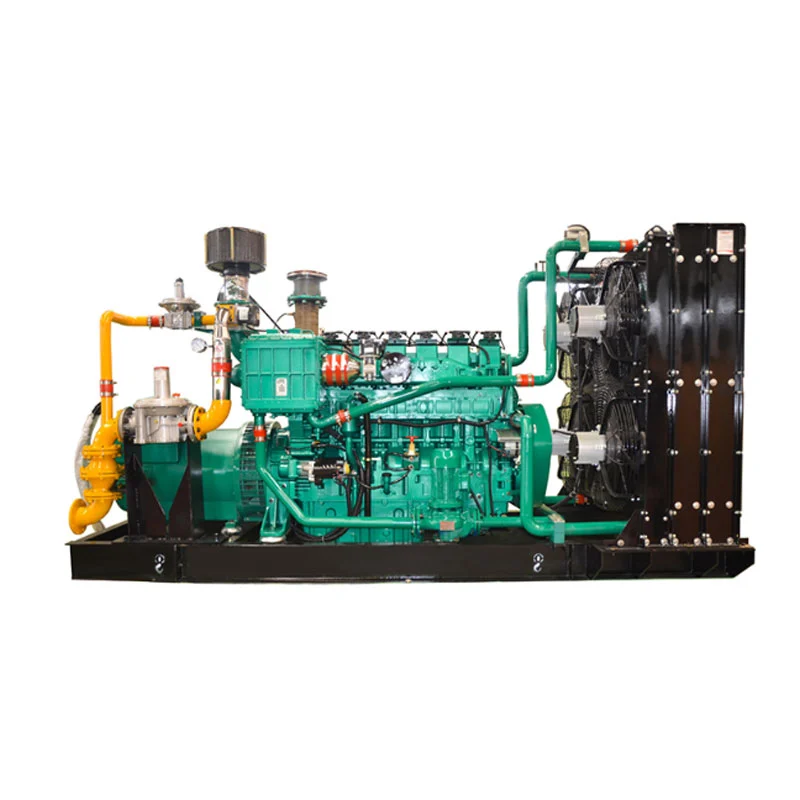
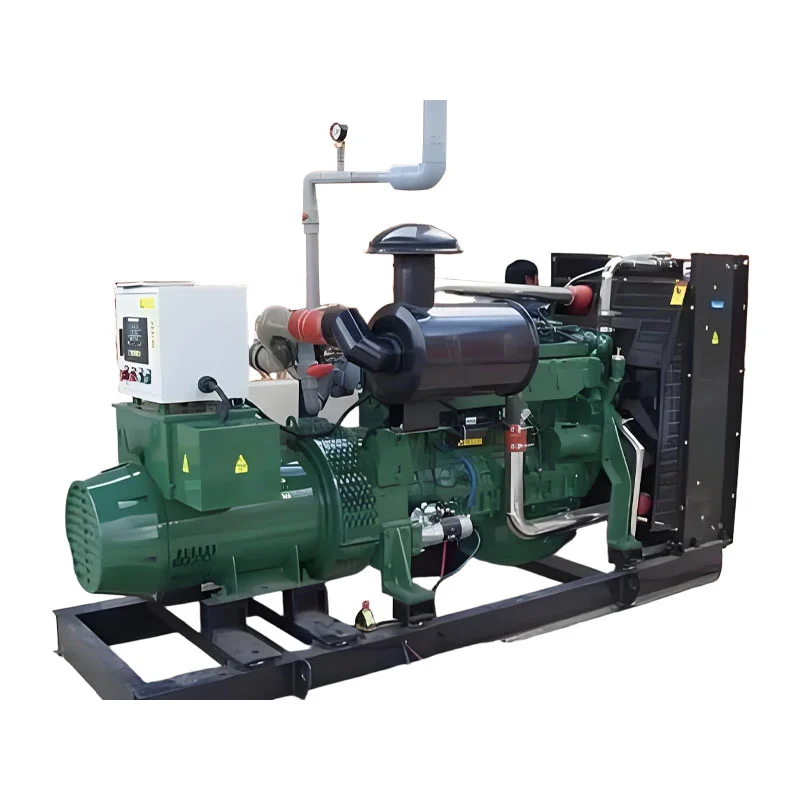
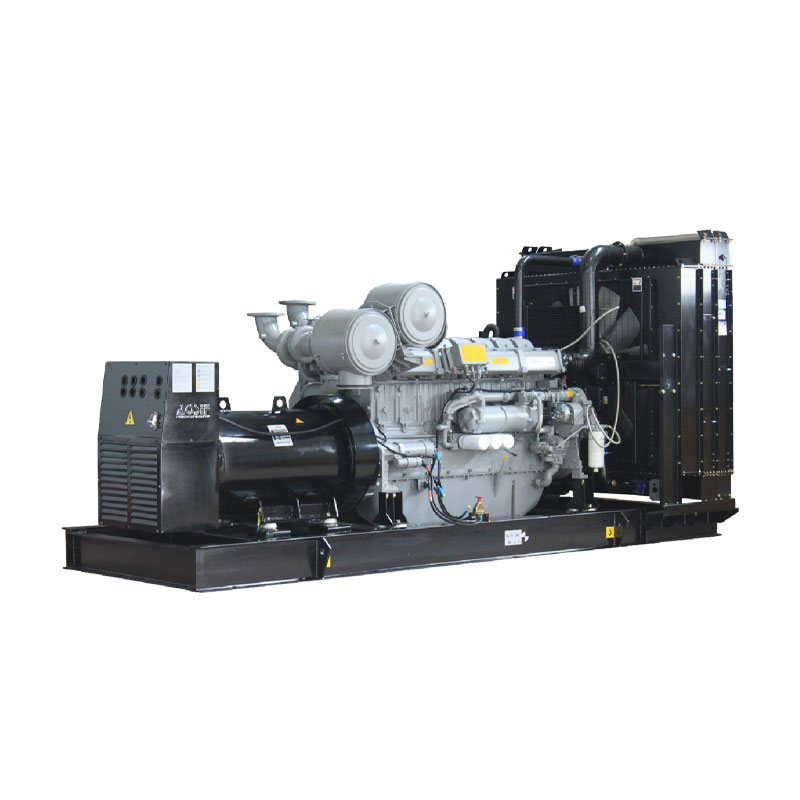
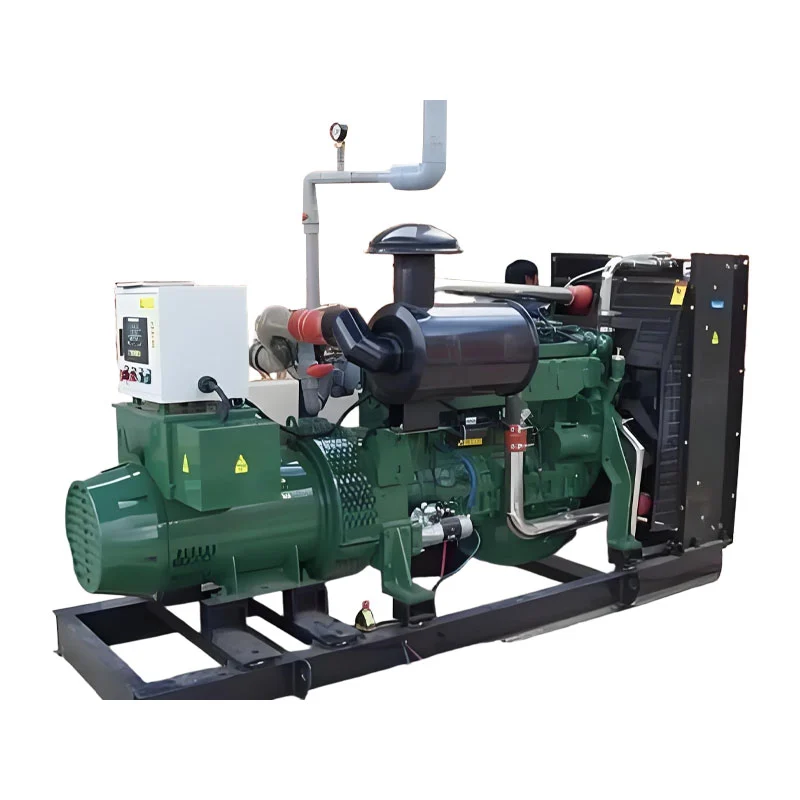
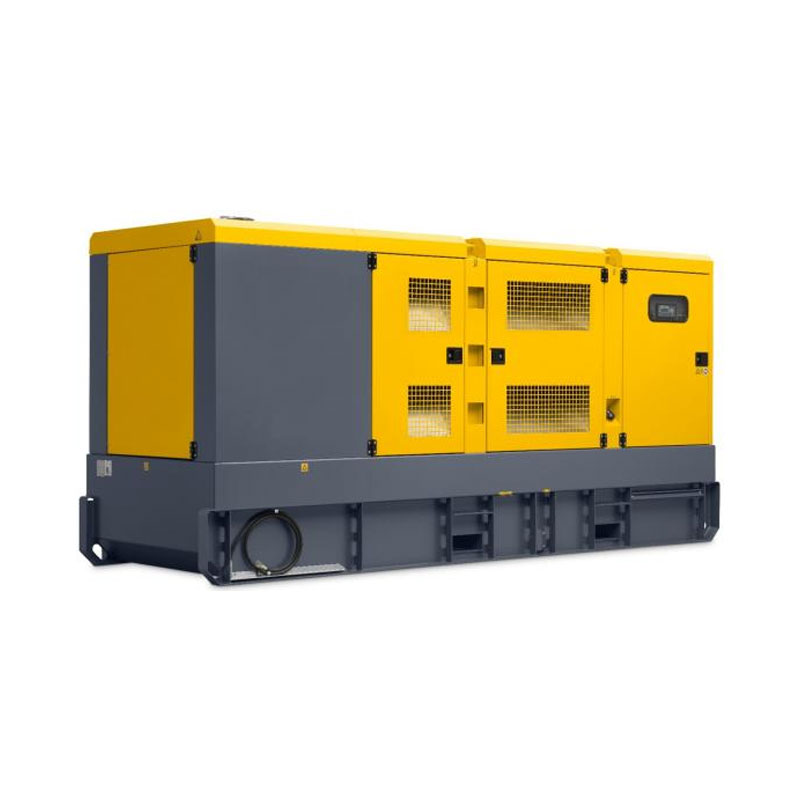
Diesel Generator

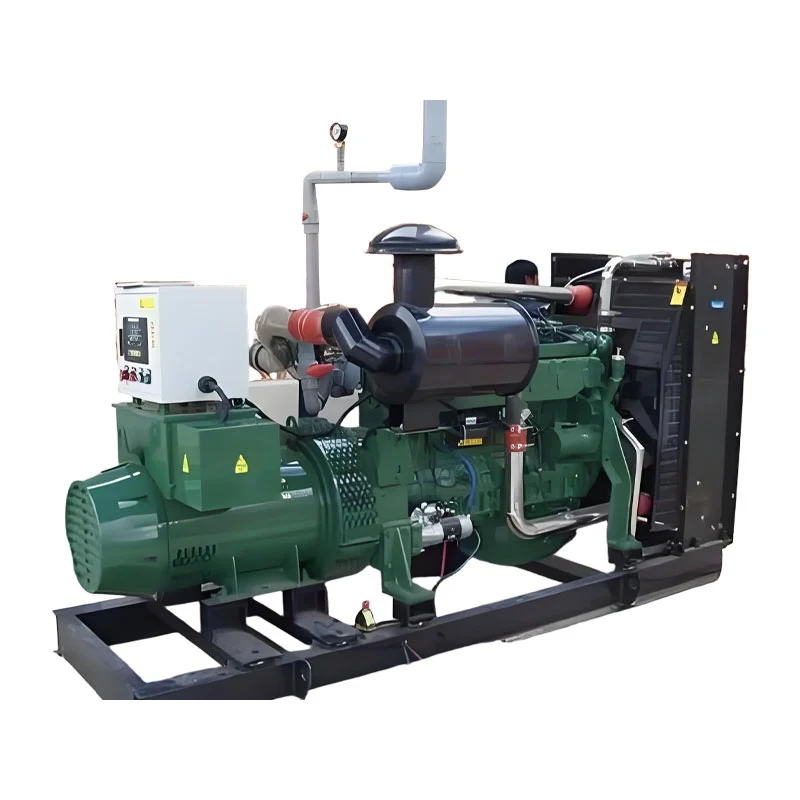
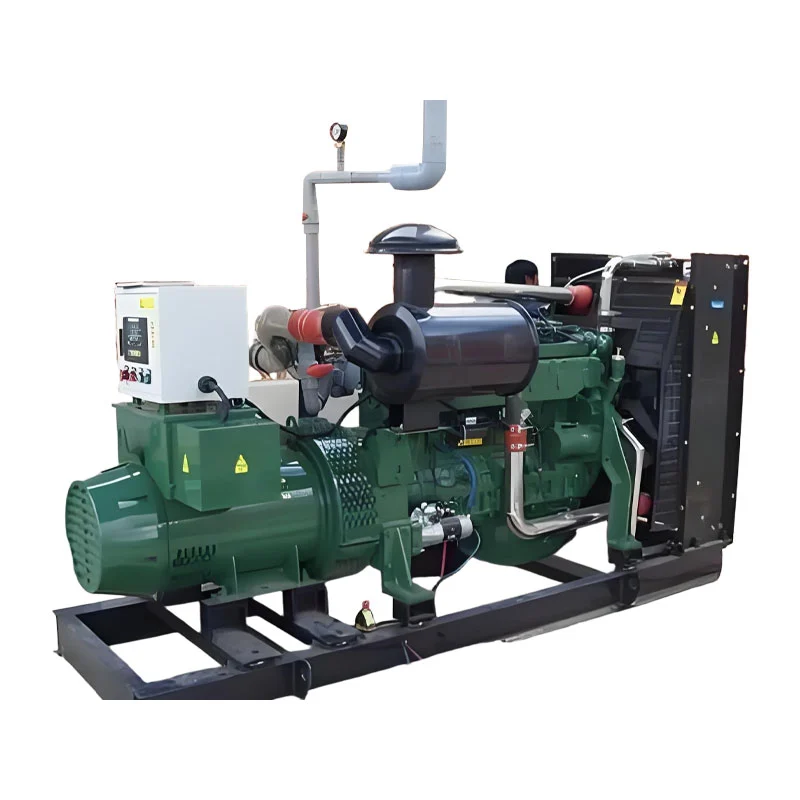
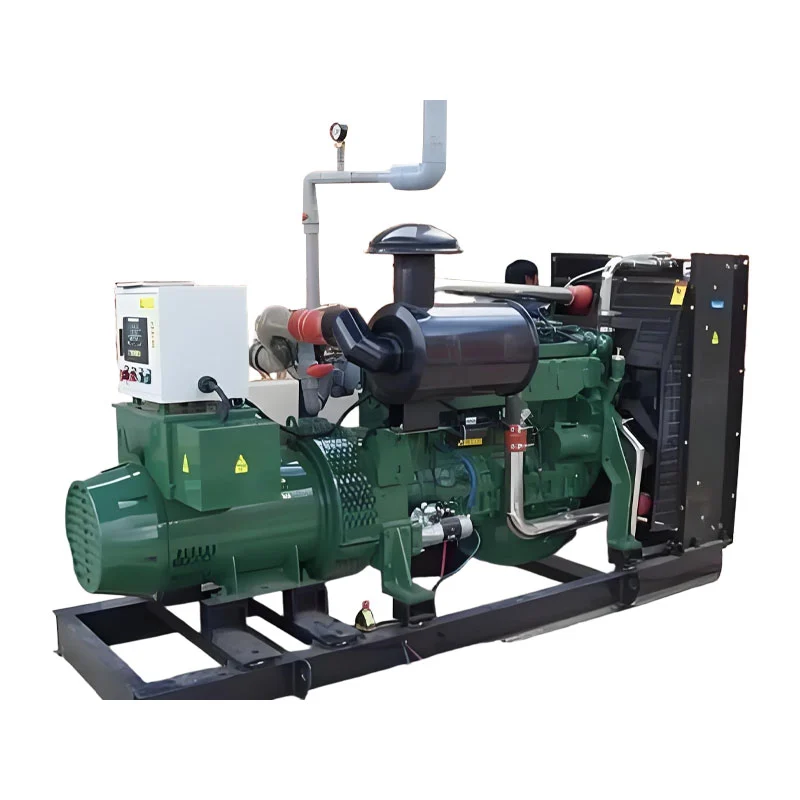
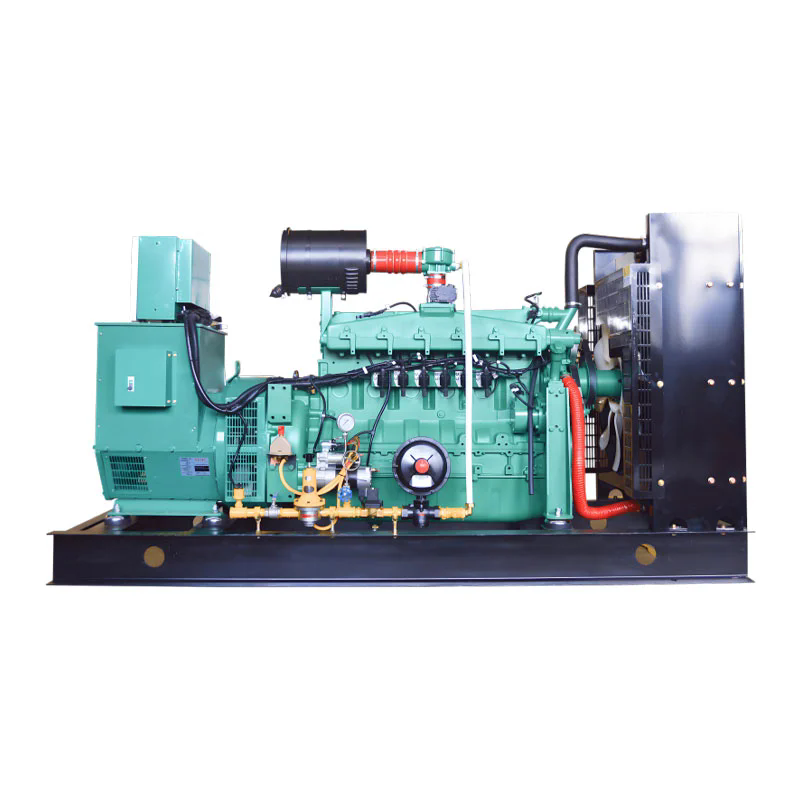
A Diesel Generator is popular for backup power because it combines a robust prime mover (the diesel engine) with an electrical alternator that can deliver stable output for long periods. In plain terms, diesel is reliable because it is mechanically straightforward, widely serviceable, and capable of handling heavy-duty work cycles.

Key components that matter to buyers:

  • Diesel engine: Converts fuel energy into rotational power. Reliability here is influenced by cooling, lubrication, air intake, and fuel quality.
  • Alternator: Converts rotation into electricity. Build quality affects voltage stability and heat tolerance.
  • Governor + voltage regulation: Helps maintain steady frequency and voltage as loads change.
  • Control system: The “brain” that starts/stops the unit, displays alarms, logs events, and can support remote monitoring.
  • Protection devices: Prevent damage from overload, short circuits, abnormal temperature, low oil pressure, and other fault conditions.

If you’ve ever heard “the generator ran yesterday but failed today,” the root cause is often not the engine block itself—it’s batteries, fuel issues, cooling airflow, switching logic, or a sensor/alarm condition that wasn’t addressed. The system needs to be designed as a whole, not purchased as a single box.


Sizing without regrets

Sizing is where most expensive mistakes happen. The goal isn’t “largest possible”—it’s “correct power for your real operating profile.” A smart sizing process starts with your loads:

  • Continuous loads: Lighting, servers, process equipment that runs steadily.
  • Intermittent loads: Compressors, pumps, or tools that cycle.
  • Starting loads: Motors and HVAC systems that demand a surge at startup.
  • Critical vs. non-critical: Decide what must stay on and what can shed during outages.

Quick reality check: If your site has multiple motors, “starting behavior” can dominate your sizing more than your average running load.

Load type What tends to surprise buyers What to provide your supplier
Motors (pumps, fans) High inrush at start can cause voltage dip or tripping Motor kW/HP, starting method (DOL/VFD/star-delta), start sequence
HVAC systems Multiple compressors starting together increases surge demand Equipment schedule, staged starts, which zones are essential
IT & electronics Sensitive to unstable voltage/frequency during transitions UPS specs, power quality requirements, transfer timing
Welding / variable tools Non-linear loads can stress regulation and cause harmonics Duty cycle, peak demand, any known power factor behavior

Practical sizing tips that reduce risk:

  • Plan your start sequence: Stagger big motors to avoid a single massive surge.
  • Account for site conditions: Heat, altitude, dust, and enclosure design influence performance.
  • Decide your backup philosophy: “Cover everything” costs more than “cover critical loads,” but may be justified for certain industries.
  • Ask for a load analysis: A good supplier will challenge your assumptions and validate the configuration.

Controlling operating cost

Buyers often fear that diesel power is “expensive to run,” which is true if you operate inefficiently—or if you’re forced into long runtimes due to poor planning. The real cost picture depends on how you use the system:

  • Runtime strategy: Is the generator for rare outages, daily peak shaving, or off-grid continuous use?
  • Load factor: Generators tend to behave best when sized so they operate in a healthy load range during real use.
  • Fuel logistics: Storage capacity, delivery access during storms, and fuel quality management can dominate cost and risk.
  • Maintenance discipline: Preventive service is cheaper than emergency repair and unplanned downtime.

If you want lower long-term cost, prioritize a solution that matches your load profile, supports smart control (so you aren’t burning fuel unnecessarily), and is easy for technicians to service quickly.


Noise, emissions, and site constraints

The fastest way to turn a “working generator” into a problem is ignoring its environment. Noise limits and emissions expectations vary by location, but the buyer’s pain point is universal: you need reliable power without triggering complaints, penalties, or operational restrictions.

Noise control options to consider:

  • Acoustic canopy / silent enclosure: Reduces airborne noise and helps in noise-sensitive sites.
  • Exhaust silencing: Proper mufflers and routing can significantly reduce perceived noise.
  • Placement planning: Distance, barriers, and directionality matter more than most people expect.

Emissions and compliance considerations:

  • Know your local requirements: Ask your supplier what configurations are commonly used for compliance in your target market.
  • Choose the right operating mode: Emergency standby expectations may differ from continuous prime power expectations.
  • Don’t forget ventilation: Good airflow improves combustion, reduces heat stress, and supports stable performance.

If your site is near hospitals, schools, offices, or residential zones, “quiet operation” is not a luxury feature—it’s often a project requirement.


Controls, switching, and resilience features

The generator set is only half the story. The other half is how power transfers and how the system behaves under changing load. This is where intelligent control and proper switching reduce downtime and protect equipment.

Features that directly address buyer pain points:

  • Automatic Transfer Switch (ATS): Transfers loads to generator power when the grid fails, then restores when stable.
  • Load management: Can shed non-critical circuits to keep essential loads stable.
  • Parallel operation (when needed): Supports growth and redundancy by sharing load across multiple units.
  • Remote monitoring: Lets you see alarms, run status, and maintenance reminders without being on-site.
  • Event logging: Helps diagnose issues quickly instead of guessing after a failure.

Many “generator failures” are actually system failures: incorrect transfer settings, poor grounding, insufficient cable sizing, or lack of load sequencing. A well-integrated Diesel Generator solution treats controls and switching as first-class design elements, not add-ons.


Installation checklist buyers wish they had earlier

Installing a Diesel Generator is not only about “finding a place to put it.” It’s about ensuring the machine can breathe, cool, stay fueled, and be serviced—while meeting safety expectations. Use this checklist to reduce rework and surprises:

  • Site layout: Confirm service access for filters, oil, battery, radiator, and control cabinet.
  • Ventilation and heat: Ensure adequate airflow, especially for enclosed rooms or containerized solutions.
  • Exhaust routing: Plan safe discharge, noise control, and heat management.
  • Fuel system: Decide on tank size, refill plan, filtration, and safeguards for long standby periods.
  • Electrical integration: Confirm grounding, cable sizing, protection devices, and switching logic.
  • Commissioning tests: Plan startup checks, alarm verification, and a realistic load test before sign-off.

The easiest time to solve these details is before the generator arrives. The second easiest time is before the first outage. After that, you’re paying in downtime.


Maintenance that prevents 2 a.m. disasters

Diesel Generator

A generator that sits idle for months is still aging. Batteries discharge, fuel can degrade, moisture accumulates, and seals can dry out. A simple routine keeps your unit ready:

Healthy routine for standby systems:

  • Weekly/biweekly checks: Visual inspection, control panel status, any leaks, and battery condition.
  • Exercise runs: Run periodically so the engine reaches stable temperature and systems circulate properly.
  • Fuel management: Keep fuel clean and dry; consider filtration and periodic checks if storage is long-term.
  • Cooling system attention: Verify coolant condition, radiator cleanliness, and airflow paths.
  • Load testing: Occasional realistic testing confirms the system behaves correctly under demand.
  • Record keeping: Track alarms, run hours, service actions, and any parameter drift.

Maintenance isn’t about being “extra careful.” It’s about ensuring the first real outage isn’t also your first real test.


How to evaluate a supplier beyond the brochure

Two generators with similar nameplate ratings can behave very differently in the field. Supplier evaluation should focus on whether they can help you avoid the failures you’re afraid of.

Questions that reveal real capability:

  • Can you help with load analysis and start sequencing? Serious suppliers don’t just ship a box; they validate your plan.
  • What testing happens before delivery? Factory checks reduce commissioning surprises.
  • How do you support parts and service? Downtime is often a logistics problem, not a technical mystery.
  • Can you provide control options and monitoring? Visibility prevents silent failures.
  • What documentation and training do you deliver? Clear manuals and training reduce operator error.

At Shandong Kecheng Electric Power Equipment Co., Ltd., teams typically support projects with pre-sales consultation (to clarify loads and site conditions), practical configuration guidance (controls, noise solutions, and switching), and after-sales support focused on keeping uptime high. The point is simple: your generator should not be “a product.” It should be a dependable part of your risk plan.


FAQ

Q: How do I avoid buying an undersized Diesel Generator?

Start with a load list and identify motor starts, surge loads, and what must remain on. Share starting methods and start sequence plans with your supplier. If your loads are complex, request a sizing review that accounts for ramp-ups and step loads, not just steady-state totals.

Q: Is oversizing safer for backup power?

Not always. Oversizing can lead to inefficient operation and avoidable maintenance issues over time, especially if the set routinely runs very lightly loaded. The safer choice is correct sizing plus load management and staged starting where needed.

Q: What makes a generator “quiet” in real installations?

Quiet performance comes from a combination of acoustic enclosure design, exhaust silencing, placement, and site barriers. If your site is noise-sensitive, treat sound control as a system requirement and specify your limits early.

Q: What should I prioritize for mission-critical sites like hospitals or data rooms?

Prioritize reliable transfer switching, stable power quality, alarm visibility, maintenance accessibility, and a commissioning process that includes realistic testing. For higher resilience, consider redundancy strategies and monitoring so issues are detected before an outage.

Q: How can I reduce the risk of a generator failing after long standby periods?

Use a disciplined routine: periodic exercise runs, battery health checks, fuel quality management, and scheduled inspections. Keep records so you can spot trends (like frequent alarms or slow starts) before they become failures.

Q: What information should I prepare before requesting a quotation?

Prepare your required power, voltage/frequency, load list, motor starting details, installation environment (indoor/outdoor, temperature, dust), noise expectations, desired runtime, and whether you need automatic transfer, monitoring, or parallel capability.


Conclusion

A Diesel Generator remains a top choice for backup and industrial power because it’s robust, serviceable, and capable of handling demanding load profiles. The best results come from treating the project as a complete system—correct sizing, smart switching, site-aware noise and airflow planning, and a maintenance routine that keeps the unit ready long before the next outage.

If you’re planning a new backup system or upgrading an aging set, share your load list and site conditions with us and we’ll help you narrow down a configuration that fits your risk level and operating goals. For specifications, configuration guidance, or a tailored quotation, contact us and let’s make your power plan boring—in the best possible way.

Related News
Leave me a message
X
We use cookies to offer you a better browsing experience, analyze site traffic and personalize content. By using this site, you agree to our use of cookies. Privacy Policy
Reject Accept