News

News

Which Diesel Generator Is Right for Your Facility?

2026-02-26 0 Leave me a message

Choosing a Diesel Generator sounds simple until you’re the one responsible for keeping a site running during outages, meeting noise limits, and staying inside budget. Buyers often worry about the same things: “Will it start every time?”, “Did we size it correctly?”, “How much fuel will it burn?”, and “Who supports it after installation?”

This guide turns those worries into a clear decision process. You’ll learn how to size realistically (without paying for power you’ll never use), how to control operating cost, what to watch for in installation, and what maintenance prevents the most common failure modes. You’ll also get practical checklists you can hand to your team or supplier.


Abstract

A Diesel Generator is often purchased under pressure—an outage happened, a project is starting, or compliance requires standby power. That urgency can lead to oversizing, overlooked site constraints, and preventable reliability issues.

This article breaks the buying journey into steps: define your duty type, size for real loads (including motor starts), plan for fuel and ventilation, choose the right control and transfer method, and set up maintenance that actually keeps the set ready. Along the way, you’ll find tables, checklists, and FAQs that address the most common buyer pain points.


Table of Contents


Outline

  • Clarify your real problem: outage backup, primary power, or mixed duty
  • Collect load data and plan for motor starts and future expansion
  • Choose a rating and configuration that matches the application
  • Estimate fuel cost realistically and plan fuel storage
  • Design the installation for airflow, exhaust, noise, and service access
  • Select control, transfer, and monitoring features that prevent downtime
  • Build a maintenance routine focused on “readiness,” not just schedules
  • Use a procurement checklist to compare suppliers consistently

What Buyers Struggle With Most

Diesel Generator

If you’ve ever felt like generator quotes are hard to compare, you’re not alone. Many projects fail not because the equipment is “bad,” but because key details were missing early on. Here are the most common pain points—and what they typically mean.

  • Unclear sizing: Load lists are incomplete, motor starting is ignored, or future expansion isn’t discussed.
  • Unexpected fuel spend: Fuel burn is estimated at the wrong load point, or long runtime needs weren’t planned.
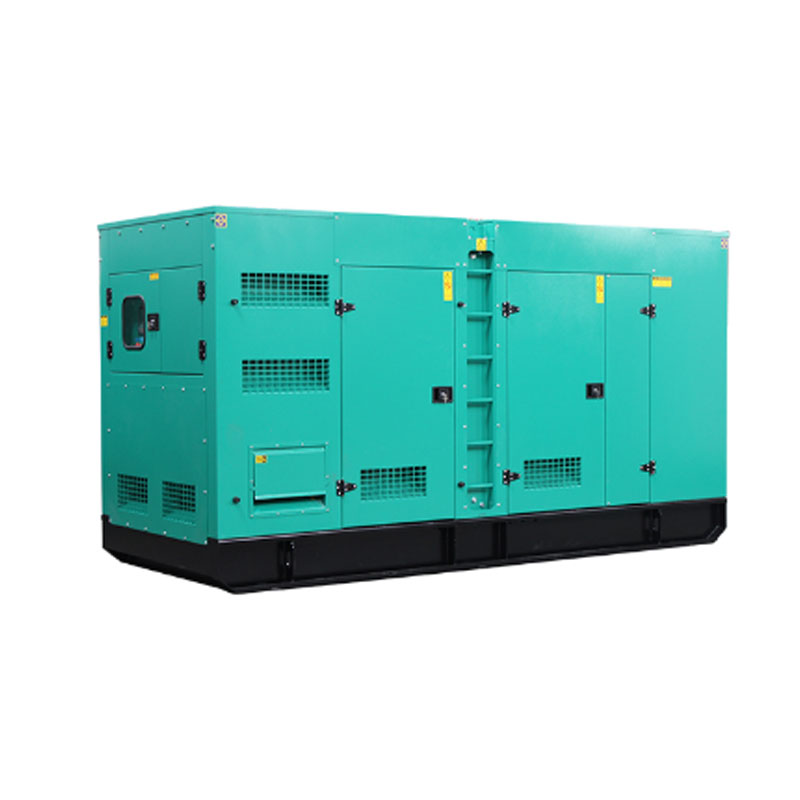
  • Noise complaints: A standard open set is installed where a silent enclosure or better muffling is needed.
  • Starting failures: Battery health, fuel quality, and periodic testing are neglected—until the first outage.
  • Site constraints: Ventilation, exhaust routing, service clearance, and foundation requirements are discovered late.
  • Slow support: Spare parts, commissioning help, and troubleshooting aren’t clearly defined in the purchase.

The good news is that most of these issues are preventable with a structured selection and installation plan.


Sizing Without Overpaying

The fastest way to waste budget on a Diesel Generator is to size it by guesswork. The second fastest is to size only for steady-state kW and forget how motors and compressors behave at startup.

Step 1: List every load and classify it.

Separate loads into (a) continuous loads that will run during generator operation, (b) intermittent loads that may cycle on/off, and (c) motor-driven loads with high starting demand (pumps, fans, compressors, elevators, HVAC).

Step 2: Confirm voltage, phase, frequency, and power factor assumptions.

Ratings and current draw change with voltage and phase. If your facility uses mixed loads or specialized equipment, align the electrical assumptions before comparing offers.

Step 3: Plan for motor starting, not just running.

Many motors need a surge of current to start. If the generator cannot handle that surge, you’ll see voltage dip, nuisance trips, or stalled motors. Solutions include soft starters, VFDs, staged starting, or simply sizing the set correctly.

Step 4: Add a realistic growth margin.

Adding a small buffer for expansion is smart; doubling the size “just in case” is rarely smart. A clear growth plan (for example, 10–25% depending on the facility type) keeps cost and efficiency balanced.

Quick sizing reality check (typical approach):

  • Calculate total running kW for essential loads
  • Convert to kVA based on expected power factor (or use measured PF if available)
  • Add motor starting requirements (or specify staged starting / soft start)
  • Confirm altitude/temperature derating if applicable
Load Type What Can Go Wrong Practical Fix
Motor loads (pumps, HVAC) Voltage dip, failed starts, tripped breakers Staged starts, VFD/soft start, adequate surge capacity
Nonlinear loads (some UPS/IT) Harmonics, overheating, unstable operation Confirm alternator capability, consider filters, proper sizing
Critical loads (hospital/process) Transfer delay or instability causes downtime ATS selection, control logic, commissioning, periodic testing
Future expansion Undersized system in 6–18 months Document growth margin, reserve breaker capacity, modular planning

Standby vs Prime vs Continuous

Not all Diesel Generator ratings are meant for the same duty. Your duty type affects engine wear, maintenance, fuel planning, and even how you should evaluate total cost.

Rating Type Best For Typical Use Pattern Key Consideration
Standby Emergency backup during utility outages Runs occasionally, often short-to-moderate durations Readiness and fast transfer matter most
Prime Primary source where utility is unreliable Runs regularly, longer hours, variable load Fuel planning and maintenance discipline are critical
Continuous Constant power generation (special cases) Runs for extended periods at steady load Cooling, service intervals, and operating economics dominate

If your supplier doesn’t ask you to define duty type, treat that as a red flag. “Backup” and “primary power” are not interchangeable requirements.


Fuel Use and Operating Cost

Fuel cost is often misunderstood because people compare numbers at the wrong load point. A generator’s fuel consumption changes with load level and operating conditions. In many real-world cases, running at a healthy load range is more efficient than running very lightly loaded.

A practical takeaway: if your set regularly runs far below its ideal load range, you may pay more in fuel per usable kWh and increase maintenance issues associated with light loading. On the other hand, running too close to maximum capacity leaves little cushion for motor starts or load spikes.

Ways to control fuel cost without compromising reliability:

  • Size correctly so normal operating load is efficient and stable
  • Use staged starting for large motors to reduce oversizing
  • Maintain clean air filters and healthy injectors for better combustion
  • Plan fuel storage based on required runtime (and local safety rules)
  • Track consumption and hours with the controller to spot anomalies early

Simple operating-cost worksheet you can use internally:

  • Expected runtime per month (hours)
  • Average load during runtime (kW)
  • Estimated fuel burn at that load (L/h or gal/h)
  • Fuel price (per L or gal)
  • Planned maintenance items per service interval

Site Planning, Noise, and Exhaust

The installation environment can make or break the success of a Diesel Generator. Even a high-quality set will struggle if airflow is restricted, exhaust routing is poor, or service access is blocked.

Airflow and heat management:

  • Confirm adequate intake and discharge airflow so the room doesn’t overheat
  • Allow clearance for radiator discharge (or design ducting properly)
  • Account for ambient temperature and altitude, which can reduce available power

Exhaust and safety:

  • Route exhaust to a safe location, away from intakes and occupied areas
  • Use appropriate insulation and supports for piping
  • Plan for condensate drainage if long exhaust runs are unavoidable

Noise control (especially near people):

  • Consider a silent enclosure for schools, hospitals, offices, and residential boundaries
  • Specify muffler grade and mounting method, not just “muffler included”
  • Use vibration isolation and a solid foundation to reduce structure-borne noise

Site survey checklist (printable):

  • Is the generator indoors, outdoors, or in a dedicated container?
  • What are the local noise limits at the property line?
  • Do you need weatherproofing, anti-corrosion measures, or cold-start aids?
  • Where will fuel be stored and how will refueling be handled safely?
  • Is there clear access for maintenance (filters, belts, battery, coolant)?
  • What is the routing plan for cables, ATS placement, and grounding?

Controls, Transfer, and Monitoring

Modern projects expect more than “start and generate.” Controls influence reliability, usability, and service efficiency—especially when you need quick answers during an outage.

Transfer method matters:

  • Automatic Transfer Switch (ATS): Ideal when loads must switch quickly and safely during utility failure
  • Manual transfer: Lower cost, but depends on personnel being on site and trained

Control and monitoring features that reduce downtime:

  • Event logs and alarm history for faster troubleshooting
  • Remote monitoring for multi-site operations or unmanned stations
  • Scheduled exercise runs to keep the system “awake” and ready
  • Protective shutdowns and sensors (coolant temp, oil pressure, overspeed)

If your facility has critical processes (hospitals, data rooms, production lines), commissioning and functional testing should be treated as part of the project, not an optional extra.


Maintenance That Protects Reliability

The most painful generator story is simple: “We had the generator, but it didn’t start.” Reliability is not only about the engine—it’s about batteries, fuel condition, exercise routines, and correct load testing.

Focus on readiness maintenance:

  • Keep starting batteries healthy and replace proactively
  • Store fuel properly and manage contamination (water, sludge, microbial growth)
  • Run periodic exercise cycles under meaningful load when possible
  • Inspect coolant, hoses, belts, and leaks before they become failures
  • Confirm ATS operation and alarms regularly
Interval What to Check Why It Matters
Weekly / Biweekly Visual inspection, battery status, alarms, fluid levels Catches simple issues that cause non-start events
Monthly Exercise run, ATS function check (as permitted), leak check Keeps systems active and reveals hidden faults
Quarterly / Semiannual Filters/fluids per hours, connections torque check, fuel condition review Prevents gradual degradation and performance loss
Annual Load test plan, cooling system inspection, comprehensive service review Validates real performance under realistic conditions

The right maintenance plan is a partnership between your operations team and your supplier—especially for mission-critical sites.


Procurement Checklist

Diesel Generator

Use this list to keep quotes comparable and reduce “surprises” after purchase. It’s designed for real-world purchasing teams who need clarity, not jargon.

  • Electrical: Voltage, phase, frequency, neutral/grounding plan, cable length, breaker needs
  • Load details: Running kW, motor list, starting method, growth margin
  • Duty type: Standby/prime/continuous, expected annual hours
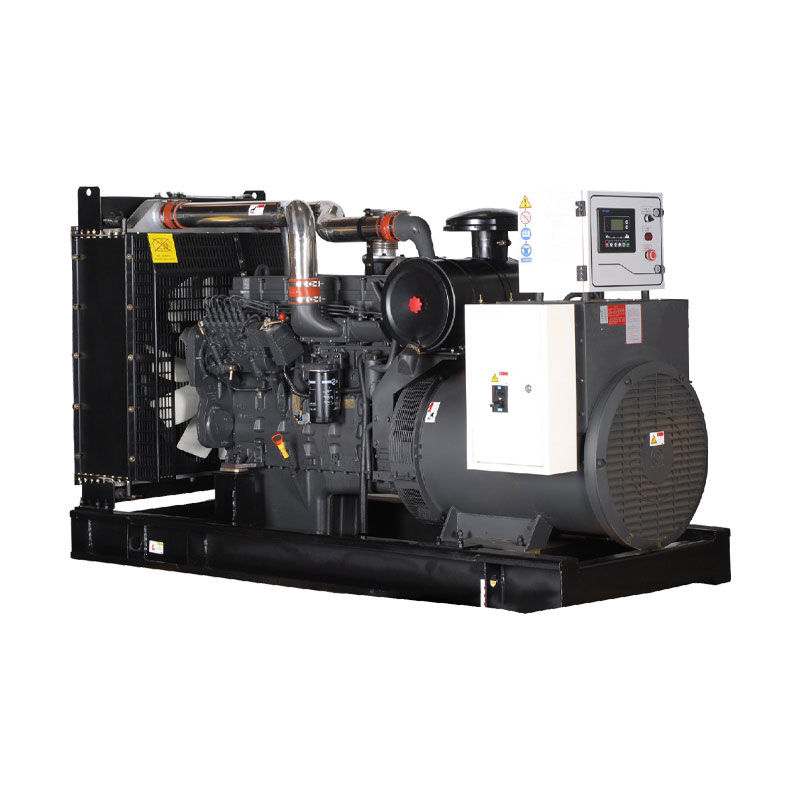
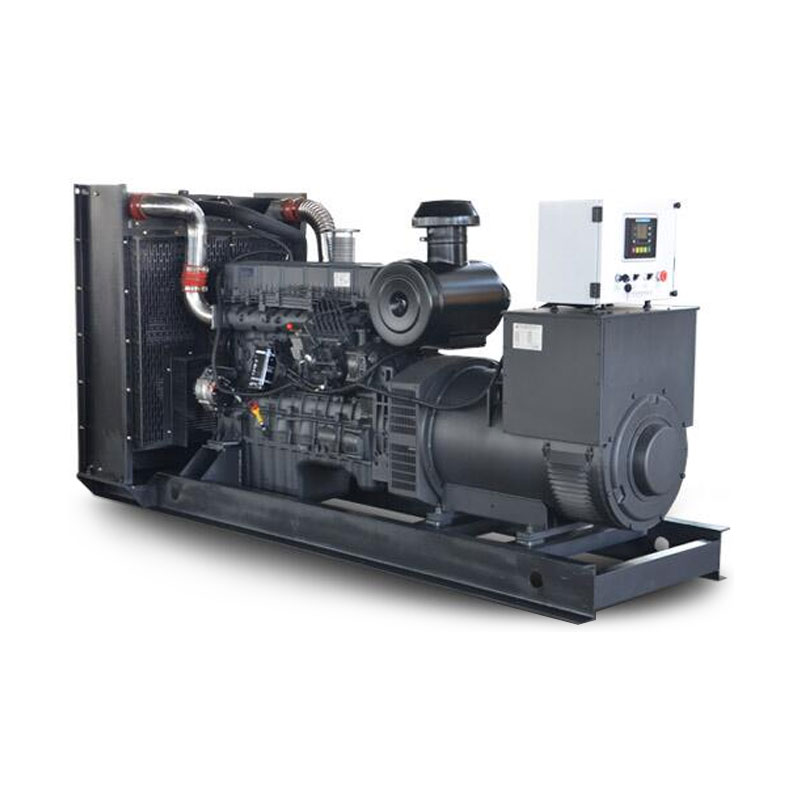
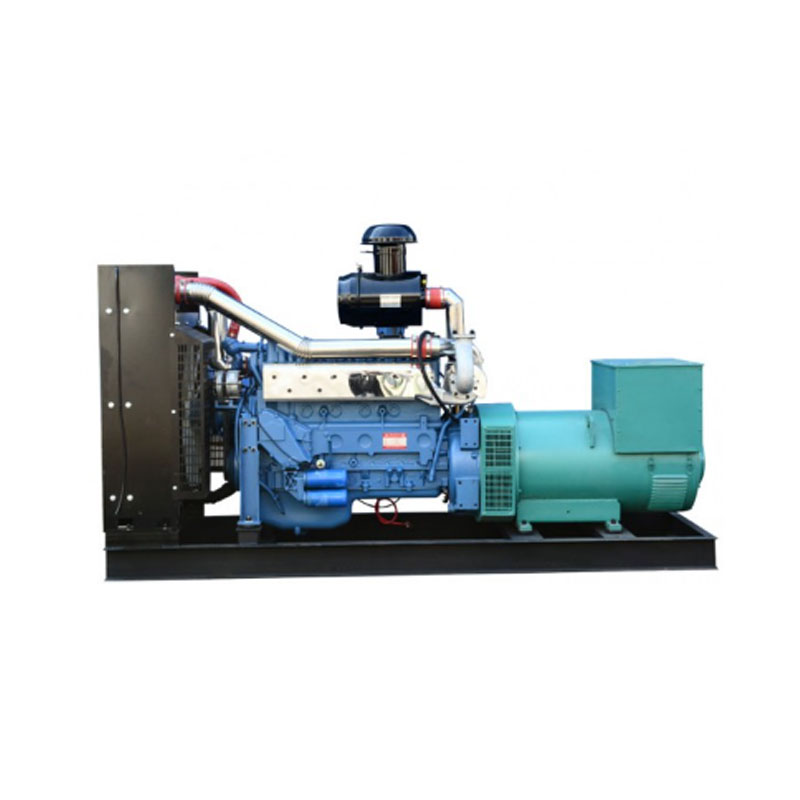
  • Configuration: Open set, silent set, containerized, trailer-mounted (if required)
  • Controls: Controller functions, remote monitoring needs, event logging
  • Transfer: ATS rating, transfer logic, bypass needs for maintenance
  • Fuel: Required runtime, tank size, refueling method, filtration
  • Site: Noise limits, exhaust plan, ventilation, foundation, access for service
  • Support: Commissioning scope, spare parts plan, response time expectations
  • Documentation: Manuals, wiring diagrams, test reports, acceptance testing approach

How a Manufacturer Can Reduce Project Risk

The best outcome is not “buying a generator.” It’s achieving dependable power with fewer headaches across the full lifecycle: selection, installation, commissioning, and support.

Shandong Kecheng Electric Power Equipment Co., Ltd. supports diesel generator projects by combining equipment supply with practical pre-sales consultation, engineering coordination, and after-sales service—helpful for buyers who want fewer handoffs and clearer accountability.

In many applications, the configuration matters as much as the core set: construction site power supply, emergency standby power, hospital backup scenarios, low-noise environments, emissions-focused projects, and intelligent control requirements all place different demands on the generator system. Matching the package to the application upfront reduces rework later.


FAQ

Q: Why does a generator trip or struggle when a motor starts?

Motor starting can draw significantly higher current than normal running. If the generator’s surge capacity is insufficient, voltage can dip and protective devices may trip. Common solutions include staged starts, soft starters/VFDs, or sizing the set to handle the starting profile.

Q: Is a silent set always necessary?

Not always. If the generator is far from occupied areas and local limits are lenient, an open set may be fine. If you’re near hospitals, schools, offices, or residential boundaries, a silent enclosure and proper muffling often prevent complaints and compliance issues.

Q: What causes “it didn’t start” failures during outages?

The most common culprits are weak batteries, neglected exercise runs, fuel contamination, and untested transfer equipment. A readiness-focused routine (battery checks, exercise, and periodic functional tests) prevents most surprises.

Q: How do I estimate fuel needs for long runtime requirements?

Start with your expected average load during generator operation, then use a supplier-provided fuel burn estimate at that load point. Multiply by required runtime hours and include a practical buffer. Fuel storage must also follow local safety and environmental rules.

Q: What information should I prepare before requesting a quote?

Provide voltage/phase/frequency, a load list (including motors), duty type, required runtime, site location and environment, noise expectations, and whether you need automatic transfer and remote monitoring. This allows suppliers to give a configuration that truly matches your use case.

Q: Can one diesel generator cover both emergency backup and daily operation?

It can, but it must be specified correctly (often closer to a prime-power approach) and supported with a stricter maintenance schedule. If your generator will run regularly, treat fuel planning, service intervals, and monitoring as essential—not optional.


Next Step

If you want a Diesel Generator system that starts reliably, matches your real loads, and stays manageable over the long run, the fastest path is a short technical review of your load list and site constraints. That single step prevents oversizing, reduces installation rework, and makes quotes genuinely comparable.

Share your voltage, load list (including motor details), duty type, runtime target, and site conditions—and we’ll help you map them to a practical configuration. For pricing, technical consultation, or a project discussion, contact us and tell us what you’re powering, where it’s installed, and how critical uptime is. We’ll respond with a clear recommendation you can act on.

Related News
Leave me a message
X
We use cookies to offer you a better browsing experience, analyze site traffic and personalize content. By using this site, you agree to our use of cookies. Privacy Policy
Reject Accept