News

News

How Can a Gas Generator Deliver Stable Power When Your Site Conditions Are Anything But Stable?

2026-03-03 0 Leave me a message

Abstract
A Gas Generator can be a smart answer to rising electricity costs, unstable grids, strict emissions expectations, and the need for dependable backup power—but only if you choose, install, and operate it correctly. In this guide, we break down the real-world pain points buyers face (sizing mistakes, fuel uncertainty, maintenance gaps, noise limits, and compliance worries) and turn them into a clear decision process. You’ll get a practical outline, a jump-link table of contents, selection checklists, and comparison tables to help you evaluate options with confidence. We also share what to ask suppliers so your project doesn’t stall after delivery.


Outline at a Glance

  • Define your goal: prime power, standby backup, peak shaving, or CHP-ready planning.
  • Measure your load: base load, starting current, and future expansion.
  • Validate fuel reality: pressure, composition, dryness, and supply continuity.
  • Design the site details: ventilation, exhaust routing, noise control, and safety systems.
  • Plan the lifecycle: commissioning, service schedule, spare parts, and operator training.
  • Confirm compliance: emissions requirements, local codes, and testing procedures.

What Problems Are You Trying to Solve With a Gas Generator?

Gas Generator

Most buyers don’t wake up thinking “I want a Gas Generator.” They wake up thinking:

  • “Our grid is unstable, and downtime is unacceptable.”
  • “Diesel prices are volatile, and fuel storage is a headache.”
  • “We need cleaner combustion and better site safety policies.”
  • “We want predictable operating costs and easier daily operation.”
  • “Our plant is expanding, and our current power plan won’t scale.”

Here’s the catch: the same Gas Generator that performs beautifully at one site can underperform at another if the load profile, gas quality, or installation constraints weren’t addressed early. That’s why this article focuses on the buyer’s reality—what fails in the field, and how to prevent it.


What Exactly Is a Gas Generator System?

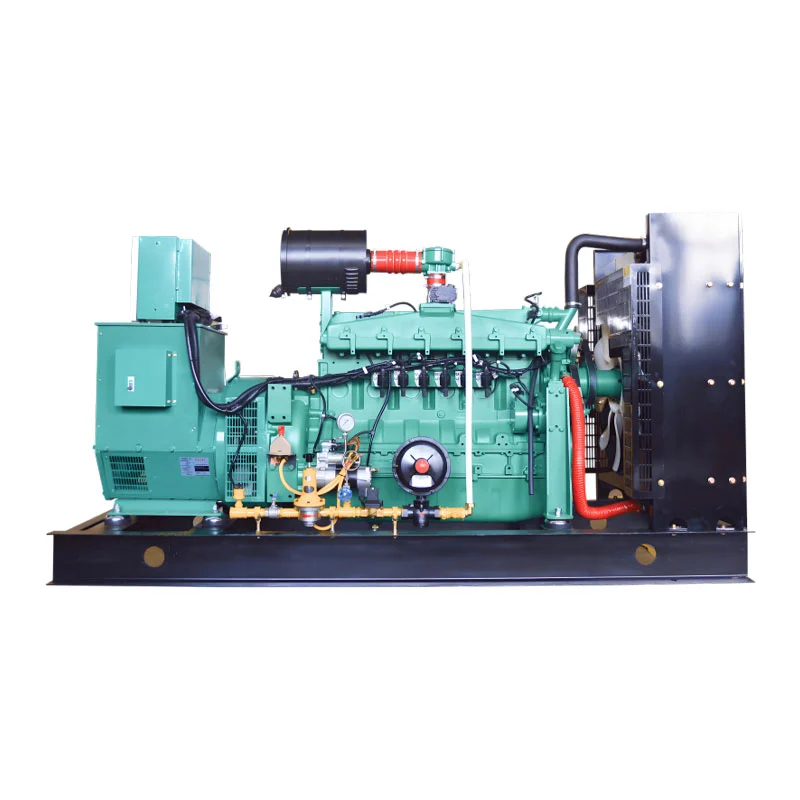
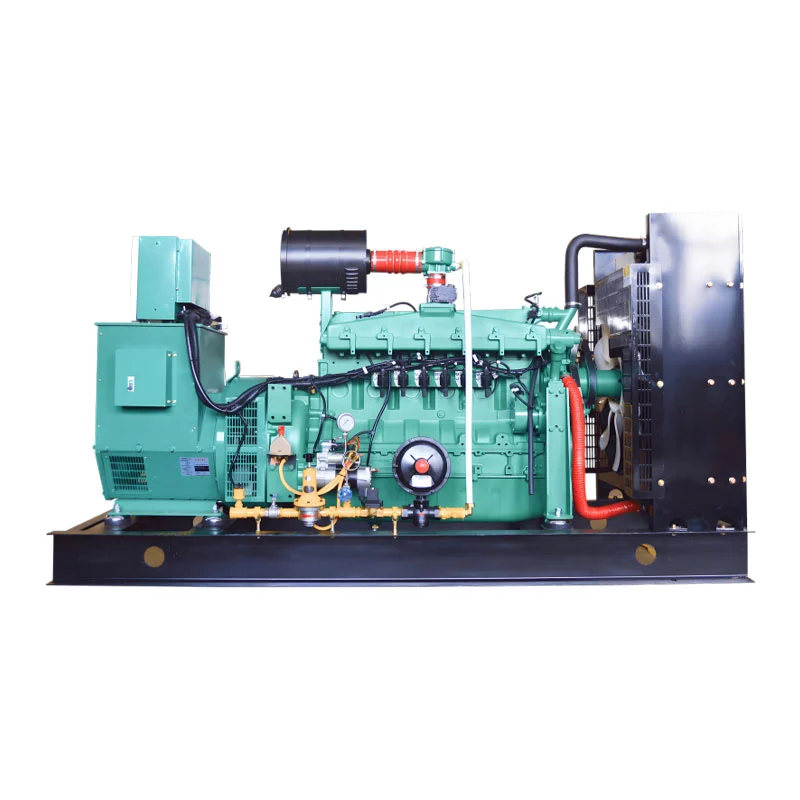
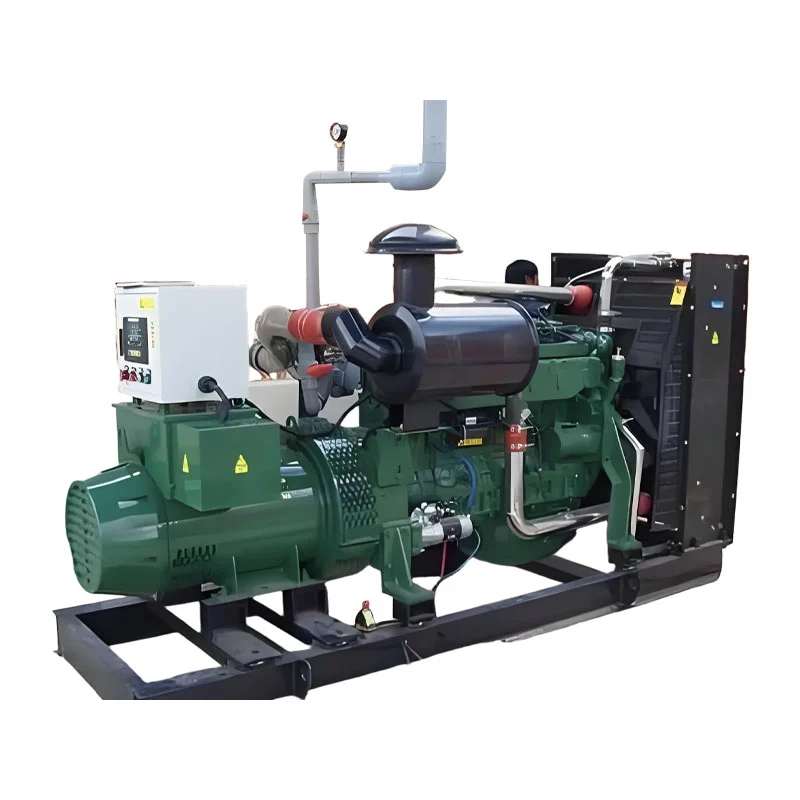
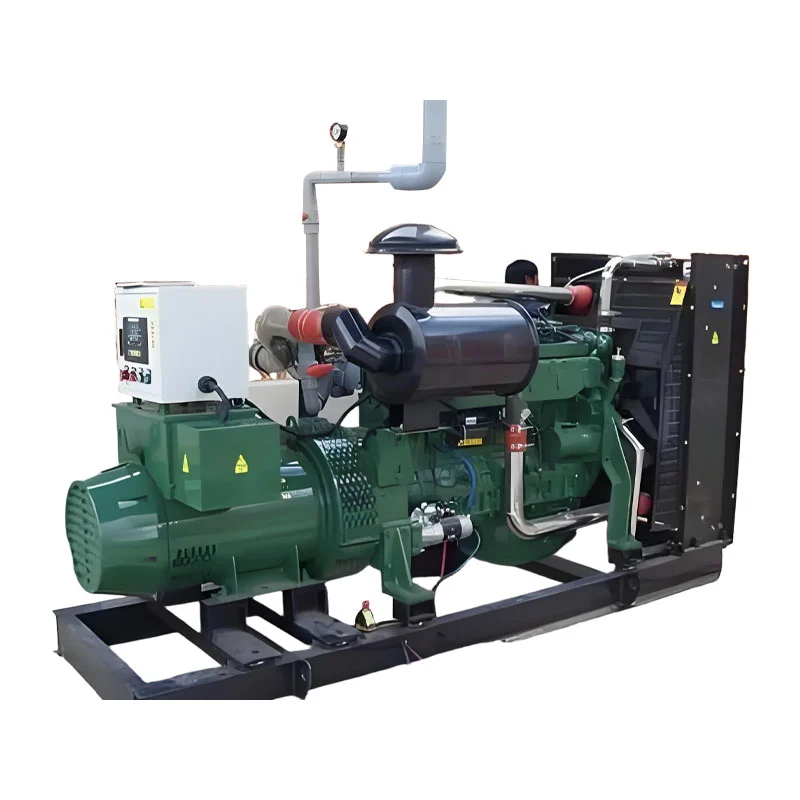
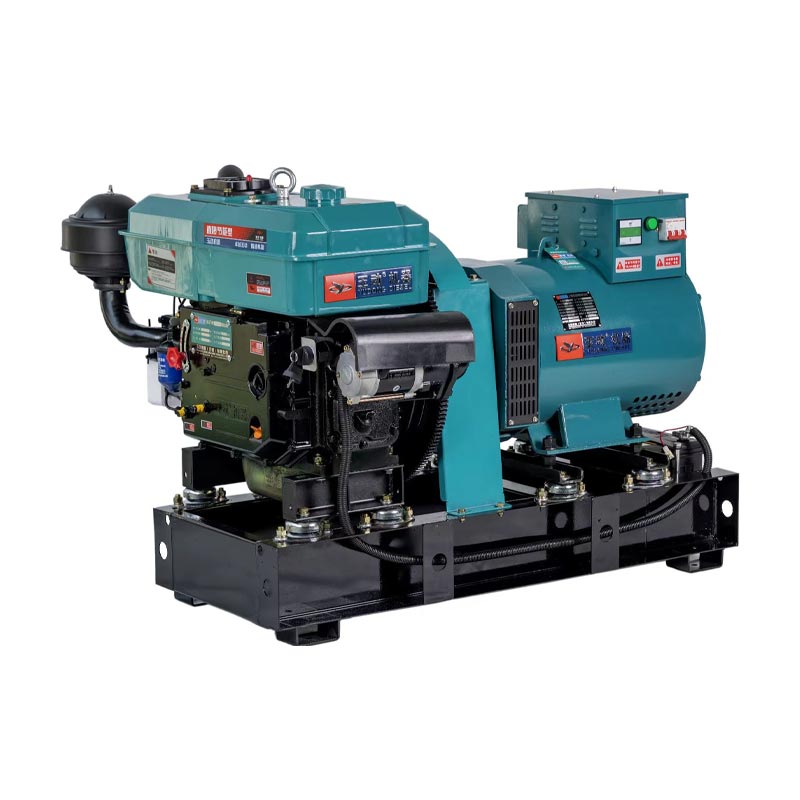
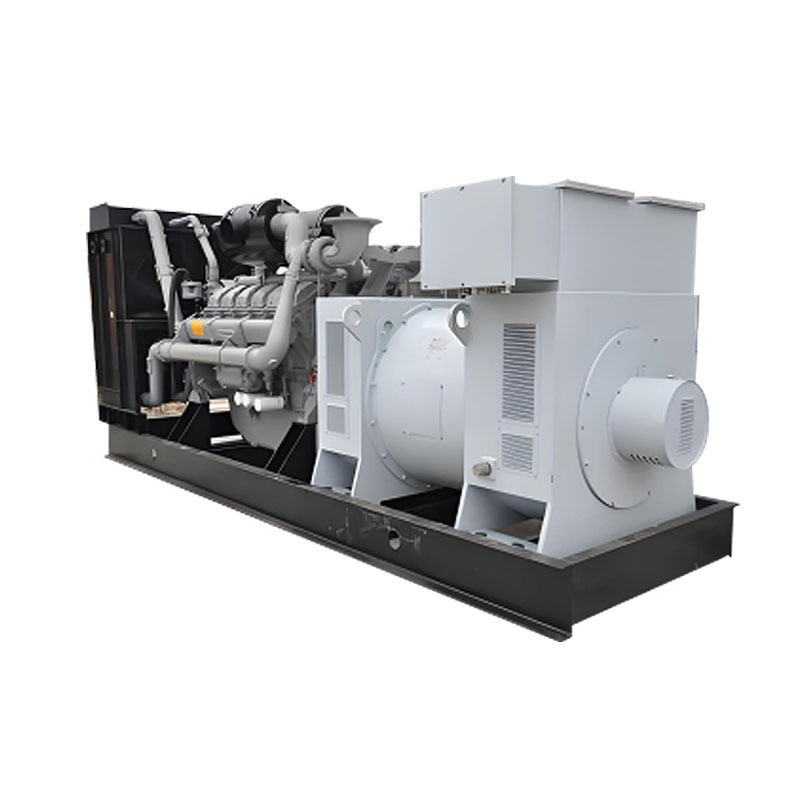
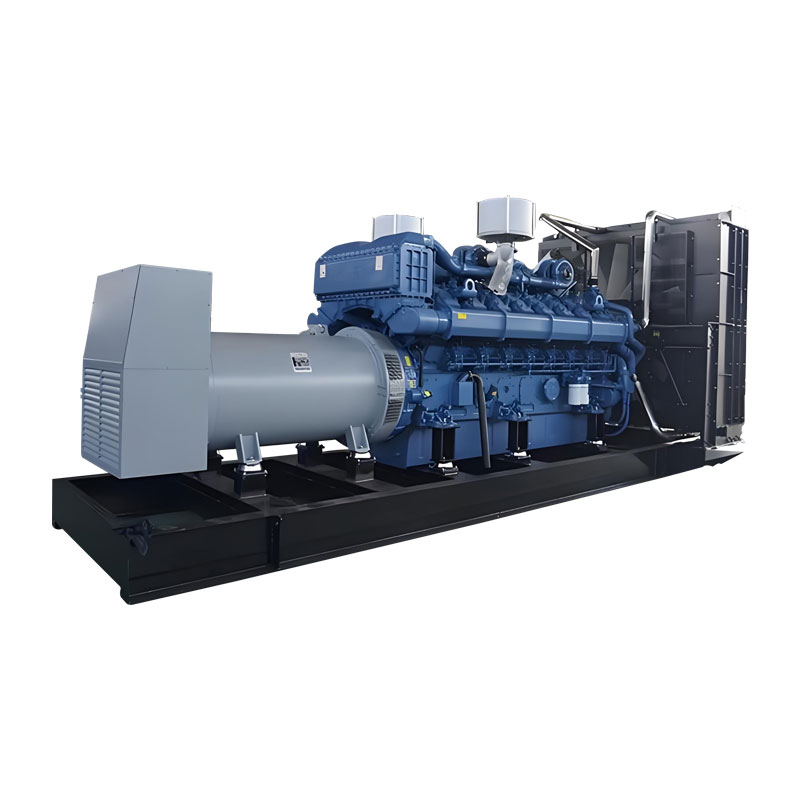
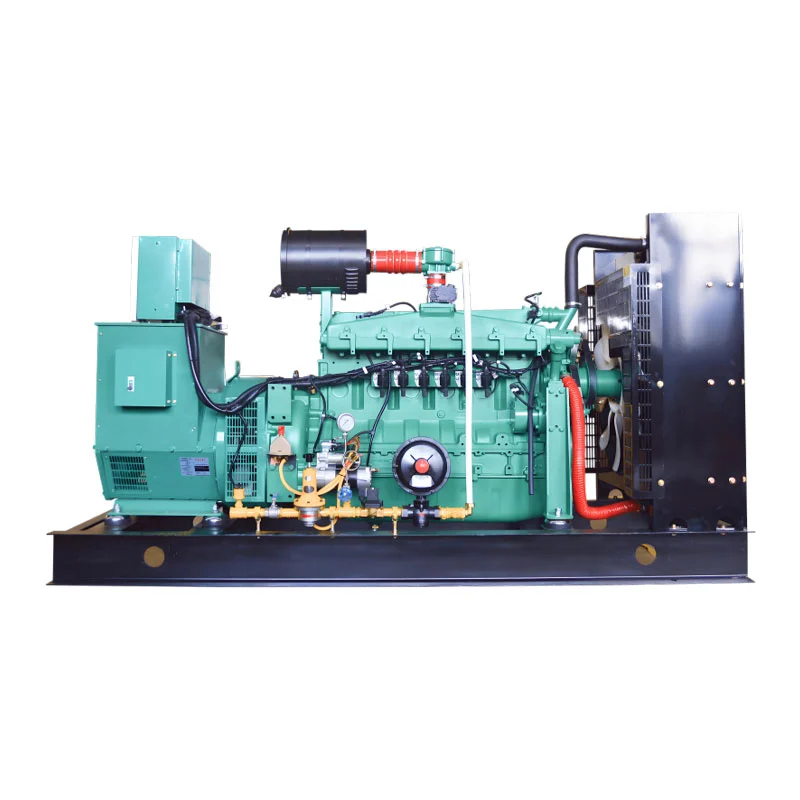
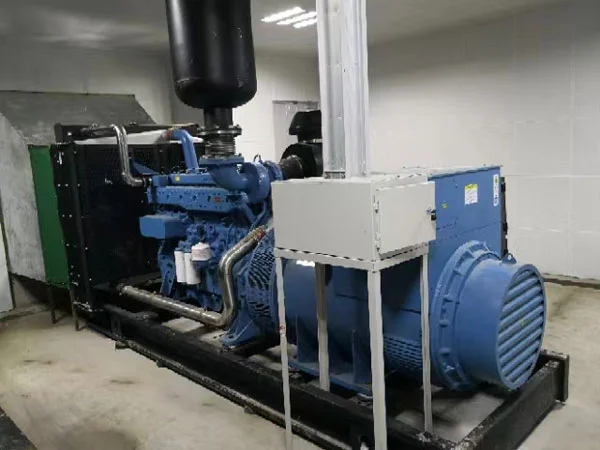
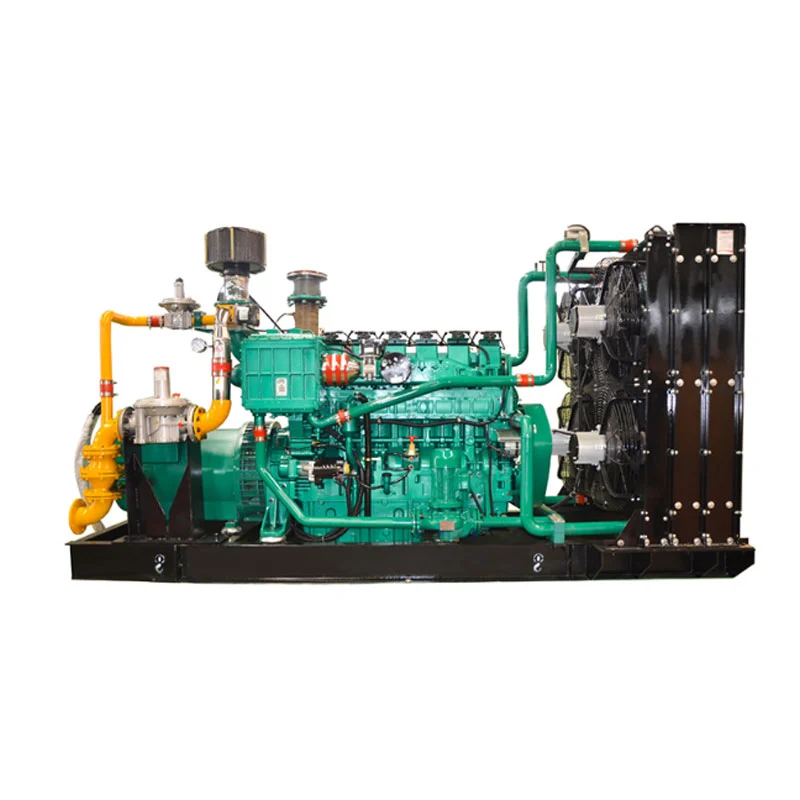
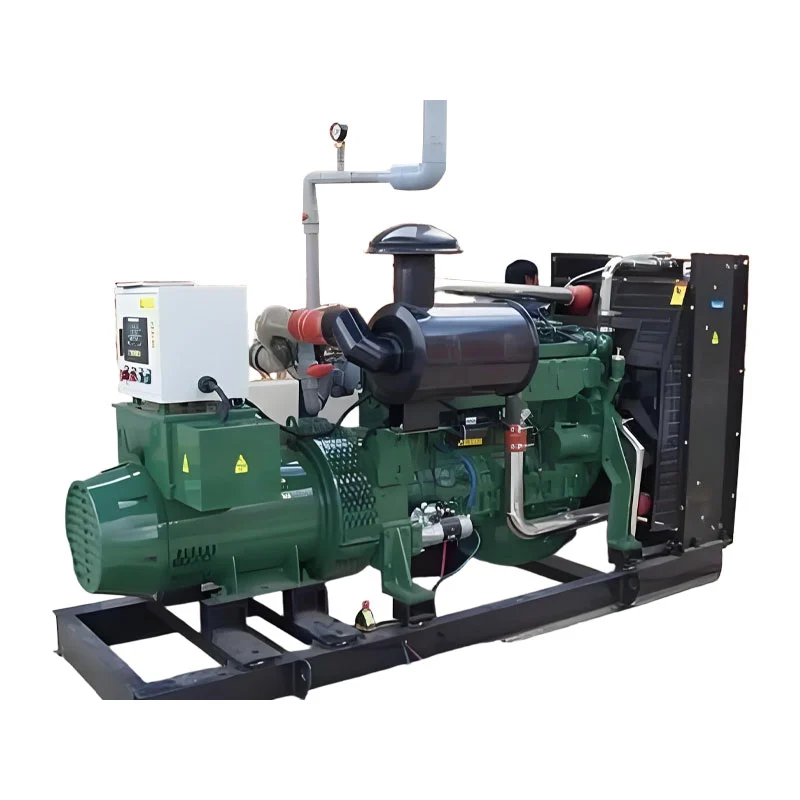
A Gas Generator system is typically an engine-driven generator set designed to produce electrical power using gaseous fuels such as natural gas, biogas, LPG (propane), or certain industrial byproduct gases (when properly treated). In most industrial and commercial environments, the system includes more than the generator itself:

  • Generator set (genset): engine + alternator + base frame.
  • Control system: start/stop logic, monitoring, alarms, protection.
  • Fuel train: regulators, filters, shutoff valves, safety devices.
  • Cooling and ventilation: radiator or heat-exchanger solution, airflow design.
  • Exhaust and silencing: piping, mufflers, insulation, safe discharge routing.
  • Electrical integration: ATS/switchgear, synchronization (if parallel), grounding.

If you treat the purchase as “just a machine,” you’re more likely to get surprise costs later. If you treat it as a complete power system, the project becomes predictable.


How Do You Select the Right Capacity and Configuration?

The most common pain point is oversimplified sizing. People often choose a unit based on “total nameplate load,” then discover the Gas Generator struggles during motor starts, compressor cycles, or simultaneous equipment ramp-up.

Use a three-step sizing approach:

  1. Map your load profile: identify base load (steady), variable load (cycling), and peak load (short spikes).
  2. Check starting currents: motors, pumps, HVAC compressors, and certain industrial tools demand high inrush.
  3. Decide your operating mode: standby (short runs), prime (long runs), or continuous applications with defined duty.

Configuration questions that change everything:

  • Single unit vs. multiple units: multiple smaller units can improve redundancy and match variable loads better.
  • Parallel operation: needed for load sharing, expansion planning, or critical uptime requirements.
  • Automatic transfer vs. manual: ATS is common for emergency backup; more advanced switchgear supports synchronization.

Quick decision table for common scenarios:

Scenario Typical Buyer Goal Recommended Direction Hidden Risk to Address Early
Hospital / data rooms Near-zero downtime Redundancy (N+1), ATS, remote monitoring Load testing plan + maintenance coverage
Factory with compressors Handle cycling and inrush Correct sizing + motor-start strategy Voltage dips during simultaneous starts
Remote site with gas supply Stable prime power Prime-rated operation + service planning Parts availability + operator training
Commercial building backup Simple standby power Standby configuration + ATS Ventilation and noise restrictions

Which Fuel Options Make Sense for Your Site?

Fuel selection is where many projects quietly fail—because “gas is gas” is not true in practice. A Gas Generator performs best when fuel pressure, composition, and cleanliness are stable and within the system’s requirements.

Fuel Type What Buyers Like Common Pain Point What to Verify Before Purchase
Natural Gas Reliable supply in many regions, clean burning Pressure fluctuations, local supply interruptions Supply stability, minimum pressure at peak demand
LPG (Propane) Good where pipeline gas is unavailable On-site storage logistics and refilling planning Tank sizing, evaporation rate, safety zoning
Biogas Cost advantage, sustainability goals Moisture, H2S, siloxanes causing corrosion or deposits Gas treatment plan, filtration/drying requirements
Industrial byproduct gas Turning waste into energy Variable composition and contaminants Lab analysis + conditioning system design

Practical checklist:

  • Confirm your available gas pressure at the generator inlet during worst-case demand.
  • Understand how gas composition changes by season, supplier, or process condition.
  • Plan for filtration, drying, and safety shutoff devices as part of the overall system.

What Installation Details Commonly Cause Delays or Failures?

Even a great Gas Generator can fail commissioning if site details were treated as “later problems.” These are the most common project blockers:

  • Ventilation design: insufficient airflow raises engine room temperatures and triggers derating or shutdown.
  • Exhaust routing: poor routing increases backpressure, heat risk, and noise complaints.
  • Foundation and vibration: weak foundations lead to alignment problems and premature wear.
  • Gas train layout: incorrect regulator sizing causes unstable combustion and fault trips.
  • Electrical integration: unclear ATS/switchgear scope leads to rework and delays.

A smoother approach: finalize the site plan before equipment arrives. That includes a clear equipment footprint, access space for maintenance, ventilation path, exhaust discharge position, and cable routing plan. This is where experienced suppliers can save you time—by reviewing drawings and catching conflicts early.


How Do You Protect Reliability Over the Long Term?

Reliability isn’t a feature you buy once—it’s a routine you design. Buyers often focus on initial purchase price, then discover their real cost is downtime, rushed repairs, or parts delays. If your Gas Generator is mission-critical, build reliability into your lifecycle plan:

  • Commissioning discipline: verify protection settings, alarms, and test procedures.
  • Preventive maintenance calendar: plan oil, filters, spark components, coolant checks, and periodic load testing.
  • Spare parts strategy: keep essential consumables on-site for fast response.
  • Operator training: the best equipment still suffers if daily checks are skipped or alarms are ignored.
  • Remote monitoring: trend data helps catch fuel/temperature/voltage issues early.

At Shandong Kecheng Electric Power Equipment Co., Ltd., we’ve seen that the strongest projects are the ones where buyers treat the generator system like an operational asset, not a one-time purchase. When service expectations, spare parts, and testing routines are agreed upfront, everything gets calmer after installation.


What About Emissions, Noise, and Local Compliance?

Many buyers choose a Gas Generator because they want a cleaner-burning alternative to certain liquid-fuel options. But “cleaner” still needs to align with local requirements. Compliance expectations vary by region and industry, so your safest path is to treat these items as design inputs—not afterthoughts:

  • Emissions expectations: confirm what your local authority or facility policy requires for exhaust control and reporting.
  • Noise limits: plan silencing, enclosure options, and exhaust discharge direction early—especially for urban sites.
  • Safety systems: gas detection, emergency shutoff logic, ventilation interlocks, and fire safety planning matter.
  • Testing rules: some sites must prove performance through scheduled load testing or documented inspections.

A buyer’s tip: ask suppliers to clarify what is included in their standard supply scope versus what is typically handled by the EPC/installer. Clear scope prevents unpleasant budget surprises.


What Should You Ask a Supplier Before You Buy?

Gas Generator

If you want fewer surprises, ask questions that reveal whether a supplier understands real operating conditions. Use this list as your pre-purchase filter for any Gas Generator proposal:

  • Load fit: “How does this configuration handle motor starts and cycling loads at my site?”
  • Fuel fit: “What inlet pressure range and gas quality limits should I plan for?”
  • Derating: “How do altitude, ambient temperature, and ventilation affect output?”
  • Scope clarity: “What exactly is included—ATS, switchgear, muffler, enclosure, commissioning?”
  • Service readiness: “What is the recommended maintenance plan, and what spares should we stock?”
  • Documentation: “Do you provide operation manuals, wiring diagrams, and commissioning checklists?”
  • Support: “How do you handle technical support during installation and after start-up?”

These questions don’t just protect you—they also help good suppliers build a better solution for your site.


FAQ

  • Is a Gas Generator suitable for both standby and continuous operation?
    Yes, but the configuration and duty expectations matter. Standby use typically involves short, infrequent runs, while prime/continuous applications require a stronger lifecycle plan for service, cooling, and load management.
  • What causes unstable performance in a Gas Generator?
    The most common causes are fuel pressure fluctuation, gas contamination (moisture or corrosive compounds), incorrect regulator sizing, poor ventilation, and load steps that exceed the system’s response capability.
  • Do I need special equipment for parallel operation?
    Typically yes. Paralleling requires synchronization controls and appropriate switchgear. It’s often chosen for scalability, redundancy, and smoother load sharing.
  • How can I reduce noise complaints?
    Start with a site plan: enclosure options, exhaust mufflers, discharge direction, and distance to sensitive areas. Noise control is easiest when included in the design phase.
  • What maintenance should I plan for?
    A practical plan includes routine inspections, oil and filter changes, cooling system checks, ignition component checks, and scheduled testing under load. Your supplier should provide a clear calendar and consumables list.
  • Can a Gas Generator help reduce energy costs?
    In some operating strategies, it can—especially when used for peak shaving or when gas pricing and operating hours make the total cost favorable. The key is modeling your load profile and real fuel conditions.

Next Steps

If you’re evaluating a Gas Generator for a new project or replacing an unreliable backup system, the fastest way to reduce risk is to start with your load profile and fuel reality, then match the system design to your site constraints. Share your operating mode, target runtime, load characteristics, and site conditions with a team that can translate them into a complete, workable solution.

Shandong Kecheng Electric Power Equipment Co., Ltd. supports customers with practical configuration guidance, system scope clarification, and project-ready documentation so your installation can move forward smoothly. If you want a proposal that fits your site instead of generic assumptions, contact us with your requirements and we’ll help you build a dependable power plan.

Related News
Leave me a message
X
We use cookies to offer you a better browsing experience, analyze site traffic and personalize content. By using this site, you agree to our use of cookies. Privacy Policy
Reject Accept