News

News

Why Is a Gas Generator the Smarter Choice for High-Run-Time Power?

2026-01-09 0 Leave me a message

Article Abstract

Choosing a Gas Generator sounds simple—until you start comparing fuel availability, load behavior, emissions limits, noise rules, maintenance realities, and the true cost of downtime. This guide breaks the decision into clear, buyer-friendly steps: what problems a gas unit solves best, what can go wrong (and how to prevent it), how to size and specify the right configuration, and what to demand from a supplier so commissioning is smooth and long-term operation stays predictable.


Outline at a glance

If you’re skimming, here’s the roadmap. Each section is designed to answer a buyer question that typically appears mid-procurement—right when quotes look similar but outcomes won’t be.

  • Define the job: prime power, standby, peak shaving, or combined heat and power.
  • Stabilize the fuel story: what gas you have, its quality, and how you’ll regulate it.
  • Protect reliability: load steps, harmonics, starting current, and controls integration.
  • Control lifetime cost: maintenance intervals, parts strategy, and serviceability.
  • Reduce compliance stress: ventilation, noise, exhaust aftertreatment (if needed), documentation.
  • Commission properly: testing, acceptance criteria, operator training, and monitoring.

The real pain points buyers face

Most buyers don’t wake up thinking, “I want a generator.” They wake up thinking, “I can’t afford another outage,” or “Fuel costs are eating my margin,” or “My site can’t pass inspection with the old setup.” A Gas Generator can be a strong answer—when it’s specified to match your reality.

Pain Point Downtime is more expensive than equipment

For factories, cold storage, data rooms, farms, and commercial buildings, even a short interruption can cause scrap, lost transactions, safety issues, or reputational damage. The “best” generator is the one that starts reliably, carries the load calmly, and stays maintainable for years.

Pain Point Fuel price volatility and logistics headaches

Diesel is widely used, but it also brings fuel storage concerns, deliveries, and long-term fuel conditioning. Gas options can reduce some of that logistical burden—especially where a stable gas supply exists.

Pain Point Emissions and noise limits are getting stricter

Many projects now require cleaner operation and quieter footprints, particularly near communities, campuses, or sensitive facilities. Gas-fueled solutions can help meet these requirements—provided the exhaust and enclosure design are done responsibly.

Pain Point “Same kW” doesn’t mean “same performance”

Two quotes can list the same power rating while behaving very differently during load steps, motor starts, or transient events. Controls, engine tuning, alternator sizing, and system integration are where reliability is won or lost.


What a gas generator is

Gas Generator

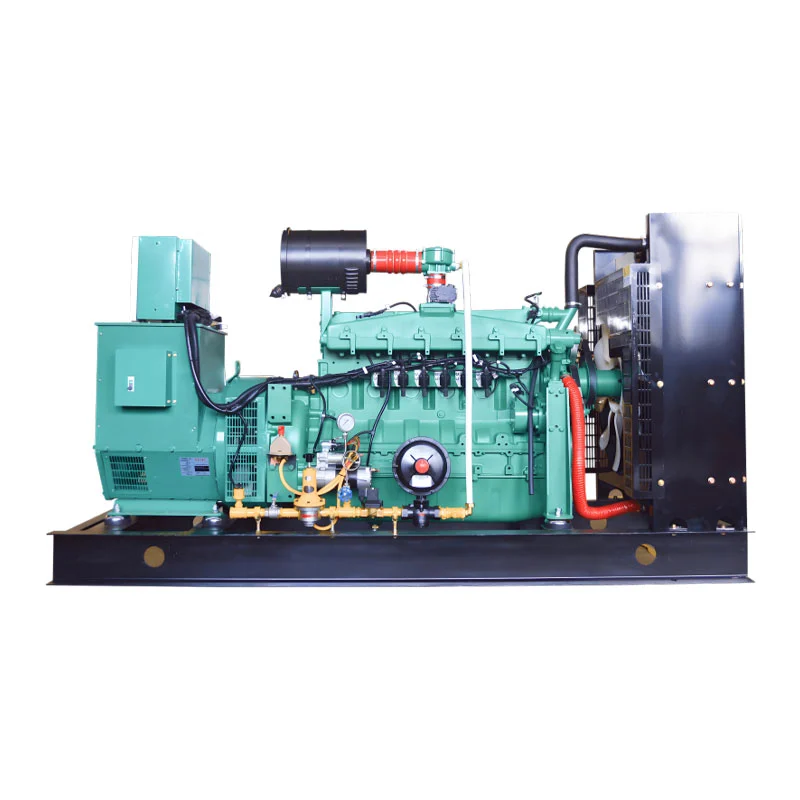
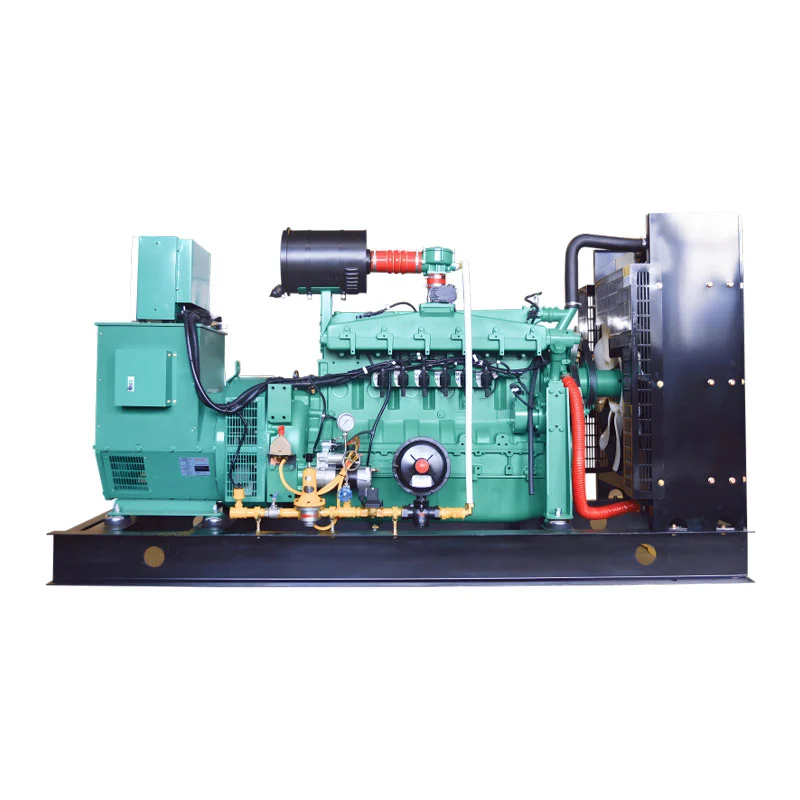
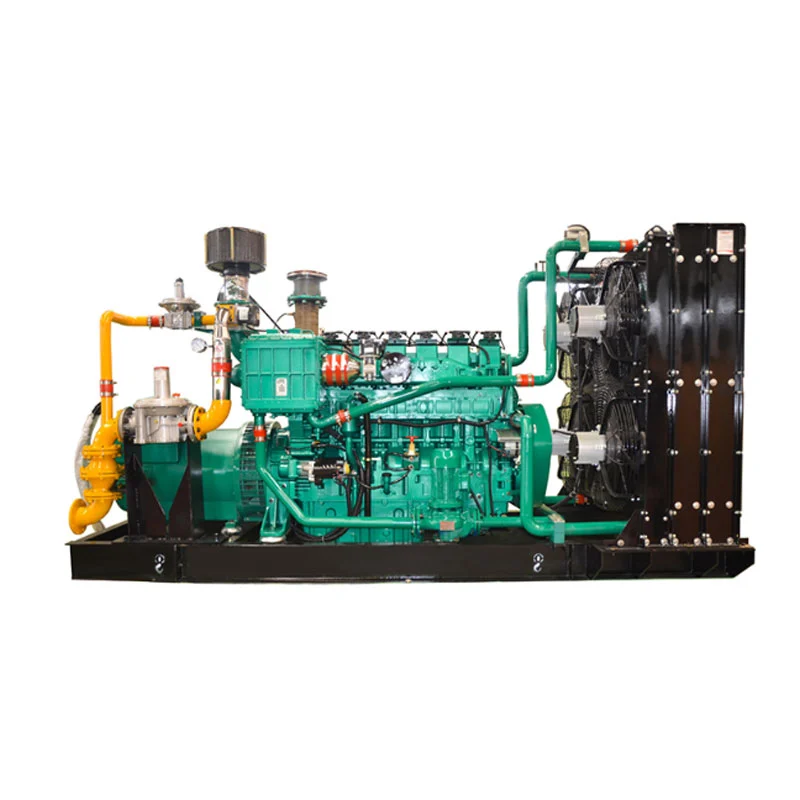
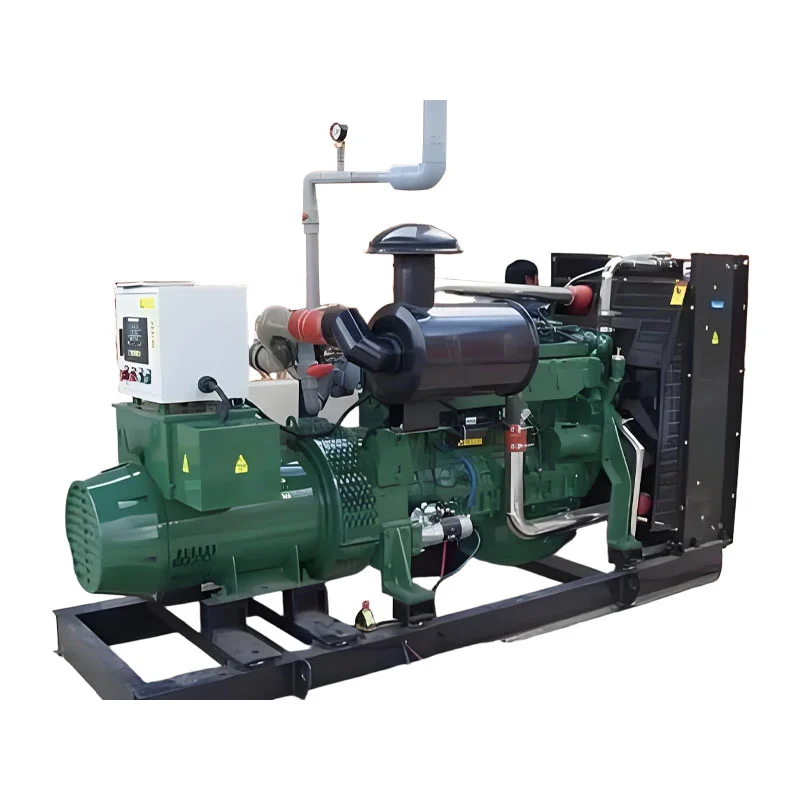
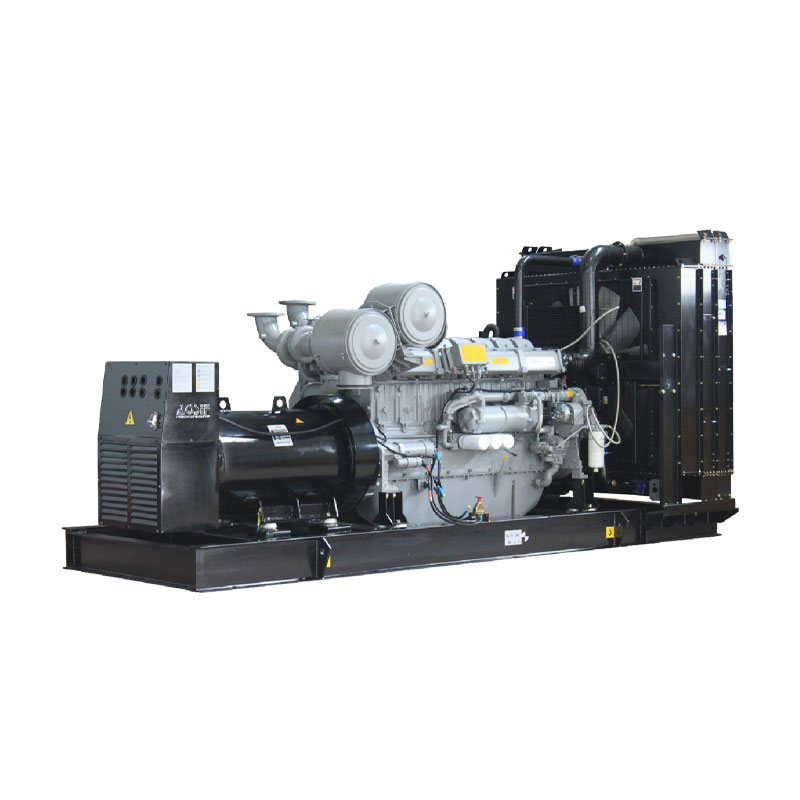
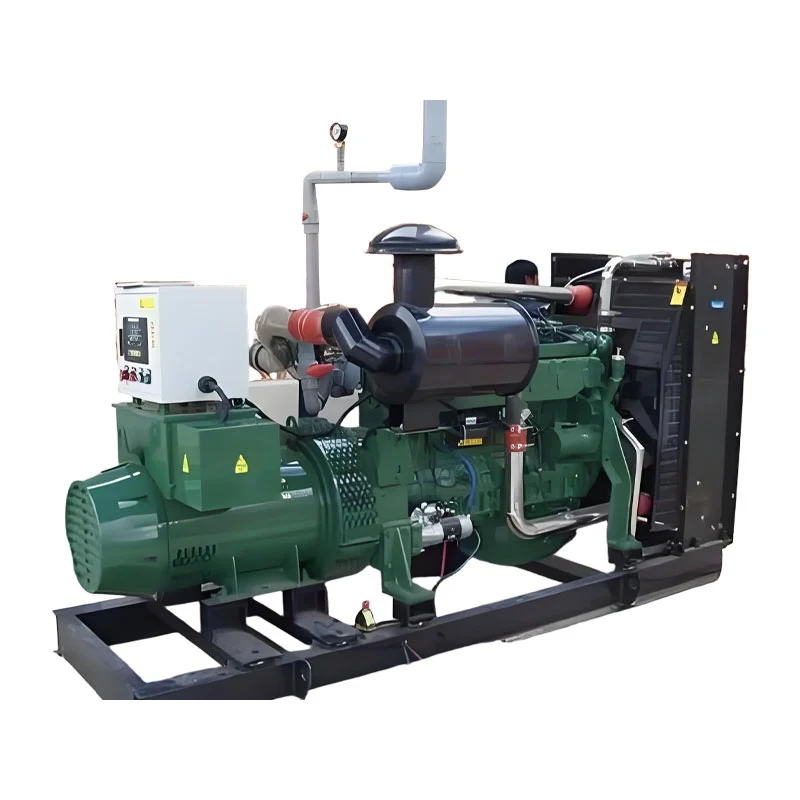
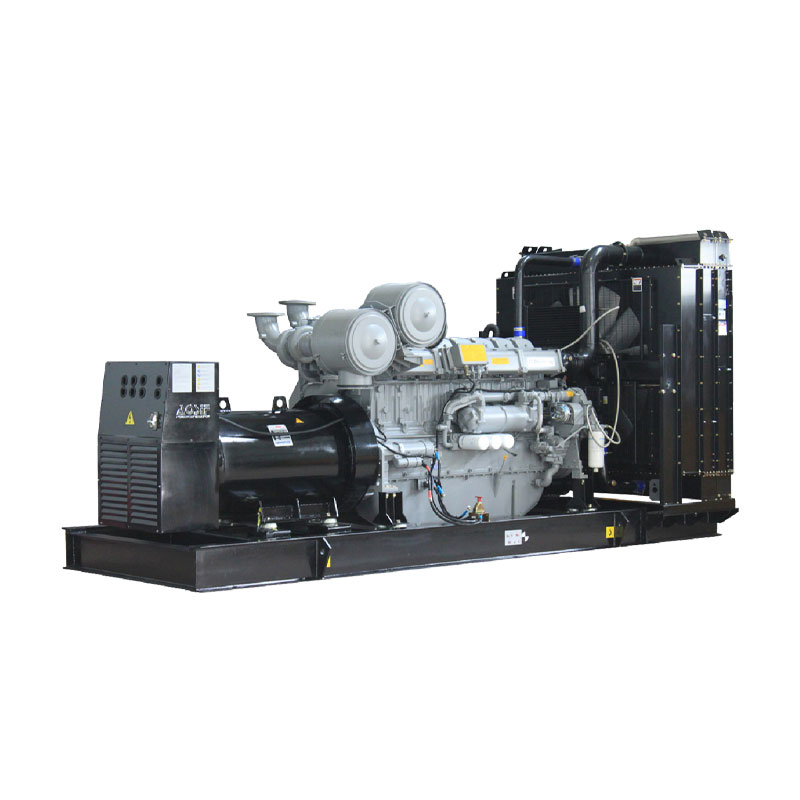
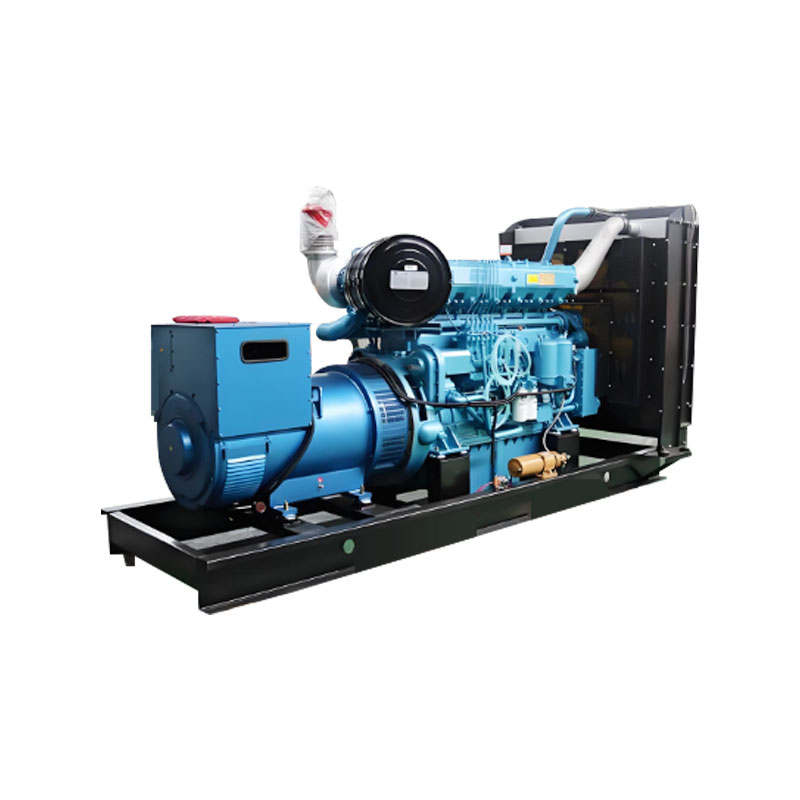
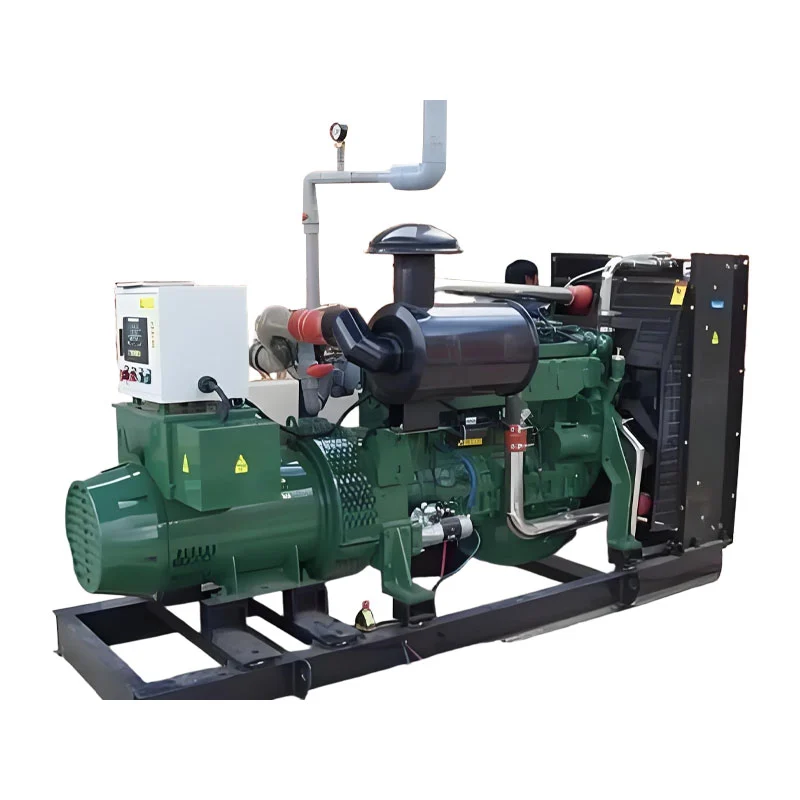
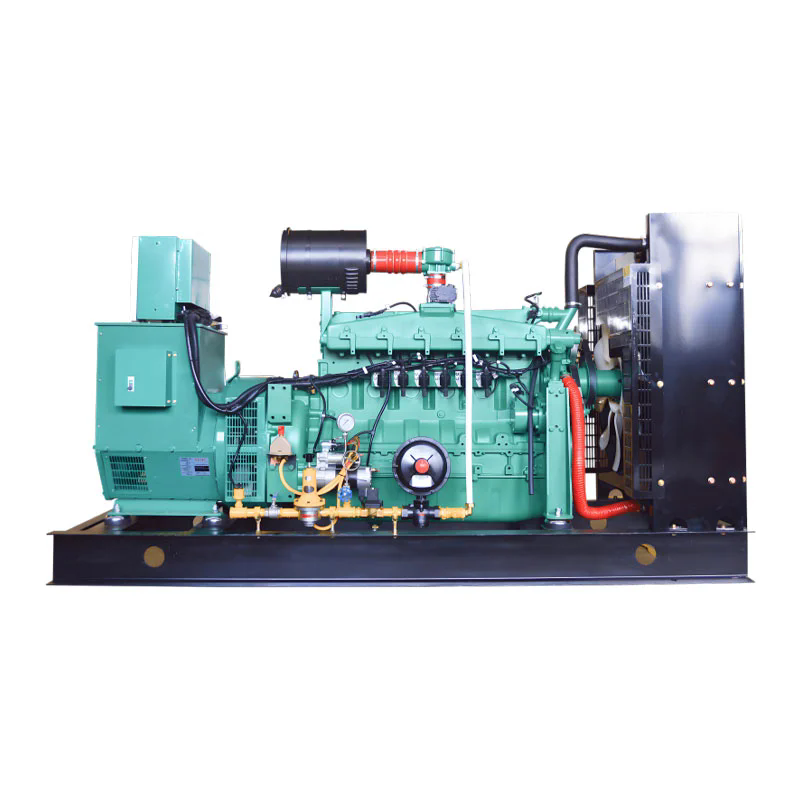
A Gas Generator converts gaseous fuel into electricity by using an internal combustion engine coupled to an alternator. The engine burns fuel such as natural gas, LPG/propane, biogas, or certain industrial byproduct gases (when properly treated), producing mechanical rotation that the alternator turns into electrical power.

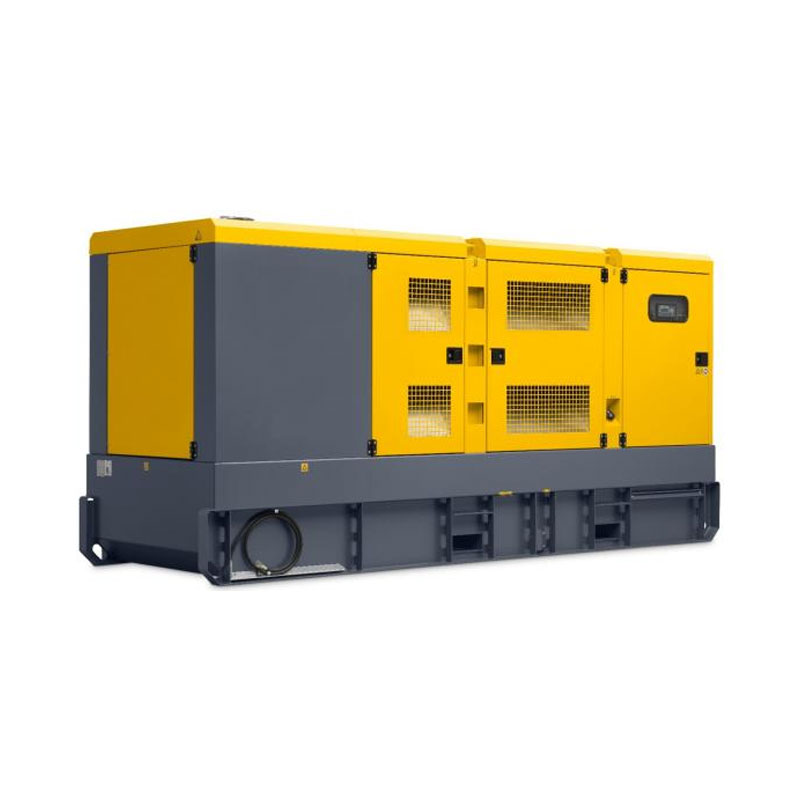
The part buyers often underestimate is everything around the “engine + alternator” core: fuel regulation, air intake, exhaust, cooling, controls, protection, enclosure, and switchgear integration. Those “support” elements are what make the unit dependable in the real world.


Where gas power fits best

Gas solutions tend to shine in situations where run-hours are significant or where fuel logistics need to be simplified. Below are common matches. Use these as decision cues rather than rigid rules.

  • Facilities with consistent gas access: sites with reliable natural gas or managed LPG supply can reduce refueling complexity.
  • High run-time operations: prime/continuous duty or frequent standby operation where operating cost matters daily.
  • Projects with stricter local constraints: locations prioritizing cleaner operation and manageable sound levels.
  • Waste-to-energy or byproduct gas use: farms, landfills, wastewater plants, and industrial sites converting gas into usable power.
  • Remote industrial sites: certain oil & gas or mining operations using on-site gas resources (with correct treatment and safety systems).

If your primary concern is extremely fast fuel independence with minimal site gas infrastructure, diesel may still be considered—but the tradeoffs should be quantified, not assumed.


Selection checklist that prevents expensive mistakes

If you only copy one section into your purchasing notes, make it this one. These checkpoints catch the issues that usually appear after delivery (when fixing them is slow and expensive).

1) Define the duty clearly

  • Standby: occasional operation during outages or tests.
  • Prime: regular operation supplying major loads.
  • Continuous: long run-hours with stable base load.
  • Parallel/microgrid: running with other generators, grid, or storage.

2) Confirm your fuel reality (not just the name of the fuel)

  • Supply stability: expected pressure range, seasonal changes, and contingency planning.
  • Fuel quality: moisture, contaminants, and whether filtration/treatment is required.
  • Regulation system: sizing of regulators, valves, safety shutoffs, and monitoring.

3) Match the generator to your electrical behavior

  • Load steps: How big are your sudden load increases (e.g., compressors, pumps, elevators)?
  • Motor starting: across-the-line starts can create deep voltage dips; soft starters/VFDs may be recommended.
  • Harmonics: data rooms and drives can distort waveforms; alternator and controls must tolerate it.
  • Critical loads: define what must be supported immediately vs. staged on with load-shedding logic.

4) Demand maintainability, not just “rated power”

  • Service access: can technicians reach filters, plugs, sensors, and belts without dismantling the enclosure?
  • Parts plan: what’s included, what’s recommended on-site, and typical lead times.
  • Monitoring: alarms, trends, and remote diagnostics to catch problems before failure.

5) Ask for a commissioning and acceptance plan

  • Test protocol: load bank test, protection checks, and transfer sequence verification.
  • Training: operator handover, maintenance schedule, and emergency procedures.
  • Documentation: drawings, manuals, and compliance paperwork aligned to your project needs.

Comparison table: gas vs. diesel vs. grid + storage

This table is intentionally practical. It doesn’t crown a universal winner—it highlights the tradeoffs that actually show up in operations.

Option Where it tends to win Common buyer concerns How to de-risk
Gas Generator High run-time sites, cleaner operation goals, projects with stable gas access, byproduct gas utilization. Gas pressure/quality variability, integration complexity, sizing for load steps, fuel safety requirements. Fuel conditioning and regulation design, staged loading, proper controls, robust commissioning and monitoring.
Diesel Generator Simple standby deployment, rapid fuel independence, widely familiar field service ecosystem. Fuel storage and aging, delivery logistics, higher visible emissions/noise in some contexts, operating cost for high hours. Fuel management plan, sound attenuation, emissions strategy where required, scheduled testing and conditioning.
Grid + Storage Short-duration ride-through, power quality smoothing, peak support, silent operation in many cases. Limited duration for long outages, capacity planning, lifecycle and replacement planning, integration design. Define outage duration targets, hybrid architecture (generator + storage), clear controls logic, maintenance plan.

Many modern projects use a hybrid approach: storage for immediate ride-through and power quality, plus a generator for long-duration resilience.


Deployment and commissioning best practices

Gas Generator

A generator doesn’t fail on paper. It fails when ventilation is undersized, when gas pressure drops during peak demand, when load is applied too aggressively, or when controls aren’t aligned with transfer gear. Here are practical guardrails.

Site design essentials

  • Ventilation and heat rejection: confirm airflow paths, temperature limits, and clearance for maintenance.
  • Exhaust routing: safe discharge, suitable materials, and consideration for nearby air intakes.
  • Noise control: enclosure strategy, muffler selection, and siting away from sensitive boundaries.
  • Fuel safety: leak detection (where applicable), shutoff valves, and compliant piping practices.

Controls and transfer integration

  • Transfer sequence clarity: start signal, warm-up, transfer, retransfer, cool-down, and alarms.
  • Load management: staged pickup and optional non-critical load shedding to avoid overload events.
  • Monitoring: trending key data points (oil pressure, coolant temperature, voltage/frequency stability, fuel pressure).

Commissioning that actually proves readiness

  • Load bank test: validate performance across a range of loads and confirm stable electrical output.
  • Protection checks: verify breaker and control protection settings align with your distribution system.
  • Documented acceptance criteria: define pass/fail thresholds before the test begins.
  • Operator training: basic fault response and routine inspection tasks reduce downtime later.

What to expect from a serious manufacturer

When you’re buying mission-critical power, the best supplier isn’t just shipping hardware—they’re helping you avoid the hidden risks that cause delays, cost overruns, and operational surprises. A capable manufacturer should support you across specification, integration, and after-sales.

This is where a company like Shandong Kecheng Electric Power Equipment Co., Ltd. can matter—not only for the generator set itself, but also for the system-level support that buyers need:

  • Configuration guidance: selecting fuel adaptation, alternator sizing, enclosure strategy, and controls to match your site.
  • Application fit: aligning the unit with your operating mode (standby/prime/continuous/parallel).
  • Documentation readiness: manuals, drawings, and commissioning guidance that don’t leave contractors guessing.
  • Service strategy: recommended spares list, maintenance planning, and troubleshooting support.
  • Customization options: voltage/frequency, switchgear pairing, monitoring interfaces, and environmental adaptations.

If a supplier cannot clearly answer how they handle fuel variability, load steps, and commissioning acceptance tests, treat that as a risk signal— even if the quoted price looks attractive.


FAQ

Is a gas generator only for sites with a natural gas pipeline?

Not necessarily. Many projects use managed LPG/propane supply, and some facilities use treated biogas or other available gaseous fuels. The key is designing the fuel regulation and safety system to match your fuel source and its expected variability.

What’s the biggest mistake buyers make when sizing a gas generator?

Sizing only to “total kW” without analyzing load steps and motor starting behavior. A unit can look adequate on paper and still struggle in real operation if large loads slam on at once. Staged loading and proper alternator/control selection usually solve this.

Will a gas generator handle sensitive loads like IT rooms and control systems?

Yes—when configured correctly. For sensitive loads, pay attention to voltage/frequency regulation, harmonic tolerance, grounding strategy, and the transfer/UPS coordination plan. Monitoring and commissioning tests should explicitly validate performance for those loads.

How do I reduce the risk of start failures during an outage?

Build reliability into the system: healthy batteries, regular test schedules, clean airflow paths, stable fuel pressure, correct alarms, and a documented transfer sequence. A proper acceptance test with load bank verification is also a strong predictor of real readiness.

What should I ask for in a quotation besides power rating?

Request details on duty rating, controls functions, enclosure/noise strategy, fuel adaptation components, monitoring options, recommended spares, commissioning scope, documentation package, and the service plan. Those items often determine the real project outcome.


Conclusion

A Gas Generator is most valuable when it’s treated as a system decision—not a catalog purchase. When fuel reality, load behavior, site constraints, and commissioning discipline are handled upfront, gas power can deliver dependable electricity with predictable operating costs and less operational friction.

If you’re comparing configurations or want a faster path to a correct specification, reach out to Shandong Kecheng Electric Power Equipment Co., Ltd. with your load list, operating mode, fuel type, and site conditions—then let the engineering details get solved before your project schedule gets stressed.

Ready to move from “maybe” to a buildable plan? contact us and tell us your target power, voltage, run-hours, and fuel source.

Related News
Leave me a message
X
We use cookies to offer you a better browsing experience, analyze site traffic and personalize content. By using this site, you agree to our use of cookies. Privacy Policy
Reject Accept