News

News

Why Is a Biogas Generator the Smartest Way to Turn Waste Into Power?

2026-01-06 0 Leave me a message

Abstract: A Biogas Generator can look deceptively simple—feed gas in, get electricity out. In real projects, buyers run into the same frustrations: unstable gas quality, low output, frequent alarms, hard starts, corrosion, and “mystery downtime” that ruins payback. This guide breaks the process into practical decisions you can control: right-sizing, gas cleaning, engine protection, controls, maintenance planning, and safety. You’ll also get tables and checklists you can hand to your team so the system performs reliably from day one.


Outline

  1. Define your goal: baseload power, peak shaving, standby, or export.
  2. Measure biogas: flow, methane, and contaminants over time (not just one day).
  3. Choose capacity and redundancy: one unit vs. multiple modules.
  4. Design gas cleaning: moisture removal, H2S control, filtration, and safety devices.
  5. Plan for heat and power use: electrical integration, cooling, and optional heat recovery.
  6. Lock in O&M: training, parts, service intervals, and monitoring.

What a Biogas Generator Really Does (and What It Doesn’t)

Biogas Generator

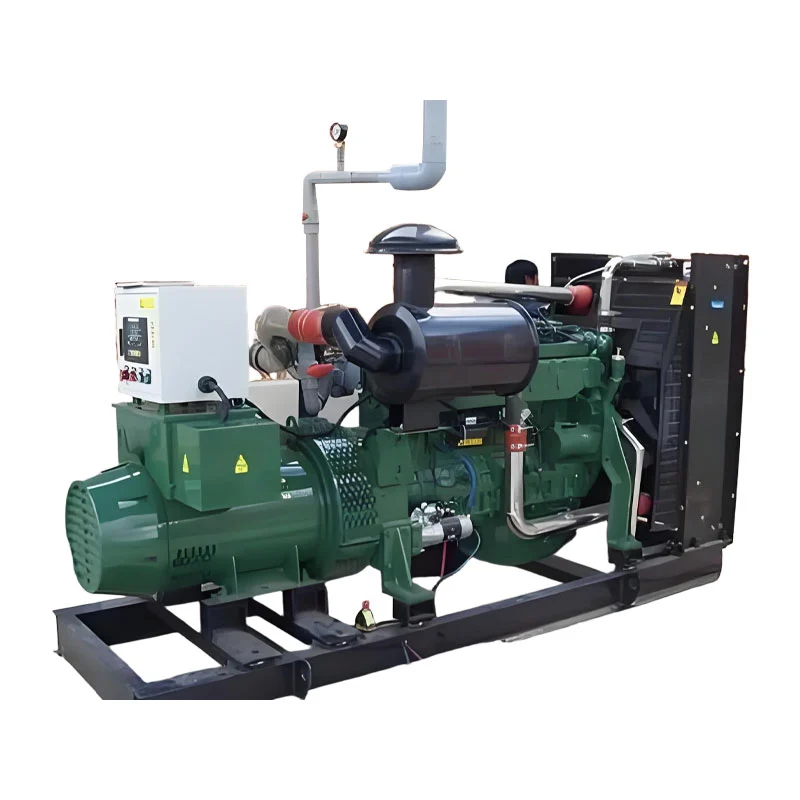
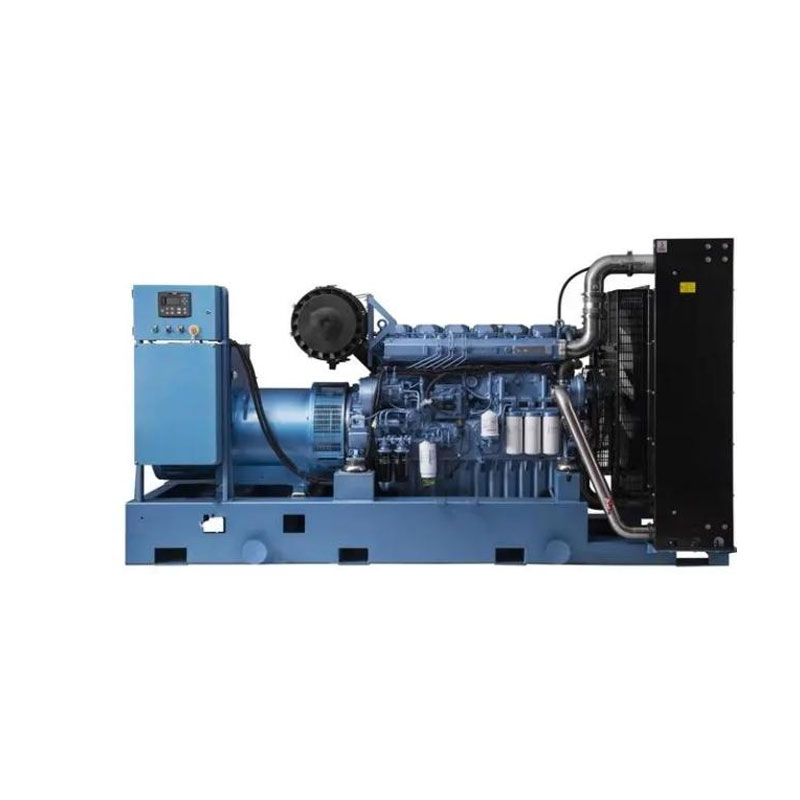
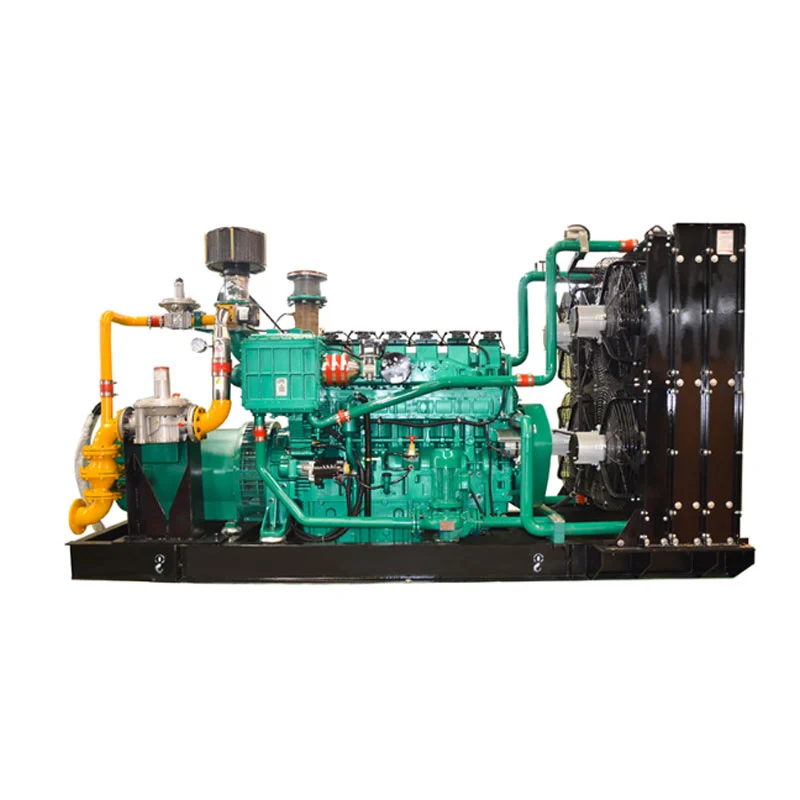
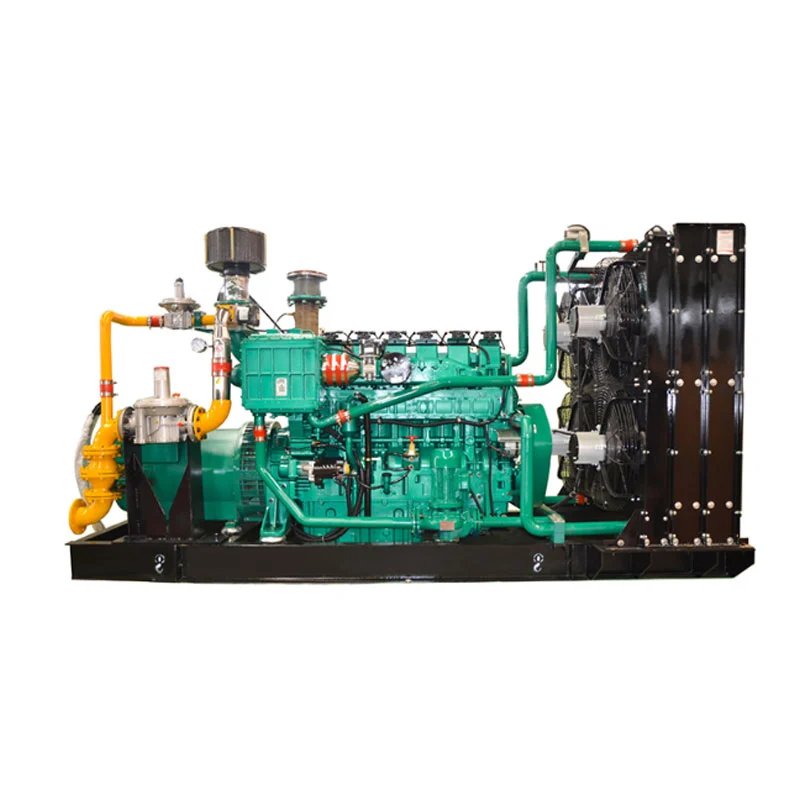
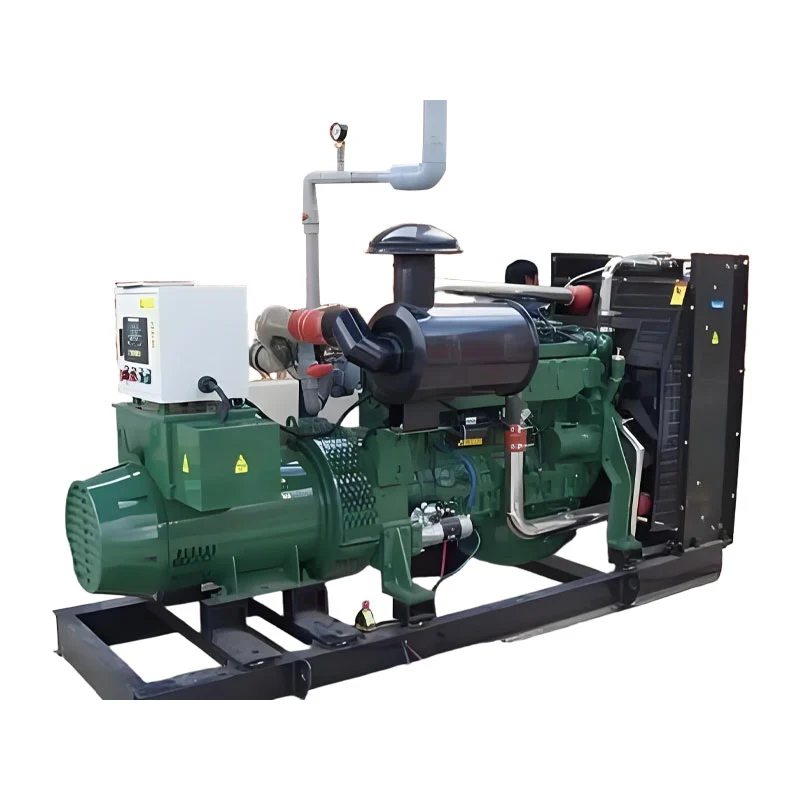
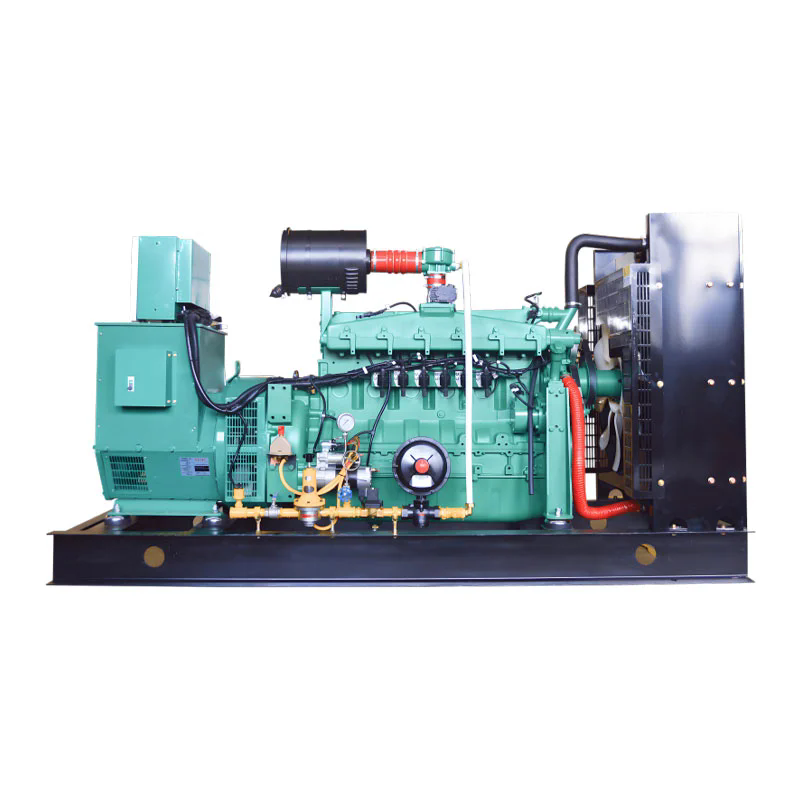
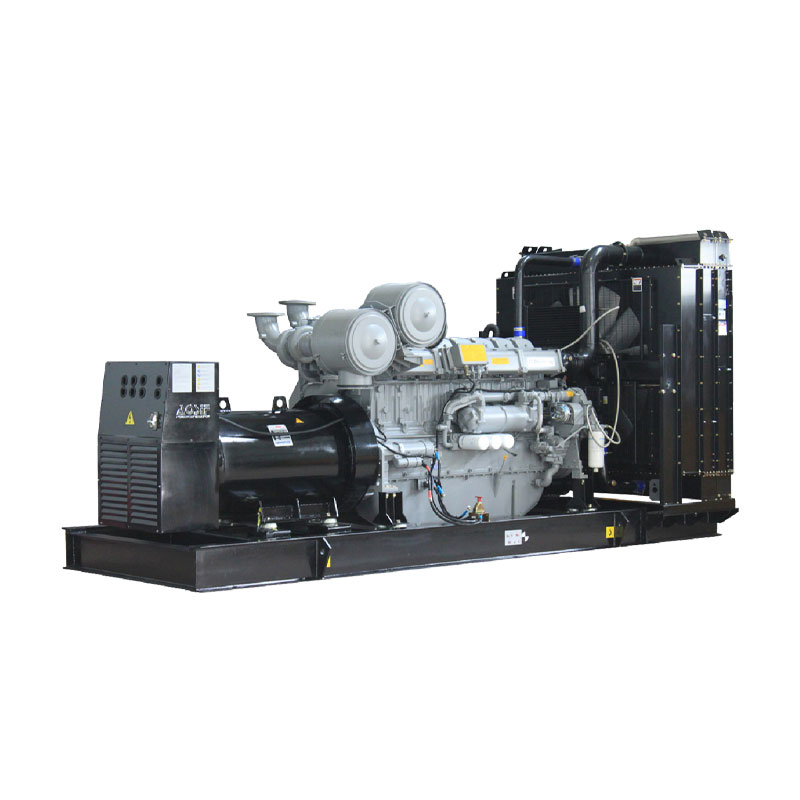
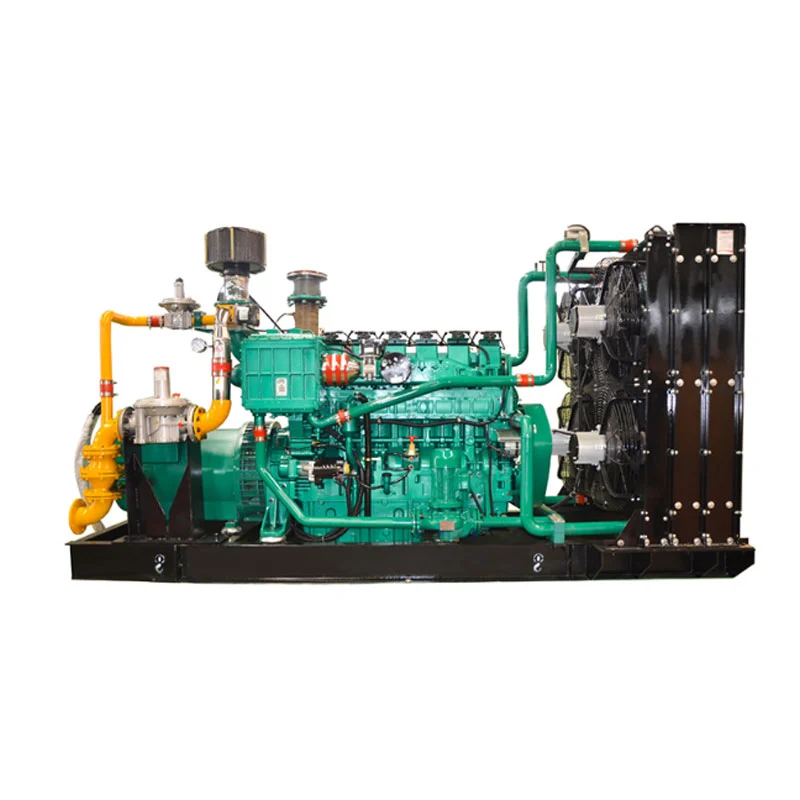
A Biogas Generator converts the chemical energy in biogas into electricity using an engine-driven alternator (or in some setups, microturbines). The good news: it can turn unavoidable waste streams—manure, food waste, wastewater sludge, organic residues—into a reliable on-site power source.

The less glamorous truth: the generator is only as “steady” as the gas you feed it. Biogas is not pipeline-quality fuel. It fluctuates with temperature, feedstock, digester biology, and maintenance practices. That’s why many underperforming projects aren’t “bad generators”—they’re mismatched systems where gas treatment, sizing, and operations weren’t engineered as one package.

Quick reality check: If your gas flow and methane concentration vary a lot, your electrical output will vary too—unless you add storage, smart controls, and proper gas conditioning.


Common Buyer Pain Points and Straight Answers

  • Pain point: “My output is lower than expected.”
    What usually causes it: Overestimated methane %, underestimated parasitic loads (blowers/pumps), insufficient gas pressure stability, or restrictive filtration causing pressure drop.
  • Pain point: “The engine alarms or knocks when gas quality changes.”
    Fix direction: Improve moisture removal, stabilize methane %, tune ignition/air-fuel control for biogas, and ensure contaminant limits are met consistently—not occasionally.
  • Pain point: “Too much maintenance and unplanned shutdown.”
    Fix direction: Install the right gas cleaning, use a maintenance schedule matched to your contaminant profile, and stock the parts that actually stop downtime (filters, sensors, ignition parts).
  • Pain point: “Corrosion everywhere.”
    Fix direction: Control H2S and moisture, choose corrosion-resistant materials for piping sections, and prevent condensate pooling with correct slopes and drains.
  • Pain point: “Integration is messy—my electrician hates it.”
    Fix direction: Define your electrical mode early (island, parallel, export), plan protection/ATS/synchronization, and document the interface clearly.

Sizing and Site Planning Without Guesswork

Buying the biggest unit you can afford is a classic way to get a generator that “never reaches rated power.” A better approach is to size around the lowest dependable gas supply, then add redundancy or storage if you want higher peak output.

Decision Area What to Collect What It Prevents
Gas flow stability Hourly/daily flow trend for at least 2–4 weeks Oversizing and frequent load shedding
Methane percentage Range, average, and worst-case dips Unexpected power drop and poor combustion
Contaminants Moisture, H2S, siloxanes (if relevant), particulates Corrosion, deposit buildup, sensor failure
Electrical objective Baseload vs. variable demand; grid-parallel vs. island Wrong controls/protection and unstable operation
Heat management Ambient temperature, ventilation, cooling approach Overheating trips and derating

Site planning matters more than people expect. A well-designed installation reduces cable runs, improves ventilation, keeps maintenance access safe, and avoids “small” issues like condensate freezing or drains being impossible to reach.

Rule of thumb thinking (not a substitute for engineering): If your biogas supply has big daily swings, consider either multiple smaller units or a gas buffer strategy. That way, one fluctuation doesn’t knock out your whole power plan.

Procurement tip: Ask for a clear operating window: acceptable methane %, minimum inlet pressure, allowed H2S range, and what happens when you exceed it (alarm? derate? shutdown?).


Gas Quality and Treatment That Protects Your Engine

Most painful generator problems trace back to gas conditioning. Biogas carries moisture and impurities that vary by feedstock and process. If you treat gas cleaning as optional, you’re effectively accepting higher downtime as a “feature.”

Key elements you should evaluate:

  • Moisture removal: Cooling/condensation, knock-out pots, drains, and correct piping slopes to keep water from reaching the engine.
  • H2S control: Protects metal surfaces and reduces acid-forming corrosion in the system.
  • Filtration: Removes particulates that foul valves, sensors, and turbo components.
  • Pressure regulation: Stable inlet pressure improves combustion stability and reduces nuisance trips.
  • Safety devices: Flame arrestors, relief valves, gas detection integration where required, and robust emergency shutdown logic.

Buyer mindset shift: Don’t ask “Can the generator run on my biogas?” Ask “What gas cleaning and limits does the generator need to run predictably for years?” That’s where project success lives.


Reliability, Maintenance, and Spare Parts Strategy

Reliability is not a vibe—it’s a plan. If your goal is continuous on-site power, you need (1) predictable service intervals, (2) easy access for maintenance, and (3) the right spares on the shelf. The worst outcome is waiting days for a low-cost part while your whole facility buys expensive electricity from elsewhere.

Maintenance Area Typical Actions Failure Risk If Ignored
Filtration & drains Replace filters, verify pressure drop, drain condensate Power loss, sensor errors, corrosion
Ignition & tuning Inspect ignition components, check combustion stability Misfire, knock, unstable output
Lubrication & oil analysis Oil changes, sampling based on contaminant load Accelerated wear, costly engine damage
Cooling and ventilation Clean radiators, verify airflow, inspect belts/hoses Overheating trips, derating
Controls and alarms Review logs, calibrate sensors, test shutdown routines Nuisance trips, unsafe operation

Spare parts that commonly reduce downtime the most:

  • Gas filters and filter elements (with enough stock for your expected replacement rate)
  • Key sensors (pressure, temperature, oxygen/air-fuel related sensors if used)
  • Ignition components and consumables
  • Belts/hoses and common electrical protection items

Safety and Operational Discipline

Biogas is combustible and can displace oxygen in confined spaces. Safety isn’t a paperwork exercise—it’s how you avoid the kind of incident that stops a project permanently. Your safety strategy should combine engineering controls with routines people actually follow.

  • Ventilation and access: Keep air movement sufficient and ensure maintenance routes are unobstructed.
  • Condensate management: Prevent pooling, freezing, and backflow—especially in seasonal climates.
  • Emergency shutdown readiness: Make E-stop locations obvious and test them during commissioning.
  • Leak awareness: Build simple walkdown checks into daily operations and respond fast to odor or pressure anomalies.
  • Training: A short, repeatable checklist beats a 100-page manual nobody opens.

Important: Local regulations and site conditions vary. Always have qualified professionals review the design, installation, and commissioning plan for your facility.


Performance and Economics Drivers

Projects win when they keep running. That’s the unglamorous secret. Even small efficiency losses are less damaging than frequent shutdowns. If you’re evaluating offers, compare not only rated output, but also operating limits, gas conditioning requirements, and what “normal” maintenance looks like in writing.

Driver What to Look For Why It Matters
Availability Clear service interval plan, remote monitoring readiness More run-hours usually beats small efficiency differences
Gas conditioning cost Upfront equipment + consumables forecast Underbudgeting here becomes downtime later
Integration scope ATS/synchronization/protection boundaries Reduces commissioning delays and disputes
Service responsiveness Parts lead time, troubleshooting process, training support Shortens outages and protects ROI

How Shandong Kecheng Electric Power Equipment Co., Ltd. Supports Real-World Projects

For many buyers, the toughest part isn’t choosing a generator—it’s making sure the whole system behaves predictably in real operating conditions. Shandong Kecheng Electric Power Equipment Co., Ltd. focuses on practical project execution: helping teams define operating targets, align equipment selection with the actual gas profile, and plan installation details that prevent avoidable downtime.

When you evaluate a biogas power solution, prioritize suppliers who can discuss your gas stability, contaminants, and operating mode in concrete terms (limits, alarms, and maintenance implications). That level of clarity protects you from the “looks good on paper” trap and gives your operators a system they can run with confidence.


FAQ

Q: Can a Biogas Generator run 24/7 like a conventional generator?
Yes—if the gas supply is consistent enough and the gas is properly conditioned. Continuous operation typically depends more on gas stability and maintenance planning than on the alternator itself.
Q: What is the most common cause of early failures?
Poor moisture and contaminant control. Water carryover and corrosive compounds can trigger sensor issues, corrosion, deposits, and repeated shutdowns.
Q: Should I buy one large unit or multiple smaller units?
If your gas supply fluctuates, multiple units can provide better flexibility and higher availability. If your gas is stable and space is limited, one properly sized unit can be efficient. The right answer depends on your measured gas profile and your tolerance for downtime.
Q: Do I need special controls for grid-parallel operation?
Grid-parallel operation usually requires synchronization, protection settings, and clear interface responsibilities. Define the operating mode early so the electrical design matches your real use case.
Q: How do I estimate maintenance effort before buying?
Ask for a written maintenance schedule tied to your expected gas quality, including consumables and recommended spares. If a supplier can’t explain how contaminants affect service intervals, treat that as a risk signal.

Ready to make your waste stream work harder? If you want a dependable Biogas Generator solution that matches your gas conditions, your load profile, and your operational reality, reach out to Shandong Kecheng Electric Power Equipment Co., Ltd. and tell your team’s goals and site constraints—then contact us to discuss a configuration that minimizes downtime and protects your long-term returns.

Related News
Leave me a message
X
We use cookies to offer you a better browsing experience, analyze site traffic and personalize content. By using this site, you agree to our use of cookies. Privacy Policy
Reject Accept